Castle of Vicalvi: A Medieval Fortified Complex in Italy
Site at a Glance
- Rating
- 4.1
- Popularity
- Low
- Country
- Italy
- Primary era
- Medieval
- External website
- Open
- Eras represented
- Iron Age, Medieval, Early Modern
- Civilizations
- Kingdom of Naples, Samnite
- Site type
- Military
- Remains
- Castle
On this page7 sections
History
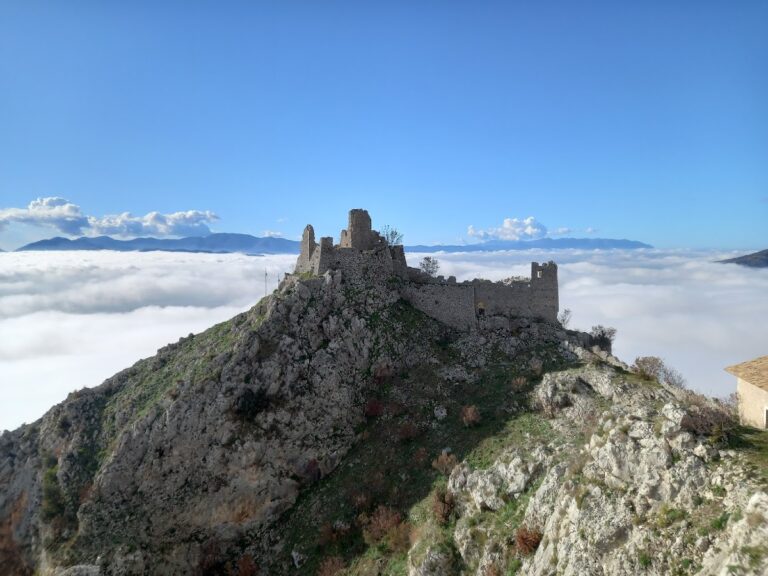
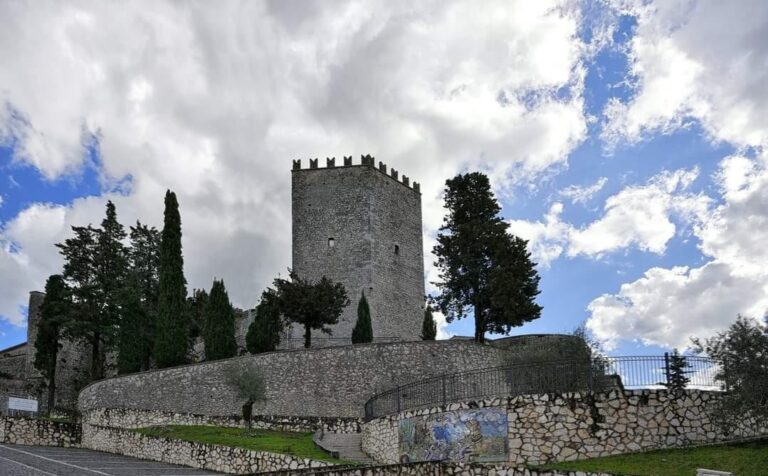
Castle of Vicalvi is a medieval fortified complex in Italy, occupying the summit of the hill associated with Vicalvi in the Comino Valley. Developed between the eleventh and sixteenth centuries, it formed part of a wider defensive system that also included the castles of Alvito and Picinisco. The hill had already been fortified during the pre-Roman period, particularly in the fifth or fourth century BC, while the earliest documents naming the castle date from 937.
Lombard and Montecassino Rule
The castle was initially a Lombard possession linked to the princes of Capua. The Lombards were a Germanic people who established a kingdom in Italy during the early medieval period, and Capua served as an important political center in southern Italy. In 1017, Vicalvi passed to Montecassino, the Benedictine abbey founded by Saint Benedict and one of medieval Italy’s most influential monastic institutions. Its monks held the castle until the beginning of the thirteenth century.
Feudal Strengthening
The d’Aquino family acquired Vicalvi after the Montecassino period and strengthened its defenses by enclosing the settlement within two concentric wall circuits. Ownership then passed briefly between the Étendard family and the counts d’Aquino before the castle came to the Cantelmo family. These noble houses exercised feudal authority over territories and castles in southern Italy.
Abandonment and Later Status
The Cantelmo family selected Alvito Castle as its residence. Vicalvi was consequently abandoned rapidly, after which its decline into ruin continued more gradually. At the beginning of the nineteenth century, the Duke of Alvito transferred the castle to the Celli family, who were related to the Marsella family. Its strategic function ended in 1806. The Municipality of Vicalvi now owns the site, which is designated Italian national heritage.
A local legend connects the castle with apparitions of an alleged former courtesan called the Chained Lady. The story is separate from the documented succession of feudal lords. In one version, she lived in the eighteenth century and had young men killed after seducing them during her husband’s absences. Her husband supposedly discovered the crimes and had her walled alive inside one of the towers. Other versions place the tale in the fifteenth century, so the date remains uncertain.
Remains
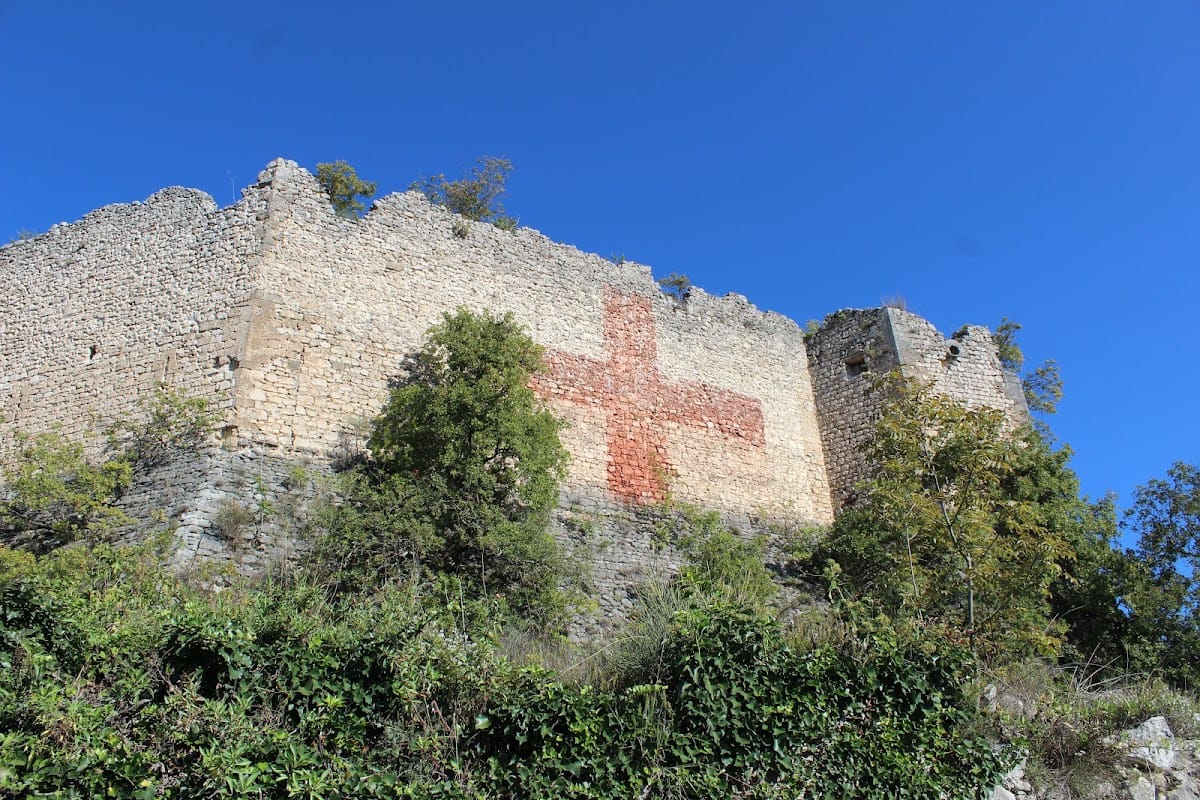
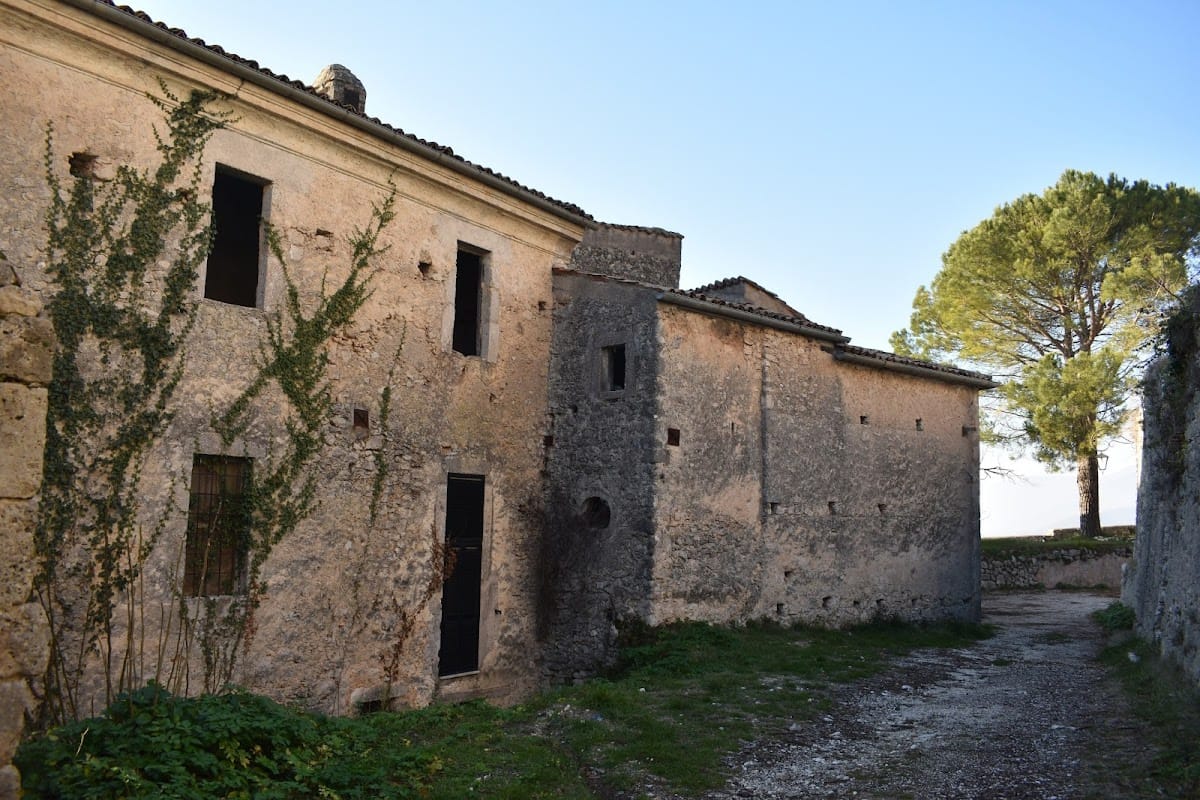
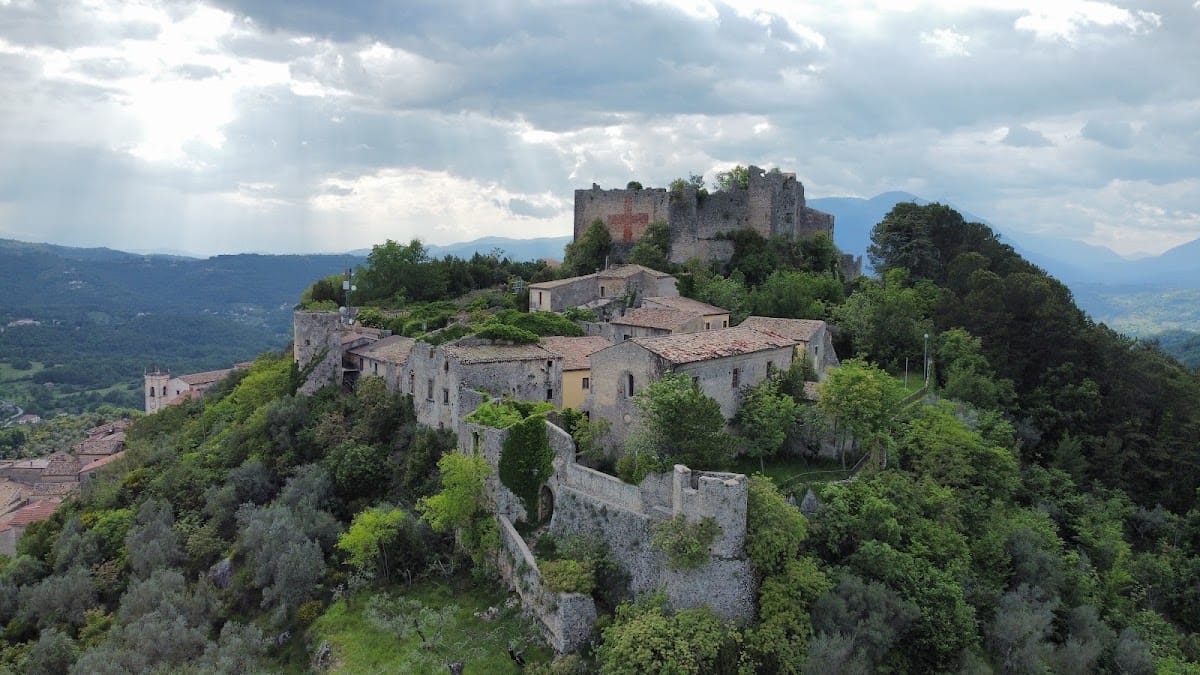
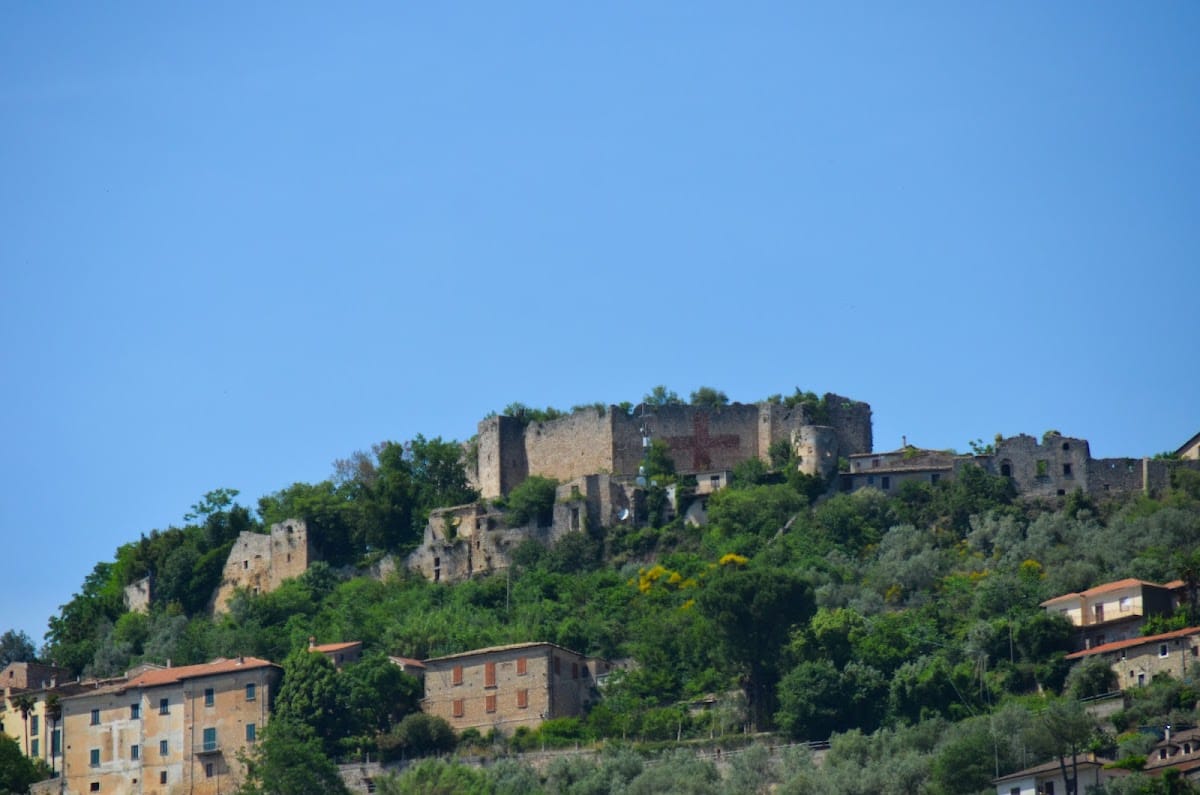
The ruined complex stands on a hill near the Abruzzo Apennines, within the Abruzzo, Lazio and Molise National Park. Its principal surviving feature is a large fortified enclosure defined by two polygonal defensive wall circuits. Although the castle is in ruins, these circuits remain almost intact and preserve the broad extent of the fortified area.
Fortified Enclosure
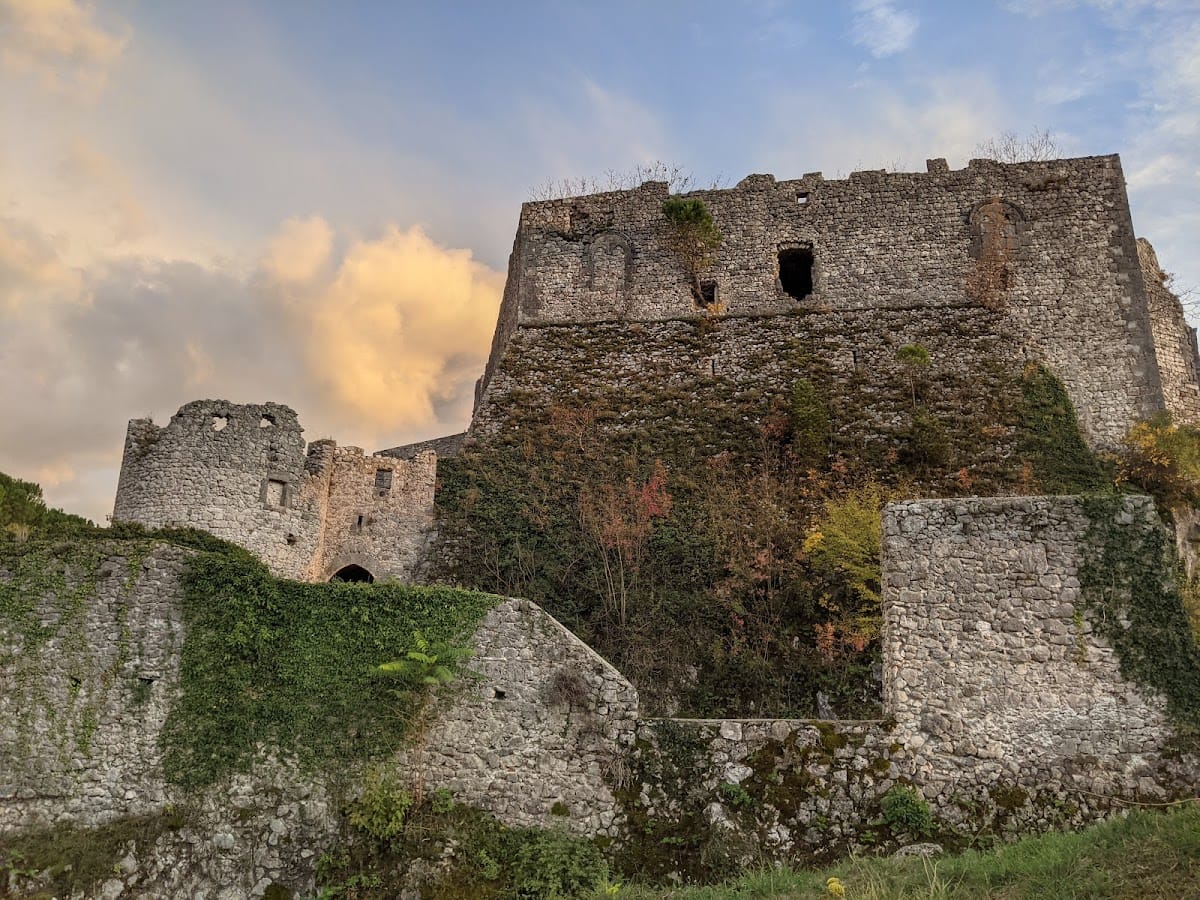
The two walls organize the castle as concentric defensive spaces, while the surviving remains allow different construction phases, functions, and forms of internal organization to be distinguished. The complex includes a castle tower together with extensive remnants of the surrounding fortifications. The walls and tower belong to a medieval defensive system that developed across several phases from the eleventh to the sixteenth century.
Medieval Construction Phases
A major restructuring probably took place in the fourteenth century during the period of Étendard ownership. Horizontal and vertical structural elements from this phase recall Gothic design, a medieval architectural style characterized by pointed forms and strongly vertical organization. The castle originally had a single-pitched roof, formed by one sloping plane directed inward toward the fortified area.