Porciano Castle: A Guidi County Center in Tuscany
Site at a Glance
- Rating
- 4.5
- Popularity
- Low
- Country
- Italy
- Primary era
- Medieval
- External website
- Open
- Eras represented
- Medieval
- Civilizations
- Holy Roman Empire
- Site type
- Military
- Remains
- Castle
On this page10 sections
History
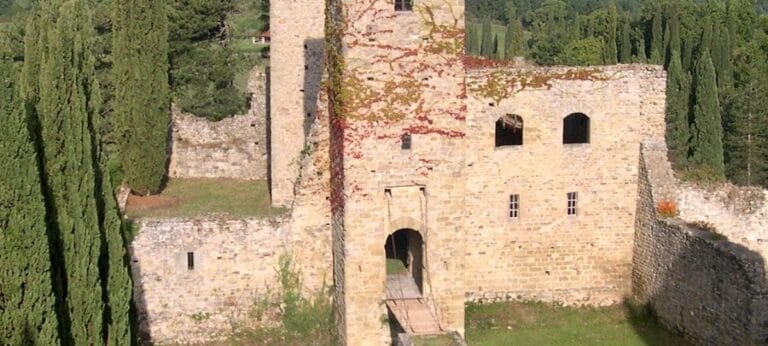
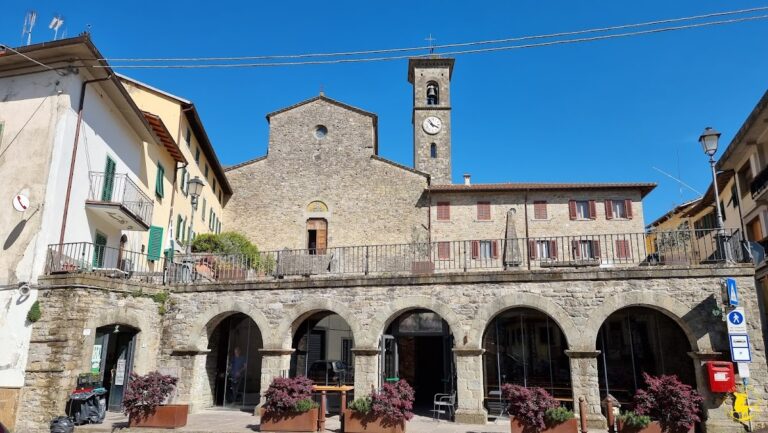
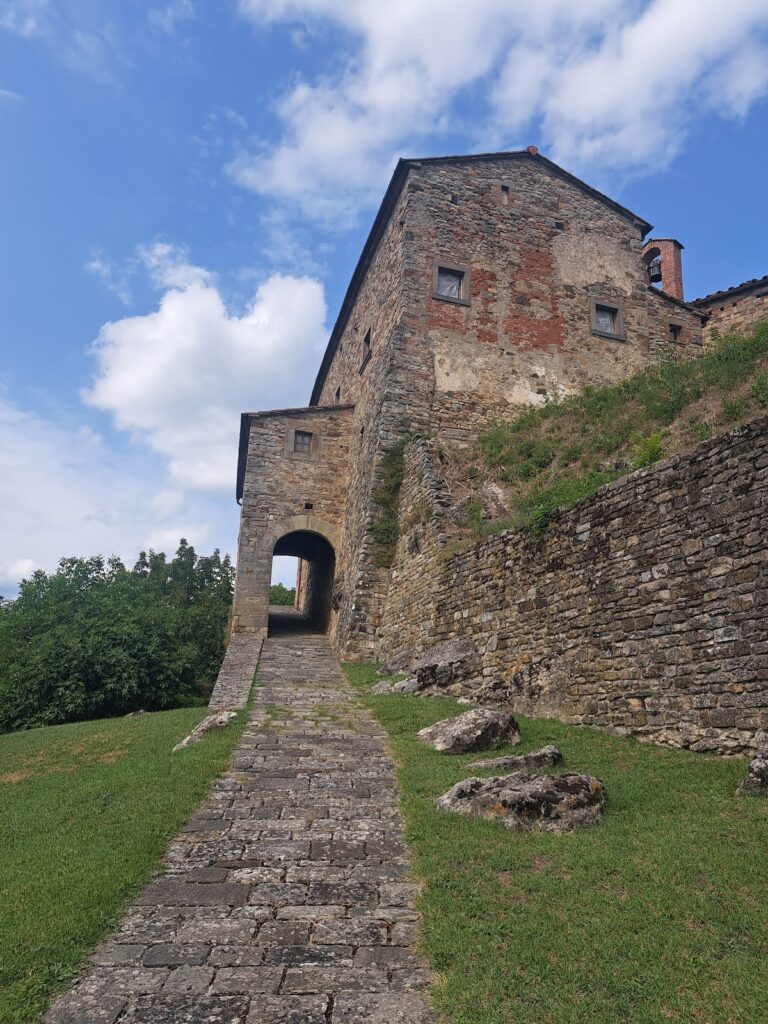
Porciano Castle is a medieval fortification in Italy, in the hamlet of Porciano near Stia, developed by the Guidi counts, a powerful medieval comital family that controlled castles and territories across Tuscany. The site is recorded in 1017 as locus Porciano, meaning the place or site of Porciano, and by 1115 it was described as a castrum, a fortified settlement or castle, together with its borough.
Guidi rule and the county center
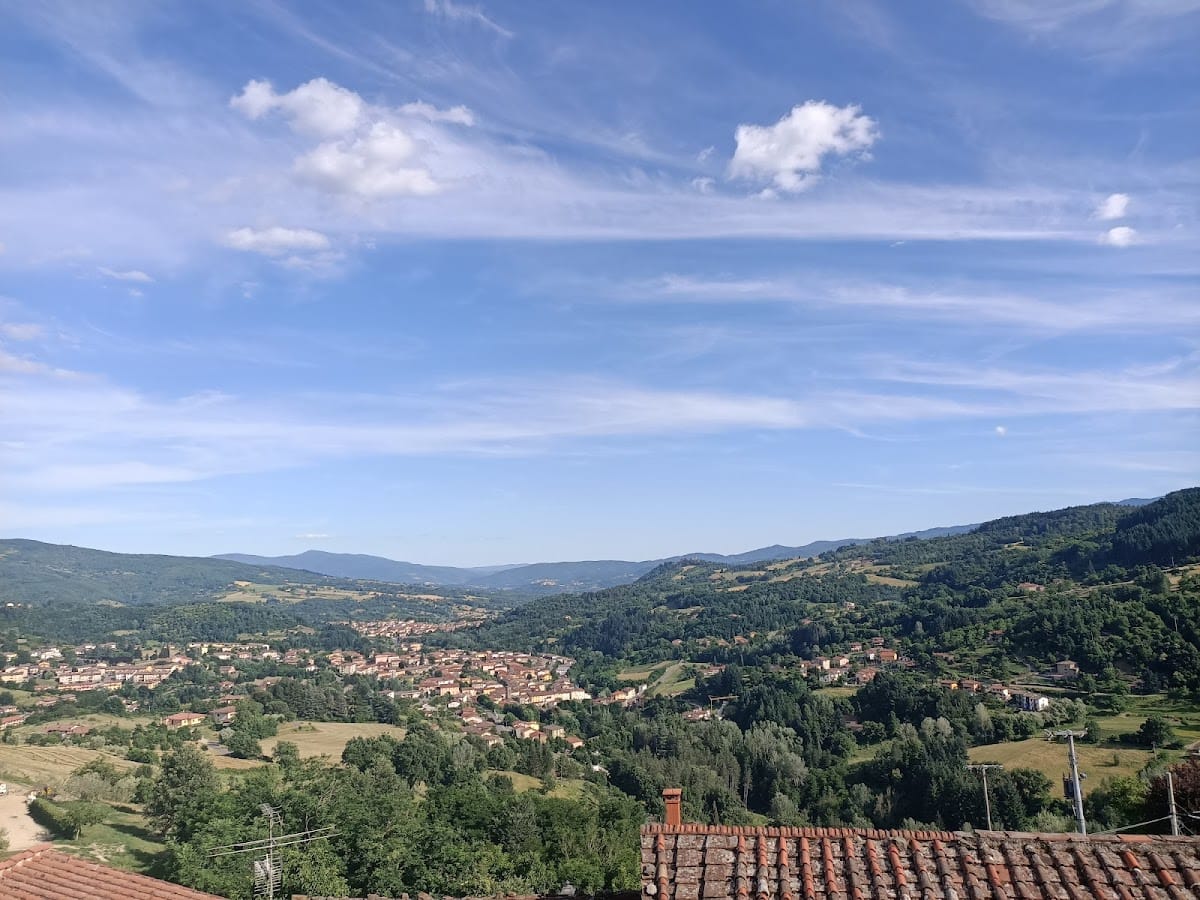
In 1164, Frederick I Barbarossa, the twelfth-century Holy Roman Emperor, reconfirmed Porciano and several other sites in the Casentino to the Guidi counts. The Casentino is the upper valley of the Arno River, an area containing numerous medieval fortified sites.
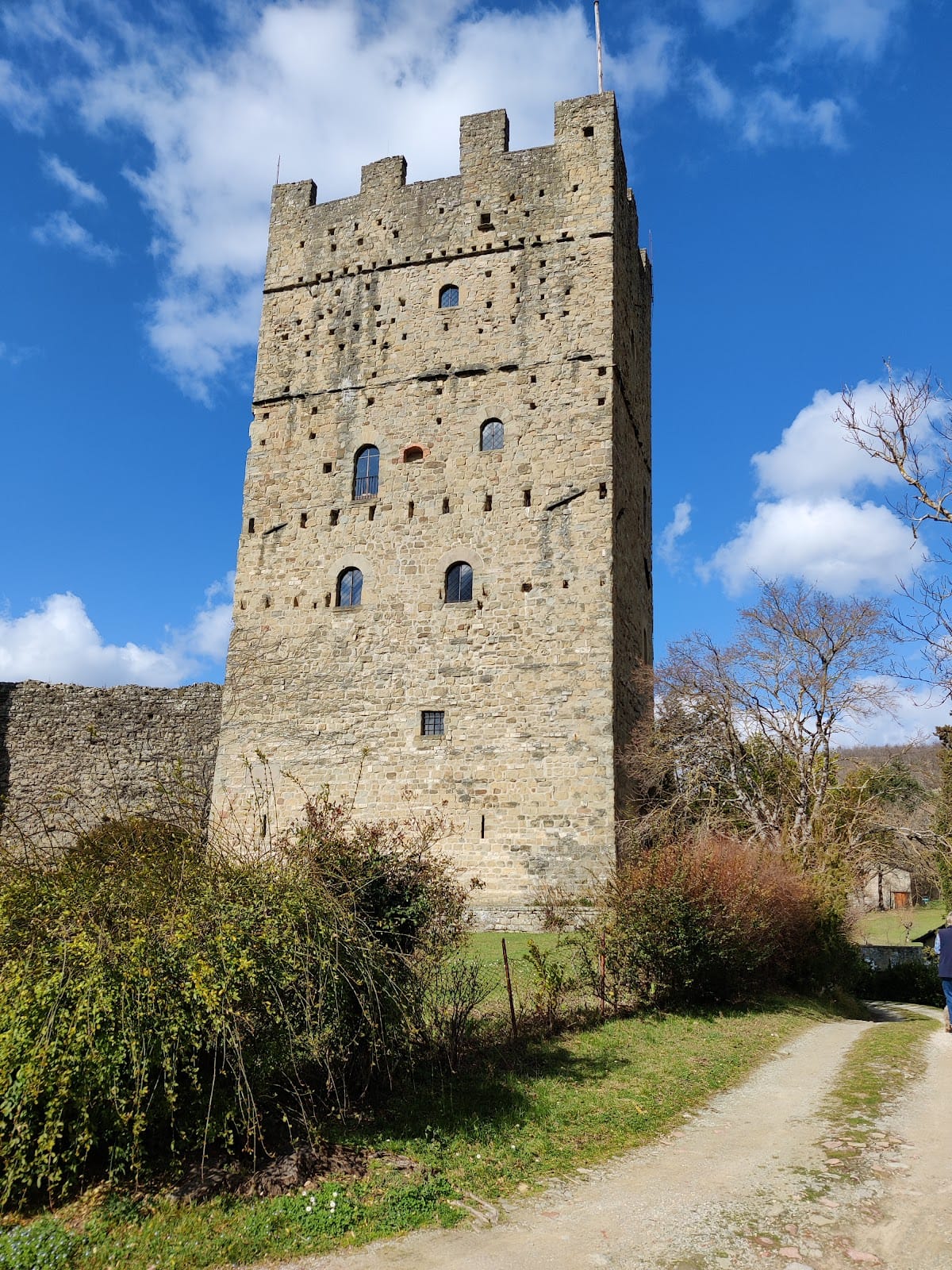
During the thirteenth century, the Guidi family divided among numerous heirs whose interests often conflicted. Porciano then became the seat of the Guidi counts of Porciano-Modigliana. Probably from the mid-thirteenth century, this branch expanded the castle as a monumental county center and constructed its great palace tower.
Porciano was also associated with the violent exercise of county power. In the late thirteenth century, Count Tegrimo returned to the castle after the Battle of Campaldino, a major conflict between Florence and Arezzo in the Casentino, and plundered merchants and ordinary travelers passing by. In 1291, he was tried and fined 10,000 gold florins, payable to the podestà of Florence. A podestà was a civic official responsible for justice and government in a medieval Italian town or territory.
Florentine influence and abandonment
From the mid-fourteenth century, Porciano entered Florence’s political sphere. Like the rest of the Casentino, it was progressively absorbed into Florence’s political orbit between the late fourteenth and the first half of the fifteenth century. Although the Guidi counts declined politically during the fourteenth and fifteenth centuries, Porciano continued to serve as a county center. Archaeological materials of notable quality found inside the castle and nearby during the 1960s and 1970s support this continuing role.
In 1442, Ludovico di Neri, the last count of the Guidi of Porciano-Modigliana, released his men from their oaths of allegiance and permanently abandoned Porciano. He became a monk at the monastery of Santa Maria degli Angeli in Florence. The castle gradually fell into ruin between the fifteenth and eighteenth centuries.
Recovery and museum use
In 1799, the municipality of Stia acquired Porciano Castle and the nearby Castle of Romena from the Roman noble family Goretti de’ Flamini. Recovery and restoration began in the 1960s through the work of Countess Flaminia Goretti de’ Flamini and her husband, George Anderson Specht. Their only daughter, Martha Specht, remains the castle’s owner.
A museum was established inside the castle. It presents the Salone di Dante, the reception hall, collections recovered during restoration, and other collections associated with the site. Porciano is designated as Italian national heritage.
Remains
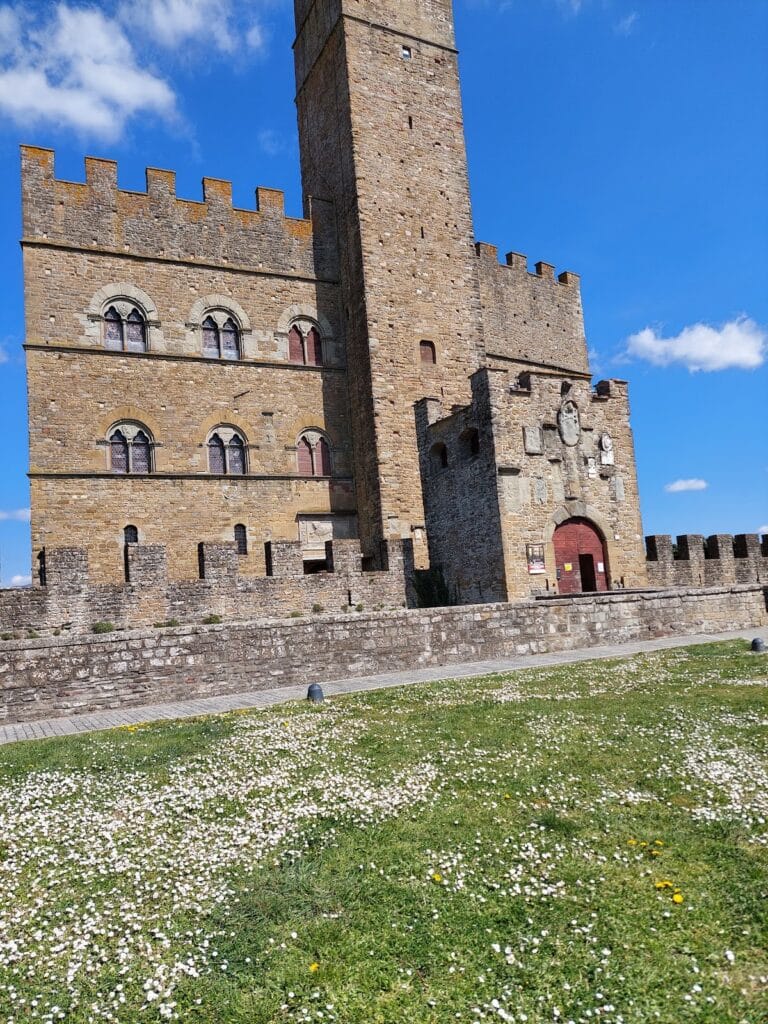
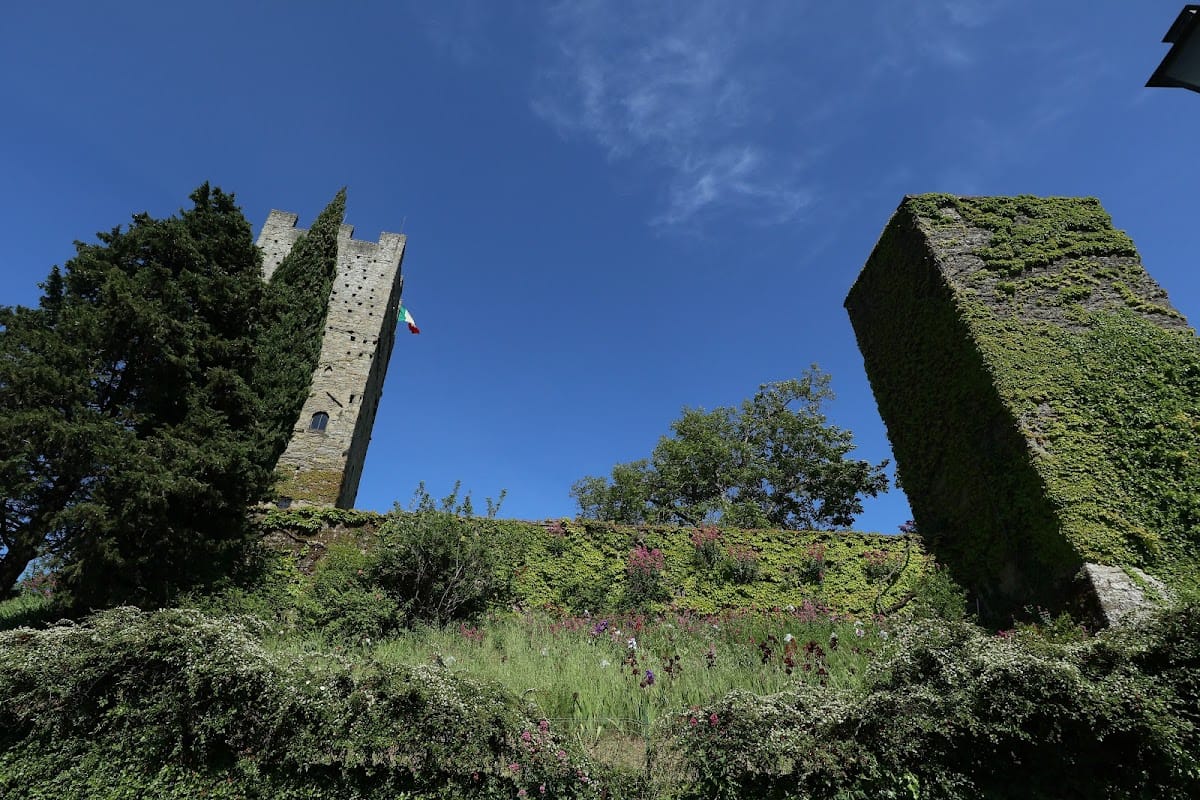
Porciano survives as a medieval fortification whose large palace tower forms the principal architectural feature and still dominates the hamlet. The castle also contains the Salone di Dante, identified as its reception hall, while spaces on the lower floors house museum collections.
Principal architectural spaces
Palace tower
The great palace tower was probably built from the mid-thirteenth century, when the Guidi branch of Porciano-Modigliana developed the castle as a county center. Its large scale reflects the building’s role within that complex, and the tower remains the most prominent surviving element of the fortified site.
Salone di Dante and lower floors
The Salone di Dante served as the castle’s reception hall. Lower-floor rooms contain the museum collections, allowing the restored interior spaces to present objects connected with the castle and the surrounding Casentino countryside.
Archaeological material
Excavations and restoration work produced a range of archaeological materials from inside the castle and its immediate surroundings. These include archaic maiolica, a medieval form of Italian tin-glazed earthenware, blue archaic maiolica, glass, ceramics, pottery, and other vessels. Some materials recovered during restoration date as far back as the fourteenth century.
Museum collections
The museum also contains domestic implements and agricultural tools used in the surrounding Casentino countryside during the eighteenth and nineteenth centuries. Photographic documentation records the restoration, while Native American archaeological material from North Dakota comes from Colonel Specht’s private collection.