Roman Sites in Belgium: Explore Town Walls, Temple Remains and Villas
Roman sites in Belgium include Tongeren’s surviving town walls and temple precinct, excavated buildings beneath its basilica, and the rural estate at Mageroy. This collection brings together urban defences, religious spaces and domestic buildings, with the principal examples concentrated in Tongeren and the south of the country.
The remains preserve different parts of their original structures. Long stretches of masonry define an ancient town boundary, while excavated rooms and heating installations explain the arrangement of a villa. Later buildings sometimes cover Roman occupation, making the archaeological level the relevant part of the site.
Primary Function: All
Type: All
Popularity: All
Rating: All
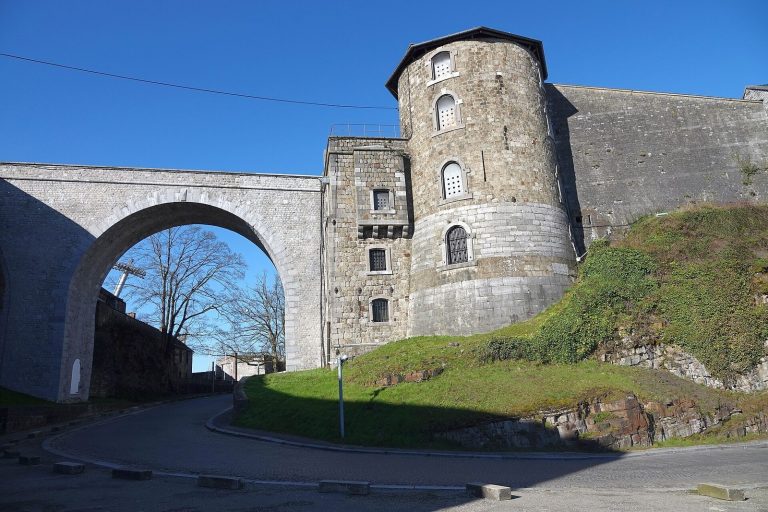
The Citadel of Namur developed from a medieval comital castle into a major European fortress. Its surviving sectors preserve defensive works from the…
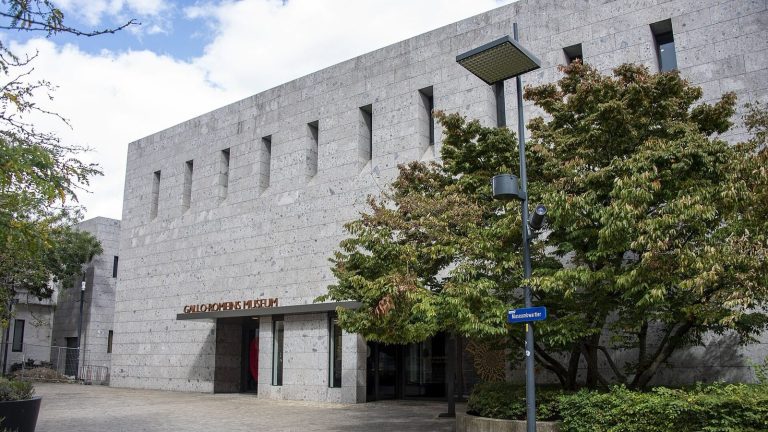
The Gallo-Roman Museum Tongeren traces the history of Tongeren and Limburg through archaeology, from Neanderthal communities and early farmers to the…
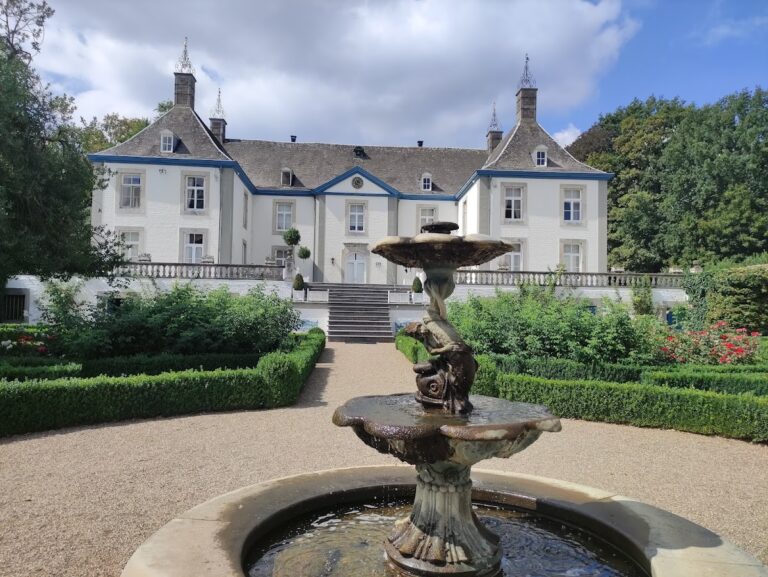
Genoels-Elderen Castle in Riemst developed from a medieval stronghold into an eighteenth- and nineteenth-century estate, later becoming a major…
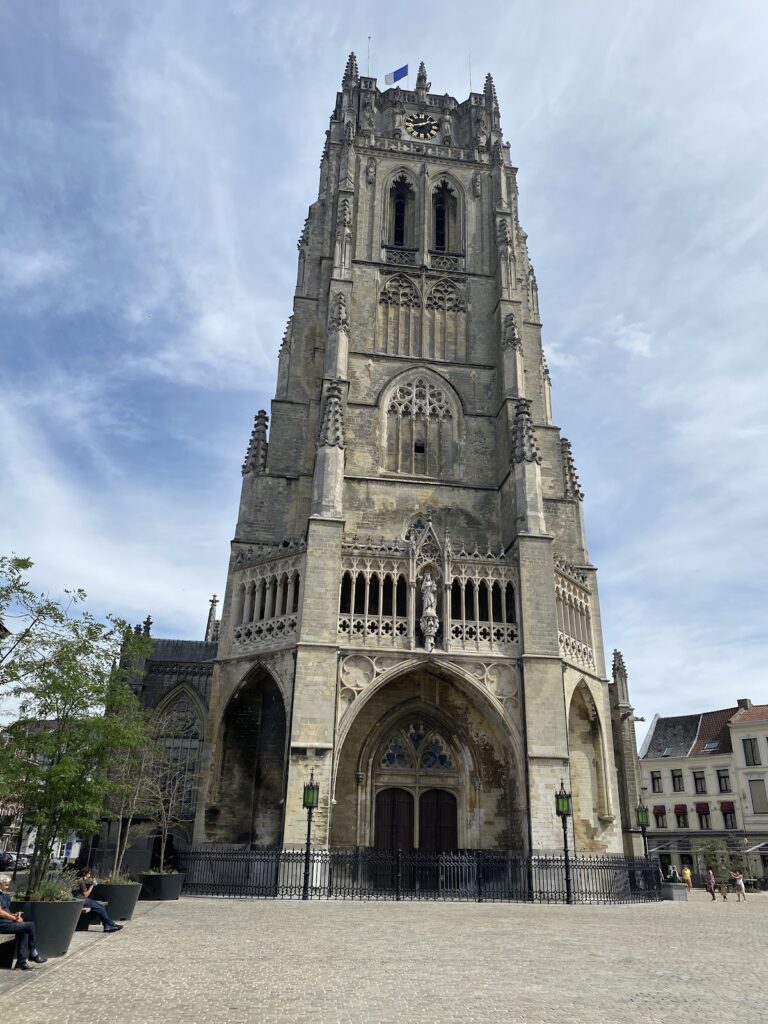
The Basilica of Our Lady in Tongeren developed from a late Roman Christian site into a major Gothic church, collegiate foundation, pilgrimage centre,…
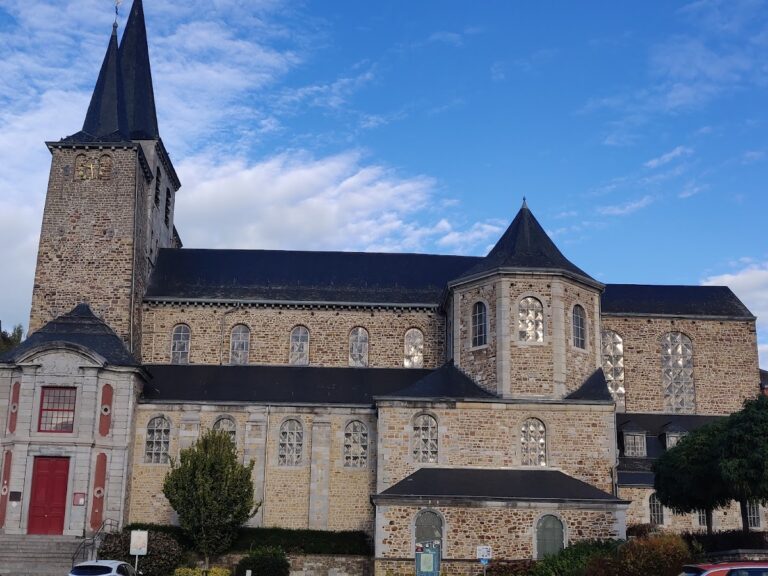
Saint George and Saint-Ode Collegiate Church in Amay preserves Romanesque architecture, earlier archaeological remains, a medieval cloister, and the…
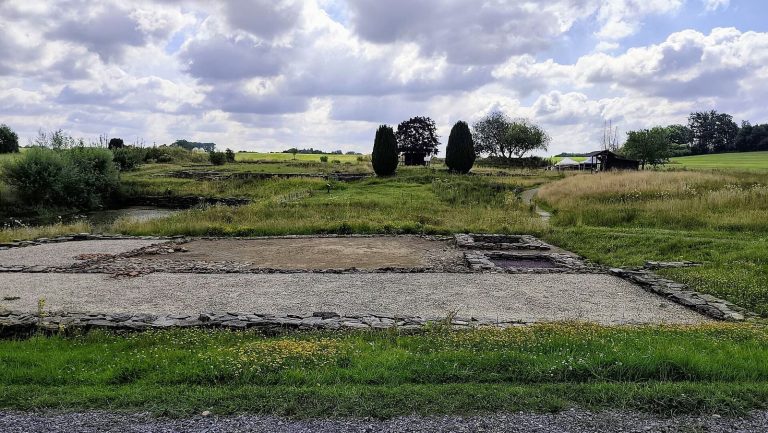
The Gallo-Roman Villa of Mageroy preserves the remains of a Roman estate occupied from the 1st century AD into the second half of the 4th century,…
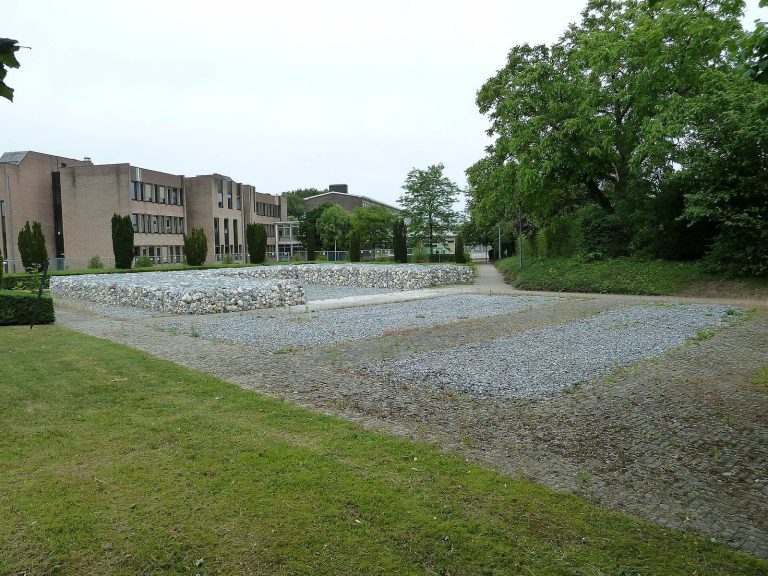
The Gallo-Roman temple complex at Tongeren was a terraced Roman-period sanctuary whose porticoes, adjoining rooms, and offering pits suggest a…
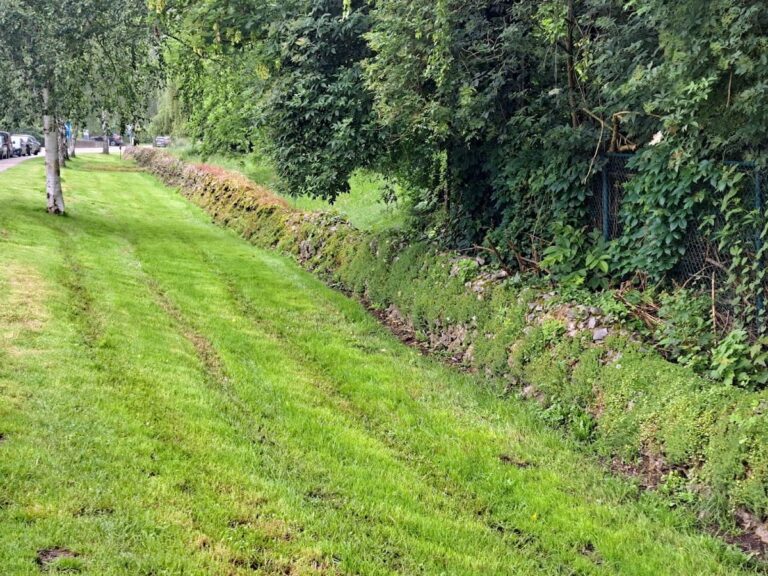
The Roman walls of Tongeren mark one of the earliest urban centers in the region now known as Flanders, reflecting its role as a political,…
For details on how to use the maps, which sites are included, how popularity and ratings are determined, and how sites are classified, see the help page.
On this page5 sections
Tongeren’s Roman town walls
The Roman walls of Tongeren survive in substantial stretches around parts of the modern town, including sections along Caesarlaan and adjoining streets. The ancient circuit enclosed the settlement with stone walls and regularly spaced towers. Its surviving sections preserve the line of that boundary within a much later street layout.
The enclosure belonged to a town laid out with straight streets. Its scale can be understood through the distribution of the surviving wall sections, without assuming that the whole circuit retains its original height. The linked site article also places the defences alongside the town’s other Roman infrastructure.
Terraces around Tongeren’s temple
The Gallo-Roman temple complex at Tongeren occupied a raised precinct directly behind a surviving section of wall. Its enclosing masonry also retained the artificial terrace, with parts surviving more than four metres high. The temple stood on a platform, with a paved area in front and colonnaded halls around the sacred space.
The retaining walls are an especially substantial part of the ancient fabric. The temple’s former superstructure is represented through interpretation and a modern structure, rather than an intact ancient colonnade. Keeping those elements distinct helps explain the precinct’s scale without mistaking modern presentation for a surviving Roman building.
Mageroy’s residence, baths and estate buildings
The Gallo-Roman villa of Mageroy occupied a rural estate near the Rulles. Its excavated residence combined living rooms with a gallery, service spaces and private baths. Successive owners altered the house’s orientation and added rooms, changing the relationship between the residence and its courtyard.
The baths had underfloor heating. Elsewhere on the estate, a large walled basin survives, although its purpose remains uncertain. Ancillary buildings probably provided barns, stables and accommodation for agricultural workers. These remains place the house within a productive estate, with bathing and reception spaces alongside the facilities needed to run a farm.
Roman buildings beneath Tongeren’s basilica
Beneath the Basilica of Our Lady, the archaeological area presented by the Teseum preserves evidence of successive occupation. Roman domestic remains and an apsidal fourth-century building precede the later churches on the site. Their position beneath the present basilica allows the sequence of building and rebuilding to be followed vertically.
The standing church is Gothic. Its inclusion here concerns the excavated Roman levels underneath it, rather than its medieval nave and tower. This adds a different setting to the collection: ancient buildings preserved below an occupied religious site.
Explore the collection
Explore sites on the map or in the grid. Map icons reflect each site’s primary function, helping you identify different kinds of places at a glance. Narrow the results by primary function, site type or era, with additional filters for popularity and rating. Select a map marker to view the site’s details and open its article, or open the article from its grid entry.