Black Barony: Historic House and Wartime Military School


Site at a Glance
- Rating
- 4.2
- Popularity
- Medium
- Country
- United Kingdom
- Primary era
- Early Modern
- External website
- Open
- Eras represented
- Early Modern, Modern
- Civilizations
- British, Kingdom of Scotland
- Site type
- Domestic
- Remains
- Castle
On this page8 sections
History
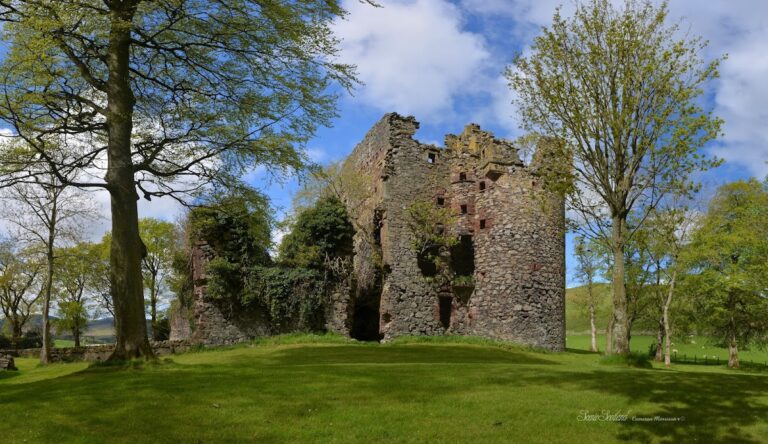
Black Barony, also known as Barony Castle and formerly Darnhall, is a historic house at Eddleston in the United Kingdom. Its oldest part derives from a sixteenth-century tower house built by the Murrays of Blackbarony, a fortified residence designed for domestic occupation as well as defence.
The Murray estates
In 1666, Sir Alexander Murray, 2nd Baronet, purchased the nearby Cringletie estate. A baronet was a hereditary British rank below a baron and above a knight. His successor, Sir Archibald Murray, 3rd Baronet, was a soldier who died around 1700 and served from 1689 as “Sole Master of Work, Overseer, and Director-General of their Majesties’ buildings” to King William II and Queen Mary II. The office had remained vacant since Sir William Bruce’s dismissal in 1678.
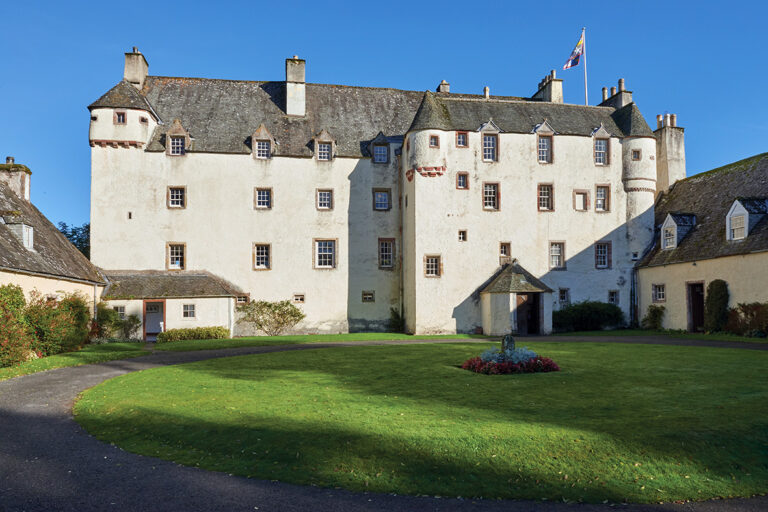
An eighteenth-century extension gave Black Barony its present facade. In 1771, the house passed to the Murrays of Elibank, who retained ownership until 1930. Further enlargement took place during the nineteenth century. James Gillespie Graham, a Scottish architect known for country houses and historic-style buildings, was commissioned in 1843 to replace the whole structure with a new mansion, but the scheme was never completed. Instead, smaller additions were made later in the century under the 9th and 10th Lords Elibank.
Hotel and wartime use
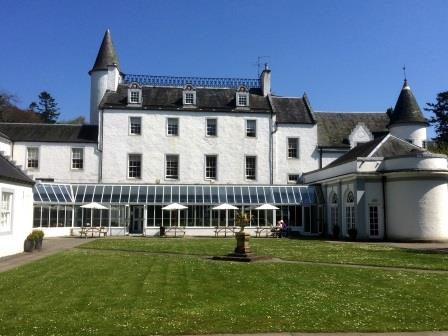
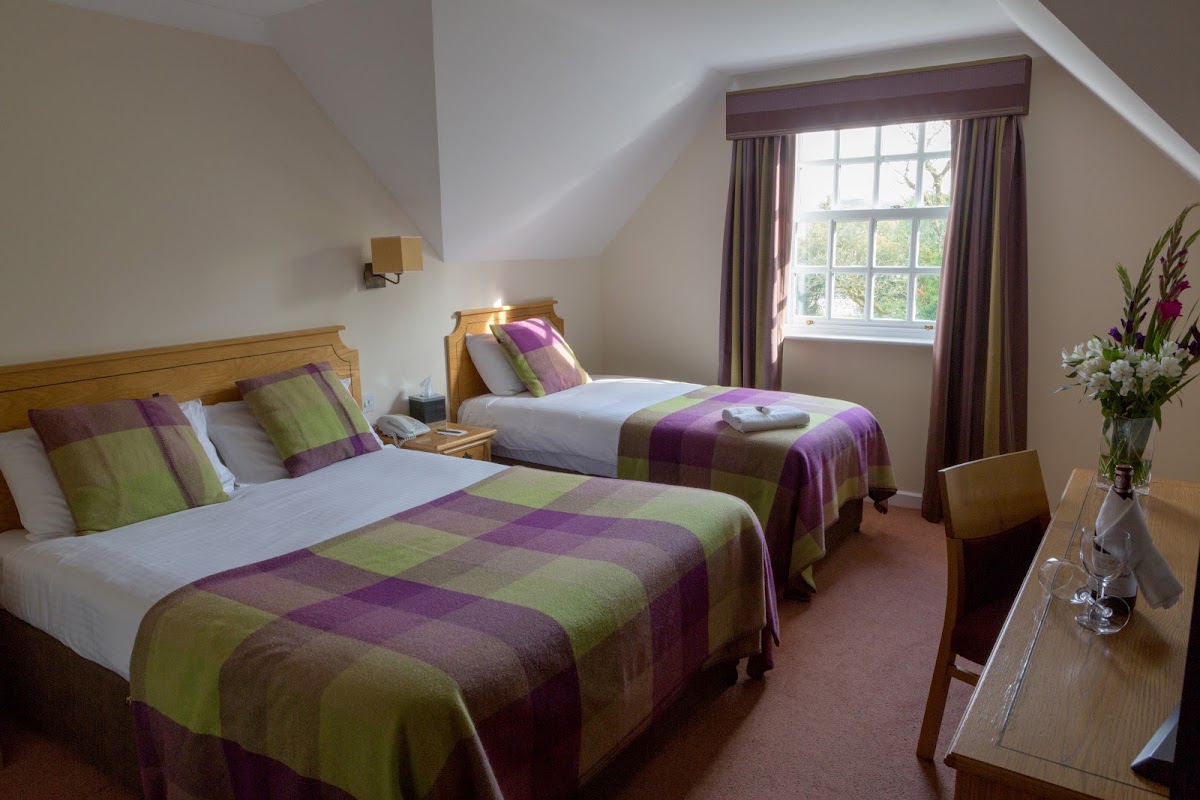
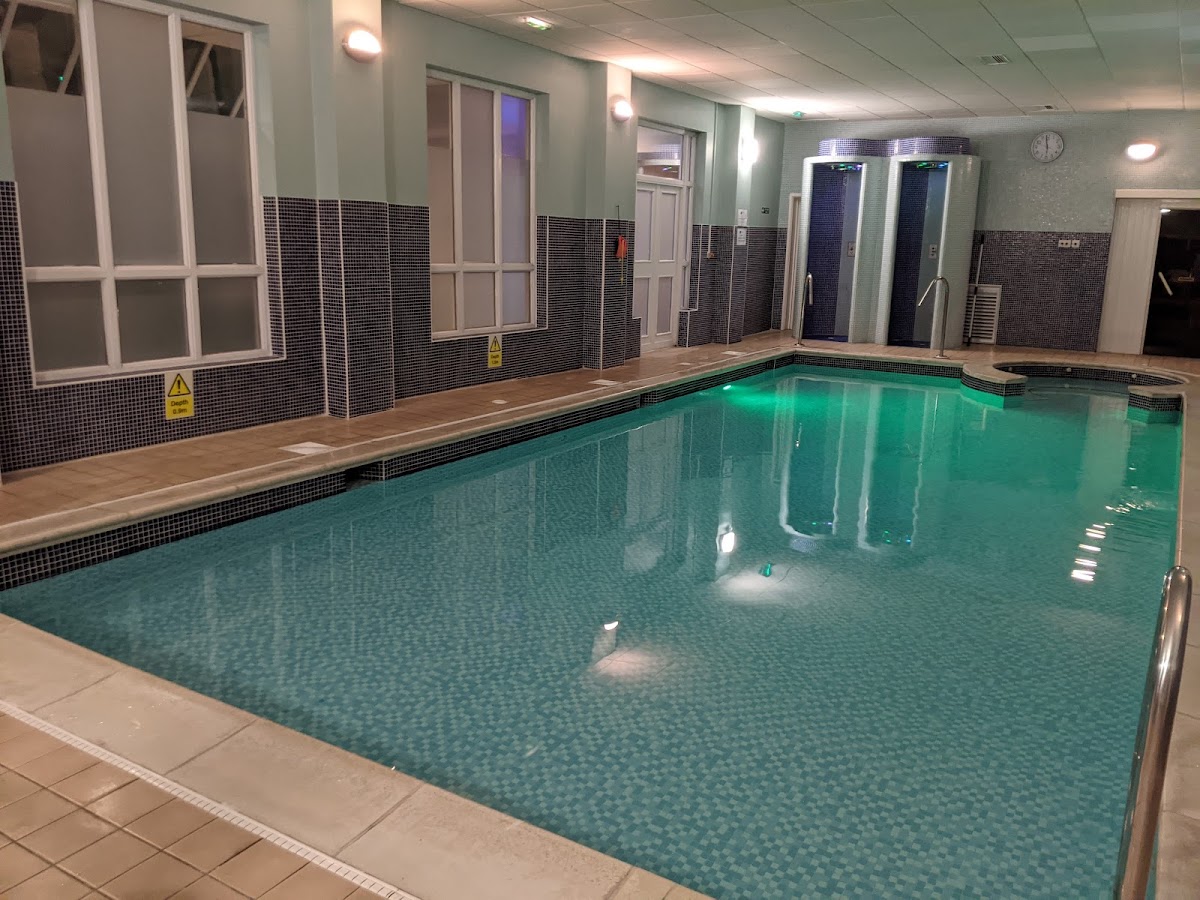
During the first half of the twentieth century, the house was converted for use as a hotel. It now operates as the Barony Castle Hotel. During the Second World War, it was requisitioned for military purposes, and in 1942 it became the Polish Higher Military School, an institution that trained Polish staff officers in military planning and command.
This role formed part of the wider deployment of Polish forces in Scotland after Nazi Germany, Soviet Russia, and Slovakia invaded Poland. Additional Polish forces reached the United Kingdom after the fall of France in May 1940. Polish units in Scotland were initially positioned to defend the east coast against a possible German invasion from Norway and Denmark. Their responsibilities included patrolling and guarding beaches, ports, estuaries, airfields, and radar sites, as well as operating anti-aircraft guns and barrage balloons and installing tank obstacles.
Among these forces was the 10th Armoured Cavalry Brigade, commanded by General Stanisław Maczek. It formed the nucleus of the 1st Polish Armoured Division, organized in February 1942. Black Barony is protected as a Category B listed building, a Scottish designation for buildings of regional or more than local importance, including substantially intact examples of particular periods or types.
Remains
House and grounds
Black Barony house
The building incorporates the surviving remains of the sixteenth-century tower house, which is its oldest part. Eighteenth-century work produced the present facade, while later nineteenth-century enlargement added further elements, including smaller extensions associated with the 9th and 10th Lords Elibank. These successive changes give the house its developed country-house form while retaining the earlier fortified residence within the structure.
Great Polish Map of Scotland
Within the grounds lies the Great Polish Map of Scotland, a relief model in which raised and lowered surfaces represent the topography of the country. It is described as the largest model of its kind in Europe and forms a physical reminder of the property’s association with the Polish wartime presence.
Ice house
An underground, ovoid ice house dated 1789 stands 100 metres north-east of the house. The structure was built by the 7th Lord Elibank and survives as a separate element of the estate’s eighteenth-century fabric.