Castle of Grinzane Cavour: Medieval Fortification and Cultural Centre in Italy



Site at a Glance
- Rating
- 4.6
- Popularity
- Medium
- Country
- Italy
- Primary era
- Medieval
- External website
- Open
- Eras represented
- Medieval, Early Modern, Modern
- Civilizations
- Duchy of Savoy
- Site type
- Military
- Remains
- Castle
On this page8 sections
History
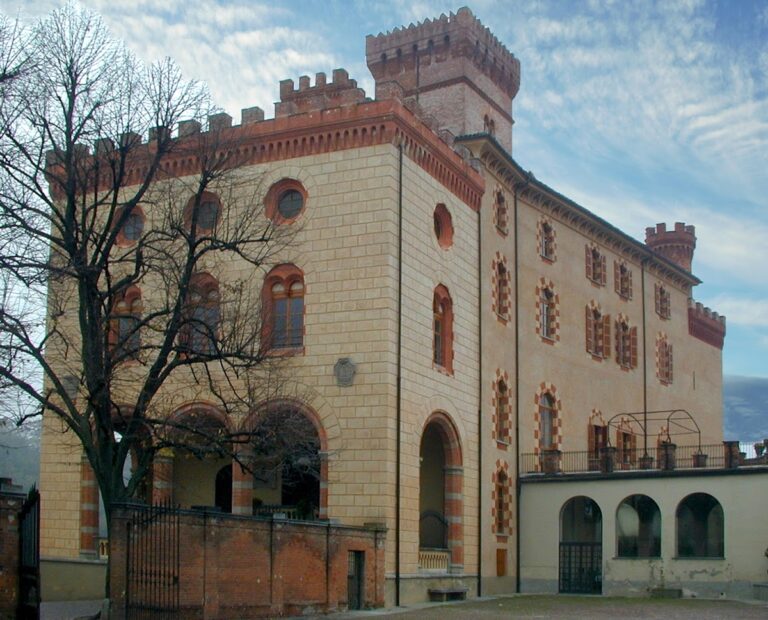
The Castle of Grinzane Cavour is a medieval fortification in Italy, located in Grinzane Cavour in Piedmont’s Province of Cuneo. Its construction date is uncertain, with proposed origins in the thirteenth century or around 1350. The large tower is generally considered the earliest part of the complex, while the remaining structures may have been added later or built during the same period.
Medieval Origins and Changing Lordship
Early information about the castle is scarce. In the fifteenth century, the fortress and its surrounding land belonged to the marquis of Busca. Heraldic emblems associated with him were discovered beneath later plaster in several rooms. The property subsequently passed through the hands of several lords, reflecting the changing ownership of the estate over the centuries.
Camillo Benso, Count of Cavour
In 1830, Camillo Benso, Count of Cavour, arrived at the castle as a guest of his relatives, the De Tonnerre family. He remained there for nearly twenty years, administered the family property, and restored the building. Cavour was a Piedmontese statesman and one of the principal political figures in the movement that unified Italy.
During his residence, Cavour introduced new agricultural practices in the surrounding area. He traced canals, adopted more systematic cultivation methods, planted 200,000 new vines, and experimented with sugar-beet cultivation. He became mayor of Grinzane in May 1832, at the age of twenty-two, and held the office until February 1849.
Wine Heritage and Modern Recognition
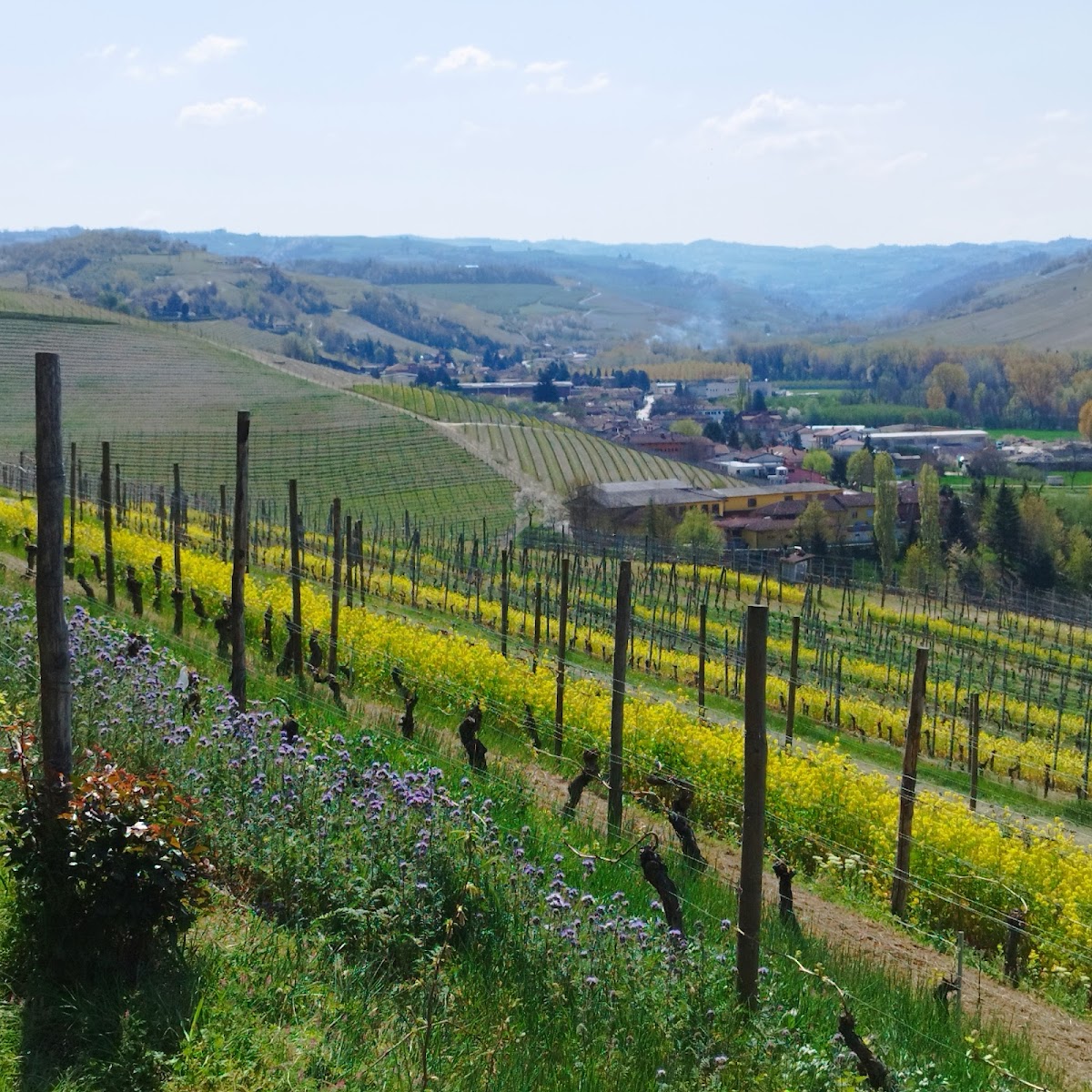
The Cavour Regional Enoteca was established in 1967 as a wine centre presenting the wines of Piedmont’s Langhe, a hilly region especially known for Barolo and Barbaresco. The castle has also housed the Museum of the Langhe, an ethnological museum, together with facilities including a café, restaurant, and meeting hall.
Since 2014, the castle has formed part of the UNESCO World Heritage inscription “Vineyard Landscape of Piedmont: Langhe-Roero and Monferrato.” UNESCO, the United Nations Educational, Scientific and Cultural Organization, uses World Heritage designation to identify cultural or natural places judged to have outstanding universal value. The inscription covers a designated area of 7 hectares and recognizes cultural criteria (iii) and (v). An educational route around the castle explores the history of wine and vine cultivation.
Remains
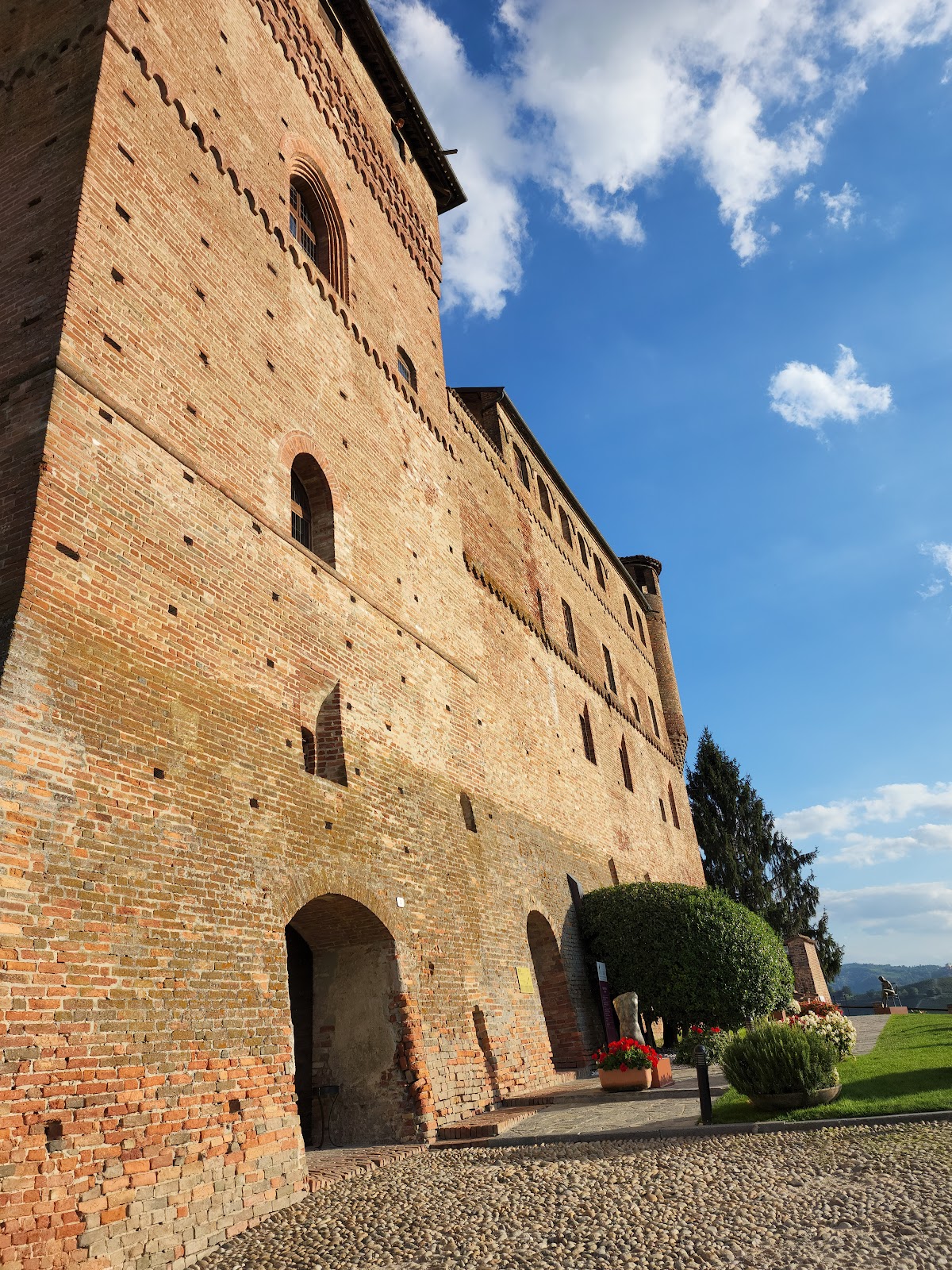
The castle survives as a massive, well-preserved rectangular complex. A large keep occupies an entire wing, while the other sections form a U-shaped arrangement. The complex combines the substantial medieval tower with later additions and preserves a layout shaped by successive periods of construction and alteration.
Fortified Complex
The U-shaped section has four turrets. Two are square, while two external round turrets project beyond the walls. The round turrets, described as pointed, were added in the sixteenth century. The eastern and western façades contain many windows. The northern façade has two windows, while the southern side has numerous openings arranged in orderly rows across three floors.
Decorated Interior and Museum Rooms
The Sala delle Maschere, or Hall of Masks, has a ceiling made up of 157 panels. The panels depict coats of arms, animals, and allegorical imagery, and commemorate the marriage of Pietrino Falletti, who owned the castle in 1517. The museum displays original nineteenth-century furniture and includes rooms devoted to Cavour’s residence and to the production of Italian wine.
Contemporary Facilities
A building added in 2010 was designed by the architect Giorgio Teggi and constructed within the hill supporting the historic castle. It contains offices, multifunctional spaces, a 60-seat educational room, and a conference hall with more than 250 seats and audio-visual equipment. The wider complex also contains the Cavour Regional Enoteca, a café, a restaurant, and a meeting hall.