Castillo de Láchar: A Fortified Palace in Granada, Spain
Site at a Glance
- Rating
- 4.8
- Popularity
- Medium
- Country
- Spain
- Primary era
- Modern
- External website
- Open
- Eras represented
- Early Modern, Modern
- Civilizations
- Crown of Castile, Spanish
- Site type
- Domestic
- Remains
- Castle
On this page9 sections
History
Castillo de Láchar is a fortified enclosure and later palace in Láchar, Spain, whose origins are associated with a fifteenth-century castle from the late Nasrid Kingdom of Granada, the last Muslim-ruled kingdom in the Iberian Peninsula before the Christian conquest of Granada in 1492. Its present appearance largely reflects a Neo-Arabic reconstruction of the late nineteenth and early twentieth centuries rather than only its medieval beginnings.
Legend and Nasrid origins
Local tradition connects the site with Don Julián, identified as the Visigothic governor of Ceuta and Tangier. According to the legend, Julián built a palace at Láchar to hide his daughter Florinda after her alleged mistreatment by King Rodrigo. The story links Julián’s revenge to the Arab entry into the Iberian Peninsula and Rodrigo’s defeat at the Battle of Guadalete in 711.
The likely origins of the present enclosure lie in a castle constructed during the fifteenth century, when Láchar formed part of the late Nasrid Kingdom of Granada. After the Christian conquest of Granada, the castle was rebuilt and later enlarged in several stages by the Benalúa family.
The ducal reconstruction
The castle entered its most prosperous period after Julio Quesada-Cañaveral, Duke of San Pedro, came to Láchar in the late nineteenth or early twentieth century. The building was reconstructed in a Neo-Arabic, or Moorish Revival, historicist style that reinterpreted forms and decoration associated with Islamic architecture. Modesto Cendoya is variously credited with responsibility for the project.
During the duke’s residence, the palace hosted King Alfonso XIII on approximately ten occasions. Alfonso XIII ruled Spain from 1886 to 1931. Other distinguished guests included the Duke of Connaught, accompanied by the British writer Arthur Conan Doyle, as well as the Dukes of Alba and Medinaceli, the Marquess of Viana, and the painter Joaquín Sorolla. These visits were associated with the partridge, hare, and duck hunting grounds formerly situated at Láchar and Trasmulas.
In the winter of 1917, Sorolla painted Chapel of the Láchar Estate during a stay at the castle connected with one of Alfonso XIII’s hunting expeditions. Sorolla was a leading Spanish painter known especially for luminous scenes of landscape, daily life, and outdoor activity.
Public ownership and protection
During the first decade of the twenty-first century, the castle was privately owned. For several years, a Dutch owner who served as honorary consul of Guinea-Bissau displayed that country’s flag on the façade beside Spain’s flag. The municipality of Láchar acquired the property in 2016, bringing it into public ownership. Remodelling and recovery work has since sought to restore artistic and historical elements affected by alterations made by previous owners.
Castillo de Láchar has been protected as a Spanish Asset of Cultural Interest since 1985 under code RI-51-0011765.
Remains
Enclosure and palace
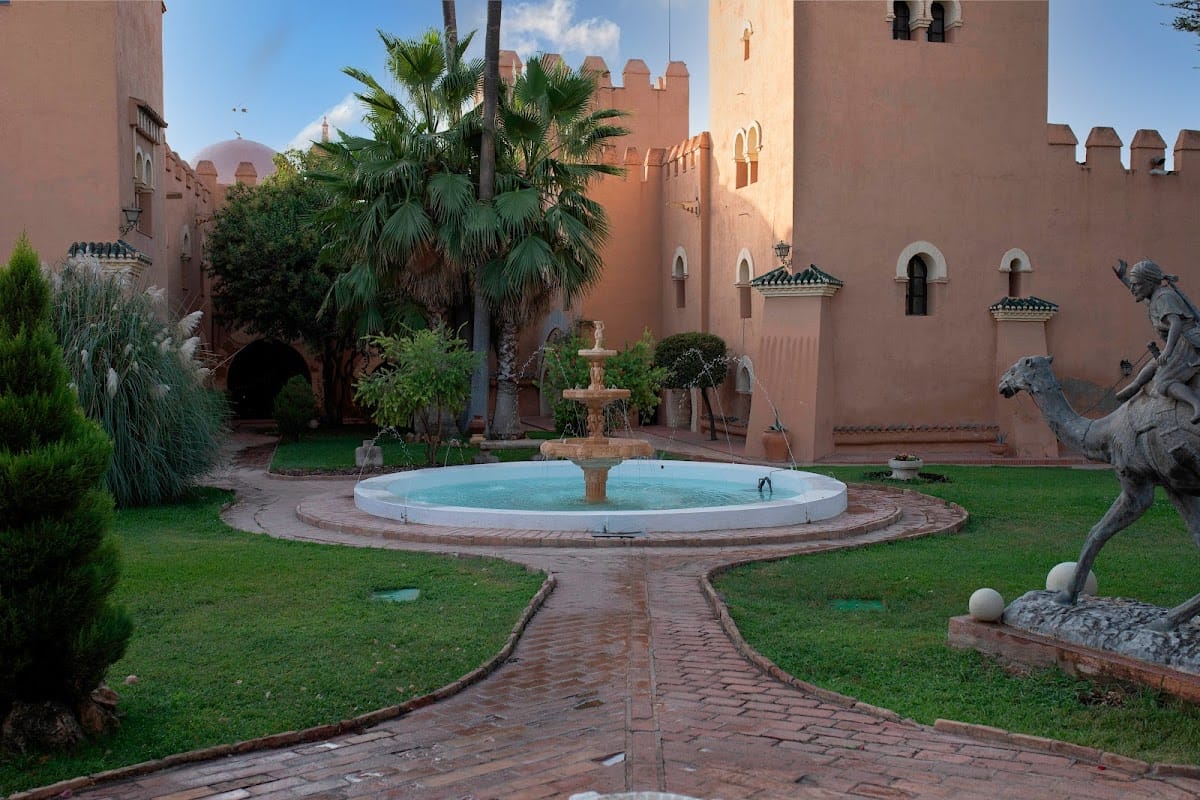
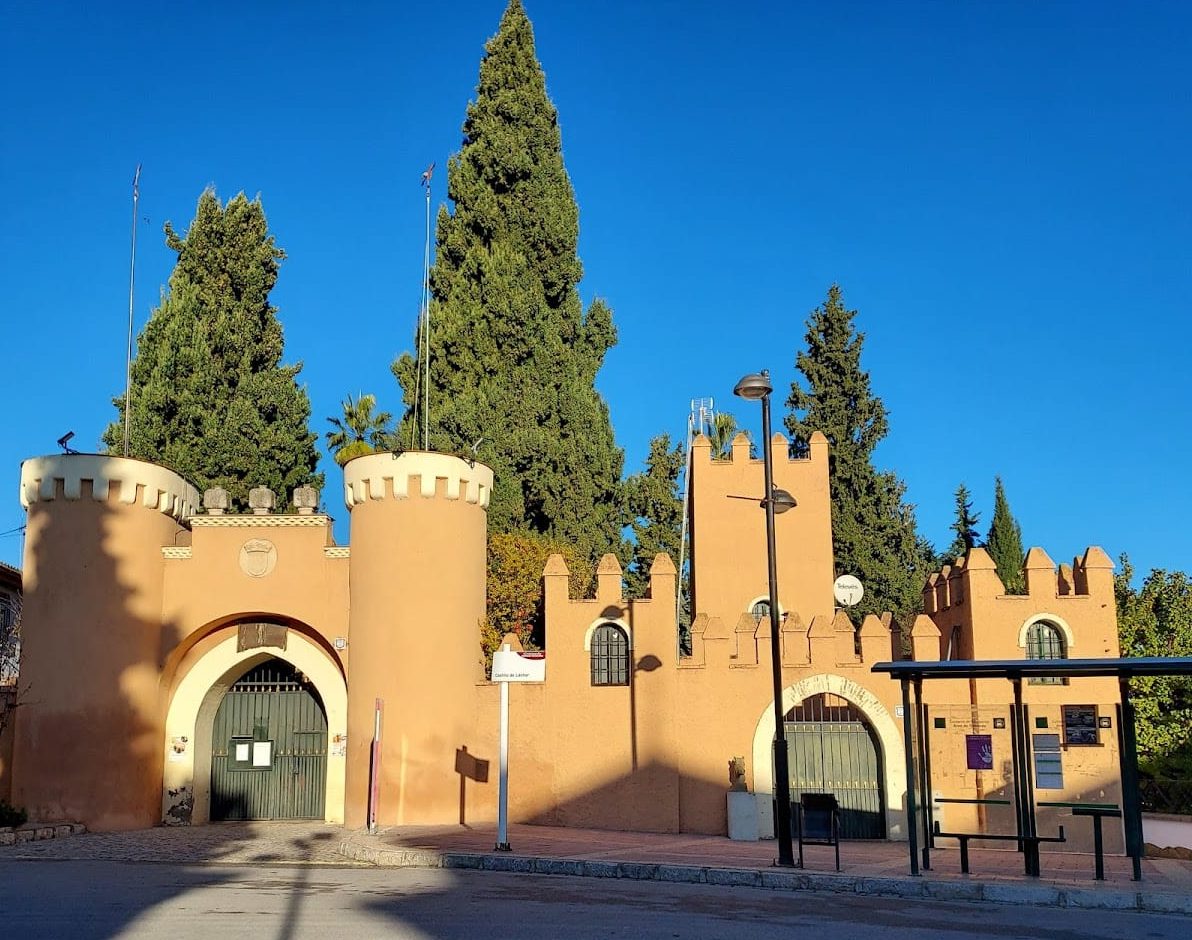
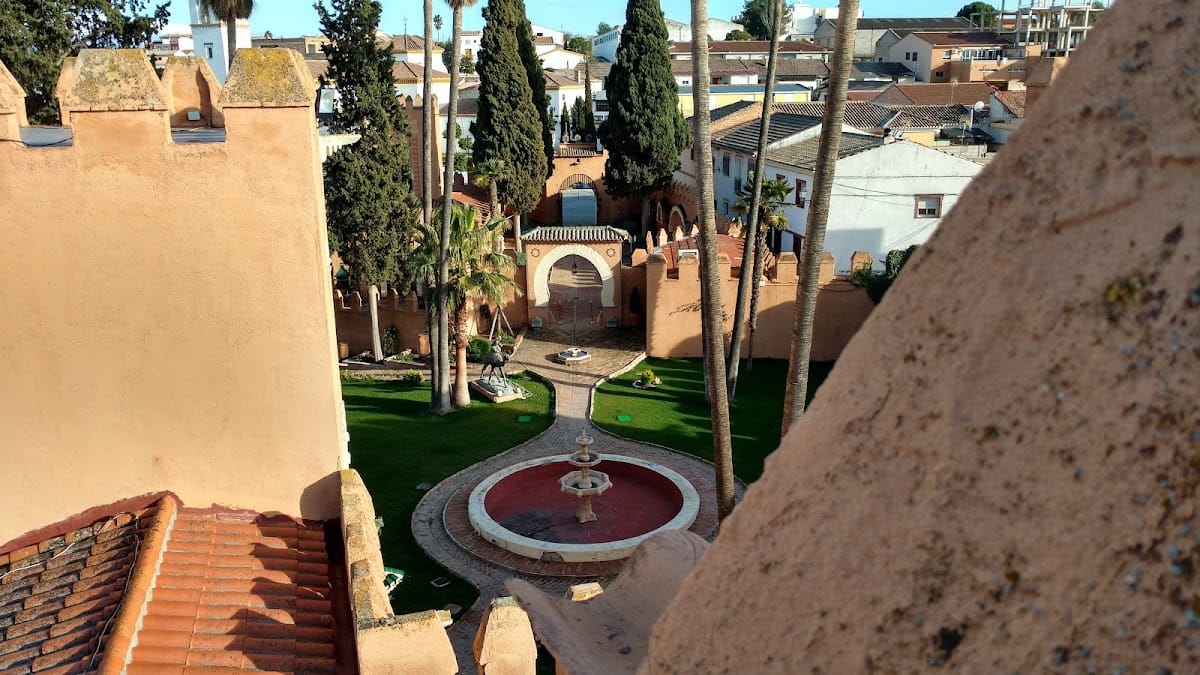
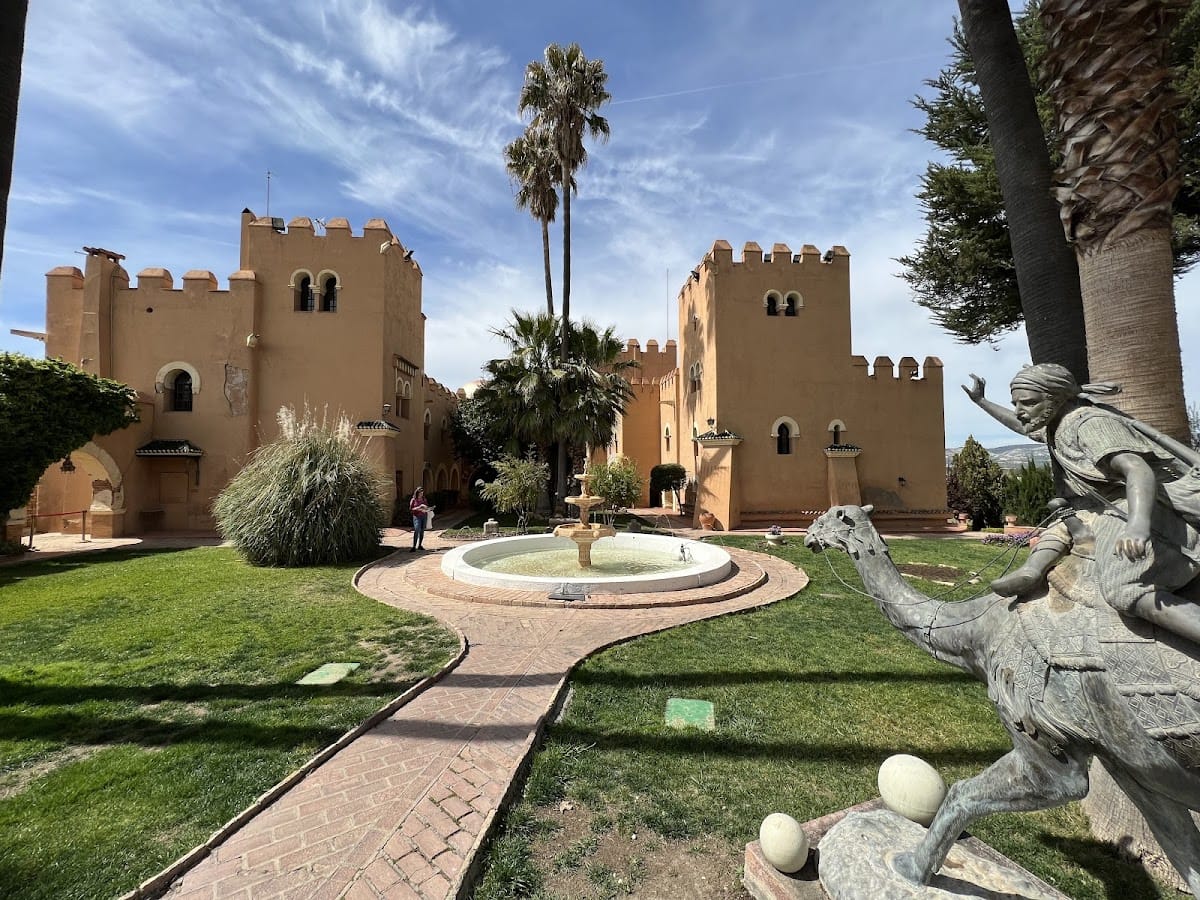
The castle occupies almost an entire urban block in Láchar, bounded by Real, Castillo, Huerta, and Íllora streets and Picasso Square. It stands approximately 400 metres from the Genil River. The fortified enclosure was later converted into a small palace, or palacete, in a Neo-Arabic and Arabesque-romantic historicist style. The built area covers about 1,750 square metres and includes four large salons furnished with Arabesque-style antiques, six bedrooms, associated servants’ rooms, and a very large elevated terrace.
Surviving medieval element
Only a few original elements survive from the earlier structure, including a tower dated to 1500. This surviving tower provides a physical link with the period when the enclosure was rebuilt after the Christian conquest, while the rest of the complex is chiefly shaped by the later palace reconstruction.
Interior features and gardens
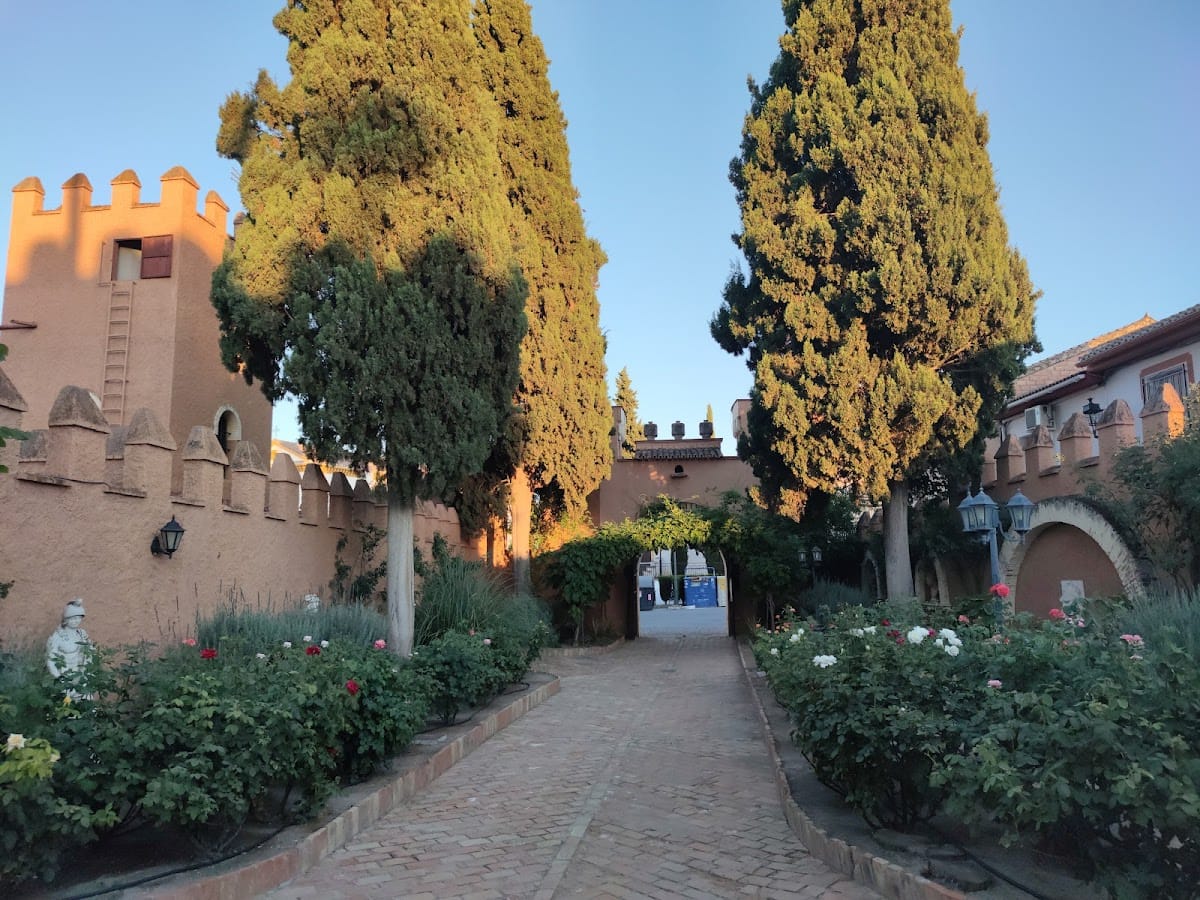
The principal bedroom, where the king stayed, contains tapestries depicting the history of the castle and the lords of Láchar. A very large bronze bed dominates the suite. Outside, the castle’s gardens cover approximately 6,300 square metres and are entirely enclosed by a wall about four metres high.
Sorolla’s site-related painting
Chapel of the Láchar Estate, painted by Joaquín Sorolla in 1917, is closely connected with the castle’s early twentieth-century history. The work was produced during the painter’s stay at the estate in connection with one of Alfonso XIII’s hunting expeditions.
Nearby sites