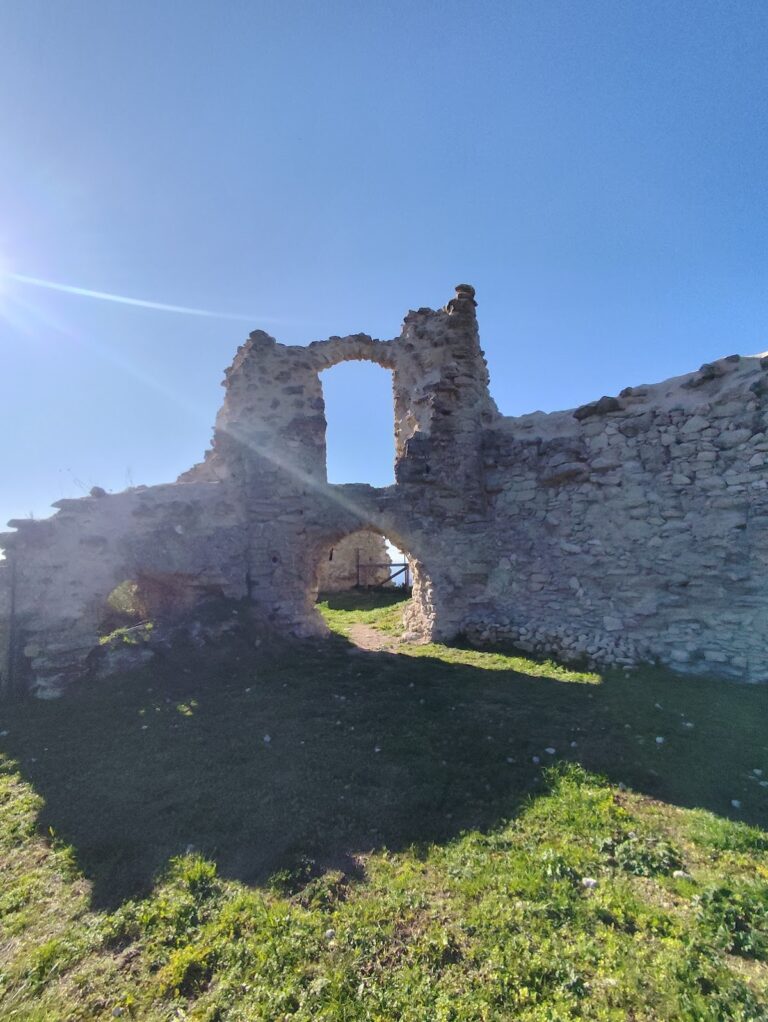
Castello della Valle: A Hilltop Fortification in Calabria


Site at a Glance
- Rating
- 4.6
- Popularity
- Low
- Country
- Italy
- Primary era
- Medieval
- External website
- Open
- Eras represented
- Medieval, Early Modern, Modern
- Civilizations
- Kingdom of Naples, Kingdom of Sicily, Spanish
- Site type
- Military
- Remains
- Castle
On this page13 sections
History
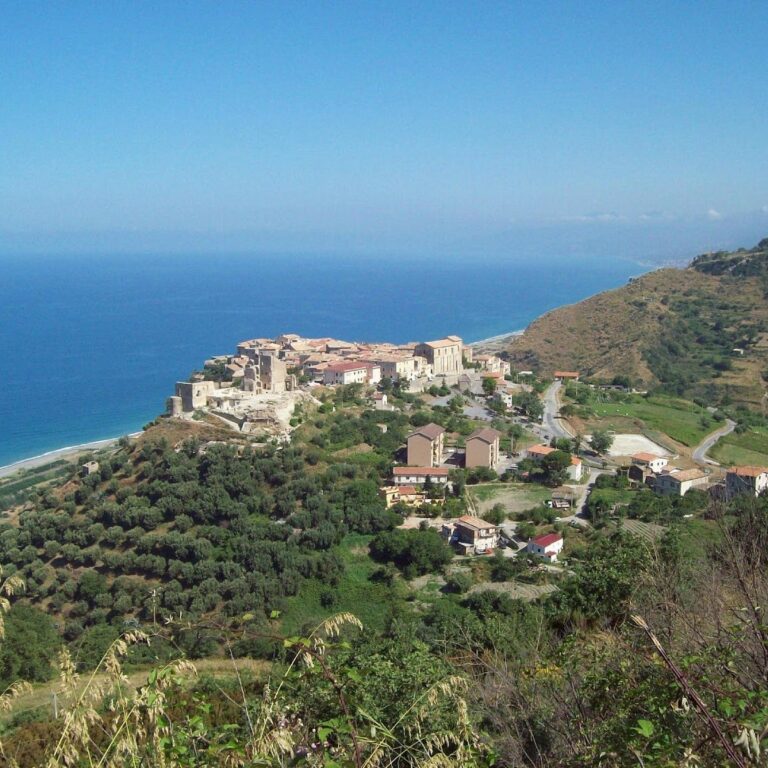
Castello della Valle is a hilltop castle ruin in Fiumefreddo Bruzio, Italy, founded in 1201 and developed through construction and alteration from the thirteenth to the sixteenth century. It controlled the coastal road and the route toward the inland area, giving the fortress an important position in the movement across Calabria.
Medieval Fortress and Renaissance Residence
The castle began as a medieval stronghold and continued to change over several centuries. In 1531, Charles V, the Habsburg Holy Roman Emperor, granted the fief of Fiumefreddo to the marquis Hernando de Alarcón. Under Alarcón, the castle was modernized as a residence in the late-Renaissance style, the elaborate sixteenth-century phase of Renaissance architecture and decoration.
Napoleonic Siege and Destruction
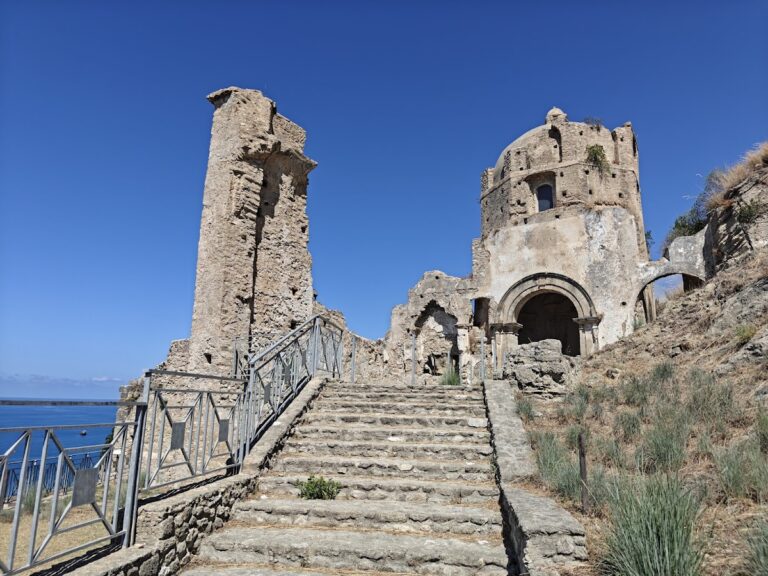
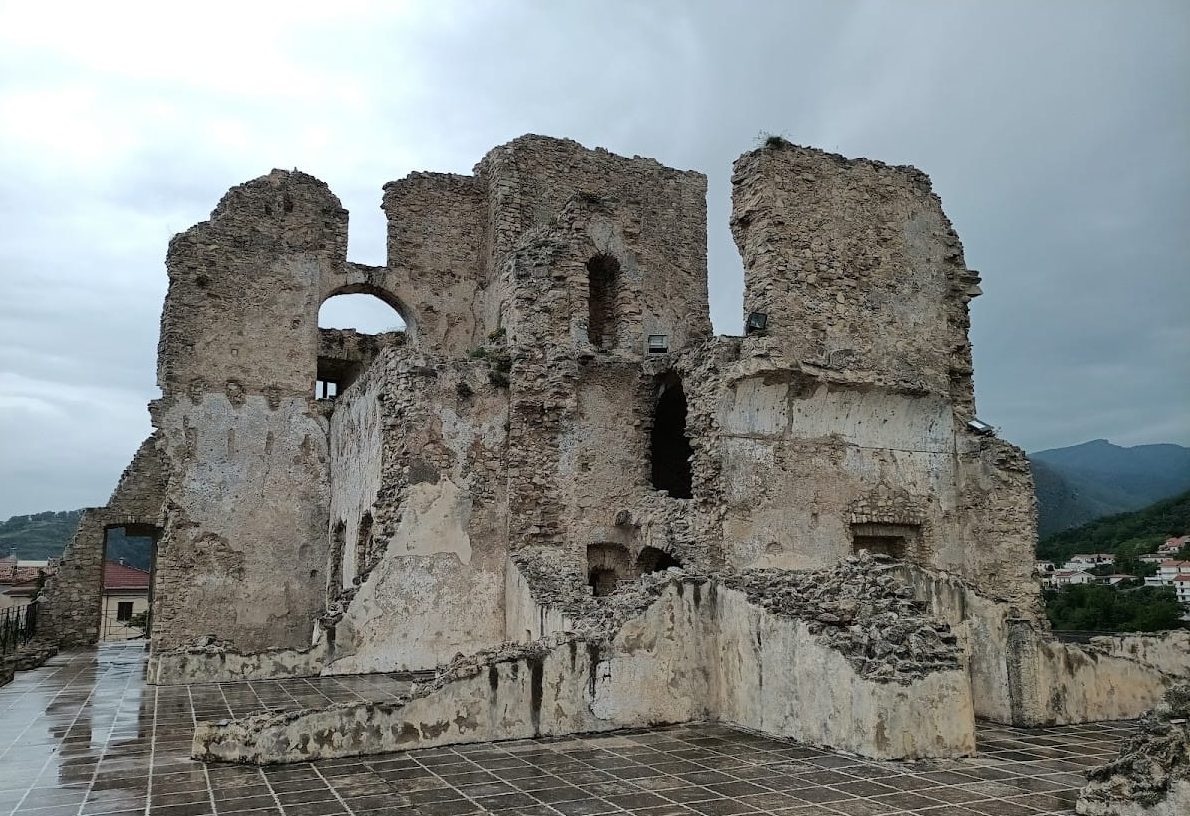
Napoleonic troops besieged the castle and the surrounding area in 1806–1807. Fiumefreddo was defended by Giovanni Battista de Micheli, vice-president of the province of Calabria Citra, but capitulated on 12 February 1807. The siege left the castle almost completely destroyed. Cannon impacts made by the French troops under General Renyer remain visible despite later restoration.
Modern Artistic and Commemorative History
Beginning in 1975, the Italian painter and sculptor Salvatore Fiume contributed paintings and sculptures to the castle and to the historic center of Fiumefreddo. He painted interior and some exterior walls, decorated the vault of the Chapel of Saint Roch with frescoes in 1977, and repainted the castle’s interior walls in 1996 after the original frescoes had been destroyed by exposure to weather. His frescoes later underwent extensive restoration as they began to fade.
A municipal resolution of 26 November 2006 declared the ruin a “Monument Against All Wars.” The castle is also identified as Italian national heritage. Two bronze sculptures associated with Fiume’s work were eventually moved to the municipal council chamber.
Remains
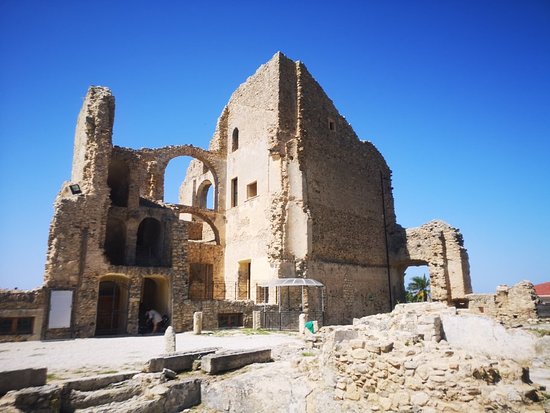
Castello della Valle survives as a partially ruined quadrilateral fortification, meaning a four-sided castle plan strengthened by towers at the corners. Its masonry and rubble-stone construction define the remaining structure, which stands at approximately 176 metres above sea level. The surviving fabric combines the defensive arrangement of the medieval castle, the sixteenth-century residential modernization, the damage caused by the Napoleonic siege, and later artistic interventions.
Fortification and Interior Areas
Corner Towers and Entrance Portal
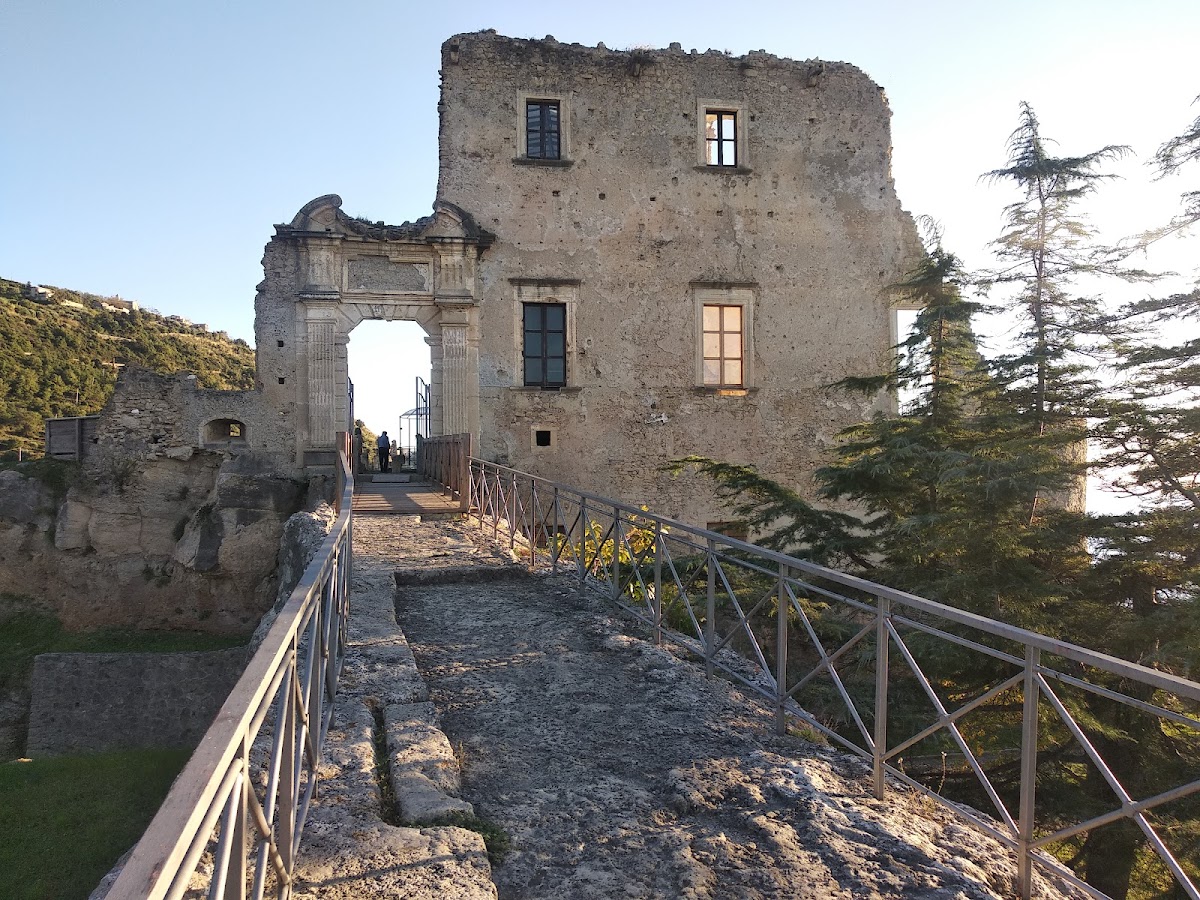
The castle’s four-sided plan is organized around corner towers and walls built from masonry and rubble stone. The entrance portal belongs to the sixteenth-century conversion of the fortress into a residence and has a style inspired by Michelangelo. Cannon impacts from the 1806–1807 siege remain in the restored fabric, linking the portal and surrounding walls to the castle’s military destruction.
Underground Areas
The underground areas form part of the surviving castle and are partly accessible. They are considered the only portion of the complex entirely recoverable, giving them a distinct place within the ruined structure.
Painted and Sculptural Spaces
Painted Hall
A hall that was once roofless was later restored and covered. Its walls carry Fiume’s paintings, which depict the artist’s dream of Fiumefreddo. The restored enclosure preserves this modern artistic interpretation within the historic castle.
Room of Wishes
The Room of Wishes is a major artistic room within the ruin. Paintings cover its surviving wall surfaces, while two sculptures dedicated to life in the past form part of the artistic composition.
Chapel of Saint Roch
The Chapel of Saint Roch is a distinct component of the castle complex. In 1977, Fiume decorated its vault with frescoes, wall paintings made on fresh plaster so that the pigment becomes integrated with the surface as it dries. The frescoes were later extensively restored as they faded.
Bronze Sculptures
During the 1990s, one bronze sculpture was placed in each of two panoramic squares overlooking the Tyrrhenian Sea. Both works were later transferred to the municipal council chamber, where they remain associated with Fiume’s contribution to the castle and the town.