Château de Chazey-sur-Ain: A Medieval Fortified Castle in France


Site at a Glance
- Rating
- 4.4
- Popularity
- Low
- Country
- France
- Primary era
- Medieval
- Eras represented
- Medieval
- Civilizations
- Duchy of Savoy, Holy Roman Empire
- Site type
- Military
- Remains
- Castle
On this page8 sections
History
Château de Chazey-sur-Ain is a medieval fortified castle in France, founded in the twelfth century by the lords of Coligny as a seigneurial residence. It became the center of the lordship of Chazey, whose holder exercised full judicial jurisdiction.
From the Coligny lords to the Dauphins of Viennois
At the beginning of the thirteenth century, Béatrix de Coligny brought the lordship to Albert III de La Tour du Pin as her dowry. Albert later left it to his son Humbert, the Dauphin of Viennois. A dauphin was the designated heir to a crown, and the title Dauphin of Viennois was associated with the Dauphiné. In 1349, Humbert II, the last Dauphin of Viennois, gave the lordship to King Philippe VI de Valois.
The Savoyard succession
Under the Treaty of Paris of 5 January 1355, King Jean and his son, the dauphin, transferred the lordship by exchange to Count Amédée VI of Savoy. Amédée then granted it to Jean, lord of Crangeac and a knight. Jean was followed first by his elder son Antoine and then by his younger son Pierre. Enfeoffment was the granting of a lordship by a superior lord to a subordinate holder in return for recognized obligations.
When Pierre died without issue in 1439, his wife Jeanne de Varax retained the lordship through her dotal rights, the legal property rights connected with her dowry. She later left it to her nephew Georges de Varax, who received its enfeoffment in 1441.
From the fifteenth century to the Estates General
On 24 January 1462, Georges de Varax transferred the lordship to Philippe II of Savoy, Count of Bâgé. Philippe gave it to his daughter Philiberte of Savoy, the wife of Julien de Médicis, Duke of Nemours. Philiberte had no descendants and appointed her brother Charles, Duke of Savoy, as her heir. Charles was born at the castle on 10 October 1486, when it was known as Château de Chazey-en-Bugey.
The dukes of Savoy retained the lordship within their domain until Emmanuel-Philibert transferred it in 1571 to Jacques of Savoy, Duke of Nemours. Jacques sold it with a redemption clause to Bénigne Pastey, treasurer and receiver general of finances, on 7 August 1580. Pastey’s successor in ownership was Renaud de Cremeaux, to whom it was sold on 30 June 1615. Renaud, lord of La Grange, Saint-Urbain, and Charnay, was also a maître de camp, a senior French military rank broadly comparable to a colonel. His descendants retained the lordship until the convocation of the Estates General, the representative assembly of the clergy, nobility, and Third Estate before the French Revolution.
Alterations and protection
The castle was remodeled during the fifteenth century and restored during the nineteenth century. It is now owned by a public institution. An order dated 18 February 1987 entered Château de Chazey-sur-Ain on France’s register of historic monuments.
Remains
The fortified castle
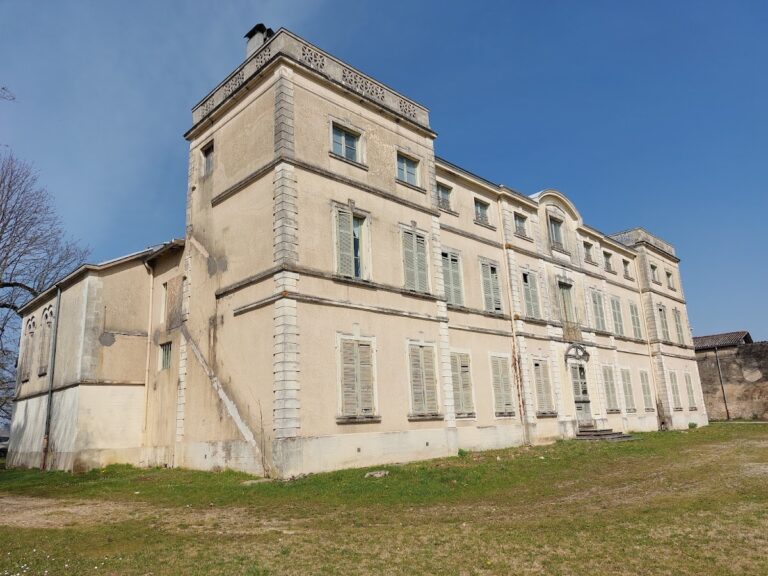
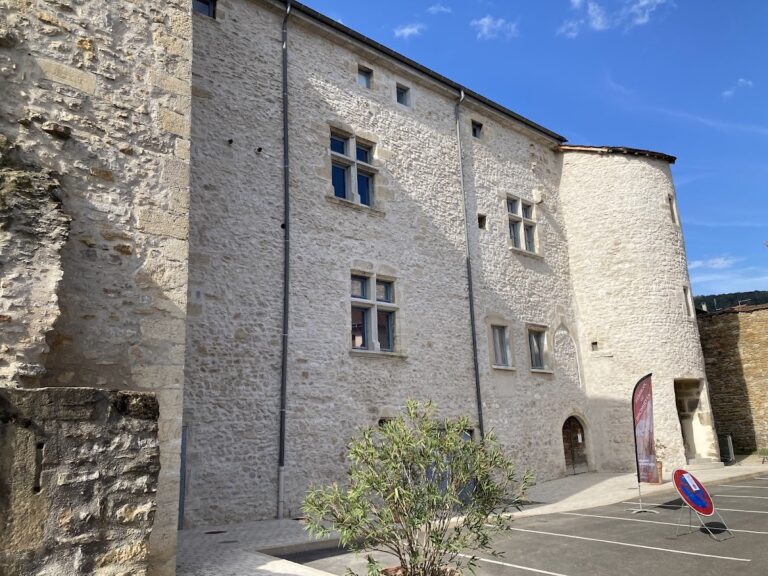
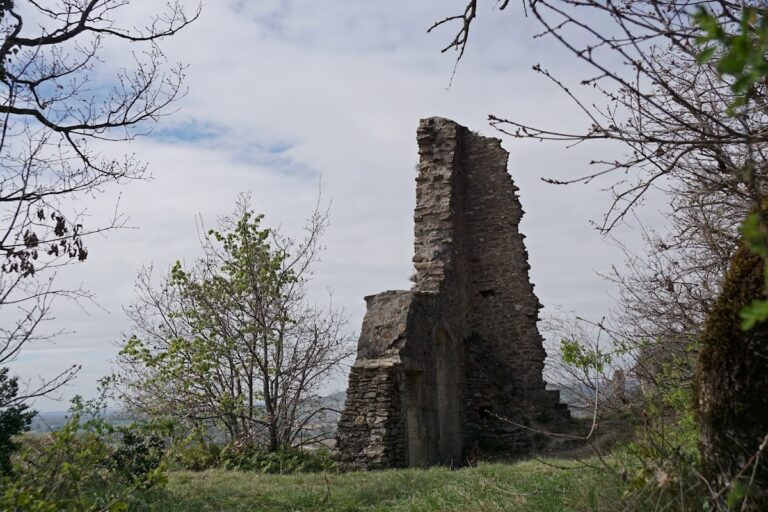
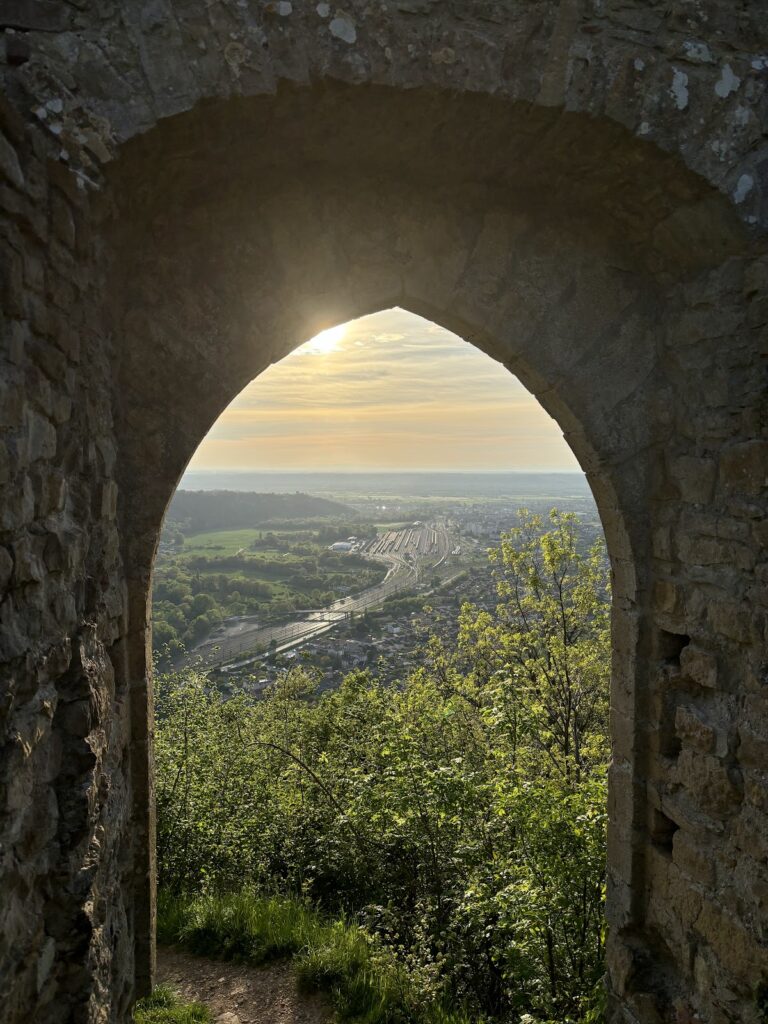
The medieval castle stands in the highest part of the village of Chazey-sur-Ain, in the Ain department of the Auvergne-Rhône-Alpes region. The present building was reconstructed on the remains of the ancient residence. Its surviving character reflects its original role as a seigneurial residence and fortified medieval castle, while the fabric also incorporates the fifteenth-century remodeling and nineteenth-century restoration.
The chapel of Our Lady of Pity
A chapel dedicated to Our Lady of Pity stood near the parish church during the fifteenth century. It had been founded by the former lords of the castle and possessed an endowment consisting only of a rent of ten écus. By 1655, religious services were no longer being held there.