Castillo de Mata: A Historic Fortification of Las Palmas de Gran Canaria
Site at a Glance
- Rating
- 4.2
- Popularity
- Low
- Country
- Spain
- Primary era
- Early Modern
- External website
- Open
- Eras represented
- Early Modern
- Civilizations
- Crown of Castile, Spanish
- Site type
- Military
- Remains
- Fort
On this page9 sections
History
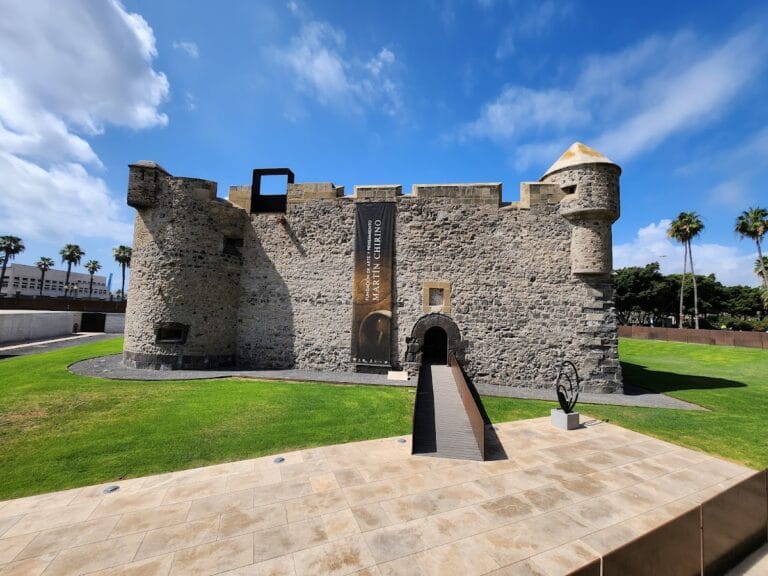
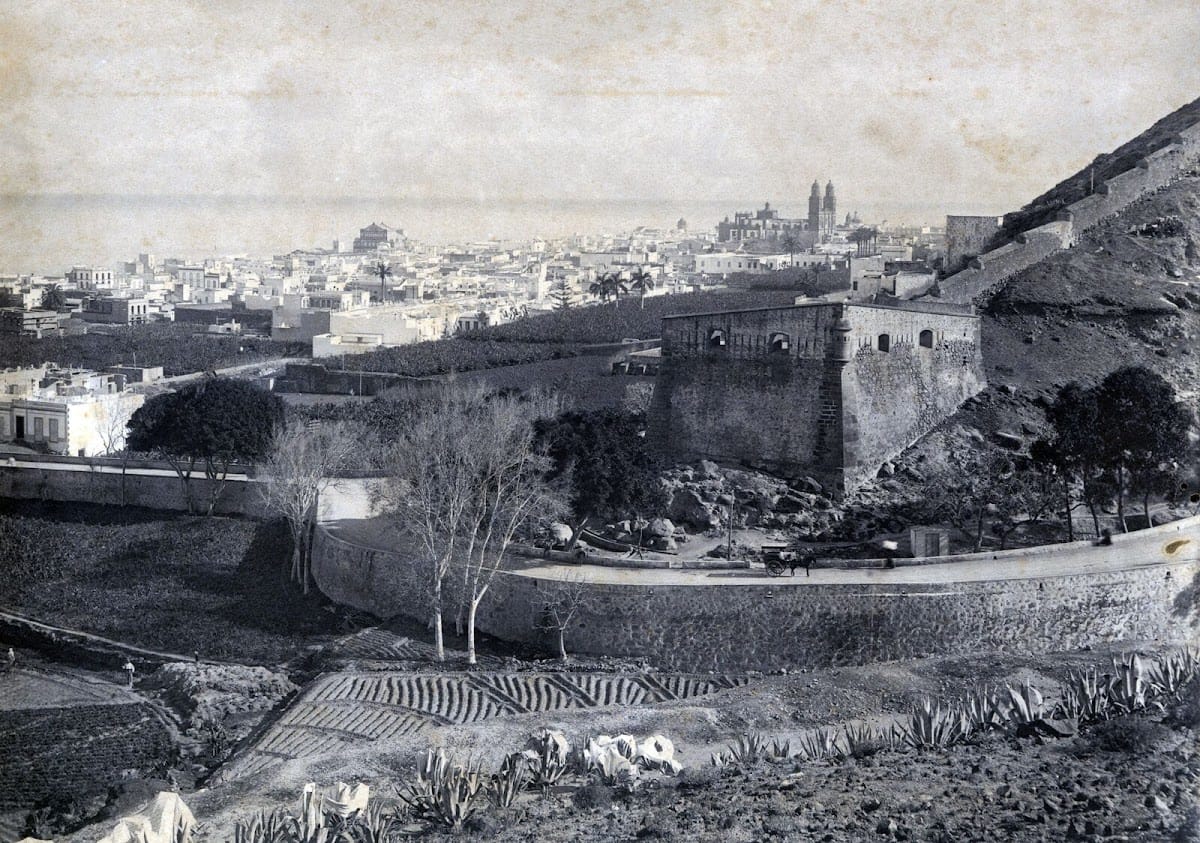
Castillo de Mata is a military fortification in Las Palmas de Gran Canaria, Spain, forming part of the historic Muralla de Las Palmas, the city’s defensive wall. Its first tower was designed in 1577 by the engineer Juan Alonso Rubián as a round defensive structure at the end of the wall. After suffering damage during the Dutch attack of 1599, it was rebuilt as a casemate fortification to protect the city wall.
Foundation and reconstruction
The original fortification was a small round tower, known as a cubelo, positioned at the end of the city’s wall. Its defensive role became especially important during the assault led by Pieter van der Does, the Dutch admiral who commanded the fleet that attacked Las Palmas in 1599. The tower was damaged during the fighting. After the Dutch were defeated in the area, Francisco de la Rúa rebuilt it as an enclosed gun position, giving it the name Castillo de Casa Mata, later shortened to Castillo de Mata.
Fray José de Sosa, a Franciscan chronicler of the Canary Islands and their fortifications, described the rebuilt castle as small but exceptionally strong. He noted that its artillery made entry into the city more difficult by directing fire across the outer face of the wall. The casemate arrangement allowed artillery and its crew to operate from protected chambers, while the fort’s position enabled it to contribute directly to the defense of the city perimeter.
Eighteenth-century improvements
Until 1780, the fortification retained a relatively limited arrangement. It had a poor niche beneath the terreplein, a raised area supporting defensive works, an entrance level reached through the gorge, and a wooden covering over the powder storage. A small guardhouse made of stone and mud stood against the inner side of the terreplein at the gorge.
Major reconstruction and improvement took place in 1780. The works included the parapets, gun openings, artillery platforms, firing steps, connecting stairs, powder magazines, equipment stores, and guardhouse. The parapets were also fitted with loopholes for infantry fire and raised to shield defenders from fire directed at the height of the front.
Military service and later interpretation
Castillo de Mata accommodated units of the Spanish Army’s artillery corps until 1976. It was then transferred to the Spanish Legion, an elite Spanish Army infantry force, which used it as a support element for the Third Tercio, “Don Juan de Austria.” This role followed the unit’s withdrawal from Spanish Sahara and continued until 1997.
The fortification received legal protection as a Historic-Artistic Monument on 22 April 1949, under the general protection granted to Spanish castles by the decree issued that day. It was also covered by Spain’s 1985 Historical Heritage Law and became an Asset of Cultural Interest in the monument category in 1993, under register code RI-51-0008261.
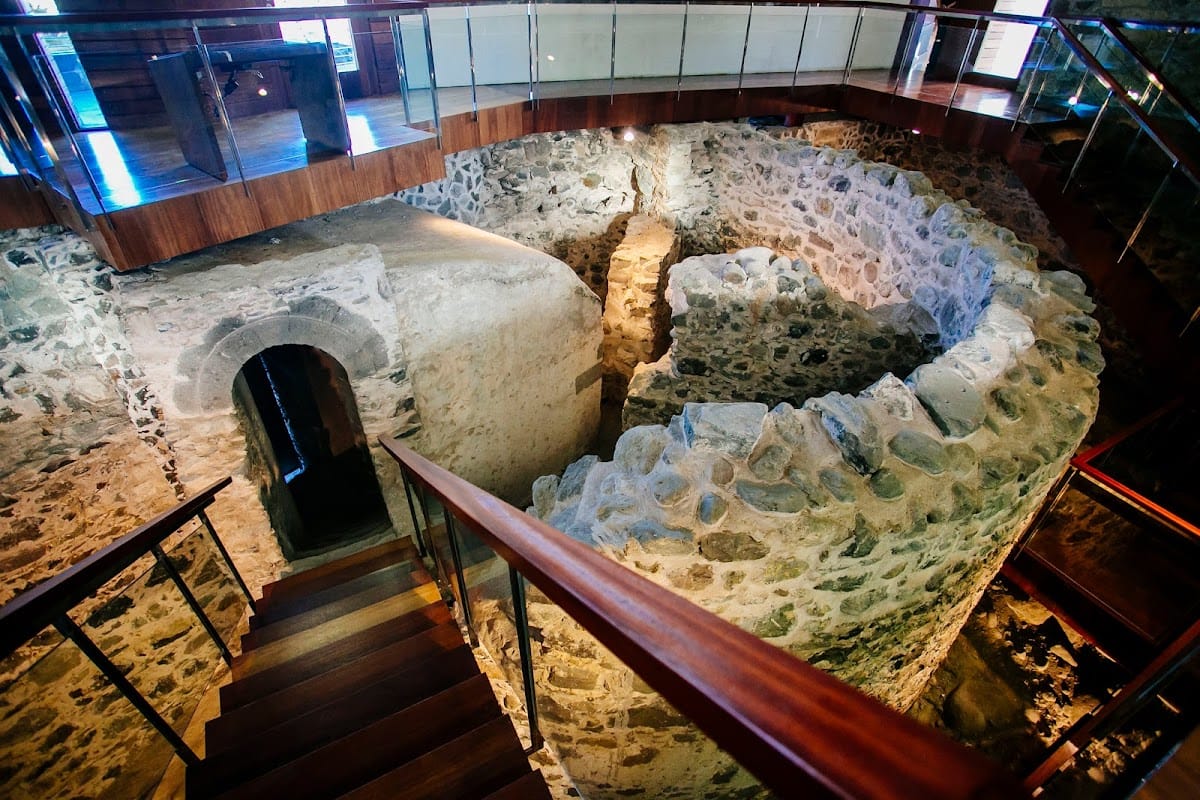
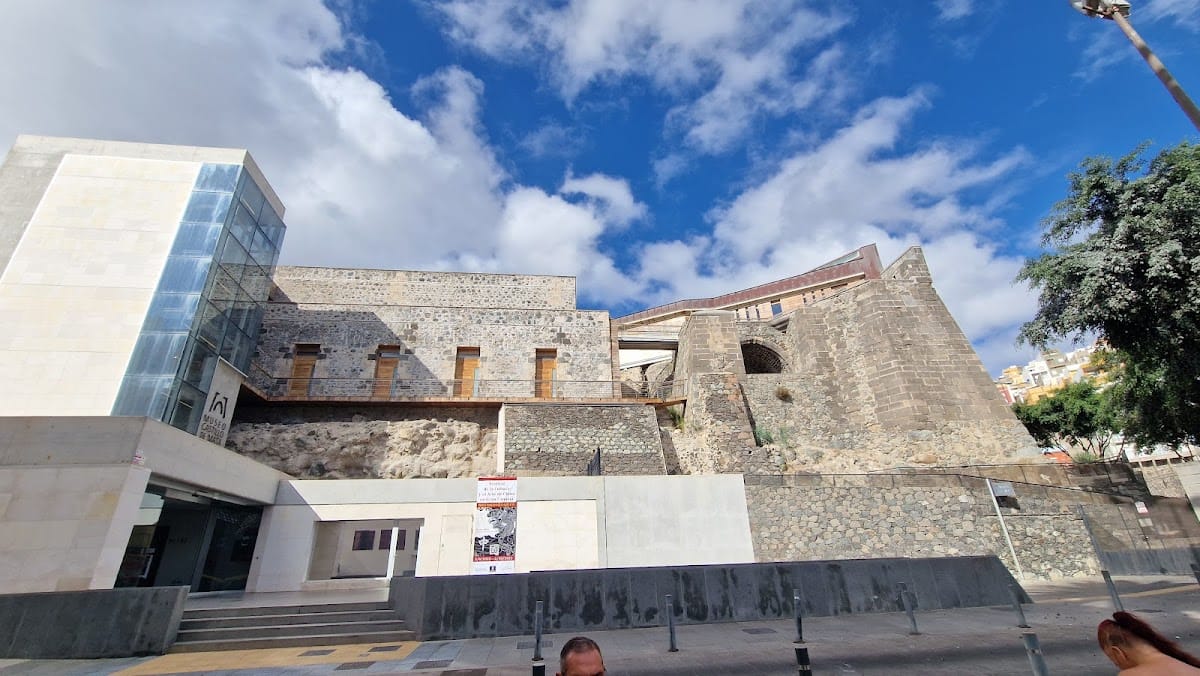
An archaeological intervention in 2002 revealed the original round tower. Further archaeological work supported the restoration and rehabilitation of the fortification, culminating in the creation of a site museum inaugurated on 18 March 2015. The project’s principal design was developed by the art historian Ángeles Alemán. The museum interprets the castle and its archaeology alongside the history of Las Palmas de Gran Canaria and the city’s relationship with the sea, from its foundation to the present.
Beside Plaza de Nuestra Señora del Pino, Castillo de Mata also retains a religious association with the city. It is the traditional place for the official welcome given to the Virgin of the Pine when the statue descends from its basilica in Teror to Las Palmas de Gran Canaria.
Remains
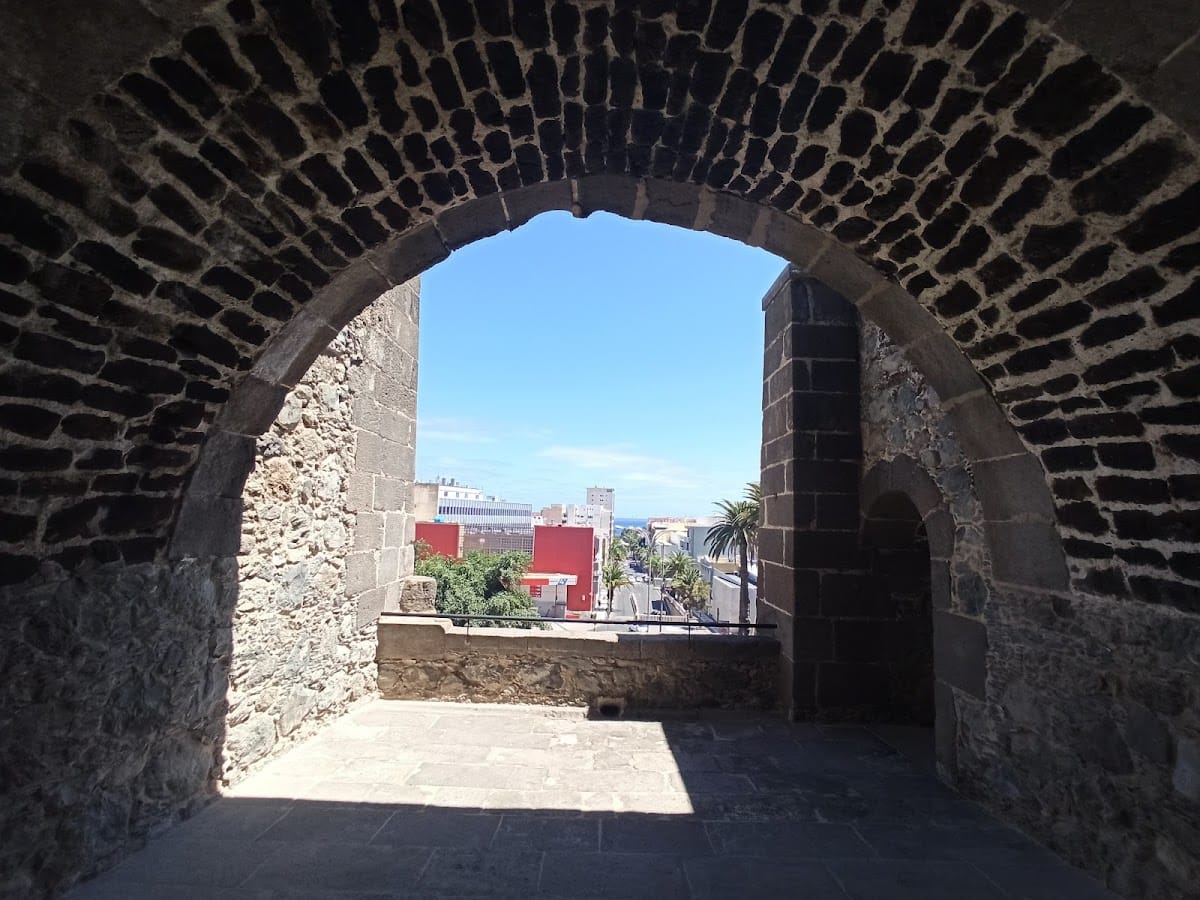
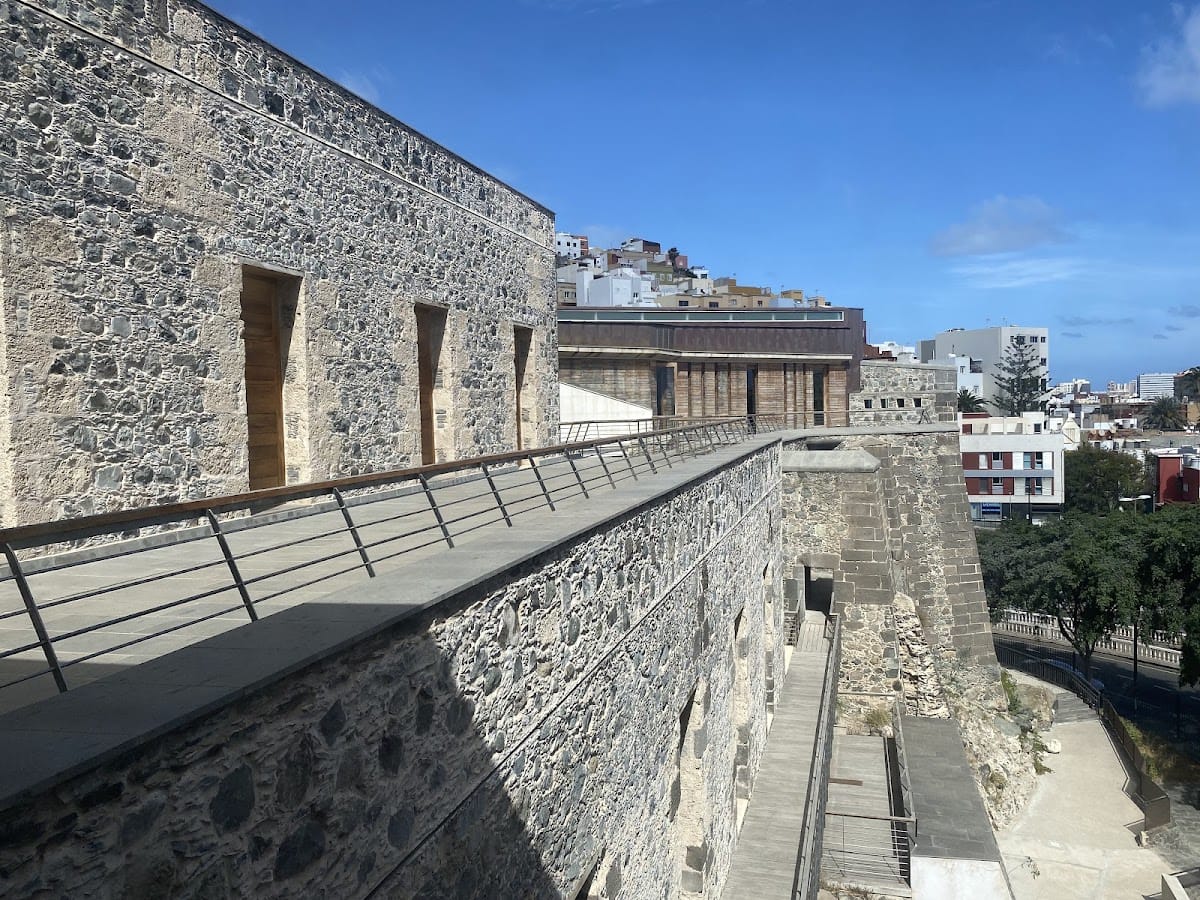
Castillo de Mata survives as a layered military complex within the line of the Muralla de Las Palmas. Its physical history can be read through the original round tower, the later casemate fortification, and the defensive installations associated with the terreplein. Archaeological rehabilitation has incorporated these remains into the museum interpretation of the site.
Fortification structures
Original round tower
The earliest surviving component is the small round tower, or cubelo, built at the end of the city wall in 1577. Archaeological work in 2002 brought the tower to light, and it now forms part of the material remains preserved and interpreted through the later museum project. Its circular form reflects the first stage of the site’s development before the fort was rebuilt for enclosed artillery use.
Casemate fortification
The later castle was constructed in casemate form, with fortified chambers designed to protect artillery and its crews while allowing guns to fire through openings in the defensive structure. The fort could accommodate two or three artillery pieces and was equipped with nine cannons. This rebuilt form gave the castle its function as a protected gun position guarding the wall.
Defensive works and support spaces
The fortification included a terreplein, parapets, embrasures, artillery platforms, firing steps, and stairs linking its different levels. Powder magazines and equipment stores supported the operation of the guns, while a guardhouse served the troops stationed there. The early guardhouse was a simple stone-and-mud structure attached to the inner side of the terreplein at the gorge, and the powder storage was initially protected by a wooden cover. The later parapets incorporated loopholes for infantry weapons, and the castle received several further additions over time.