Boosenburg: A Medieval Lowland Castle and Wine Estate in Germany
Site at a Glance
- Rating
- 4.2
- Popularity
- Very Low
- Country
- Germany
- Primary era
- Medieval
- Eras represented
- Medieval, Modern
- Civilizations
- German, Holy Roman Empire
- Site type
- Military
- Remains
- Castle
On this page11 sections
History
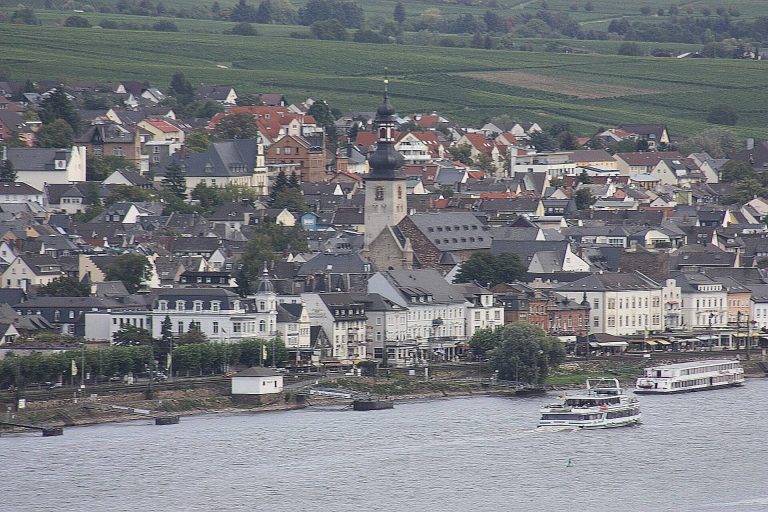
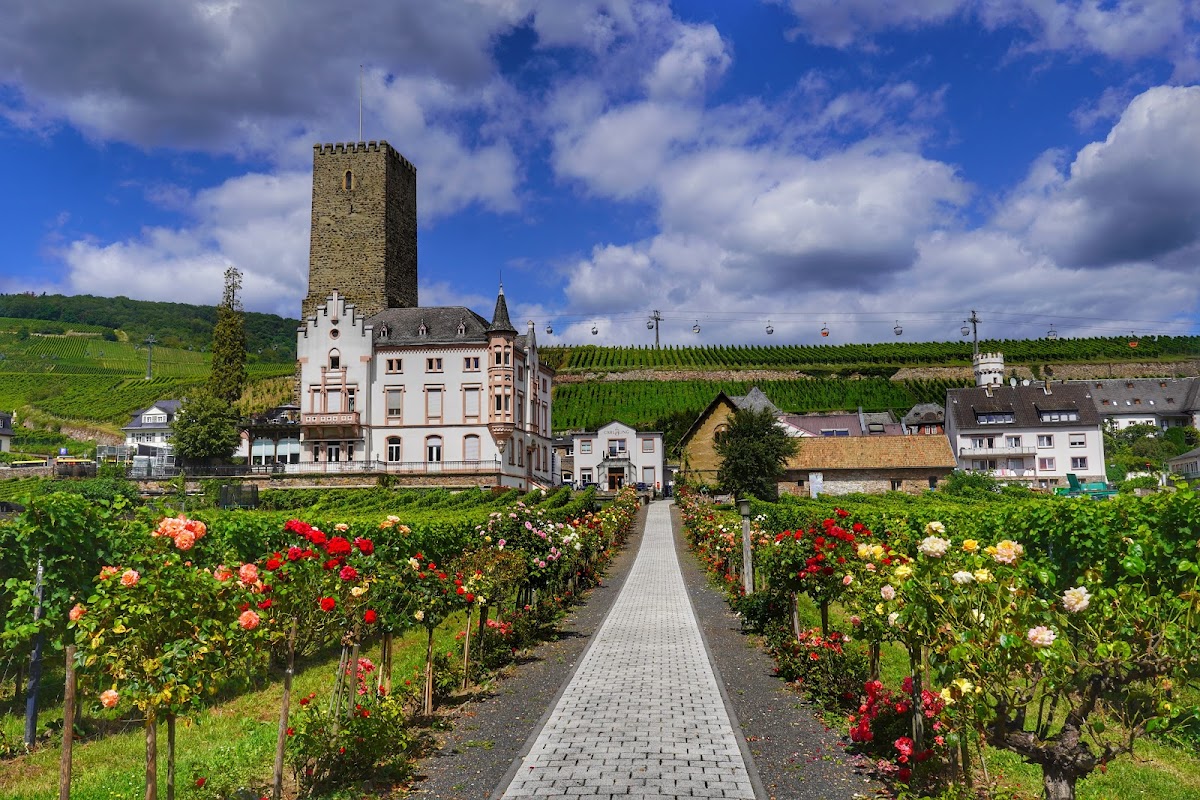
Boosenburg is a medieval lowland castle in Germany, located at Rüdesheim am Rhein on the right bank of the Rhine valley. Probably built during the twelfth century, possibly late in that century, it may have served as the seat or family residence of the knight Fuchs of Rüdesheim. Also known locally as Oberburg, meaning “upper castle,” it stands near and slightly above Brömserburg.
Medieval ownership
In 1407, Boosenburg passed by bequest to the noble Brömser von Rüdesheim family. From 1474 until 1830, the castle belonged to the Boos von Waldeck family. Additional residential buildings were added during the late Middle Ages, while further structures within the complex were erected in later centuries.
Nineteenth-century transformation
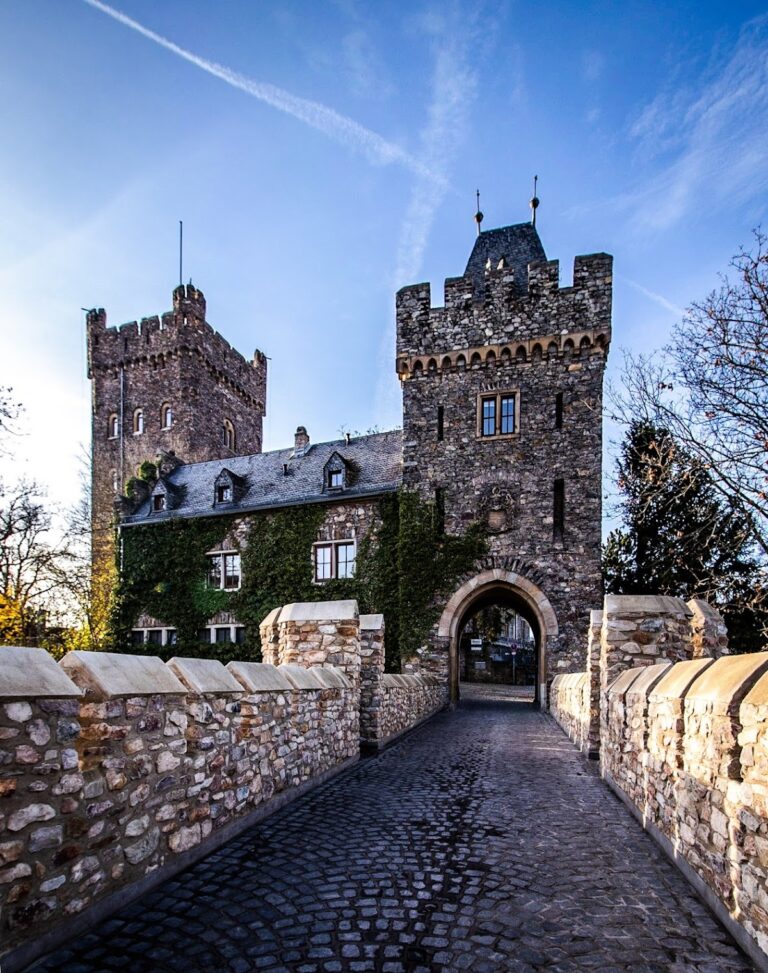
Ownership passed to the counts of Schönborn-Wiesntheid in 1830. In 1838, they demolished the surrounding buildings and substantially raised and remodelled the bergfried, the principal defensive tower of a medieval German castle. Its new crenellations and other decorative features reflected the Gothic Revival, a nineteenth-century movement that revived medieval Gothic forms.
After 1860, the wine merchant Baptist Sturm acquired Boosenburg and had the moat converted into a vaulted wine cellar. His widow commissioned a Gothic Revival villa, completed in 1872 to designs by Franz Schädel. The castle subsequently became closely associated with winemaking. In 1938, the wine merchant Carl Jung acquired Boosenburg, which then remained with his descendants and the Carl Jung winery.
Music and heritage status
The Jung family used its residence for chamber-music concerts. During the 1940s, Carl Jung’s son Hans Otto Jung, a founding member of the jazz group Hotclub Combo, performed there with notable musicians on two Steinway pianos. His son Edu Jung, also a jazz musician, later opened the venue to concerts organised by the Volkshochschule, an adult-education institution.
Since 2002, Boosenburg has formed part of the UNESCO World Heritage Site of the Upper Middle Rhine Valley. UNESCO World Heritage status recognises cultural or natural places judged to possess outstanding universal value and places them within an international framework for recognition and protection.
Remains
Castle layout and medieval defenses
Bergfried and surrounding structure
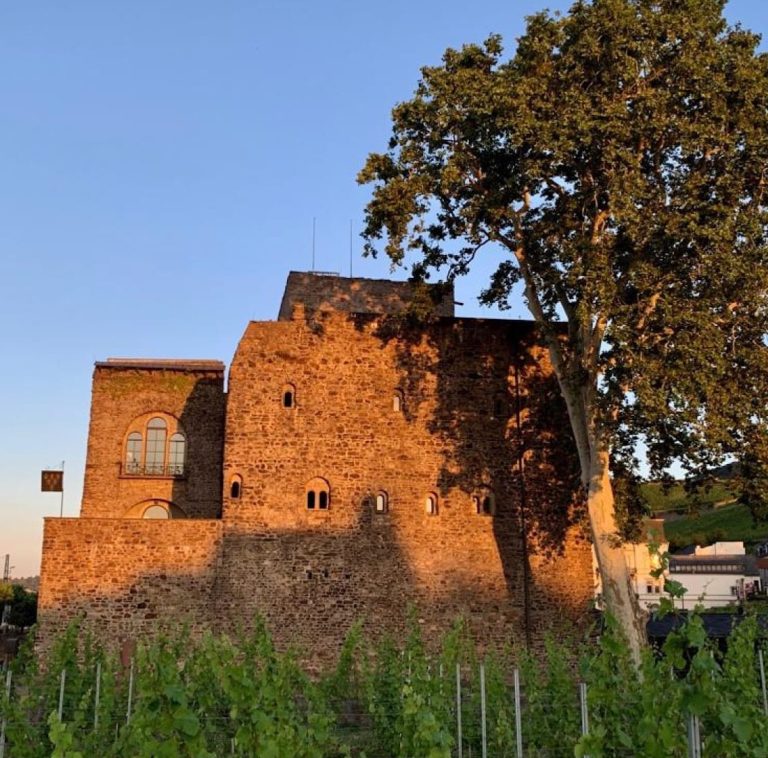
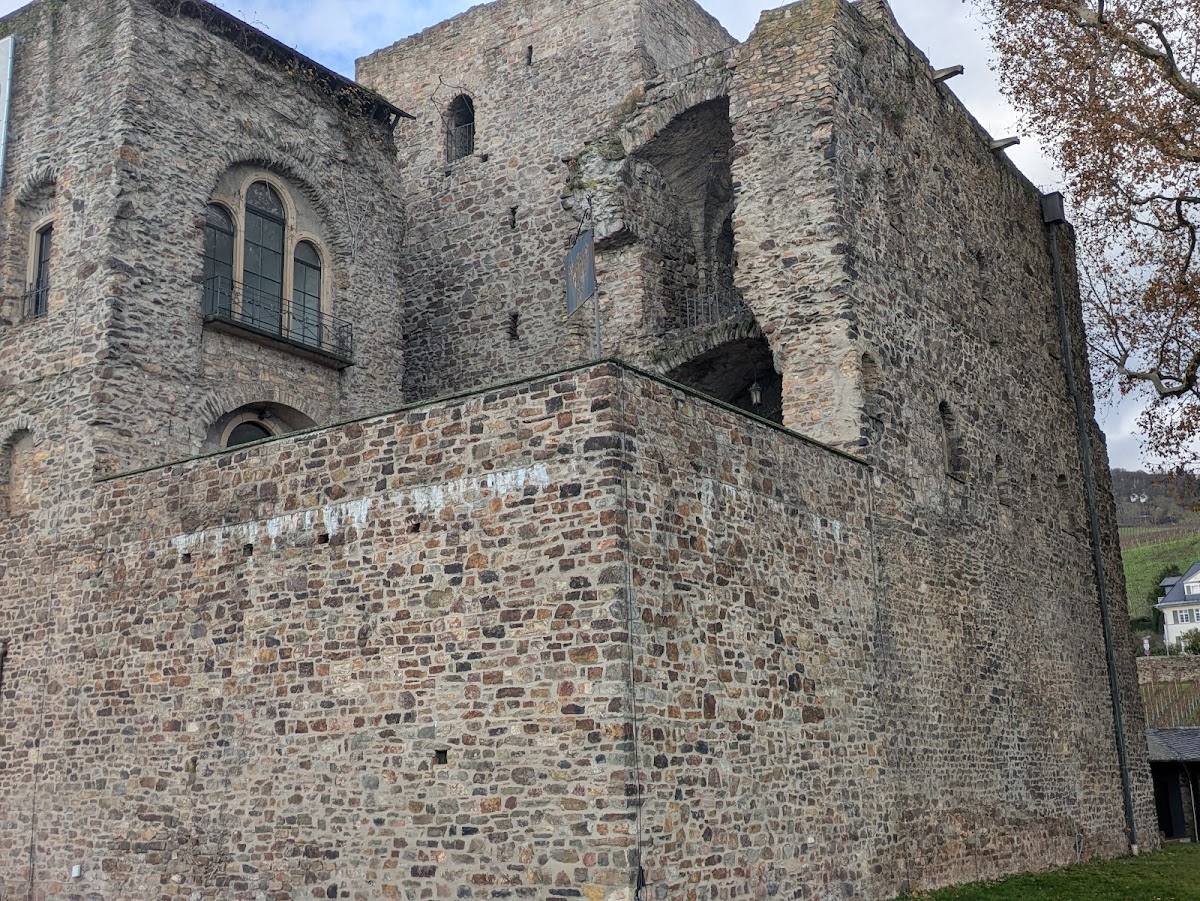
Boosenburg stands at approximately 90 metres above sea level and survives in substantial part. The medieval complex centred on a very high, double-stepped bergfried, a strong defensive tower rather than a permanent residential keep. A cube-shaped building surrounded the tower and contained the entrance. The castle’s stated construction materials are stone and brick.
Ring wall, moat, and entrance
A ring wall enclosed the castle, while a moat approximately nine metres wide protected it externally. A drawbridge provided access across the moat to the entrance within the surrounding building. After 1860, the moat was remodelled as a deep, vaulted wine cellar, giving this defensive feature a later role within the estate’s winemaking use.
Gothic Revival additions
Raised tower
The bergfried was substantially raised during the rebuilding of 1838. Gothic Revival crenellations were added to its upper part. These raised sections, known as merlons, stand between the openings called crenels, and form part of the tower’s nineteenth-century appearance.
Villa
A Gothic Revival villa was erected at Boosenburg in 1872. Designed by Franz Schädel, it belongs to the later residential phase of the site and forms part of the surviving castle estate alongside the medieval tower and the converted cellar.