Castello di Rende: A Norman Fortress and Contemporary Art Museum in Italy

Site at a Glance
- Rating
- 4
- Popularity
- Very Low
- Country
- Italy
- Primary era
- Medieval
- External website
- Open
- Eras represented
- Medieval
- Civilizations
- Norman
- Site type
- Military
- Remains
- Castle
On this page7 sections
History
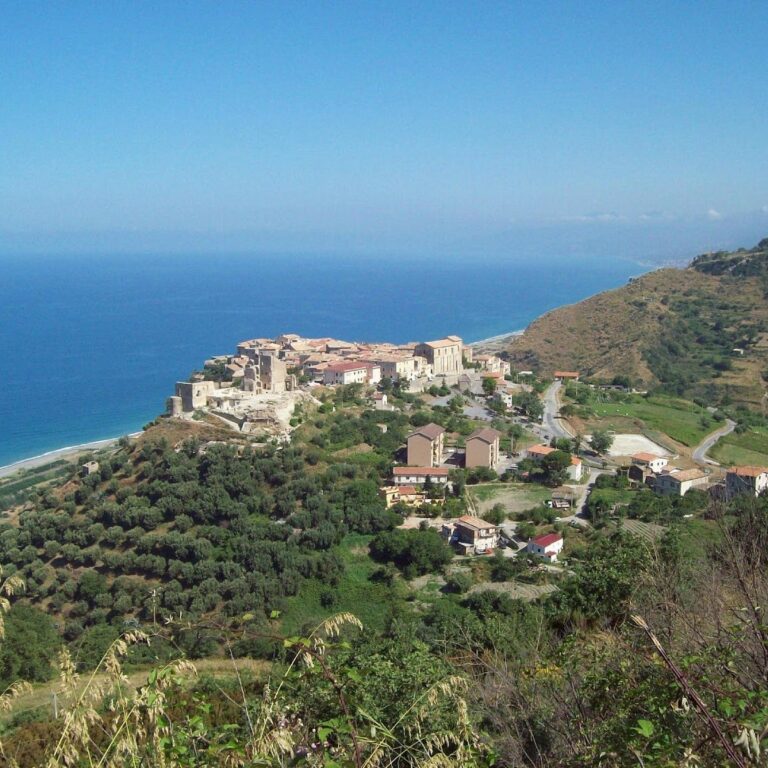
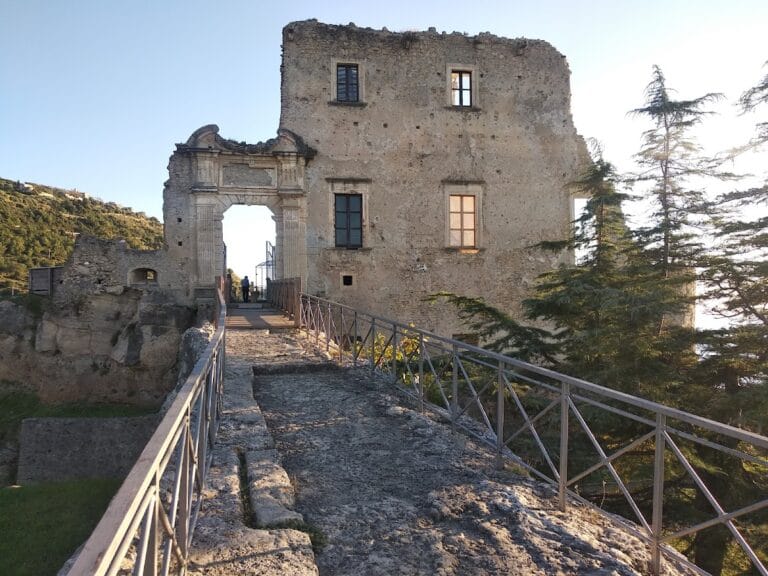
Castello di Rende, also called Castello Normanno, is an eleventh-century Norman fortress in Rende, Italy. Built in 1095 at the direction of Bohemond of Taranto, it protected the city and its inhabitants and became one of the earliest fortresses in Rende. The castle also served as a military base for preparing and departing for the First Crusade in 1096, commanded by Bohemond, a Norman leader who was also known as Bohemond of Hauteville.
A Norman defensive project
The castle and its surrounding walls formed the first part of a wider defensive scheme conceived by Bohemond’s father, Robert Guiscard. The plan aimed to establish a line of fortified positions across the Crati Valley, including Bisignano, Montalto Uffugo, Rende, and Cosenza. Robert Guiscard was a Norman ruler and military leader in southern Italy.
Successive rulers and changing uses
After its Norman phase, the castle passed to the Hohenstaufen, a German ruling dynasty that supplied several Holy Roman Emperors, including Frederick II. It later came under the Angevin and Aragonese ruling houses, and then the Adorno counts. In the modern period, the fortress was converted into a noble palace and became the property of the Alarcón y Mendoza and Magdalone families.
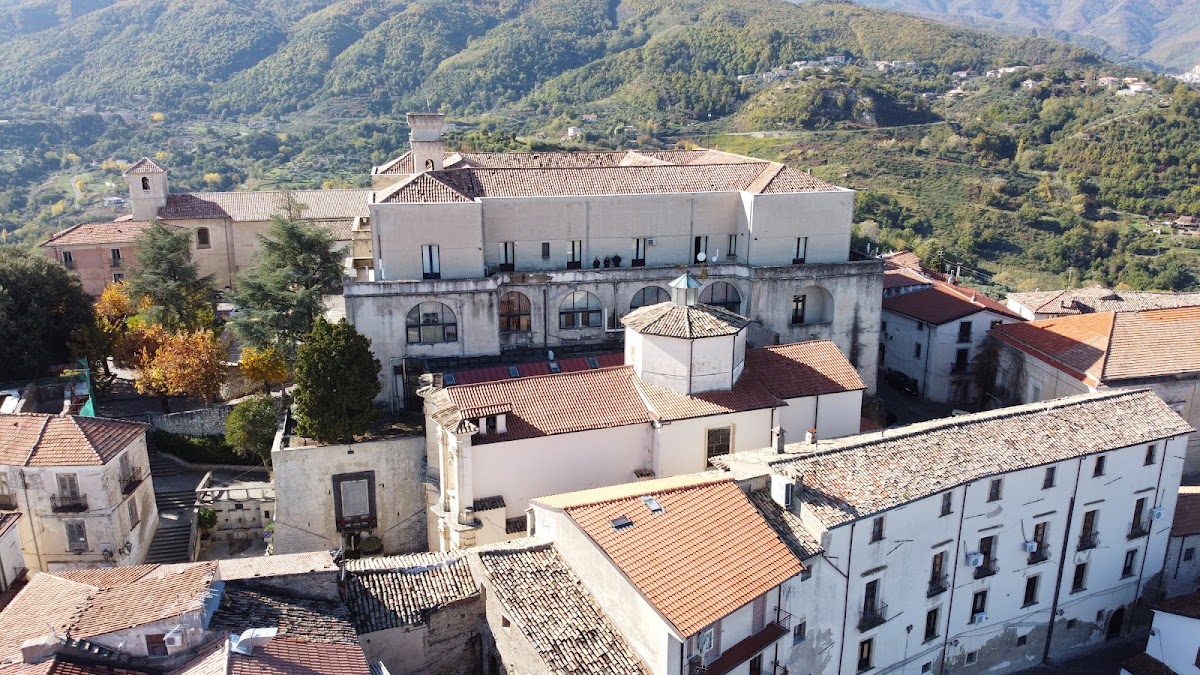
The Magdalones were the building’s last private residents. In 1922, the castle became Rende’s municipal seat and remained the town hall until 2011. Since 2012, it has housed the Bilotti Museum of Contemporary Art, founded through private donations by Roberto Bilotti Ruggi d’Aragona. The museum presents permanent and temporary exhibitions and serves as a cultural laboratory and venue for events, conferences, seminars, and workshops. Castello di Rende is recognized as Italian national heritage.
Remains
Fortifications and defensive systems
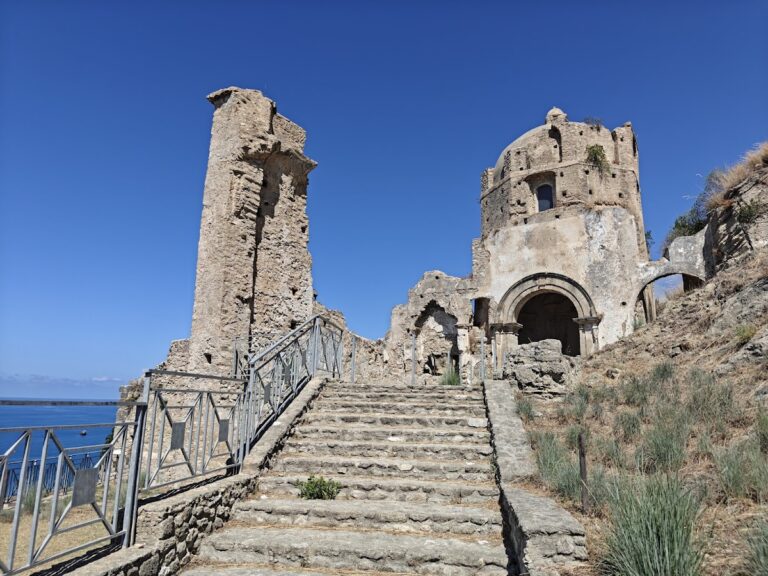
The fortress stands on a hill whose particular form made access difficult. Its walls are built of plastered brick masonry and are approximately two metres thick. The Norman builders did not excavate a moat, instead relying heavily on watchtowers and defended openings. Four watchtowers are identified around the castle, although the fortress may originally have had five. Their walls contained numerous loopholes, narrow openings that allowed weapons to be used while limiting the exposure of defenders.
The castle also retains numerous loopholes and small windows associated with attacks by bow from the balustrade. The central tower rises higher than the others, while two lateral towers formed especially effective defensive elements. Three towers visible around the complex later became part of the municipal coat of arms of Rende, a formal emblem of the town. The emblem was installed around 1222 during the inauguration of Cosenza Cathedral, in the presence of Frederick II.
Water storage and heraldic features
A large cistern, a reservoir for collecting and storing water, was built beside the courtyard below the walls. It provided an essential reserve for people inside the fortified enclosure during periods of need and siege. The castle is also known as the “Giant of Stone.” Inside, two heraldic coats of arms identify the Magdalone and Alarcón y Mendoza families. Such coats of arms are formal emblems associated with families or institutions.
The contemporary art collection
The permanent exhibition of the Bilotti Museum includes works by Andy Warhol, Claudio Abate, Mario Ceroli, Luigi Ontani, Bruno Ceccobelli, Chiara Dynys, Omar Galliani, Guentalina Salini, Maurizio Savini, Alessio Deli, and Pietro Ruffo. Ruffo’s displayed work includes a very large wooden German tank from the Second World War, covered with pages from a book of Jewish prayers carved into scarab shapes. A scarab is a beetle motif associated with ancient Egyptian religious and artistic traditions.