Castle of Despeñaperros: A Bastioned Fortification in Cartagena
Site at a Glance
- Rating
- 5
- Popularity
- Very Low
- Country
- Spain
- Primary era
- Modern
- Eras represented
- Modern
- Civilizations
- Spanish
- Site type
- Military
- Remains
- Fort
On this page7 sections
History
Castle of Despeñaperros is a massive bastioned fortification in Cartagena, Spain, incorporated into the city’s defenses in the early eighteenth century and substantially developed in the nineteenth century. The hill on which it stands was one of the five founding hills of Qart Hadasht, the Carthaginian settlement established by the military leader Hasdrubal the Fair, and it formed the easternmost point of that group.
Punic Origins
Despeñaperros Hill was strategically important from antiquity. During the Punic period, a temple was built there for Chusor, a Phoenician deity associated with fishing and metallurgy. In his Histories, the Greek historian Polybius equated Chusor with Hephaestus, the Greek god traditionally linked with metalworking and fire.
Early Modern Defenses
As firearms changed military architecture, the hill became known as Cabezo de la Cruz and was recognized as a useful defensive position. During the War of the Spanish Succession, an early-eighteenth-century conflict that reshaped Spain’s political control and defenses, it was incorporated into Cartagena’s walled enclosure. The Charles III Walls placed the San José Gates on the lower slopes. These gates formed one of Cartagena’s three monumental entrances before later disappearing.
Nineteenth-Century Fortification
Fortification of the hill began later than the construction of other defensive works in Cartagena. Local historian José María Rubio Paredes attributed the initial work to the Peninsular War, the part of the Napoleonic Wars fought in Spain and Portugal. A battery for five guns was installed so that it could fire on the Castle of the Moors if French forces captured it. During Cartagena’s brief siege in 1812, the attackers abandoned their planned assault after finding the city’s defenses strong.
The fort was not operational in 1846. Reforms described in the Medina Report of 24 December 1859 transformed it into a substantial fort capable of sheltering a garrison. Its military role ended in the early twentieth century, when Cartagena’s walls began to be demolished to allow urban expansion during the mayoralty of Ángel Bruna Egea.
Modern Changes and Protection
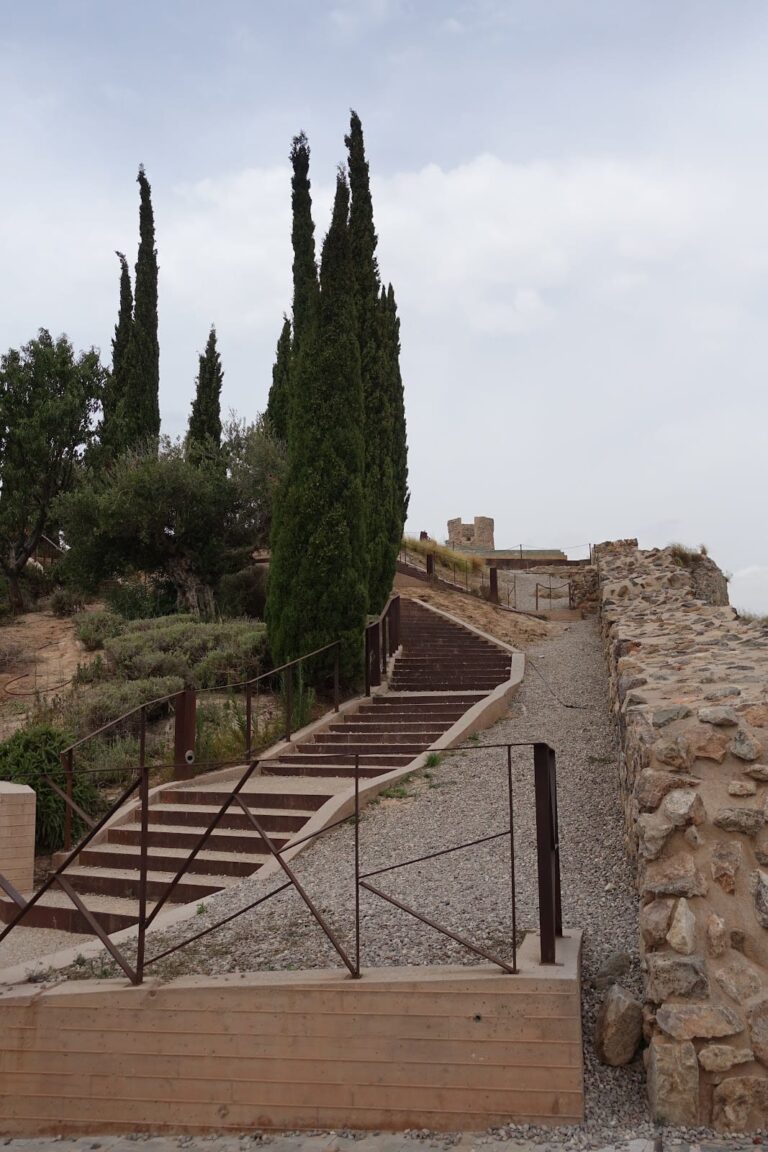
In 1999, the castle became part of the Barrio Universitario project, which required the removal of part of the hill’s eastern sector. Neglect later prompted complaints from heritage associations. Hispania Nostra placed the monument on its Red List of endangered heritage, while the association Daphne appealed to the Directorate-General for Cultural Heritage. In March 2015, the regional authority called on Cartagena City Council to undertake restoration work.
Also known as San José Castle, the Castle of Despeñaperros was declared an Asset of Cultural Interest as a historic monument on 7 August 1997.
Remains
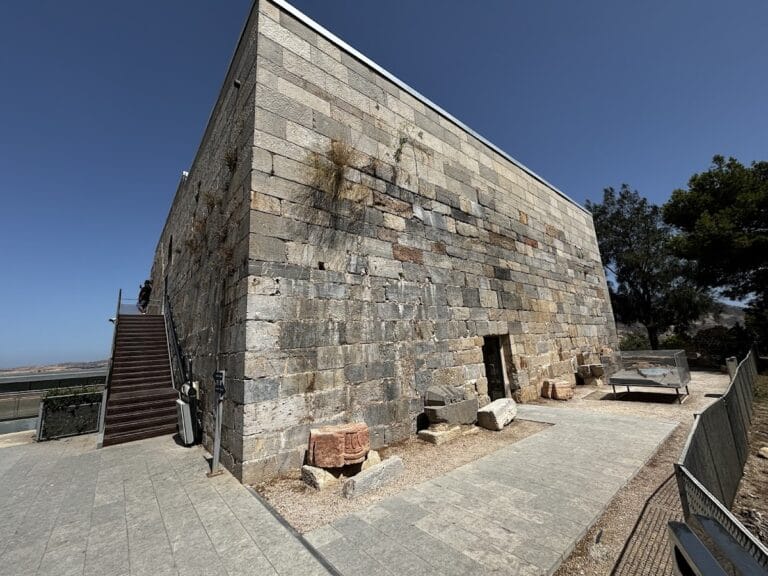
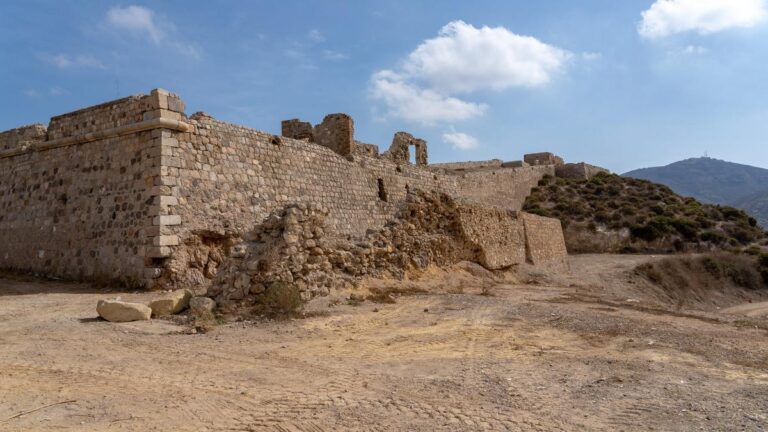
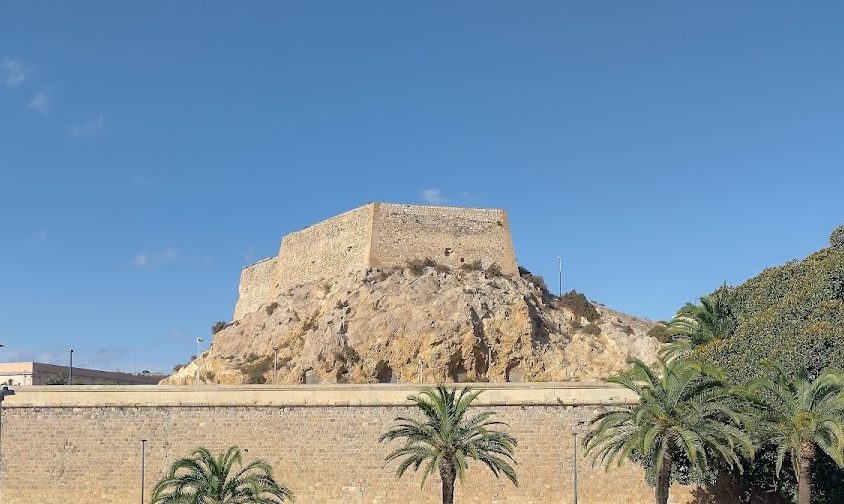
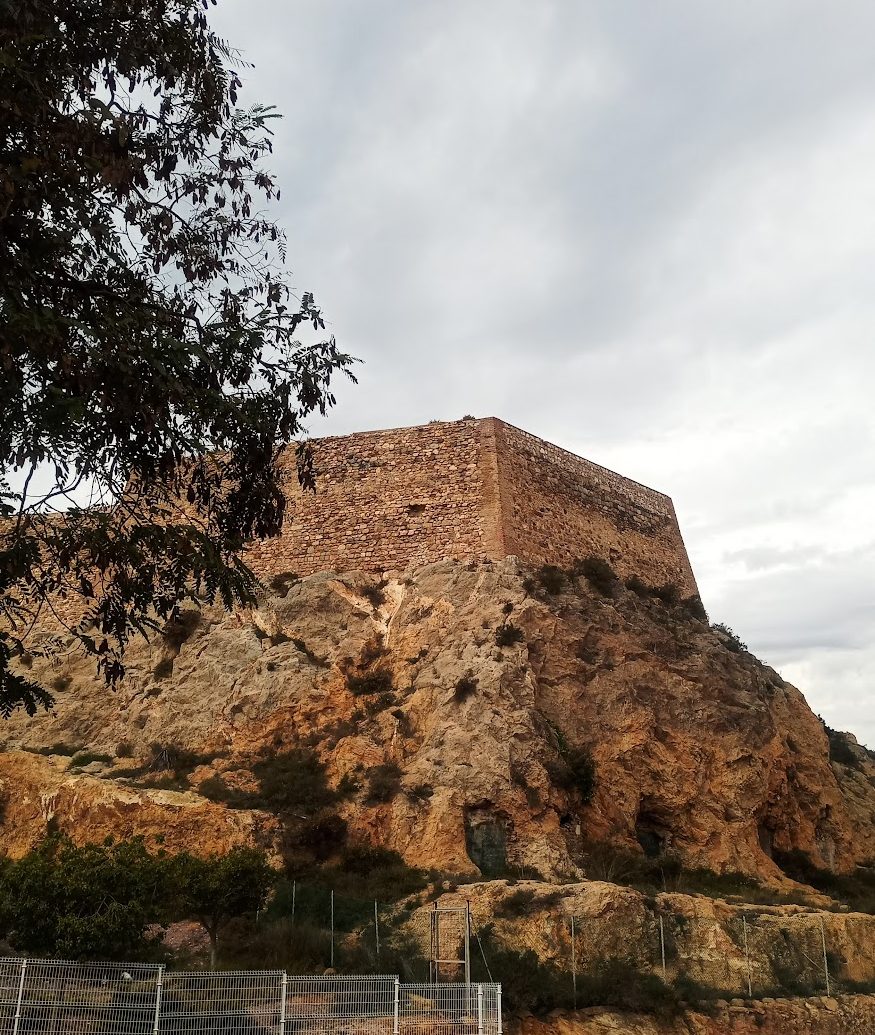
The castle occupies a hilltop 55 metres above sea level and has the massive form of a bastioned fortification. Its generally flat wall faces are built of masonry. The artillery position was arranged to cover the Naval Hospital, the Castle of the Moors, and the San José Gates on the lower slopes, linking the fort’s defensive purpose to Cartagena’s wider system of walls and entrances.
Interior Perimeters
Inside, the fort is organized into two perimeters. The lower perimeter contains rooms for the garrison or other occupants of the position, together with a water reservoir. The upper perimeter held the guns. Abandonment led to the loss of the gun embrasures, the openings through which artillery was fired, and the parapets, which were the raised protective walls along the defensive positions.