Pogradec Fortress: An Ancient and Byzantine Fortified Settlement in Albania


Site at a Glance
- Rating
- 4.1
- Popularity
- Low
- Country
- Albania
- Primary era
- Classical
- Eras represented
- Iron Age, Classical, Medieval
- Civilizations
- Byzantine, Illyrian
- Site type
- Military
- Remains
- Fortified Town
On this page7 sections
History
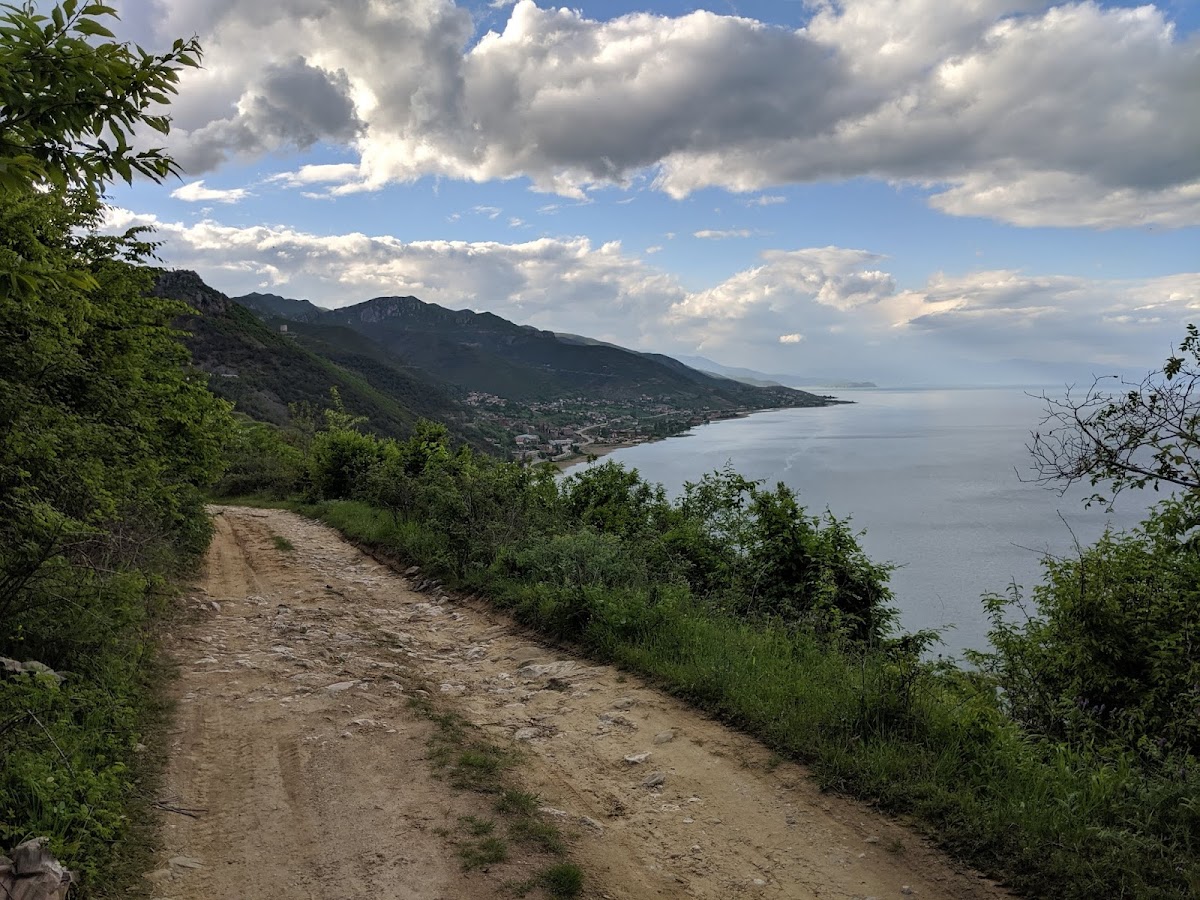
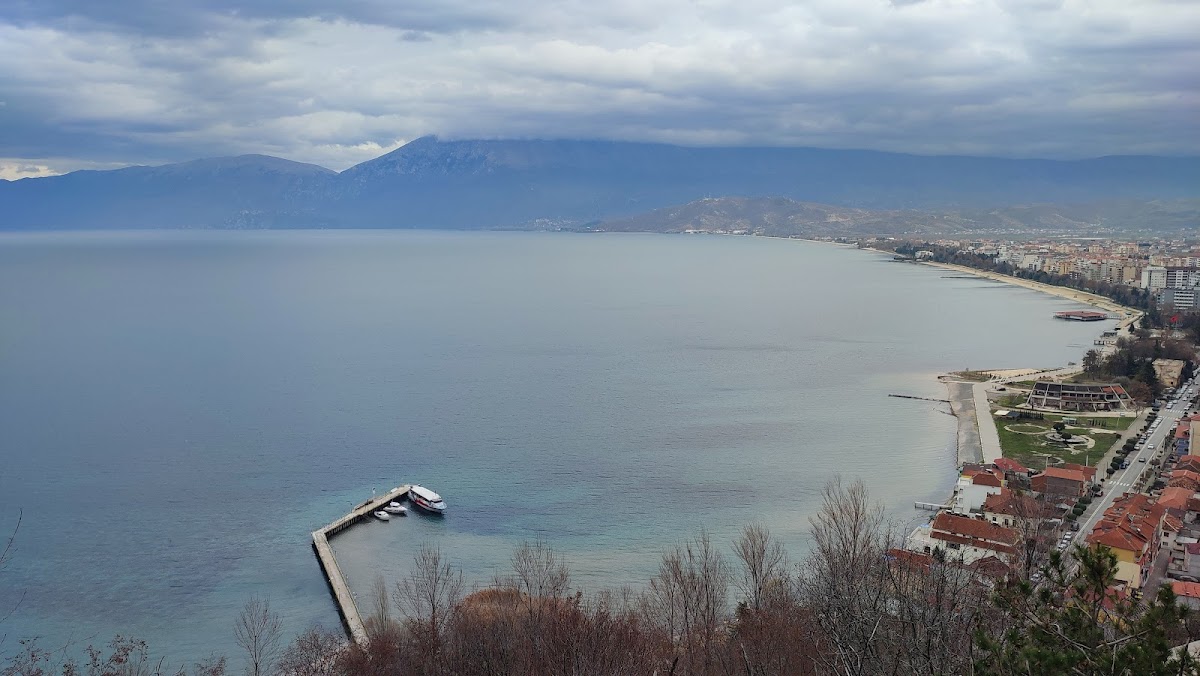
Pogradec Fortress is an ancient-origin fortified ruin in Albania, on the northwestern edge of present-day Pogradec beside Lake Ohrid. The settlement was probably associated with the Illyrians, ancient peoples of the western Balkans, and may correspond to the ancient city of Enchelei, an Illyrian center linked with the Lake Ohrid region.
Illyrian settlement
The southern Lake Ohrid region had been inhabited since prehistoric times. During the Iron Age, the area around present-day Pogradec belonged to the territory of the Enchelei tribe. A fortified settlement developed on Castle Hill, probably after the fifth century BC. It may have become a small regional center during the fourth century BC and reached its greatest development in the third and second centuries BC, before the Roman conquest of Illyria.
The settlement’s importance later declined, but the hill continued to be inhabited during the first to third centuries AD and in Late Antiquity, the period between classical antiquity and the early Middle Ages. Coins minted under the Byzantine emperor Justinian II indicate activity during the Byzantine period. After this phase, the fortified settlement probably became deserted.
Byzantine rebuilding and decline
In the tenth century, the Byzantines, the medieval eastern Roman Empire, rebuilt Pogradec Fortress for military purposes. This work is particularly associated with Emperor John I, whose reign lasted from 969 to 976. During this period, settlement developed on the plain beside the lake, below the hill. The modern name Pogradec is of Slavic origin and means “under the fortress.”
The fortress later fell into ruin, probably in connection with the twelfth-century expansion of the Second Bulgarian Empire. The settlement shifted from the hill to the lower area of Gradishte after the tenth century. Archaeological excavations directed by Skender Anamali from 1969 to 1973 established that the site was an ancient settlement rather than only a medieval castle ruin. Between 2011 and 2019, Pogradec Fortress appeared on UNESCO’s World Heritage Tentative List as a proposed extension of the existing Ohrid Region cultural and natural World Heritage site.
Remains
Castle Hill settlement
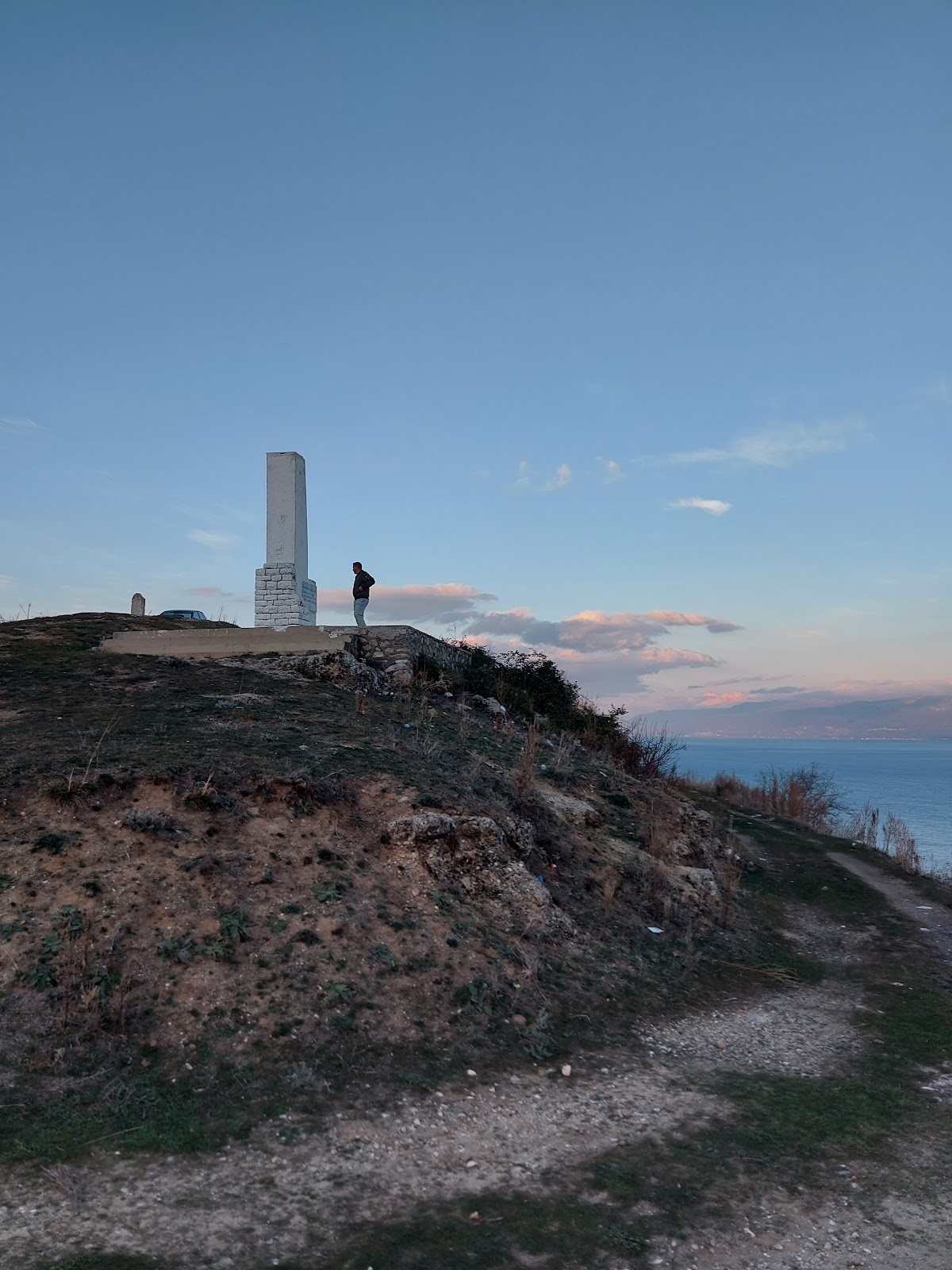
Pogradec Fortress occupies Castle Hill, known locally as Maja e Kalasë. The summit stands approximately 898 metres above sea level and rises 205 metres above Lake Ohrid. The Iron Age settlement was enclosed by defensive walls and contained houses of various types, forming the physical core of the fortified community.
Ancient walls and tower
Excavations begun in 1969 exposed two surviving sections of the original ancient wall and the foundations of a rectangular tower. The walls were built from somewhat irregular, roughly worked stones and measure between 1.4 and 1.8 metres in thickness. Smaller stones, gravel, and binding material made from brick powder and stone rubble filled the gaps between the larger blocks.
Pottery and small finds
Before systematic excavation, the hill had yielded ancient ashlar blocks, regularly cut masonry stones, along with bracelets, bronze fibulae, and black-figure skyphoi. A fibula was an ancient brooch used to fasten clothing, while a skyphos was a deep Greek drinking cup decorated in this case with dark figures applied to lighter clay. Comparisons with related objects placed these finds between the fifth and third centuries BC.
The earliest archaeological layers contained Greek-style grey pottery, black-glazed pottery, skyphoi, and kotylai, small bowls or cups related to skyphoi. Later layers produced increasing numbers of pottery fragments marked with local makers’ marks, providing evidence for changing production within the settlement.
Nearby sites