Killua Castle: An Irish Country House and Chapman Estate

Site at a Glance
- Rating
- 4.7
- Popularity
- Low
- Country
- Ireland
- Primary era
- Early Modern
- External website
- Open
- Eras represented
- Early Modern, Modern
- Civilizations
- Irish
- Site type
- Domestic
- Remains
- Castle
On this page8 sections
History
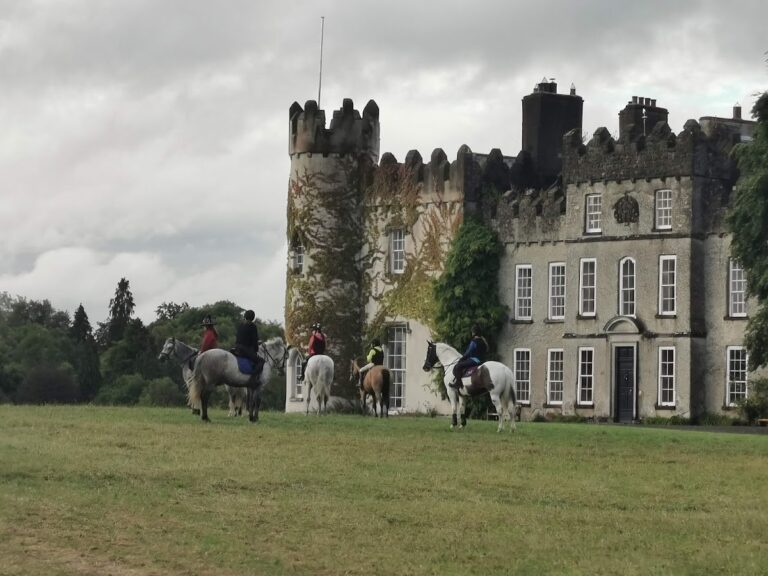
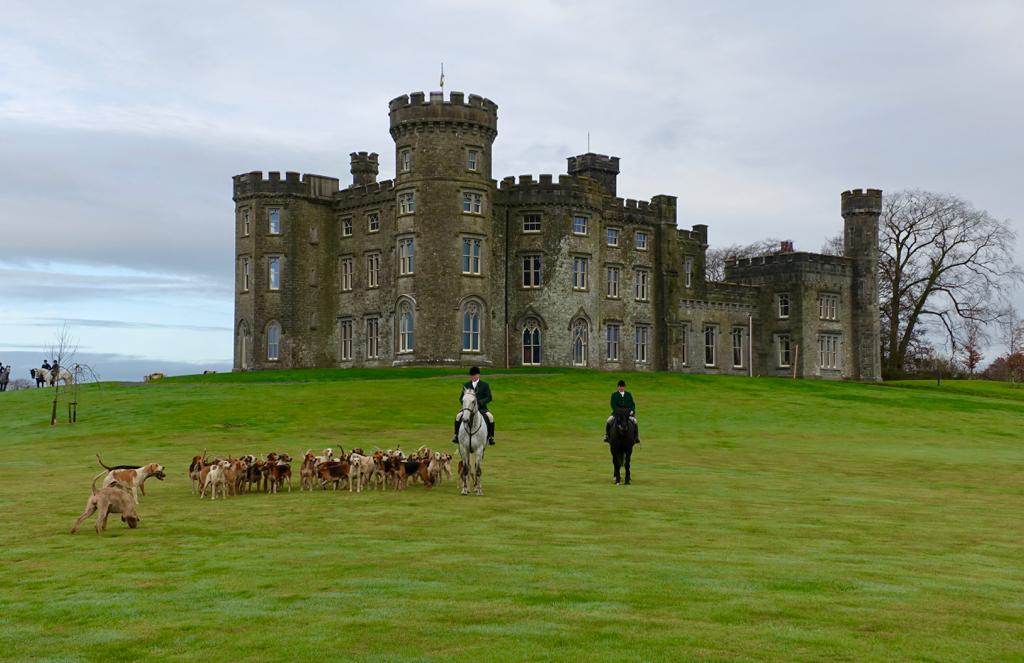
Killua Castle is an Irish country house near Clonmellon in County Westmeath, Ireland, built in 1780 for Sir Benjamin Chapman, 1st Baronet, after an earlier castle on the estate had been demolished. Its lands had been granted around 1667 to Benjamin Chapman, a captain in Oliver Cromwell’s army, after they were confiscated from the Knights Hospitallers of St John, a medieval Catholic military and religious order that held estates and operated charitable and military institutions.
The Chapman estate
After Benjamin Chapman died, the property passed to his elder son William and then to William’s son Benjamin in 1734. When Benjamin died in 1779, his son Benjamin inherited the estate and was created a baronet, a hereditary British and Irish title ranking below a baron and above most other hereditary knighthoods. He built the present house the following year. During the eighteenth century, the Chapmans administered approximately 9,000 acres of surrounding farmland from Killua.
In 1810, the property passed by special remainder to Sir Benjamin’s brother, Thomas Chapman. During the early 1820s, Thomas enlarged the house with additional towers, completed its castellations, and erected the nearby Raleigh Obelisk. An earlier obelisk also appears to have been raised on the estate in honour of Lord Nelson around 1806 or 1807.
Later Chapman ownership
Thomas Chapman was succeeded in 1837 by his son, Sir Montagu Chapman, 3rd Baronet, who was lost at sea off the coast of Australia in 1852. The estate then passed to his brother, Benjamin Chapman, 4th Baronet, and later to Benjamin’s son, Montagu Richard Chapman, 5th Baronet.
Montagu Richard Chapman died childless in 1907. His widow, who was also his cousin, divided the estate among the four legitimate daughters of her brother, Sir Thomas Chapman, 7th Baronet, the father of T. E. Lawrence, the British archaeologist, military officer, and writer later known as Lawrence of Arabia. The house and the remaining 1,200 acres were sold in 1949.
Ruin and restoration
By 2006, Killua Castle had become a roofless ruin covered in ivy. The house was renovated that year, and the Raleigh Obelisk was also restored with a grant from the Irish Georgian Society, a preservation organization devoted to Ireland’s Georgian architectural heritage.
Remains
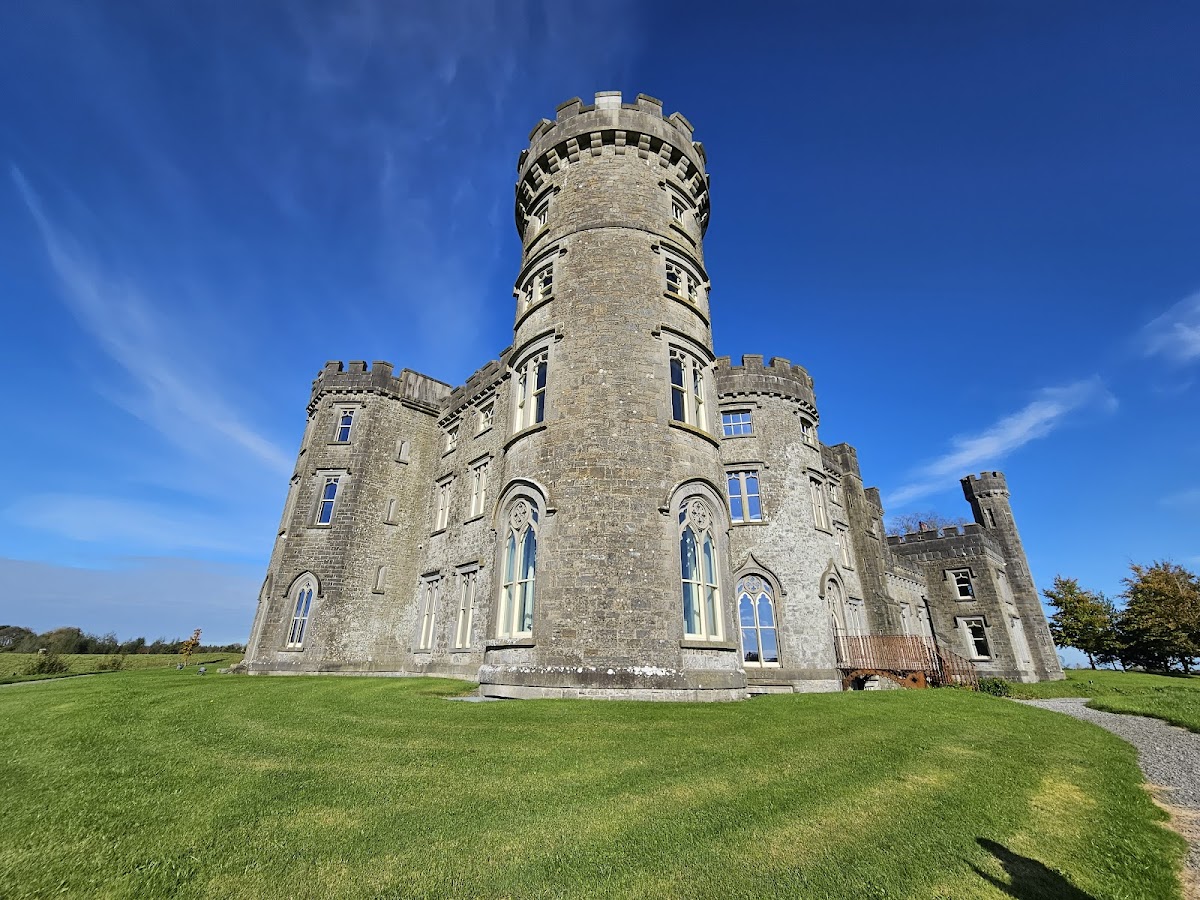
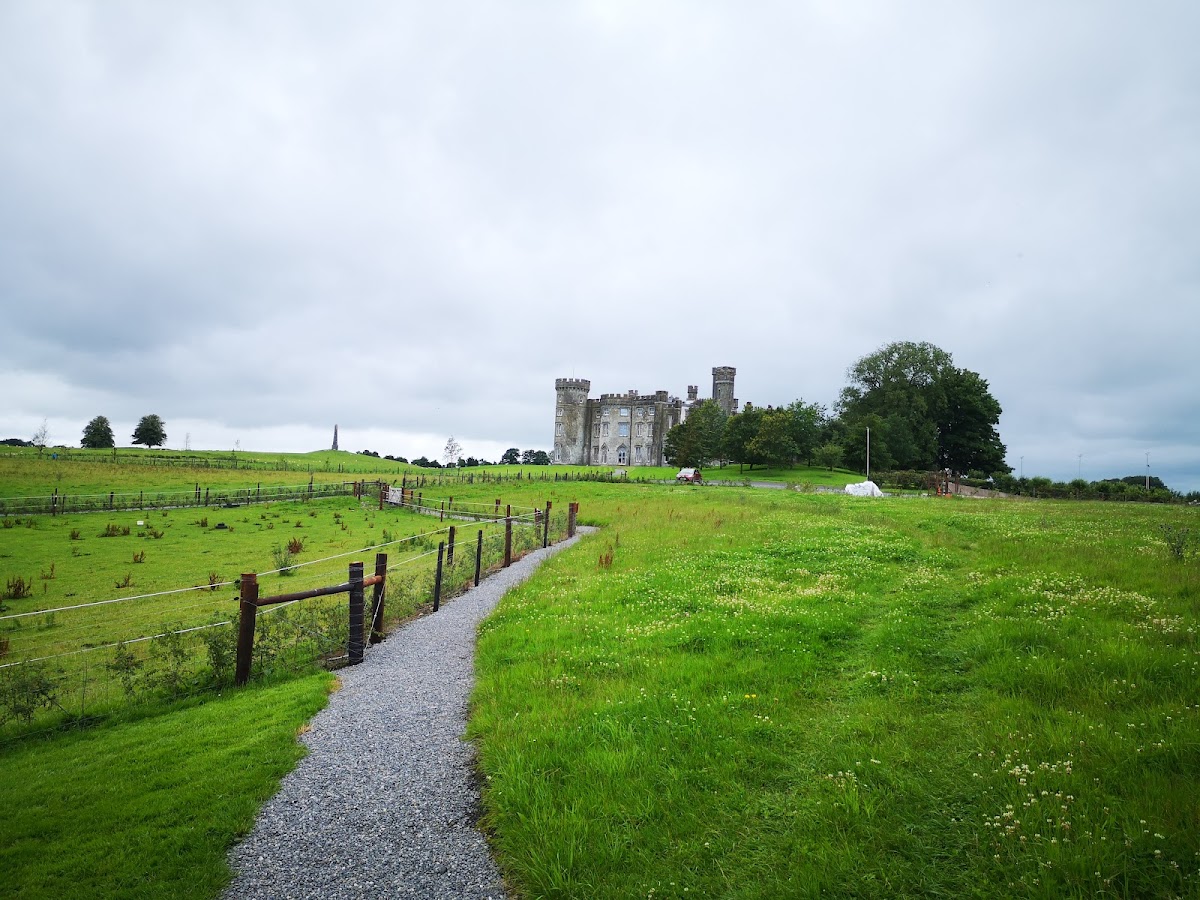
Killua Castle survives as a country-house complex near the Raleigh Obelisk. The main house began as a 1780 building with formal rooms and staircases, while early-nineteenth-century additions gave it a more castellated appearance through several towers and completed battlements. The estate also contained a stable yard, barn, crop-storage yard, and other agricultural buildings.
The principal house
The 1780 house originally comprised a hall, dining room, oval drawing room, breakfast parlour, front stairs, and back stairs. Thomas Chapman’s additions in the early 1820s included a large round tower, a library tower, a staircase tower, and a back-door tower. He also completed the building’s castellations. After the structure became roofless and ivy-covered, renovation in 2006 altered its condition.
Agricultural buildings
The estate’s working facilities included a stable yard, a barn, a haggard for storing crops, and other agricultural buildings. These features formed part of the country-house estate that supported the extensive farmland administered by the Chapmans during the eighteenth century.
The Raleigh Obelisk
The Raleigh Obelisk stands approximately 200 to 300 metres from the house. Sir Thomas Chapman erected it in 1810 at a location traditionally associated with Sir Walter Raleigh’s planting of some of the first potatoes imported to Ireland. Raleigh was an English courtier, explorer, and colonizer linked with the early introduction of potatoes and tobacco to Europe, although responsibility for Ireland’s first potato planting remains uncertain. The obelisk’s present inscription reads “Sir Walter G. Raleigh.” No other evidence indicates that Raleigh had a middle name beginning with G, and the letter appears to have been added through vandalism after the original inscription.