Château d’Ars: A Renaissance Castle in France

Site at a Glance
- Rating
- 4.6
- Popularity
- Low
- Country
- France
- Primary era
- Medieval
- Eras represented
- Medieval, Early Modern
- Civilizations
- French
- Site type
- Domestic
- Remains
- Castle
On this page13 sections
History
Château d’Ars is a Renaissance castle in France, located at Ars in Lourouer-Saint-Laurent, in the historic Berry region. Its origins and exact construction date are unknown, although building probably began in the fourteenth century. The castle was altered during the sixteenth century, when the Renaissance, a European period that revived classical forms and reshaped medieval buildings, influenced its appearance.
The lordship of Ars
The earliest known records of the castle date from the beginning of the fifteenth century. Around 1405, Marguerite d’Ars married Perrin de Bourges, bringing the lordship of Ars into the Bourges family. She probably descended from Geofroy d’Ars, who was recorded in 1292 among the vassals of the lord of La Châtre.
By 1435, Perrin II de Bourges, also called Pierre, was lord of Ars. Around 1440 he married Philippe de la Celle, lady of Montlevic. Their sons included Perrin de Bourges dit des Âges, Hélyon d’Ars, and Jacques d’Ars. Perrin de Bourges dit des Âges and Françoise de Villelume later had four children, including Louis d’Ars, who was born around 1465.
Louis d’Ars and royal service
Louis d’Ars followed a military career. He became captain of a company of one hundred men-at-arms and later lieutenant of the king’s ordonnance company commanded by Louis of Luxembourg, Count of Ligny. An ordonnance company was a permanent royal military unit, while a lance in this setting meant a mounted military unit rather than a single weapon.
Louis d’Ars fought in the Italian Wars from 1493 to 1512 under Charles VIII and Louis XII. Bayard and Jacques II de Chabannes, later known as La Palice, served under his command. Louis XII rewarded him by elevating the land of Ars to a marquisate, a territory governed by a marquis. On 29 July 1516, Francis I made him Duke of Terme. A receipt from 1526 also identifies him as Count of Vauguyère and La Girolle, an ordinary councillor and chamberlain to the king, and captain of forty-eight fully equipped lances. He died around 1530.
Sixteenth-century modernization
After Louis d’Ars died, the lordship, including its fortress, barns, and warrens, passed to his elder sister Marguerite d’Ars, the widow of Jean de Confolens. She later sold it to Marguerite Douerou, widow of Jean de la Forest.
In 1584, Marguerite Douerou’s daughter Anne de la Forest and her husband Pierre de Chamborant acquired the castle. Pierre was lord of Montgivray and baron of Neuvy-Saint-Sépulcre. The couple continued the modernization of the property and notably completed the facade. The castle later passed by inheritance to their daughter Marguerite and her husband, René Ysoré, baron of Hervault and Pleumartin. It was subsequently seized on the orders of the Prince of Condé, a title held by members of the Bourbon-Condé branch of the French royal family, and several owners followed.
Changes of ownership and the Papet family
In 1727, Joseph Hermet, a bourgeois of Paris, acquired the castle. After a murder, Hermet was expropriated, and in 1755 the property was awarded to Jean-Jérôme Bardon, a squire, secretary to the king, and receiver of the salt taxes at La Châtre.
Bardon created the park, repaired the castle, and enlarged the estate. Around 1782, Jean-Baptiste Papet and his brother Jacques, farmers at Sarzay, bought Château d’Ars from Bardon’s estate for 175,000 livres. After the death of Jean-Baptiste Papet’s grandson Gustave Papet in 1892, ownership passed to the family of Gustave’s daughter and her husband, Philippe Baucheron de Lécherolles. The castle was sold in 1926.
George Sand and the castle’s later history
Gustave Papet was born at Château d’Ars on 22 February 1812. A wealthy physician and friend of George Sand, the pen name of the novelist Amantine-Lucile-Aurore Dupin, he was the first doctor summoned to Nohant to attend Frédéric Chopin when the Polish-born composer and pianist returned from Majorca in spring 1839.
George Sand set several scenes of her novel Les Beaux Messieurs de Bois-Doré at Château d’Ars. In Lettres d’un voyageur, she described it as the residence of a neighboring castle owner and loyal friend. The castle has been listed as a French historic monument since 24 April 1926. It later served as an archive repository for a major industrial company, and since 1980 it has belonged to the municipality of La Châtre. The Château d’Ars Center of Romanticism is a registered association that promotes exhibitions, research, and meetings.
Remains
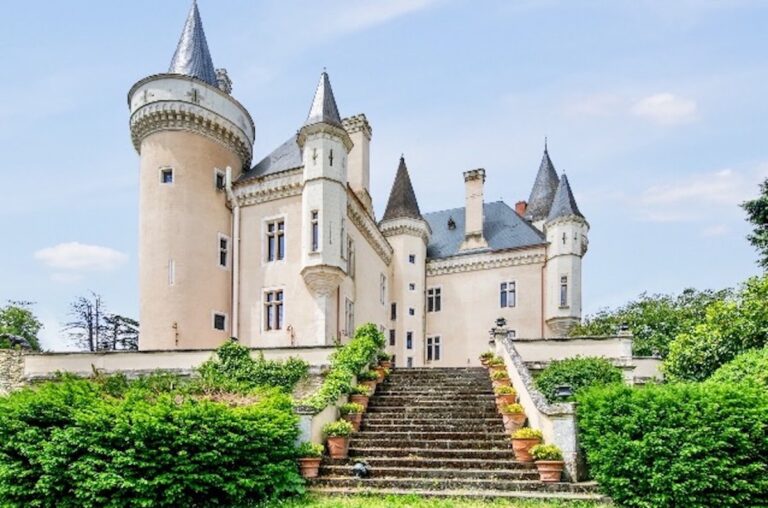
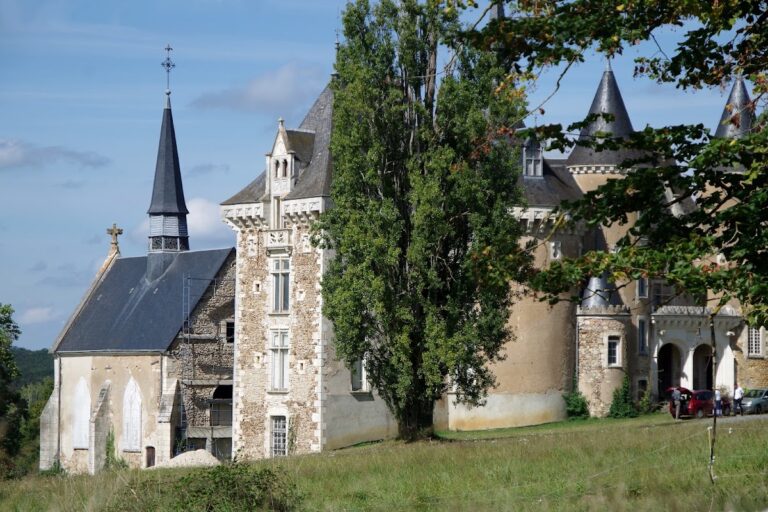
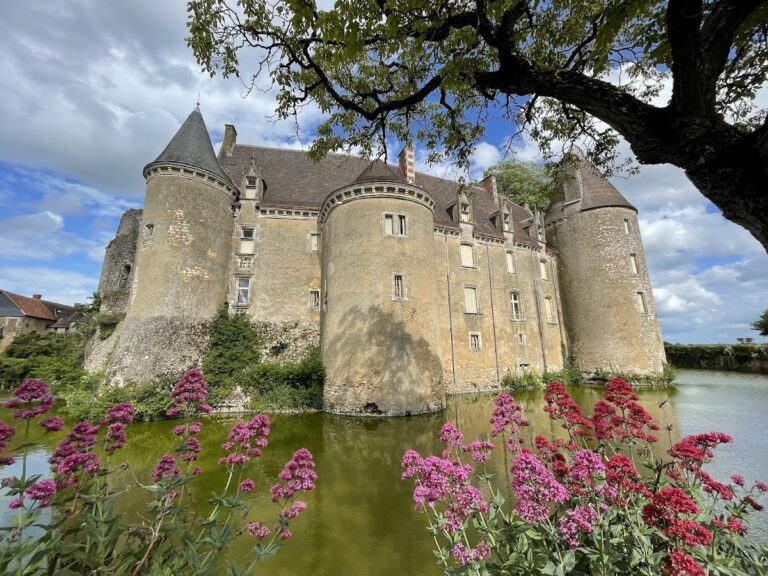
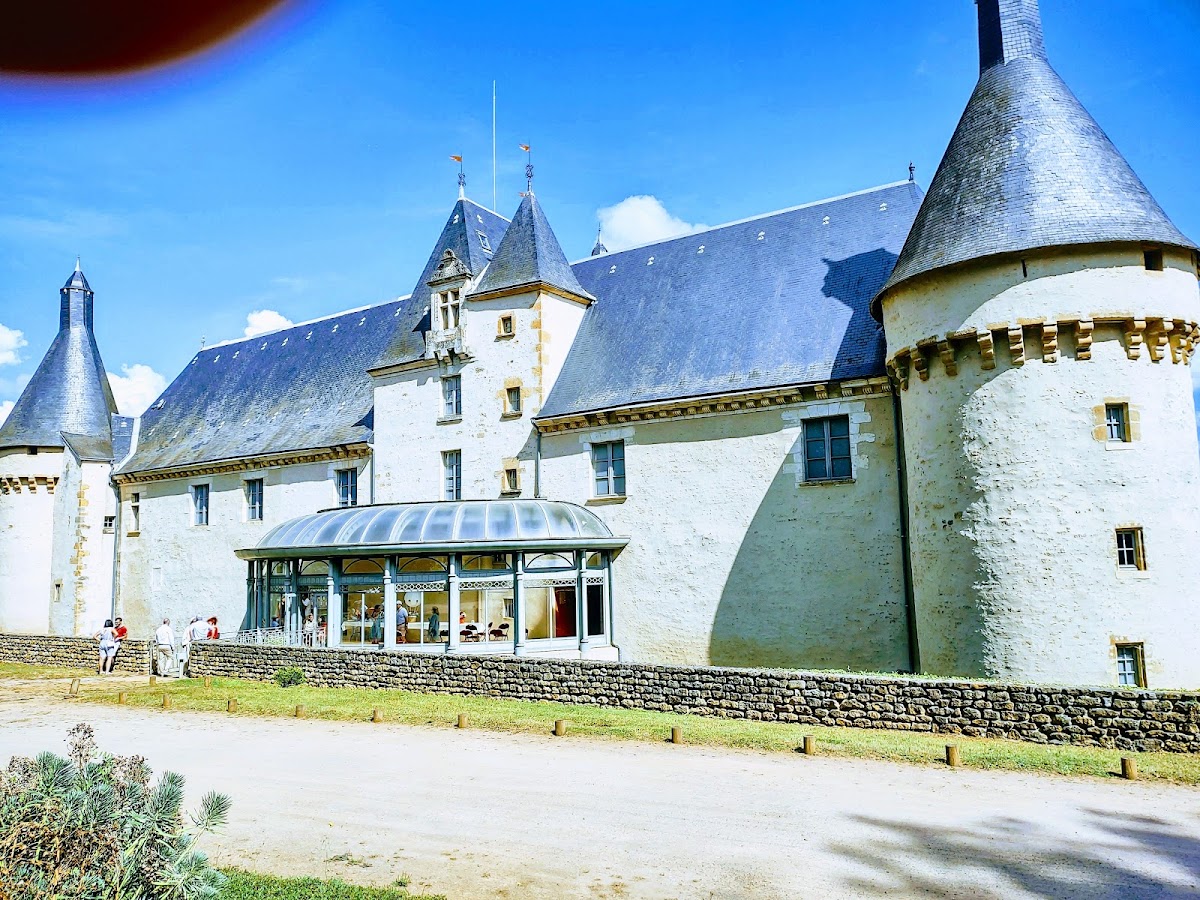
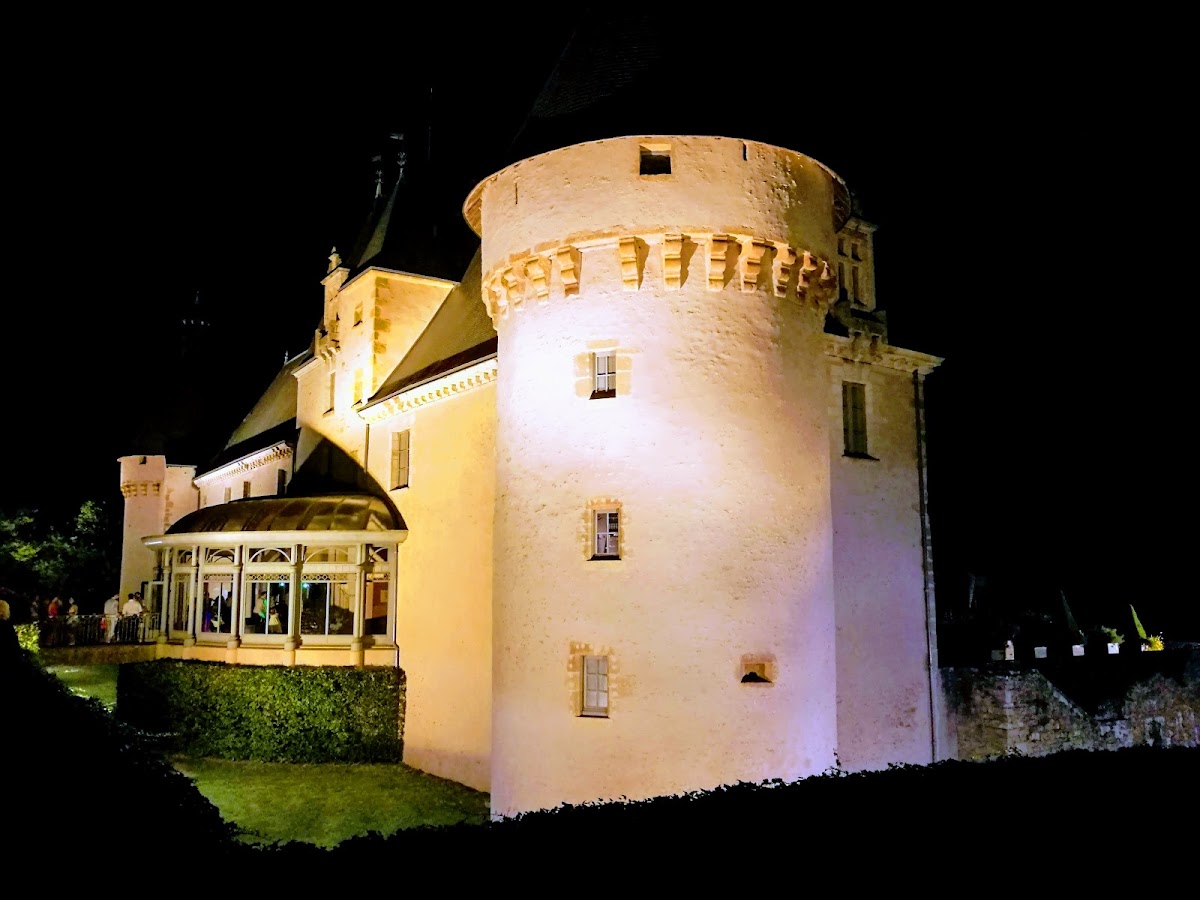
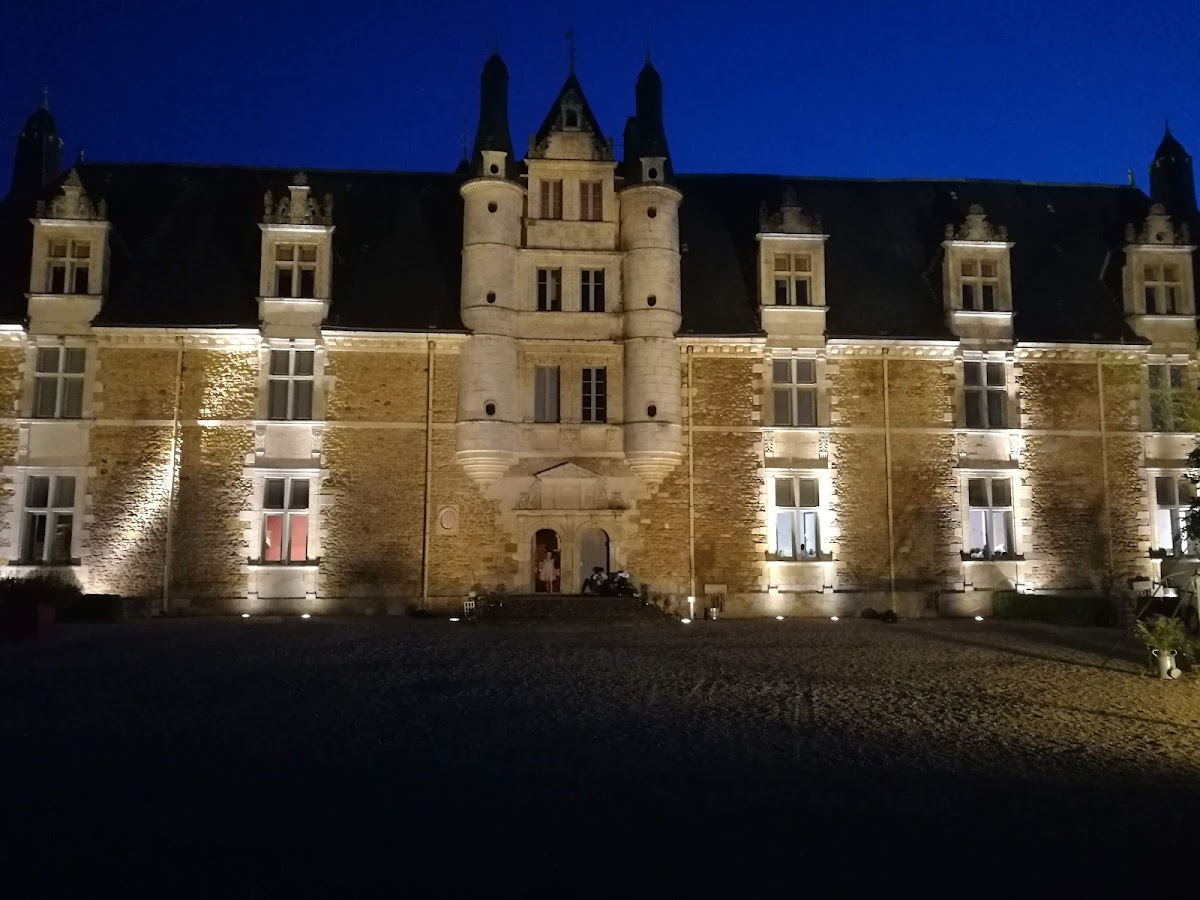
Château d’Ars is a Renaissance complex with a fortress, barns, warrens, a park, corner towers, a chapel with its own entrance, and a principal entrance identified as the most recent part of the site. The buildings include white turrets, while the warren formed part of the managed estate. George Sand described the castle as rising above a terraced road.
Castle buildings and entrances
Facade and principal entrance
The facade belongs to the castle’s sixteenth-century modernization and was completed by 1584. The principal entrance is identified as the most recent part of the complex. Together, these elements belong to the building’s Renaissance phase, which reshaped the earlier medieval castle.
Corner towers and chapel
Corner towers and white turrets form part of the castle complex. A chapel stands within the site and has a distinct entrance. The associated buildings also include barns, while the fortress reflects the property’s earlier defensive role.
Warren and park
Warren
The estate includes a warren, an enclosed area managed for rabbits and other small game. It formed part of the lordship transferred through the castle’s successive owners.
Park
The park was created in the eighteenth century by Jean-Jérôme Bardon, who also repaired the castle and enlarged the estate. It remains part of the physical setting associated with the castle complex.