Santa Cruz de Cangas de Onís: An Early Medieval Church over a Prehistoric Dolmen
Site at a Glance
- Rating
- 4.2
- Popularity
- High
- Country
- Spain
- Primary era
- Medieval
- Eras represented
- Bronze Age, Classical, Medieval
- Civilizations
- Kingdom of Asturias, Roman
- Site type
- Religious
- Remains
- Chapel
On this page6 sections
History
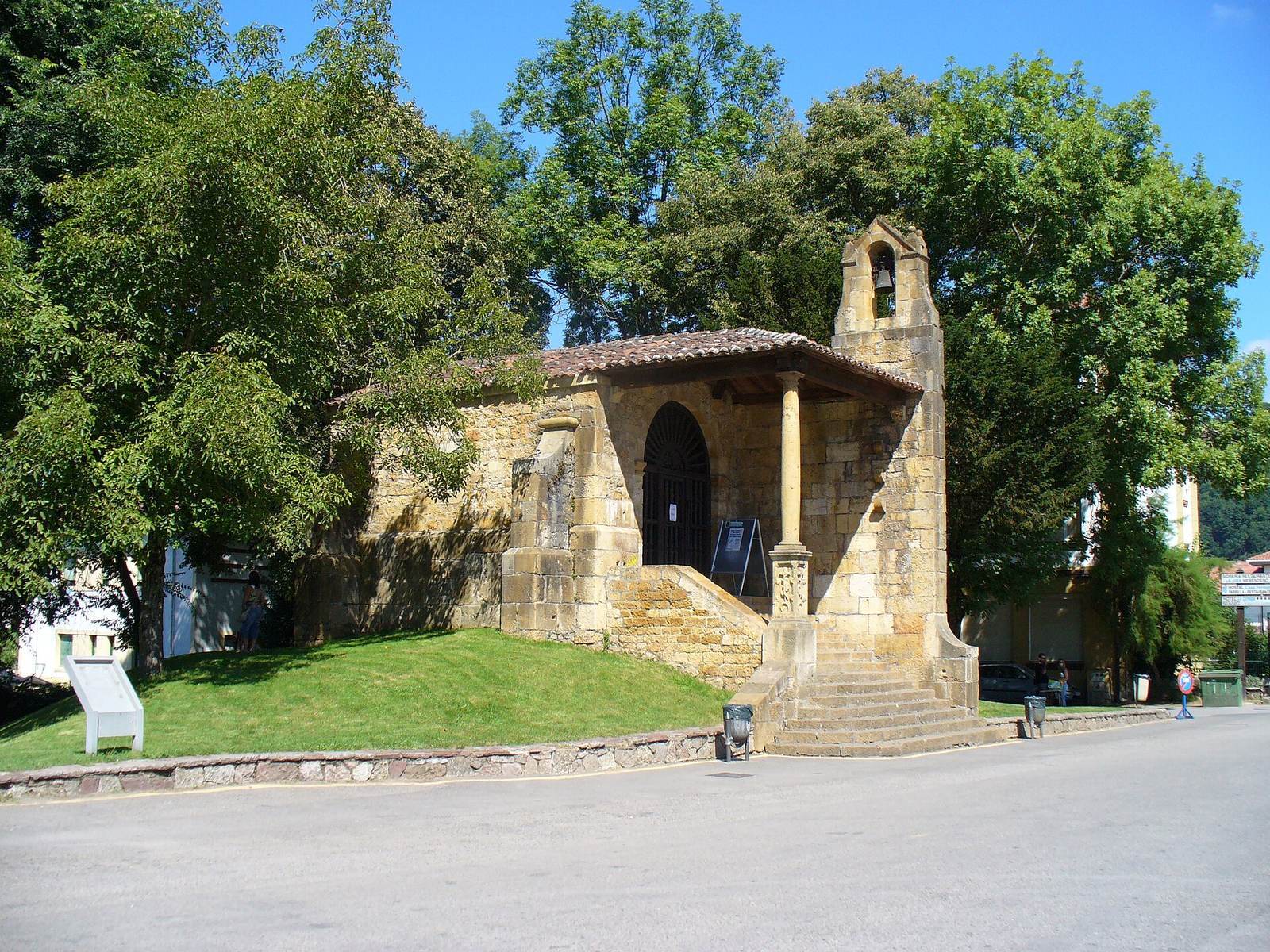
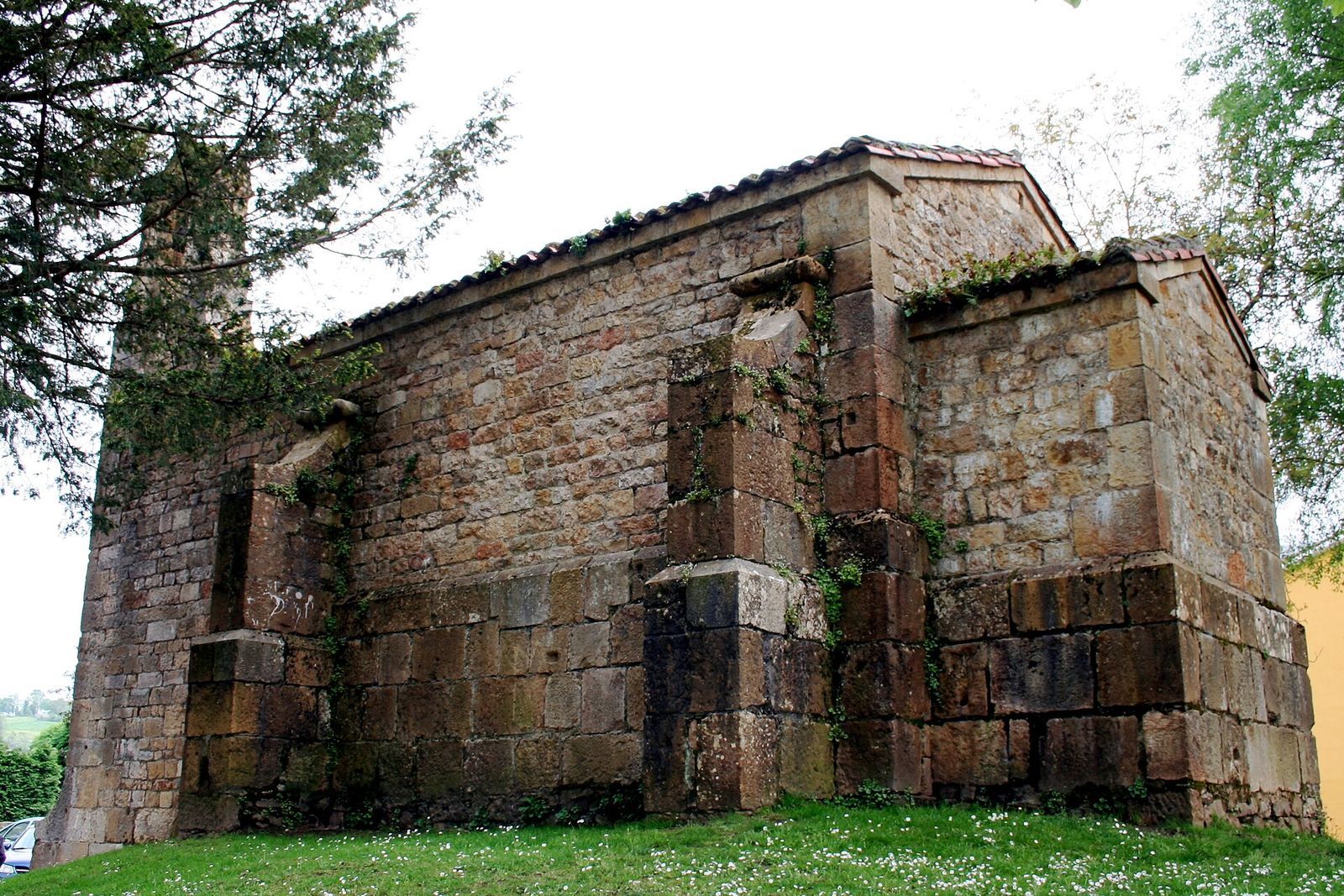
Santa Cruz de Cangas de Onís is a chapel in Asturias, Spain, founded as a Pre-Romanesque church in AD 737. Favila, the second king of Asturias, and his wife, Queen Froiluba, commissioned the building. Cangas de Onís was the first capital of the Kingdom of Asturias, an early medieval polity in northern Iberia.
Foundation and Early Asturian Kingdom
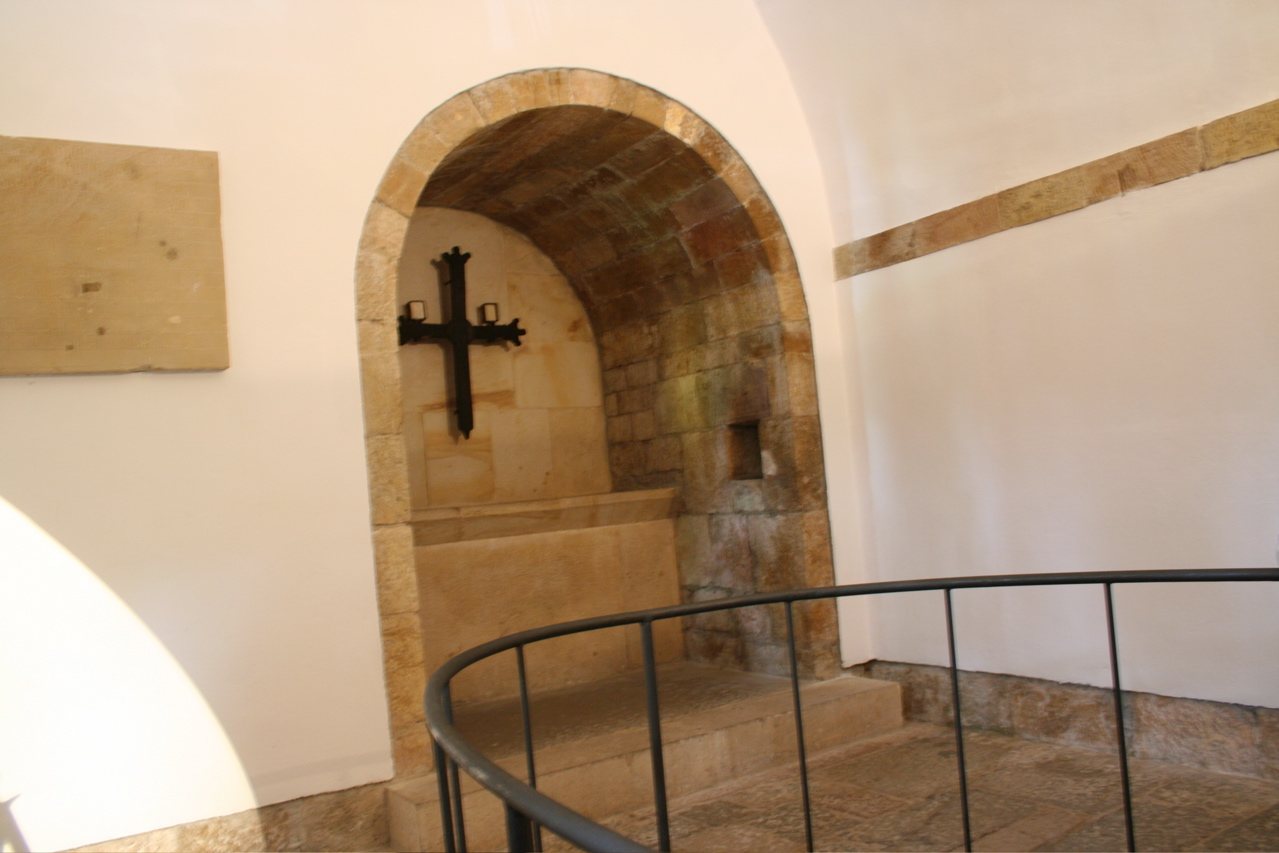
The church was built to house an oak cross carried by Favila’s father, Pelayo, at the Battle of Covadonga. The cross later became known as the Cross of Victory. The church’s dedication refers to the True Cross, the wood believed in Christian tradition to be the cross on which Jesus was crucified. Its foundation inscription records consecration on 27 October 737. The church is believed to have been the first Christian temple built in Asturias, and therefore in Spain, after the Muslim invasion of the Iberian Peninsula. Its consecration inscription is also sometimes considered the first literary monument of the Reconquista, the centuries-long Christian reconquest of territories under Muslim rule in Iberia. The Spanish historian and chronicler Ambrosio de Morales identified the church as the burial place of Favila and Froiluba.
Restoration and Reconstruction
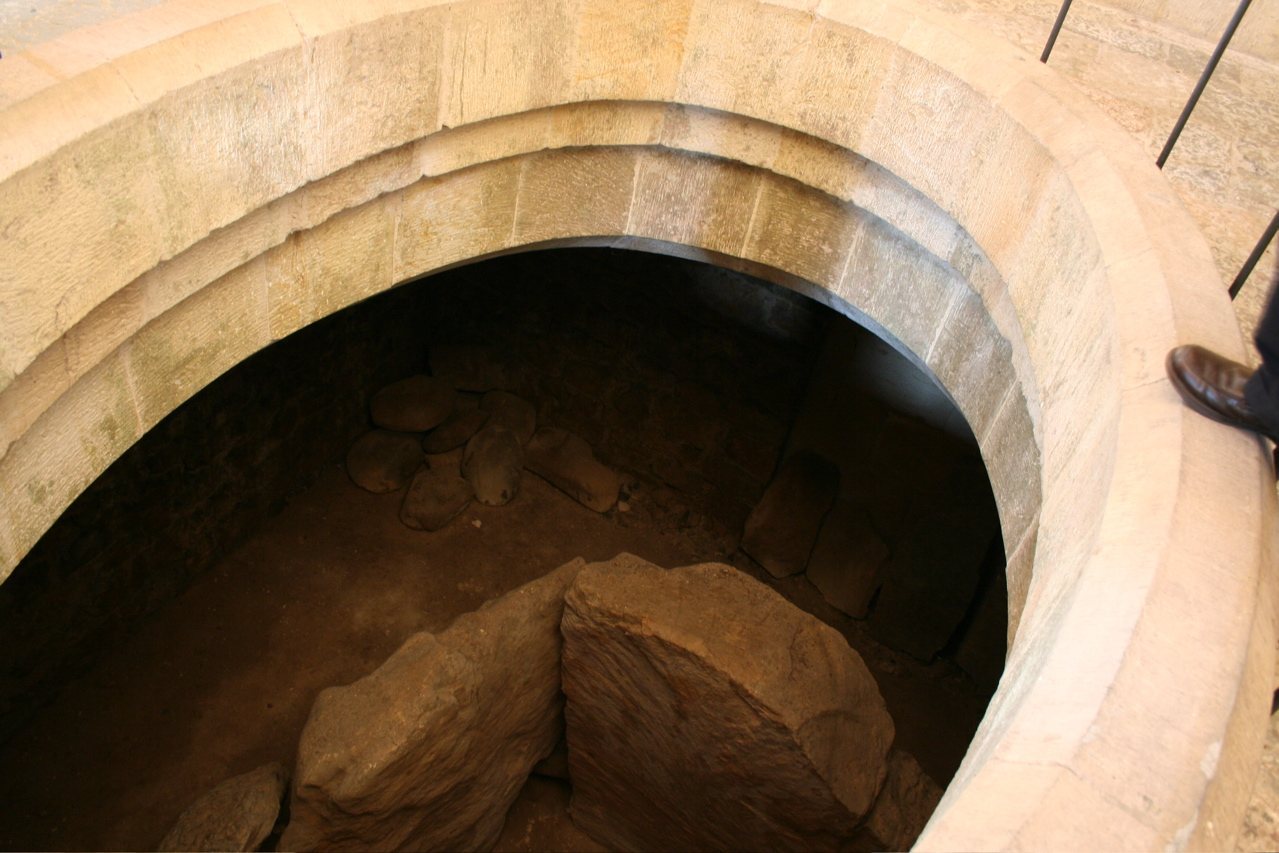
A complete restoration took place in 1633. During the Spanish Civil War, the conflict fought in Spain, the church was destroyed in August 1936. Local authorities then chose to demolish it to uncover the dolmen beneath, a prehistoric stone burial structure commonly made of upright stones supporting a large capstone. Damage has also been linked to German Condor Legion bombing during the Northern Campaign in October 1937, a date later than the church’s destruction. Architect and restorer Luis Menéndez-Pidal y Álvarez directed restoration work in 1950, and the present chapel was completed as a modern reconstruction in 1951. It is a Roman Catholic chapel associated with the Archdiocese of Oviedo and is protected as an Asset of Cultural Interest, a formal Spanish heritage designation.
Remains
Chapel and Dolmen
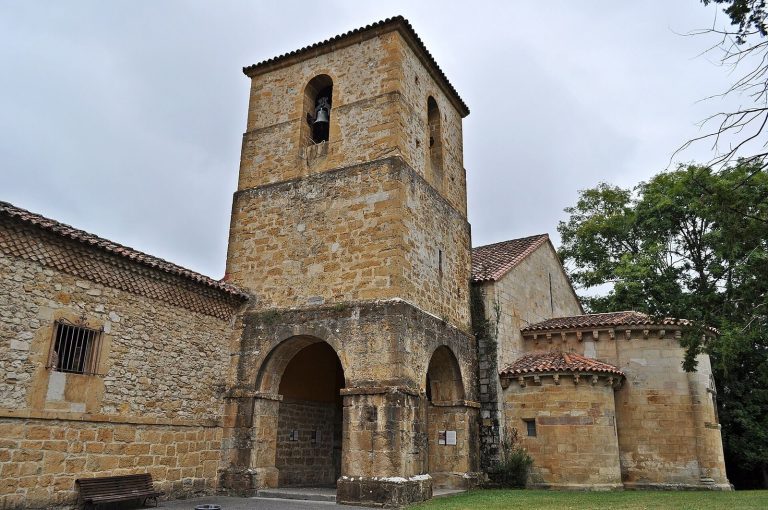
The present chapel is a modern reconstruction of the original Pre-Romanesque church. It stands on an artificial mound above the Santa Cruz Dolmen, which dates to the third millennium BC and can be seen through the chapel floor. The mound also contained a Roman shrine.
Cross and Foundation Inscription
A replica of the Cross of Victory is inside the chapel. The foundation inscription is preserved in copies and reproductions, as well as in an old photograph and a drawing. Its text names Favila, Froiluba, and their children, and records altars to Christ consecrated by the priest Asterius. The inscription’s date formula refers to the 300th day of the year and the sixth age of the world.