Moyse’s Hall: A Medieval Hall and Museum in Bury St Edmunds
Site at a Glance
- Rating
- 4.5
- Popularity
- Medium
- Country
- United Kingdom
- Primary era
- Medieval
- Eras represented
- Medieval, Modern
- Civilizations
- British, English
- Site type
- Domestic
- Remains
- House
On this page6 sections
History
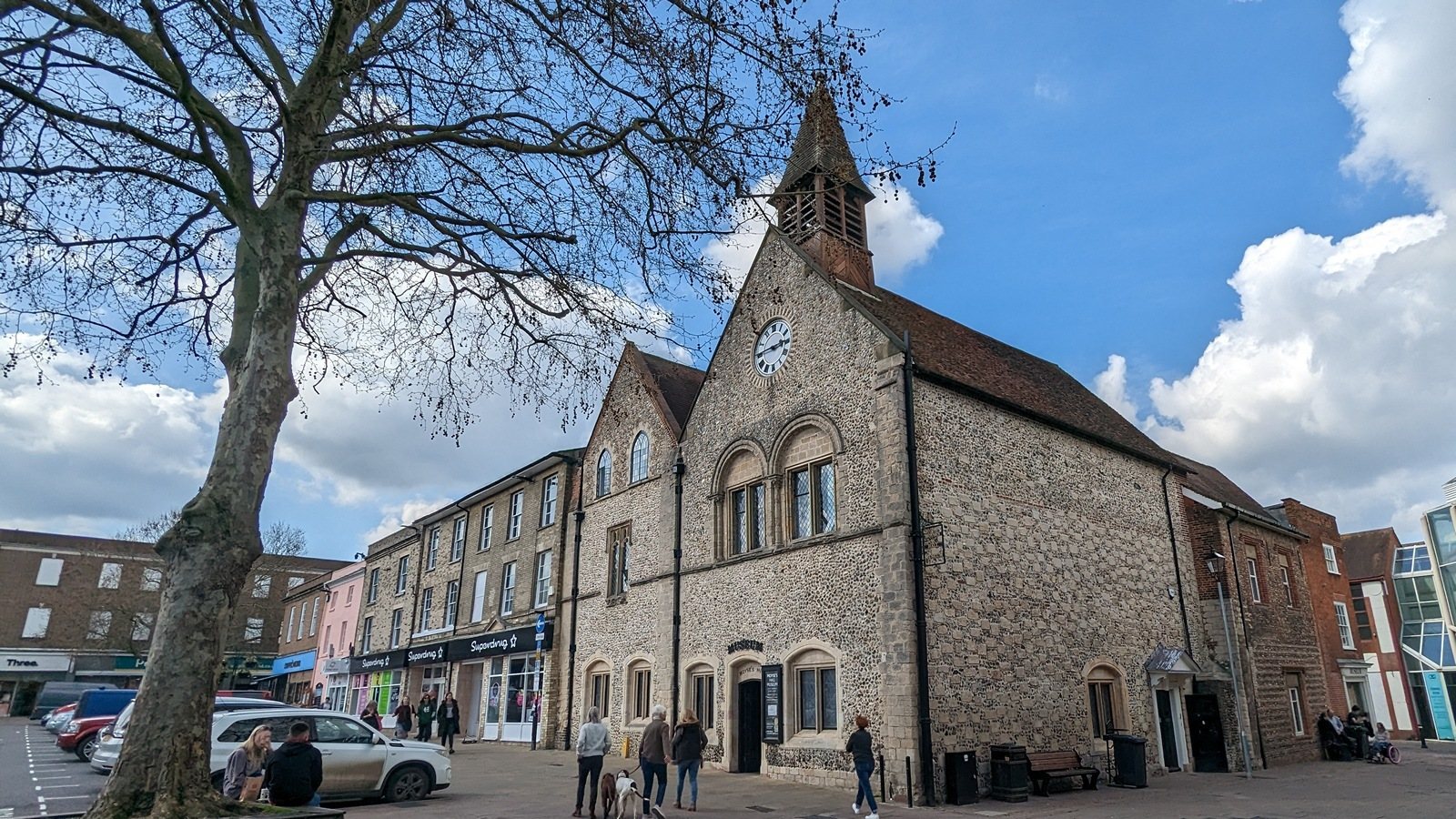
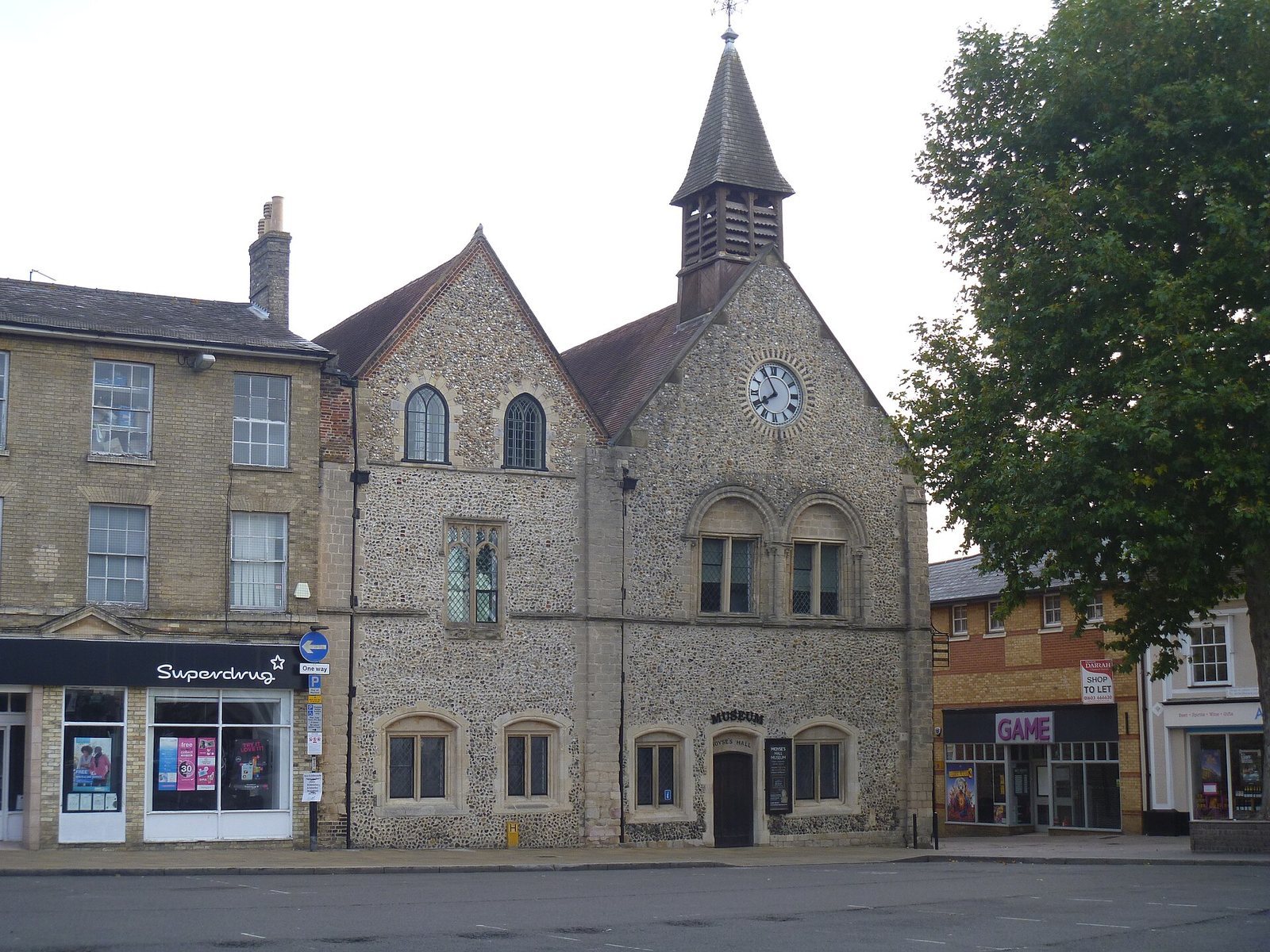
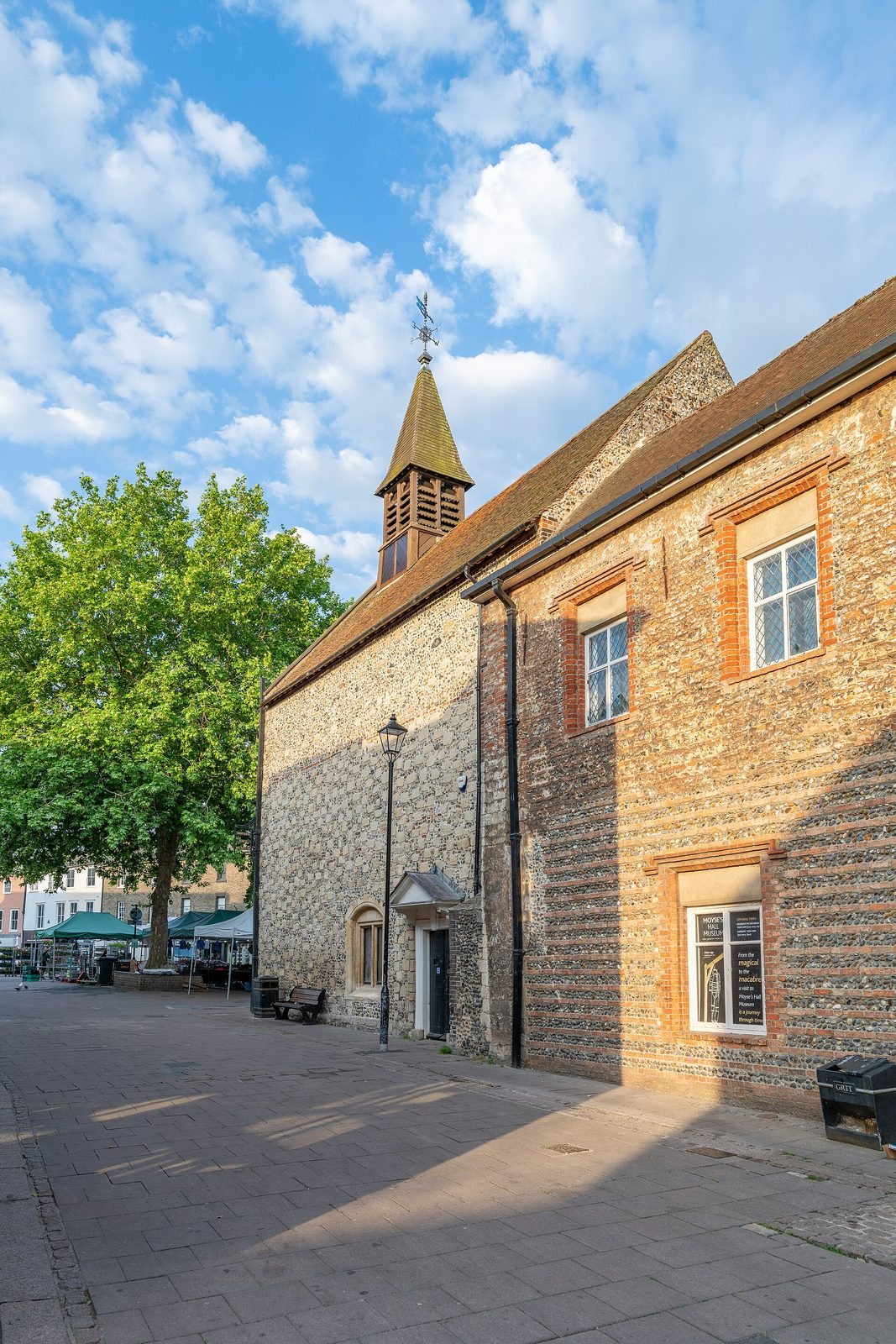
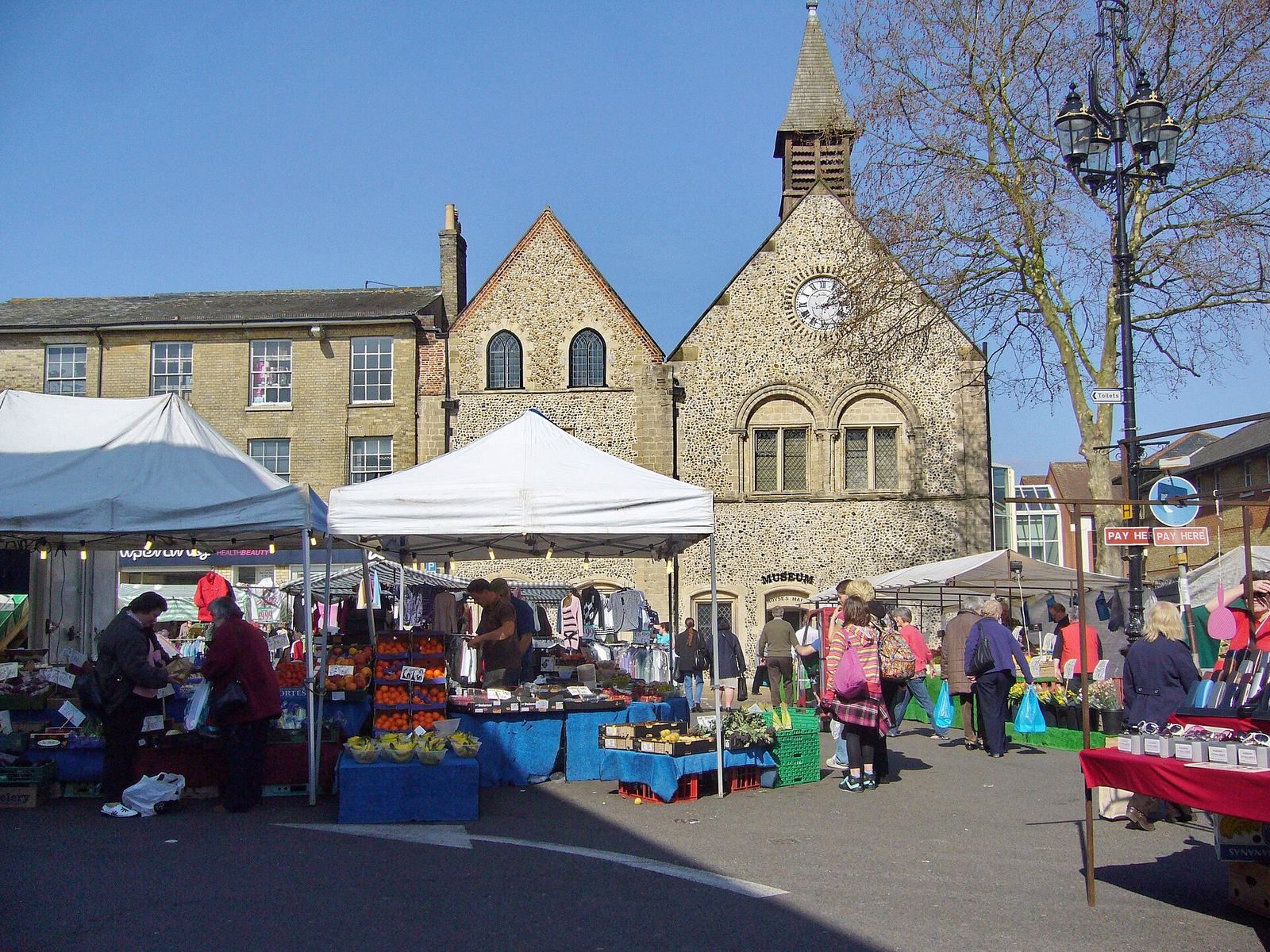
Moyse’s Hall is a medieval hall in Bury St Edmunds, Suffolk, United Kingdom, thought to have been built around 1180. Its Norman architecture is the English form of Romanesque that developed after the Norman Conquest, commonly associated with rounded arches and heavy masonry. The building may have served as the home of a Jewish merchant family, but that identification is uncertain, and use as a synagogue is considered unlikely.
Early records and changing uses
The earliest known written use of the name dates to 1328, when it referred to the “Hall of Moyse.” Later records and local usage kept the name in circulation into the nineteenth century. The hall probably served as an inn and tavern between about 1300 and 1600. It also became a town jail, police station, and workhouse, an institution where people in poverty received support in return for work, though the dates of these civic uses are not known.
Restoration, museum, and ownership debate
Part of the building was restored in 1858, with some funding from the town municipality, 36 years before it came into the town’s care. The question of a possible Jewish origin became controversial in 1895–96, when the building was for sale shortly before its conversion to a museum. Hermann Gollancz considered Jewish ownership likely, citing the architecture, the hall’s name, and local tradition. Frank Haes argued that no contemporary Jewish resident with a similar name was known in Bury St Edmunds, while local non-Jewish families bore names such as Moys, Moises, Mose, and Moyse. An academic panel judged the case for Jewish ownership weak and Haes’s evidence about local names persuasive.
In 1895, the Great Eastern Railway, a company serving eastern England, used one part of the hall as a parcel-receiving and enquiry office; another section had become part of the Castle Hotel. Moyse’s Hall Museum opened on 31 May 1899, with the English aristocrat Lord John Hervey performing the opening and Horace Ross Barker as curator. In 1973, Edgar Samuel argued that the building was very likely to have belonged to a Jewish merchant family, but not to have been a synagogue: its size and position beside the market made that use improbable. He also cited the lack of records about Bury’s Jewish community, the relative rarity of stone houses in England, the community’s familiarity with stone buildings in France and view of them as more secure, and the building’s date during a prosperous period for Bury’s Jews. He interpreted a Latin name ending as pointing to Mosheh or Mosse associated with the Angevin period, when rulers from Anjou held the English crown, rather than the English forms Mose or Moys.
The hall received Grade I listed status on 7 August 1952, the highest category of listed-building protection in England, reserved for buildings of exceptional interest. During 2000–02, refurbishment expanded the museum into deteriorated buildings at the rear.
Remains
The hall and tower clock
Moyse’s Hall is a surviving Norman-style building. A clock was installed in its tower during the 1860s.
Museum collections
The museum holds the Gershom-Parkington clock collection and objects connected with the Red Barn Murder, an 1827 Suffolk killing in which William Corder murdered Maria Marten. Its collections also include an aestel, an ornamental pointer for following a manuscript’s text, found at Drinkstone, and works by Mary Beale, an English portrait painter; Sybil Andrews, a British-Canadian artist; and Angelica Kauffman, a Swiss-born Neoclassical painter.