Danny House: An Elizabethan Mansion and First World War Cabinet Residence
Site at a Glance
- Rating
- 4.7
- Popularity
- Low
- Country
- United Kingdom
- Primary era
- Early Modern
- Eras represented
- Early Modern
- Civilizations
- British, English
- Site type
- Domestic
- Remains
- Manor House
On this page13 sections
History
Danny House is a mansion near Hurstpierpoint in the United Kingdom. English landowner George Goring rebuilt and enlarged it in 1593–95, during Elizabeth I’s reign; the estate’s history also includes medieval occupation and a later role in British wartime government.
Early estate and medieval woodland
Activity in the surrounding landscape began before Roman rule. A Roman pottery kiln was found south of the Greensand Way, which crossed Danny Park. The Domesday Book, William I’s 1086 survey of English landholding, records Robert de Pierpoint holding Herst, now Hurstpierpoint, from William de Warenne, a Norman nobleman and son-in-law of William the Conqueror. The de Pierpoints continued to hold Danny.
A house stood on the estate by at least the 13th century and was probably a modest hunting lodge. The manor’s name appears in records from the 14th century and probably derives from the Anglo-Saxon language of early medieval England. The name may come from Daneghithe, interpreted as “valley and harbor.” In the first half of the 14th century, a William de Warenne licensed Sir Simon de Pierpoint to enclose woodland at Daneghithe. In 1343, John de Warenne, fourth Earl of Surrey, granted him permission to enclose woodland at Danye and the lord’s directly held land beside it. A royal charter for the historic park dates to 1333.
Goring and Campion ownership
An earlier phase of the house dates to the early 16th century. Goring acquired the estate in 1582 and subsequently rebuilt and enlarged the house. After four generations of Goring ownership, the estate passed to Peter Courthope in 1650. In 1652, Danny Great Park covered about 130 acres, while its arable land and meadows covered about 420 acres.
Barbara Courthope married Henry Campion in 1702, and they made Danny their home in 1725. They carried out extensive changes to the house, and several generations of the Campion family followed. Thomas Marchant’s diaries record cricket at Sand Field in Danny Park in 1717. The field is identified as the world’s earliest identifiable cricket ground.
Wartime government and later use
During the First World War, Lord Riddell, a British businessman and political associate of David Lloyd George, rented Danny to the prime minister for several months. Lloyd George lived there with his wife, Margaret, and his secretary and mistress, Frances Stevenson. The Imperial War Cabinet, a wartime council coordinating the British Empire’s war effort, met frequently in the Great Hall. On 13 October 1918, it agreed on proposed armistice terms with Germany, an armistice being an agreement to stop fighting, and authorized U.S. President Woodrow Wilson to negotiate.
After the war, Danny served as a school. Montpelier College moved there from Brighton, followed by Wolstonbury College; the school closed in the 1950s. The Campion family retained the estate after ceasing to live at the house, but its land, houses, and farms were later sold to tenants or into private ownership. The house passed to the Mutual Households Association and then the Country Houses Association. After the latter went into liquidation in 2003, Richard Burrows bought the house in 2004. Danny has also been used as retirement accommodation. It is Grade I listed, England’s highest listing category for buildings of exceptional interest.
Remains
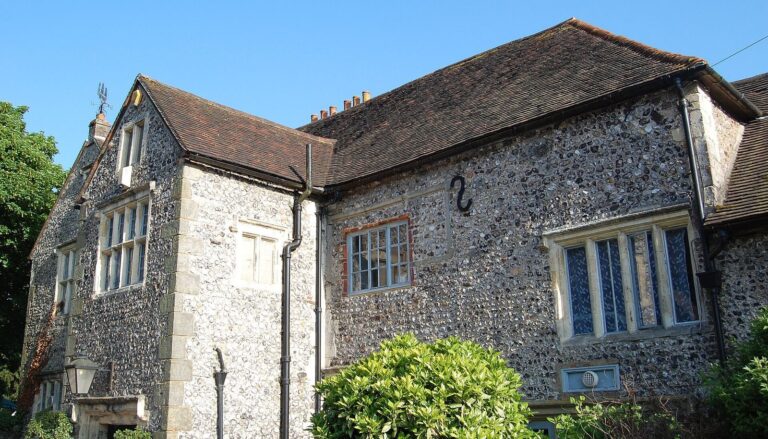
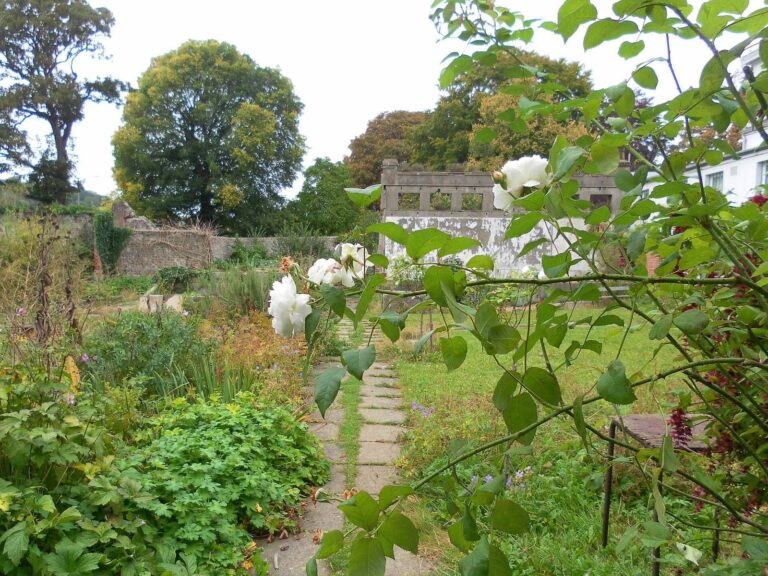
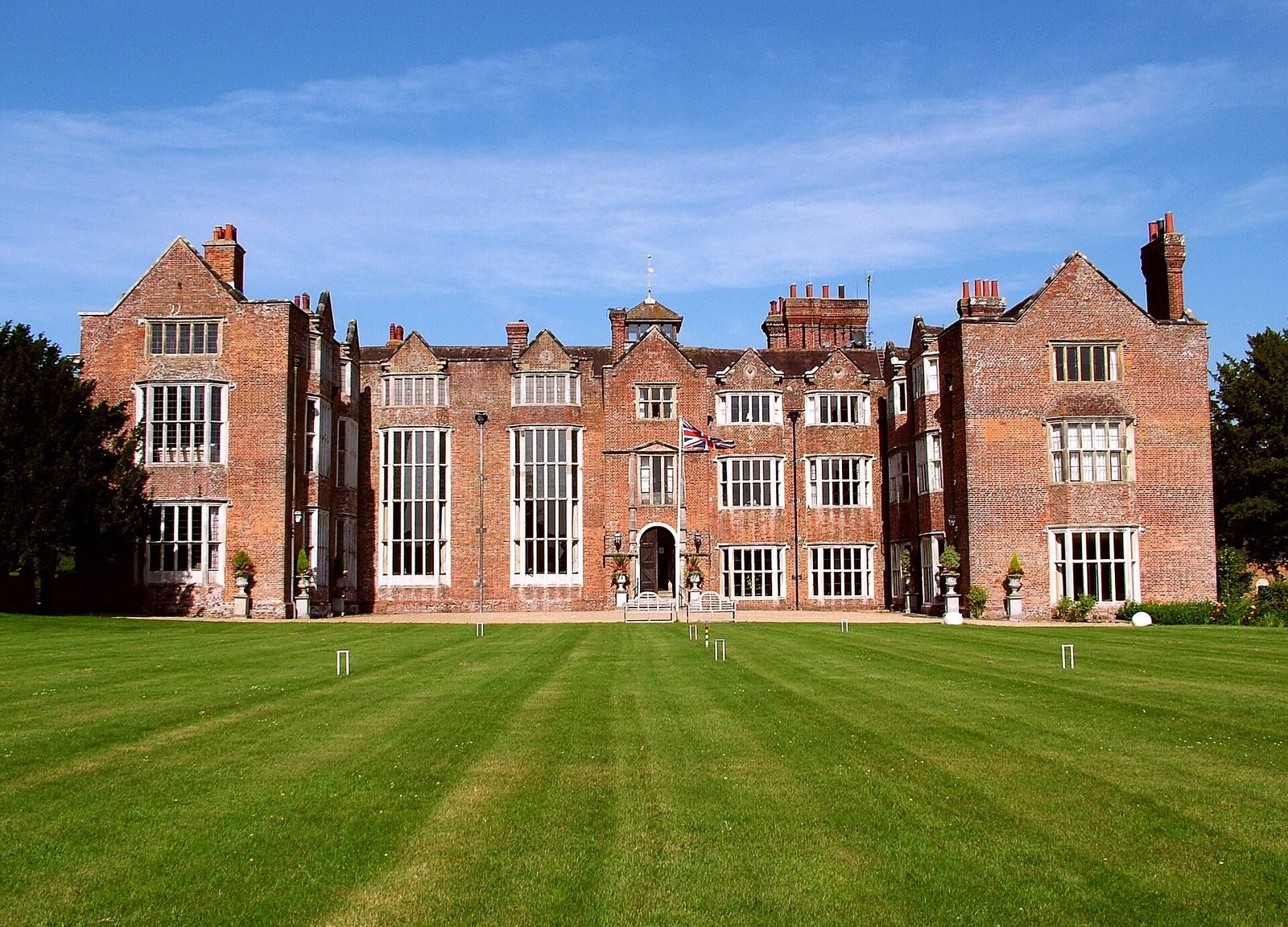
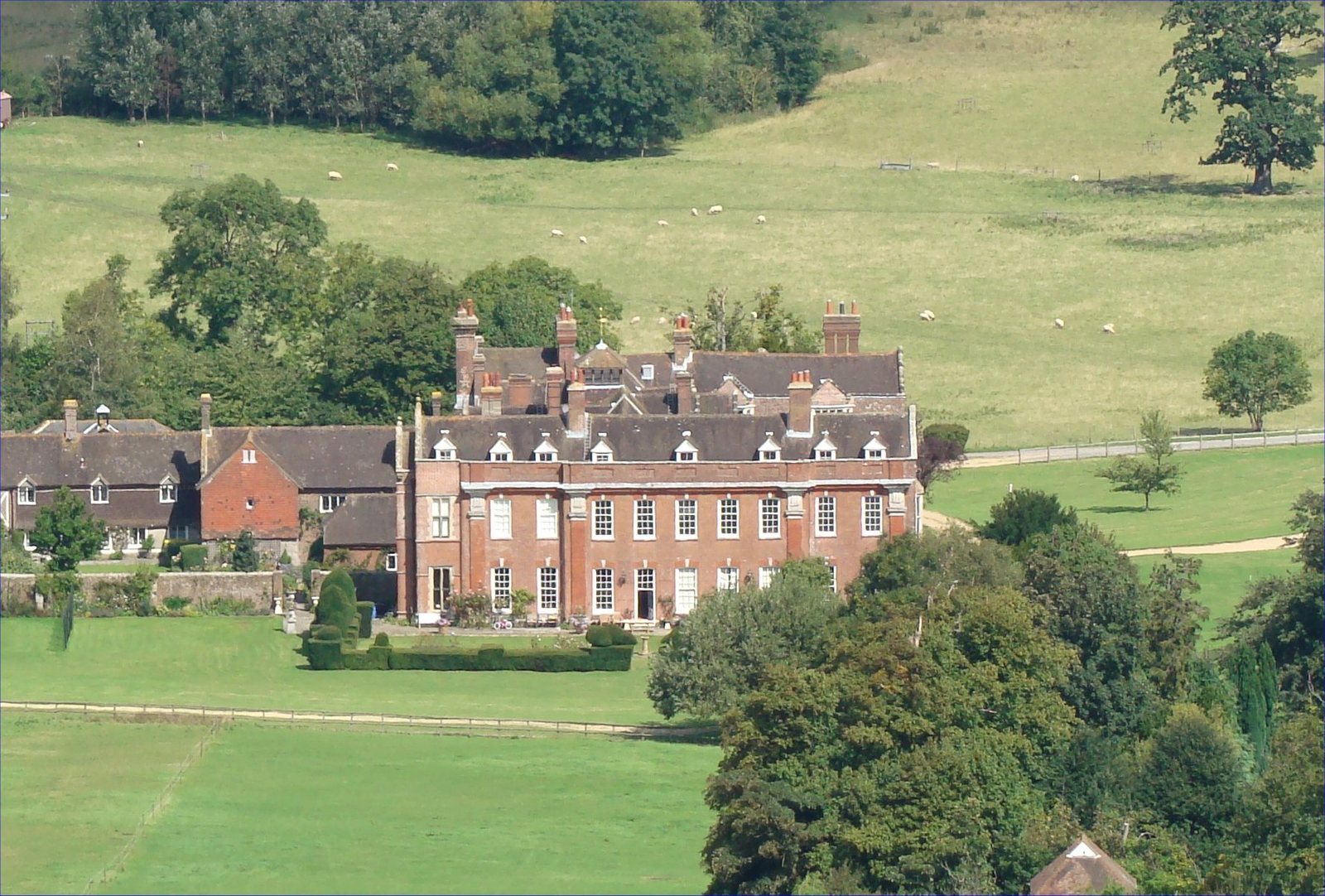
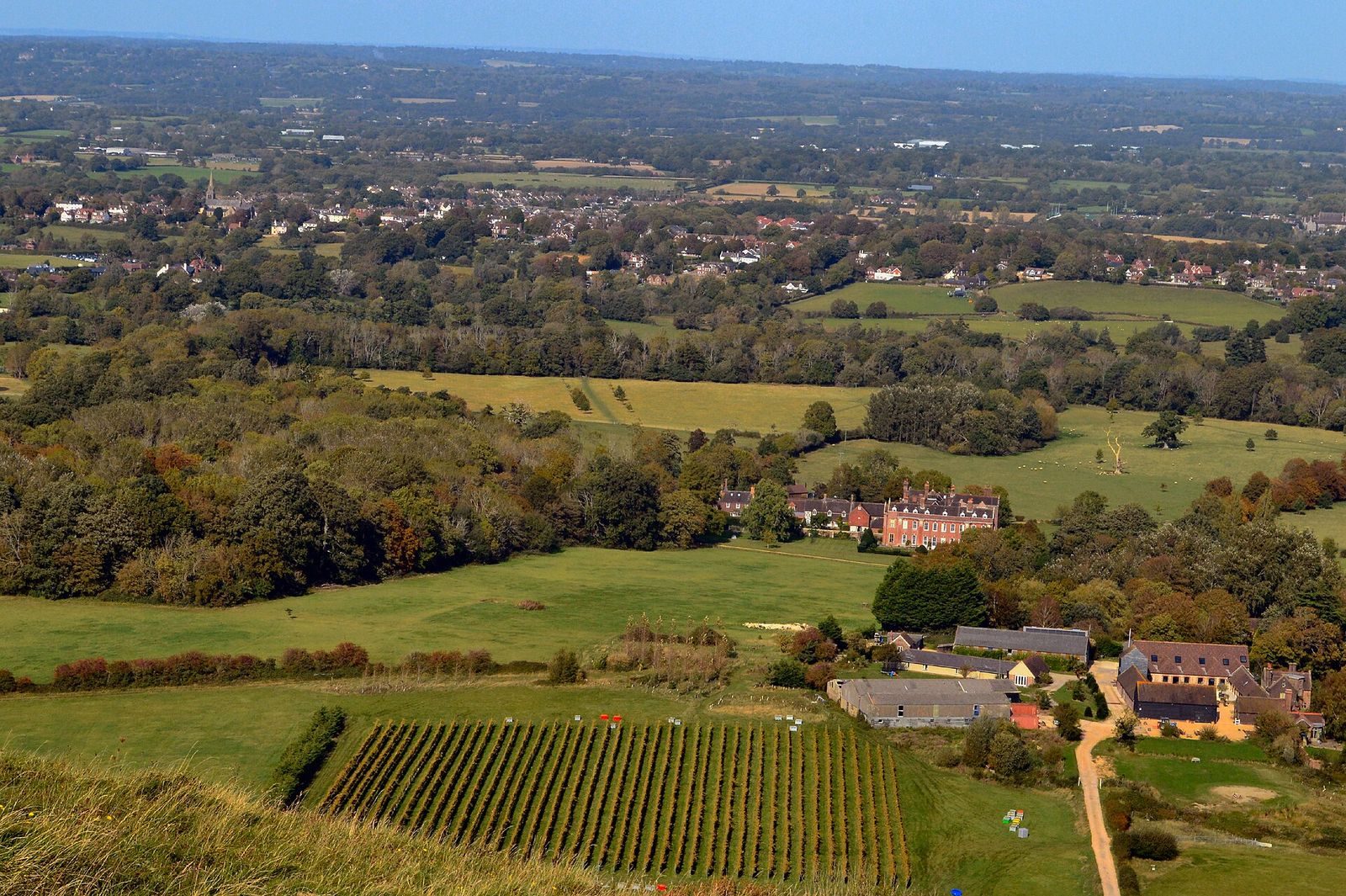
The red-brick mansion has three storeys and an E-shaped plan intended to refer to Queen Elizabeth I. Its gardens cover about 8 acres, within historic parkland of about 400 acres. The estate lies at the northern foot of Wolstonbury Hill in the South Downs landscape, and the house is prominent in views from the Downs.
The mansion
Plan and principal fronts
The east and south fronts are the house’s principal elevations. The east frontage dates to the 16th century and is built in brick; the south front reflects an early Georgian phase. Lead water pipes bearing the initials of Barbara Courthope and Henry Campion carry the date 1728.
Great Hall and icehouse
The Great Hall survives within the mansion. A well-preserved icehouse, a building used to store ice, also remains on the estate.
Parkland and landscape archaeology
Greensand Way
The Greensand Way ran east to west through Danny Park, changing direction on the hill north of the house. Its surviving traces include a hillside terrace, a hollow way, meaning a sunken track formed or deepened by use, and a raised strip leading toward a stream.
Wolstonbury Hill
The outline of a Bronze Age enclosure survives on nearby Wolstonbury Hill. A large artificial plateau on the hill’s western side is thought to mark the location of an Iron Age camp.
Danny Old One and park trees
Danny Old One, an oak in Sandy Field, probably began growing in the 14th century. Sandy Field forms part of the original park. The tree has a girth of 32.5 feet (9.9 metres) and may be the oldest oak in the Sussex Weald. Other large oaks in the park vary in age and form. An avenue of ancient elms once stood north of the house, but Dutch elm disease had killed the trees by the 1970s.
Woods and wildlife
The estate’s ancient woods include Stalkers, Randolph’s Copse, Foxhole Shaw, and Old Wood beside the house. Woodland plants include butterfly orchid, early purple orchid, wild garlic, and guelder rose; white admiral and silver-washed fritillary butterflies also occur there. Extensive planting of non-local trees, including horse chestnut, large-leaved lime, and common lime, has damaged Old Wood. Sand Field has supported a colony of beewolves, solitary wasps that hunt bees and mine sandy soil, though their numbers appear to have fallen.