Parish Church of St Derfel: A Medieval Parish Church in Llandderfel
Site at a Glance
- Rating
- 5
- Popularity
- Very Low
- Country
- United Kingdom
- Primary era
- Early Modern
- Eras represented
- Medieval, Early Modern
- Civilizations
- English
- Site type
- Religious
- Remains
- Church
On this page6 sections
History
Origins and pilgrimage
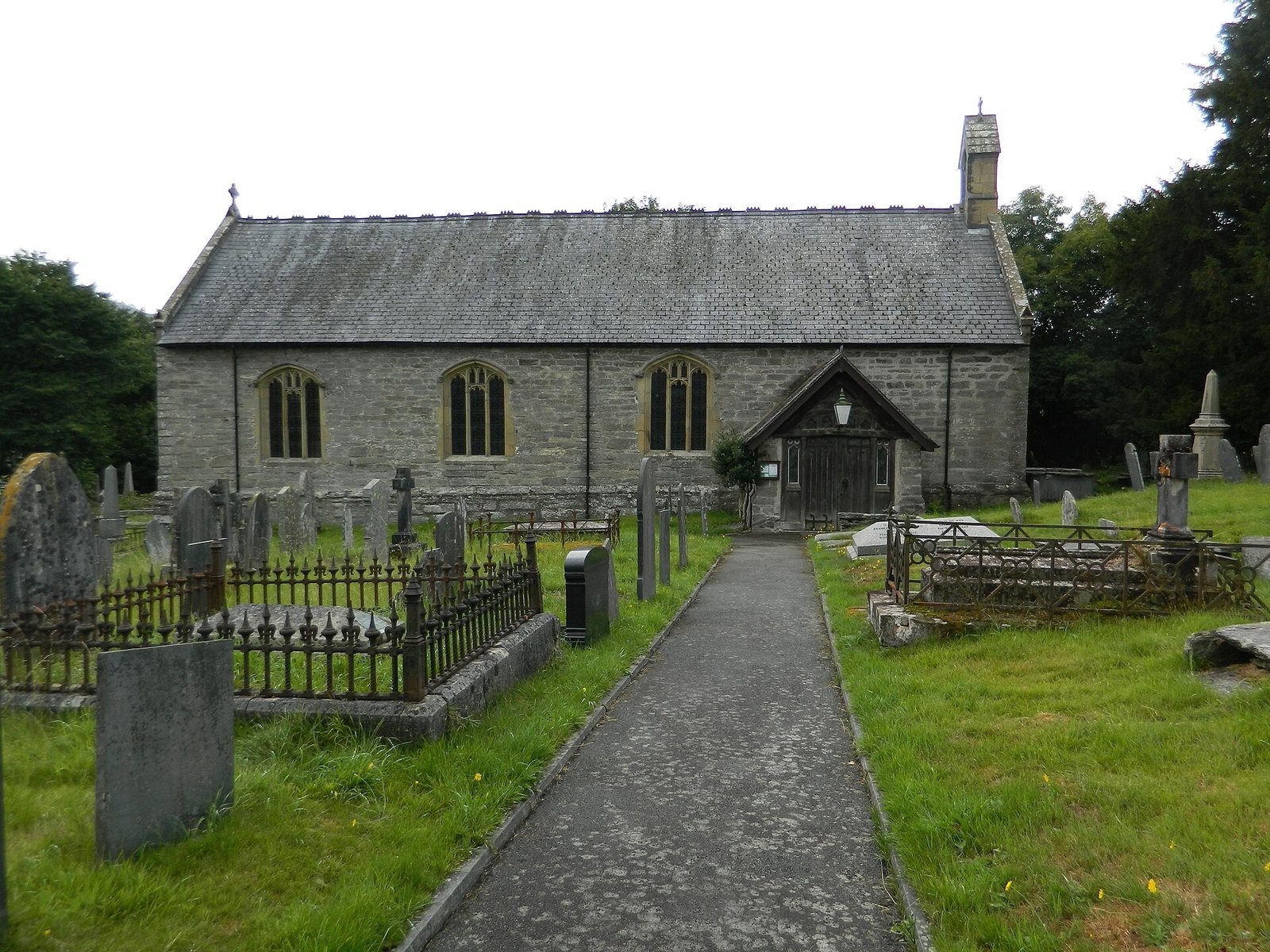
The Parish Church of St Derfel stands at the edge of Llandderfel in Gwynedd, Wales, United Kingdom. Its church building dates from the early sixteenth century, during the Tudor period, while its religious origins reach back to a pre-Norman clas, an early Welsh ecclesiastical community. The church became the focus of a major medieval pilgrimage devoted to Saint Derfel.
Tradition names Derfel as the church’s founder and places his life in the fifth or sixth century. It says he survived the Battle of Camlann, the legendary battle associated with King Arthur’s death, and later became a monk. The same tradition connects him with churches at Llandderfel and near Cwmbran in South Wales.
Reformation and later history
In 1538, Thomas Cromwell, chief minister to Henry VIII, ordered the removal of Derfel’s wooden statue. Villagers offered £40 to Ellis Price, Cromwell’s enforcer in North Wales, to save it. The statue was taken to London and burned as kindling on the pyre used to burn John Forest, a Franciscan friar venerated as a martyr.
The church was largely rebuilt in the early seventeenth century and restored in 1870. Welsh poet Dewi Havhesp, who lived in the village for many years, is buried in its churchyard. The church belongs to the Church in Wales, the Anglican church in Wales, and is a parish church in the Diocese of St Asaph and the Archdeaconry of Montgomery. Occasional services are held. It received Grade I listed status on 20 October 1966, the highest listed-building category in Wales, for buildings of exceptional interest.
Remains
Plan and building fabric
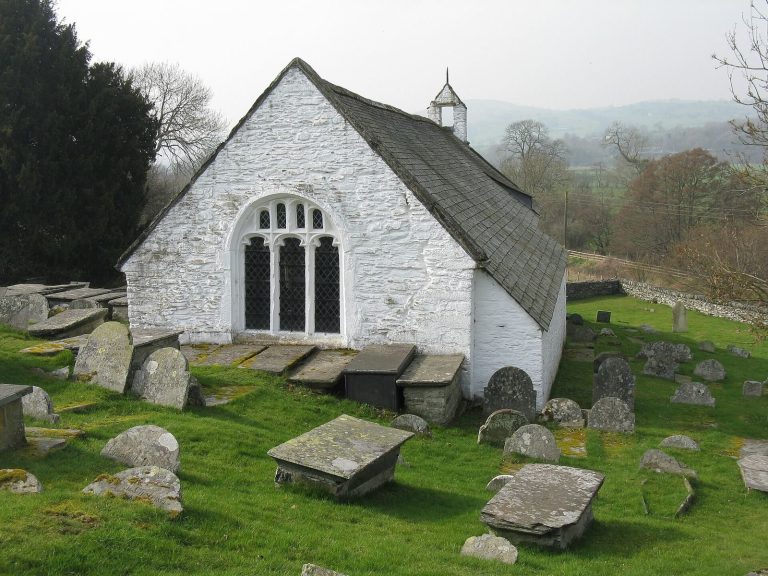
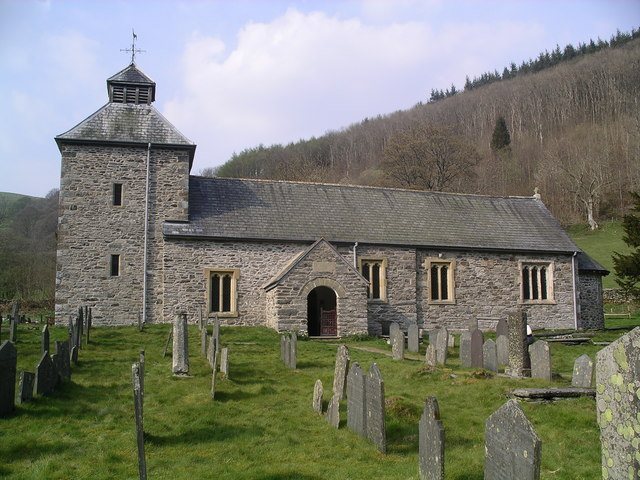
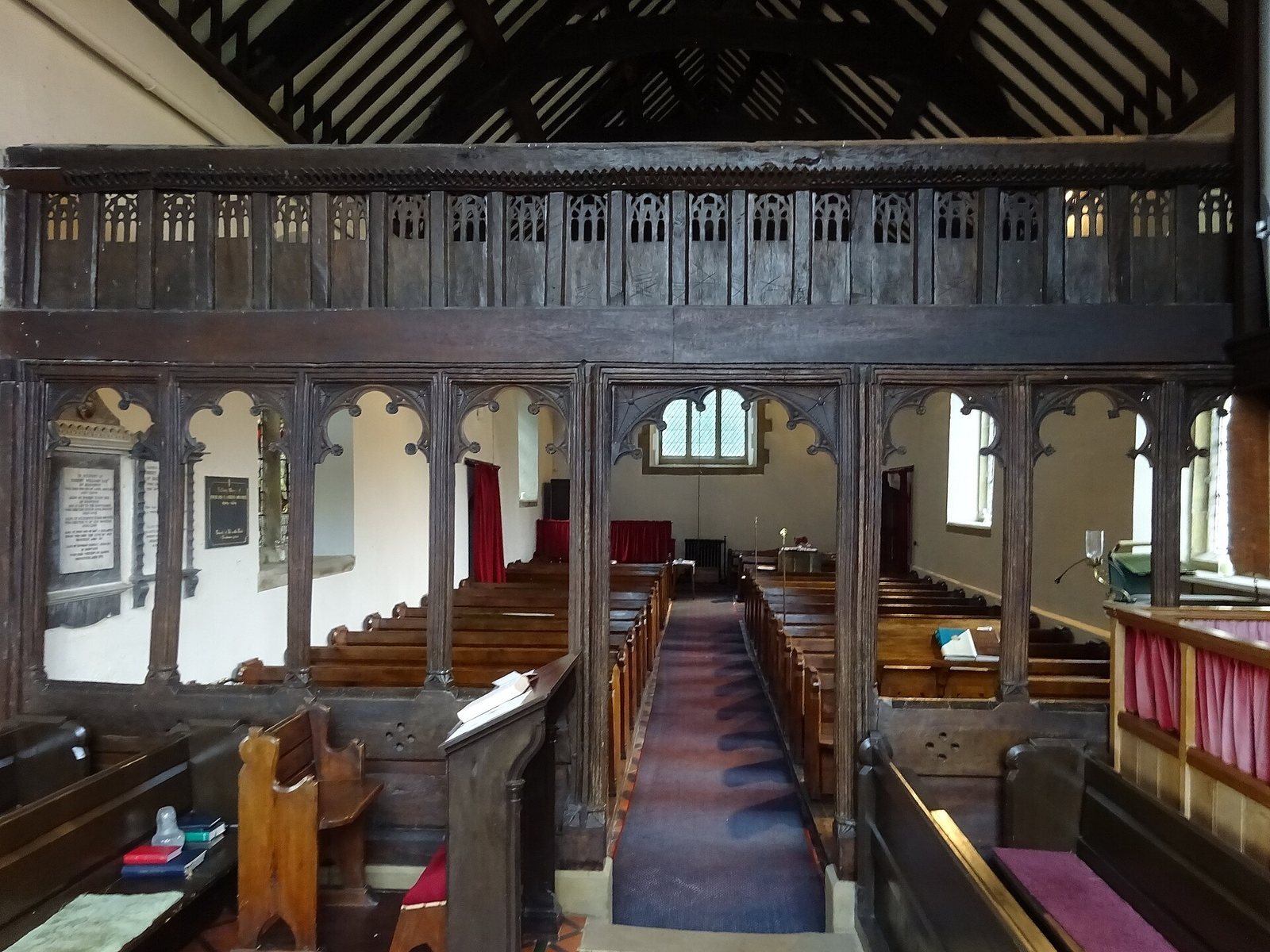
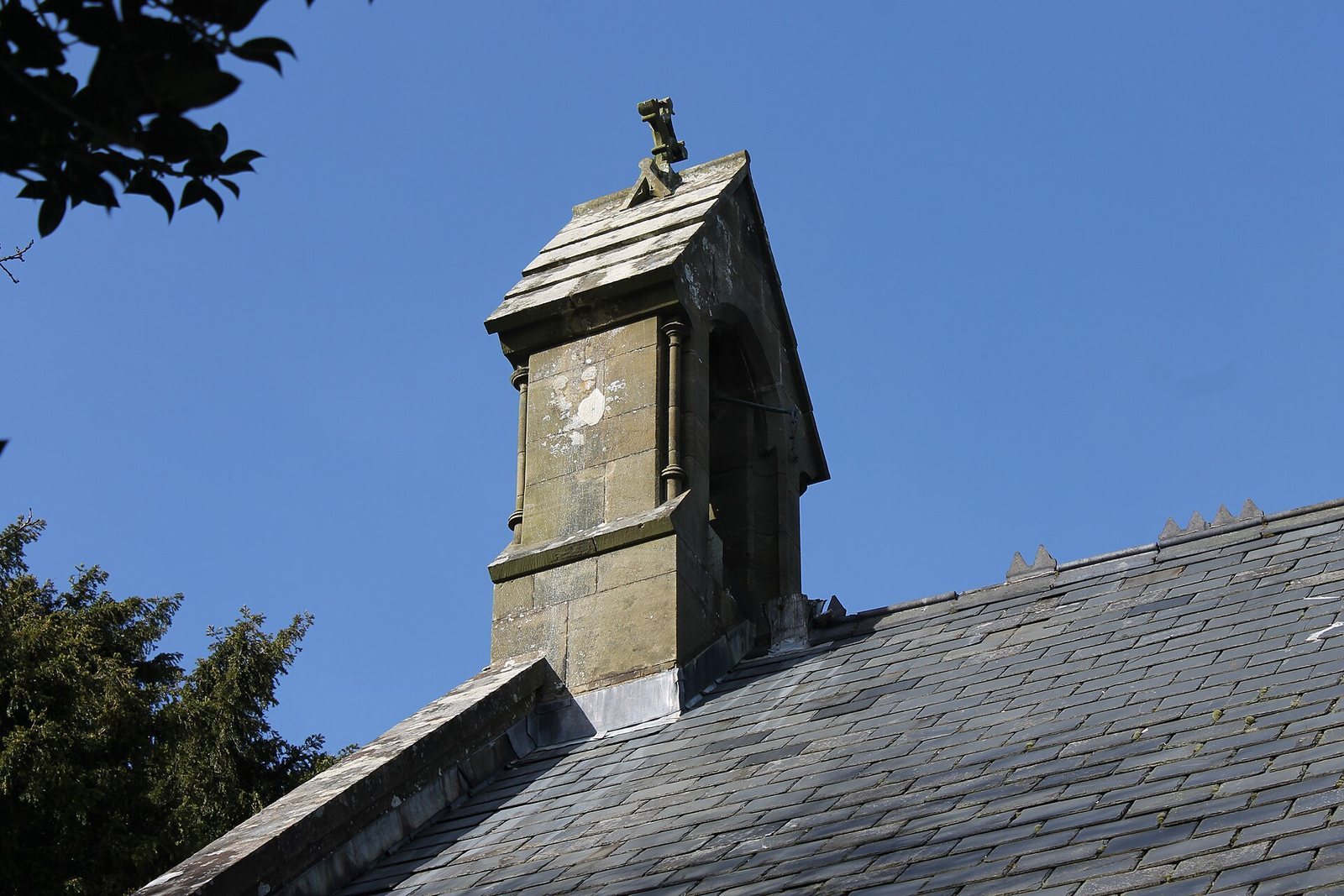
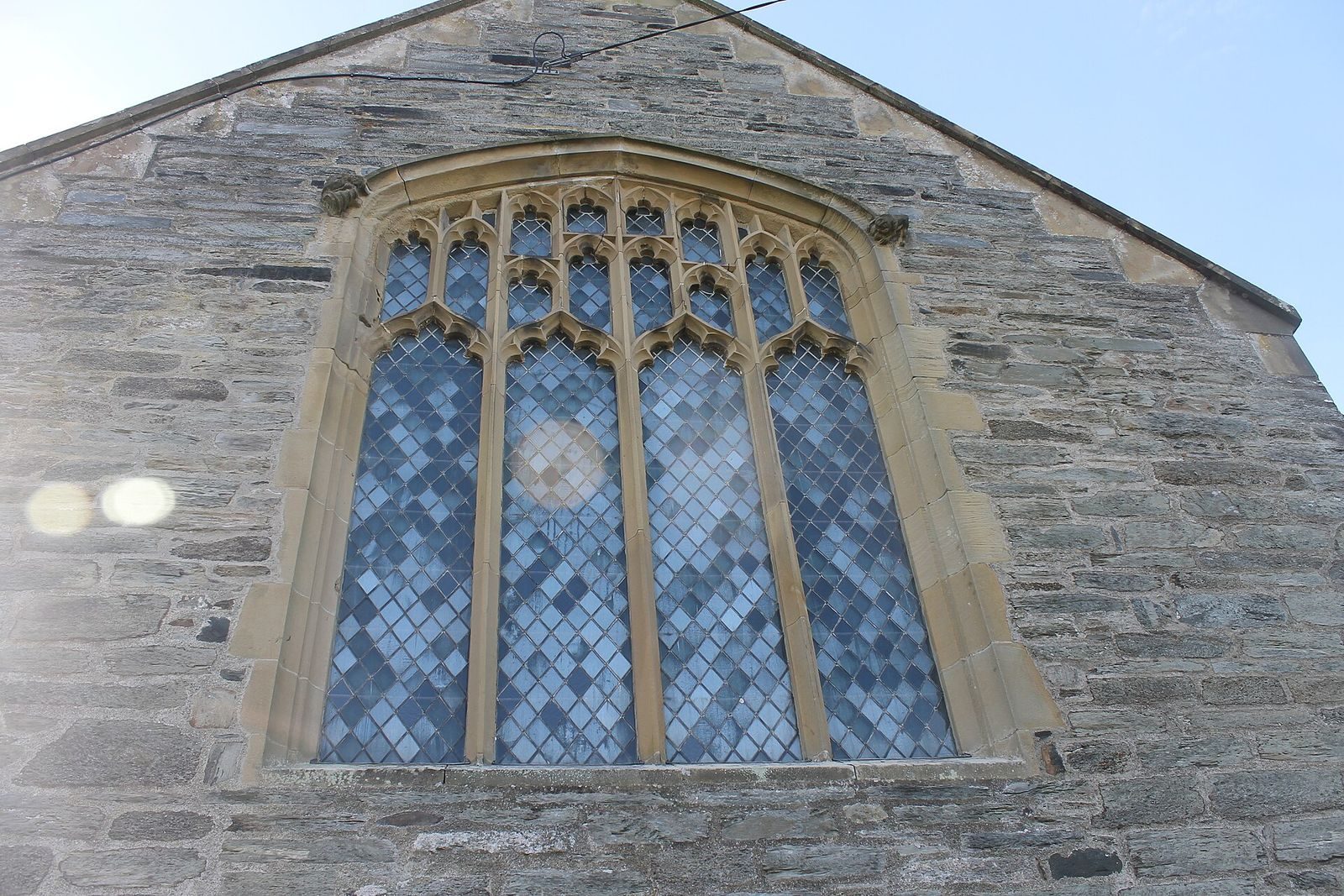
The church’s plan places the nave, or main body, and chancel, the space around the altar, in a cross-shaped arrangement with a porch and vestry, a room used by the clergy. A bellcote, a small roof structure for a bell, rises above the building. Local slate stone forms the walls, and Welsh slate covers the roof. Its original Tudor roof survives. The late-medieval interior remains well preserved, with historic detail and much of the exterior character intact.
Interior and churchyard features
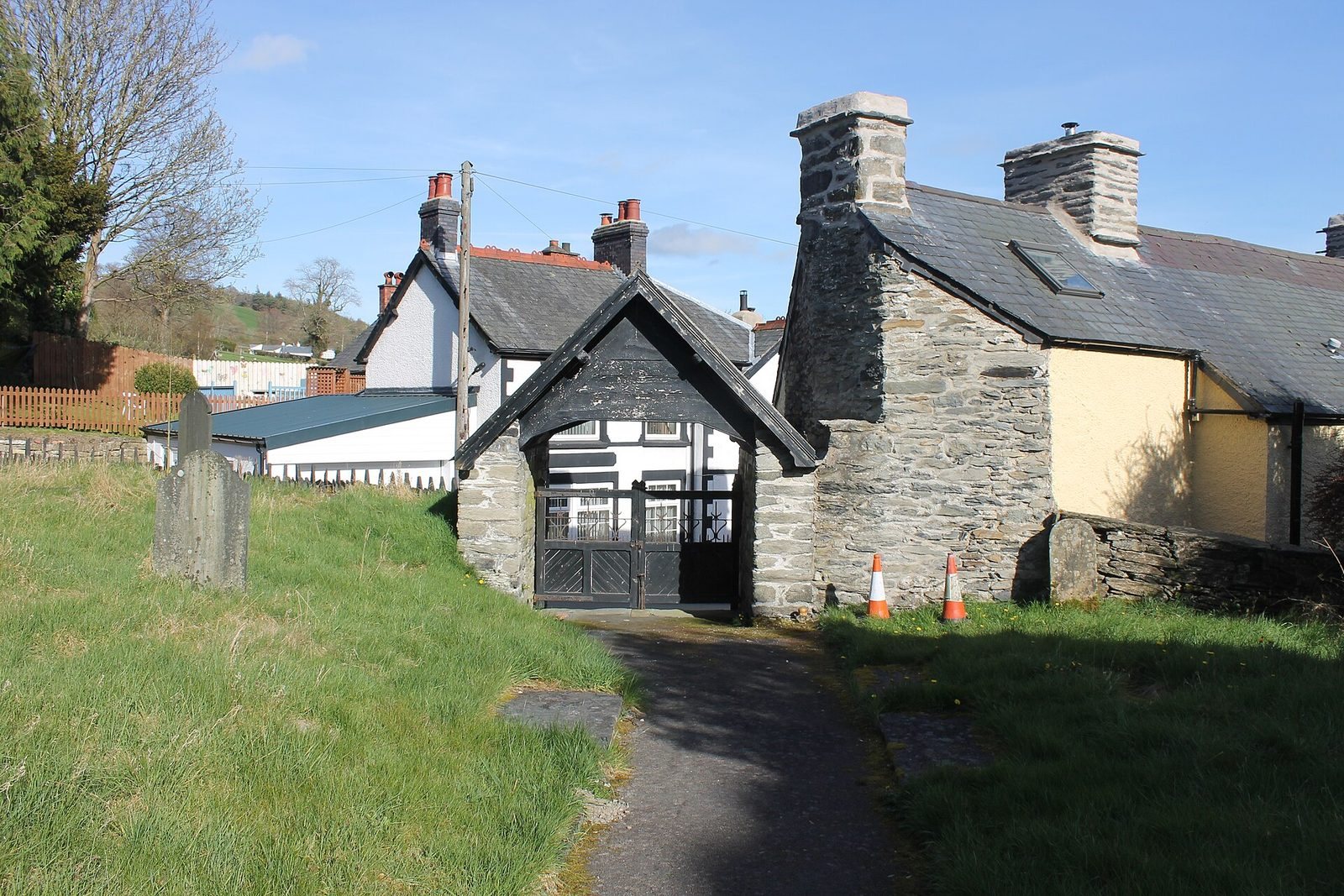
The church contains the Ceffyl Derfel, meaning Derfel’s horse, an effigy of an animal that may be a horse or a stag. It once stood beside the wooden image of Derfel, shown in full armour and venerated in the church. The surviving animal figure lost its head in the eighteenth century and is an exceptionally rare medieval relic. A lychgate, a covered gateway at a churchyard entrance, is also associated with the church.