Nantclwyd Hall: A Welsh Mansion and Estate
Site at a Glance
- Popularity
- High
- Country
- United Kingdom
- Primary era
- Early Modern
- Eras represented
- Early Modern, Modern
- Civilizations
- British, English
- Site type
- Domestic
- Remains
- Manor House
On this page11 sections
History
Parry and Thelwall ownership
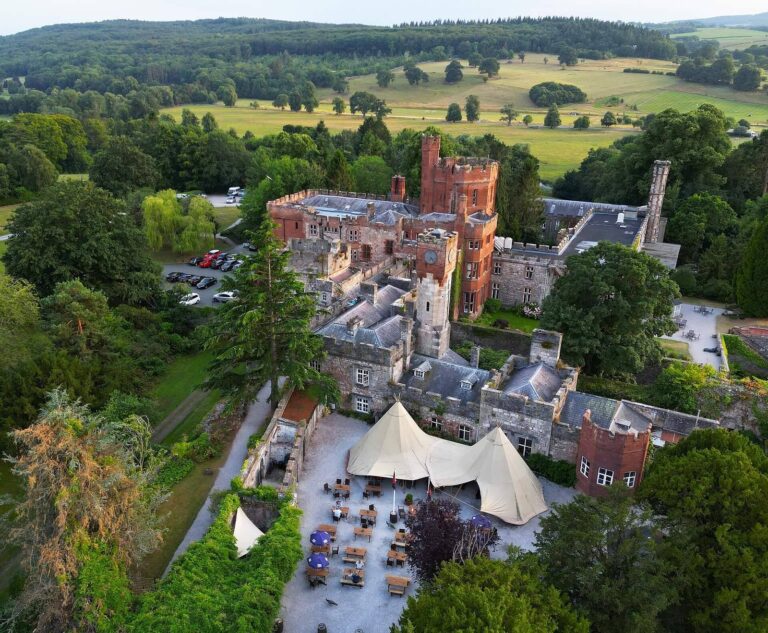
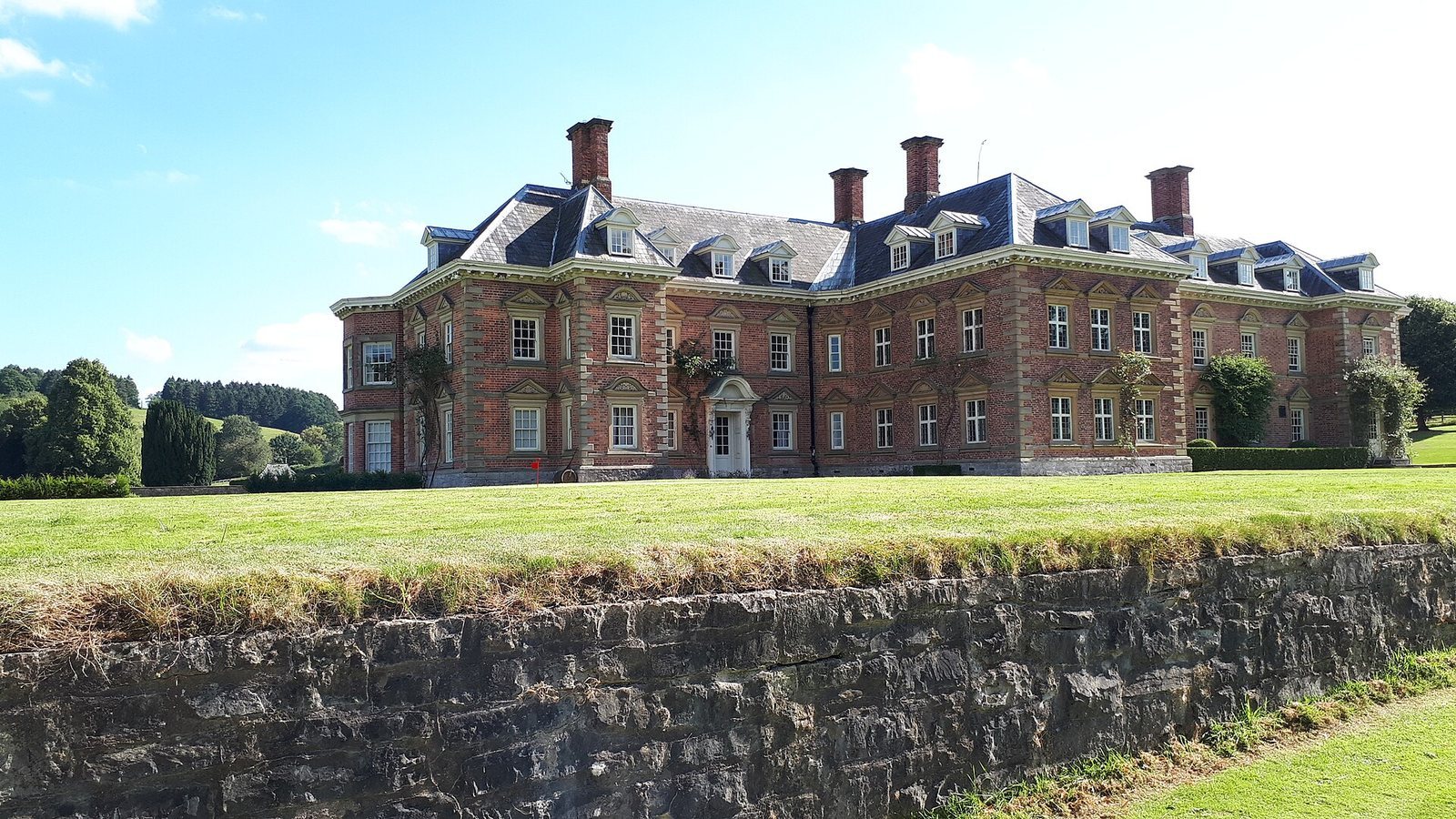
Nantclwyd Hall is a seventeenth-century mansion near Llanelidan in Denbighshire, Wales, United Kingdom, built by the Parry family. In 1571, Thomas Wyn ap John ap Harry acquired land at Llanelidan and Nantclwyd y Dre, a separate medieval house. His son Simon Parry purchased more land at Llanelidan in 1603. Deeds from that year use “Nantclwyd,” probably for the township rather than the house; the name means “the brook over the River Clwyd.”
An earlier dwelling called Pont-y-gof probably stood at or near the present hall. A marriage settlement from 1620 names Simon Parry and Jane Thelwall’s home as “Plas yn Pont y Go.” The buildings of the current hall began in the seventeenth century. Simon died in 1627, leaving the house to his son William; his eldest son had been disinherited. An inventory made that year described the household furnishings. William’s only daughter, Mary, inherited an estate of a thousand acres around Llanelidan, as well as Nantclwyd y Dre.
Mary married Eubule Thelwall in 1653. The Thelwalls, like the Parrys, were a family of lawyers, and Eubule had come to the Ruthin area from Thelwall in Cheshire. He lived at Nantclwyd from 1662, expanded the estate during the 1660s and took an interest in gardening. The couple appear to have moved to their town house in 1688, when their son Eubule came of age. His death in 1713 ended the main Thelwall line at Nantclwyd. His daughter Martha inherited the main estate and married Andrew Kenrick of Cernioge.
The Naylor-Leylands and lawn tennis
During the nineteenth and twentieth centuries, Nantclwyd became the country seat of the Naylor-Leyland baronets. Herbert Naylor-Leyland (1864–99) lived there, followed by his son Albert (1890–1952), the second baronet. In 1873, Major Walter Clopton Wingfield introduced friends at the estate to an early lawn-tennis game he called “Sphairistike.” The rules of modern tennis were created there.
Sir Vivyan Edward Naylor-Leyland, the third baronet, later commissioned Welsh architect Clough Williams-Ellis to reduce the main house, remove its rear wings and remodel the grounds and associated buildings. Nantclwyd Hall is the residence of Sir Philip Vyvyan Naylor-Leyland, the fourth baronet. The hall has held Grade II* status since 16 July 1966, a UK category for buildings considered particularly important and of more than special interest.
Remains
The hall and formal grounds
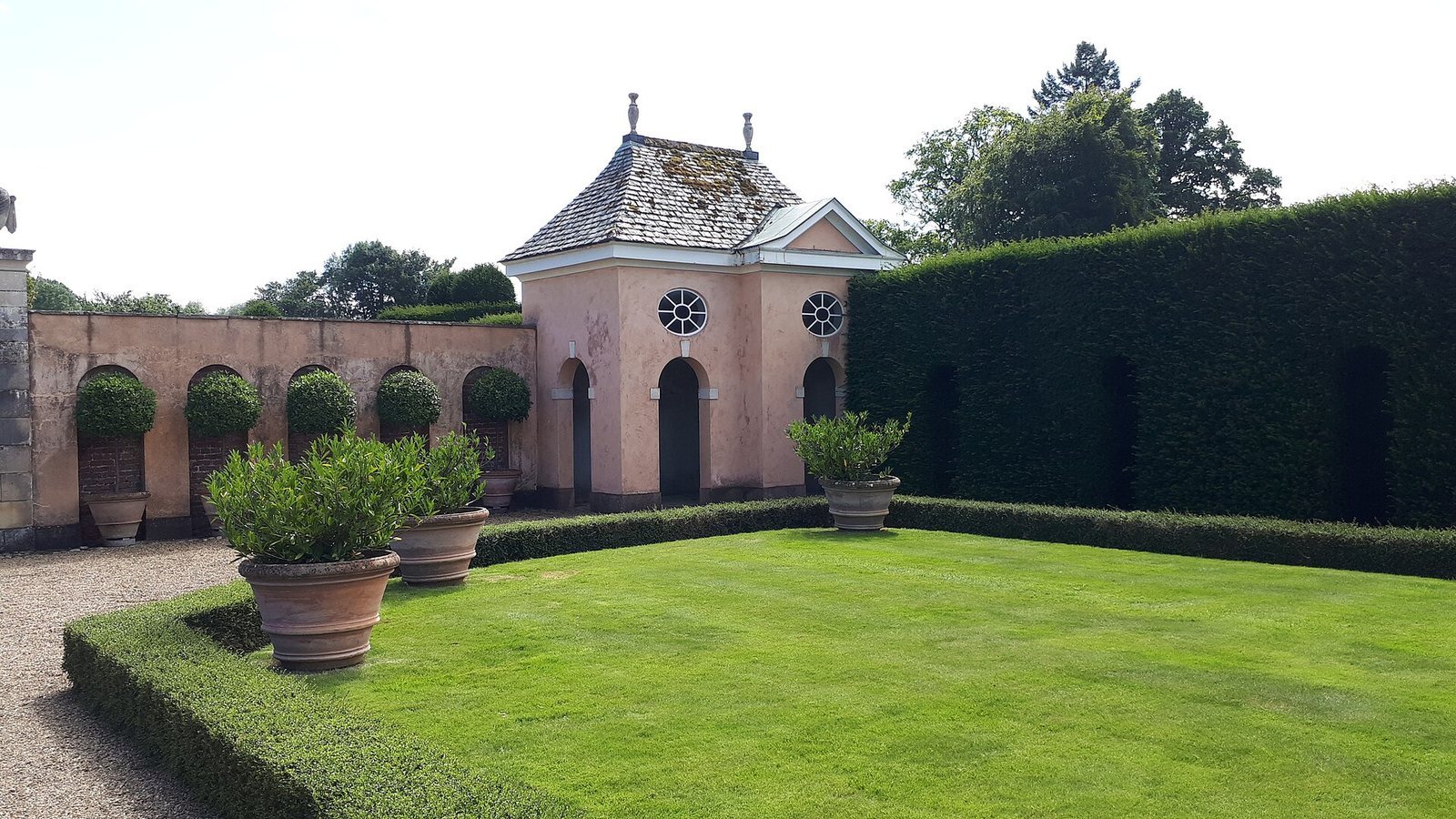
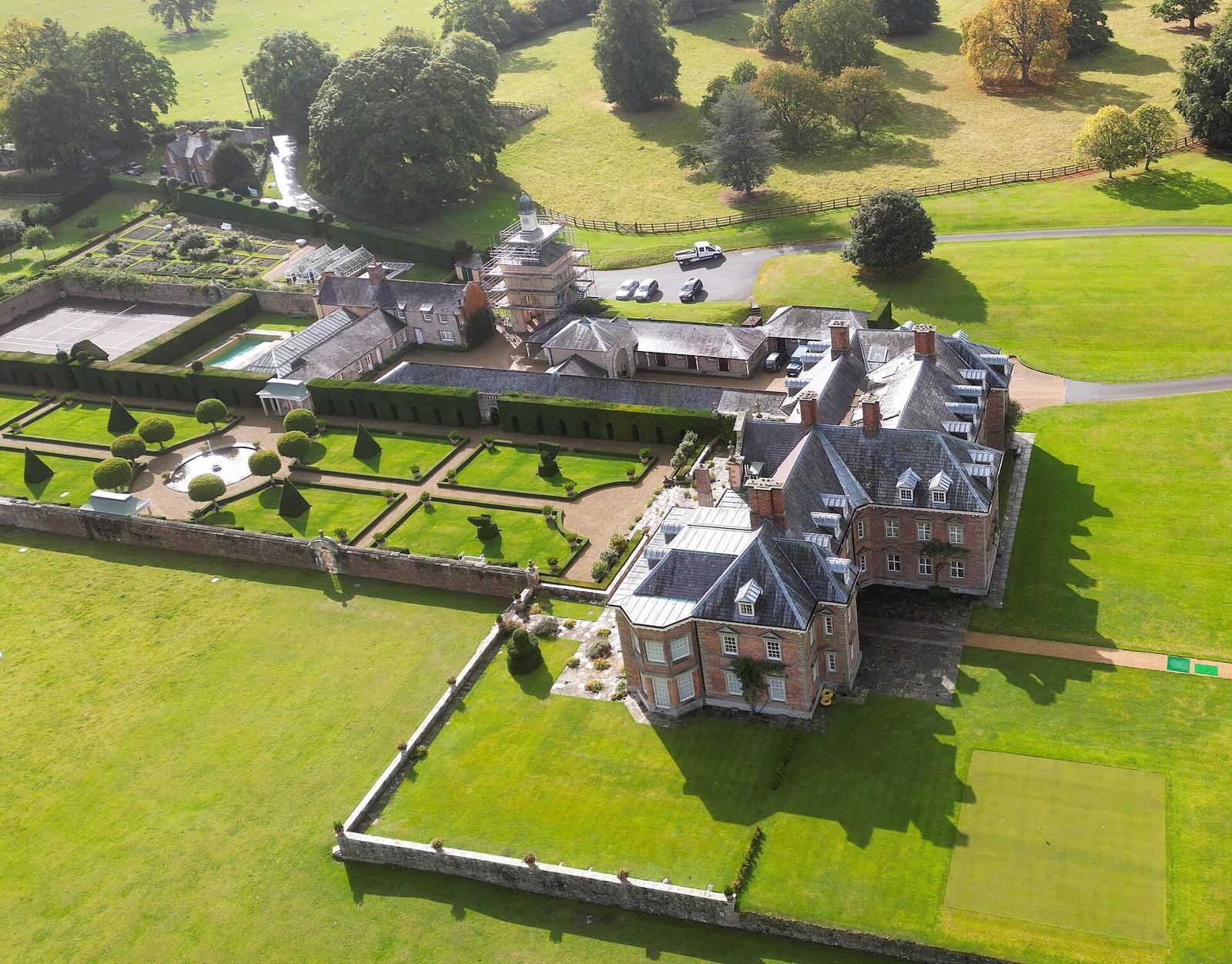
The estate includes the main mansion, formal grounds and a range of separate structures. The hall’s south elevation faces a formal garden. Gates and gazebos stand on parts of the site once occupied by demolished sections of the house.
Entrances and estate buildings
Gateways and service yard
The main gateway leads to the hall, while the west gates were formerly the main entrance. East and west gateways stand along the south perimeter road, and a west entrance lodge is among the estate’s structures. An archway with a clock tower marks the entrance to the service yard. A sculpture of a stag and hounds on a pedestal stands on the approach axis to the hall.
Drive and associated structures
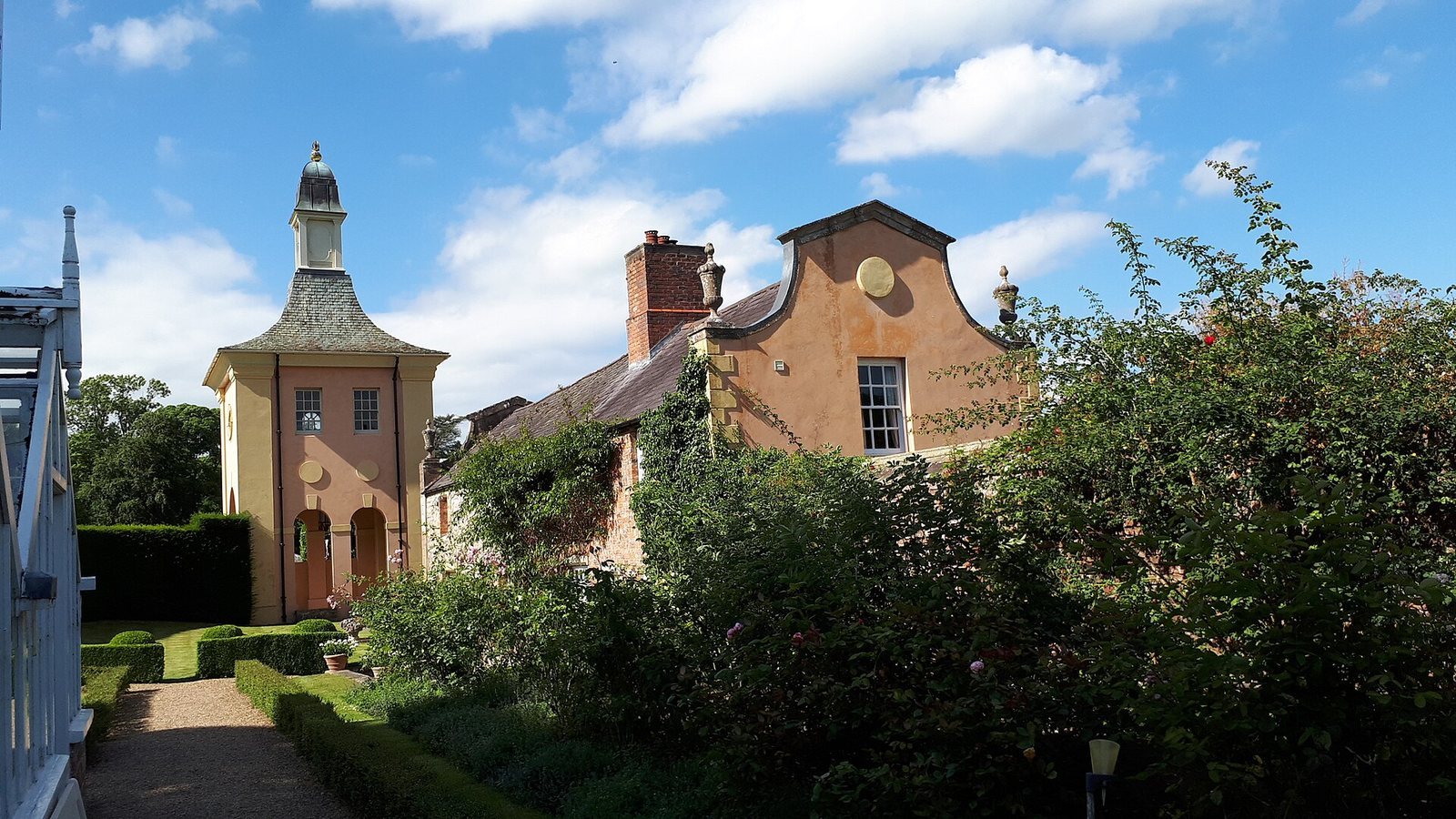
A bridge carries the main drive over a river. Other estate structures include stables with a clock tower, a ceremonial arch, a dovecote and a fibreglass temple. An office range lies southwest of the hall.
Gardens and water features
Walled garden and grotto
The walled garden lies southeast of the hall and contains gazebos and pavilions. The grounds also include a grotto commissioned by Sir Philip Vyvyan Naylor-Leyland.
Pond and lakeside features
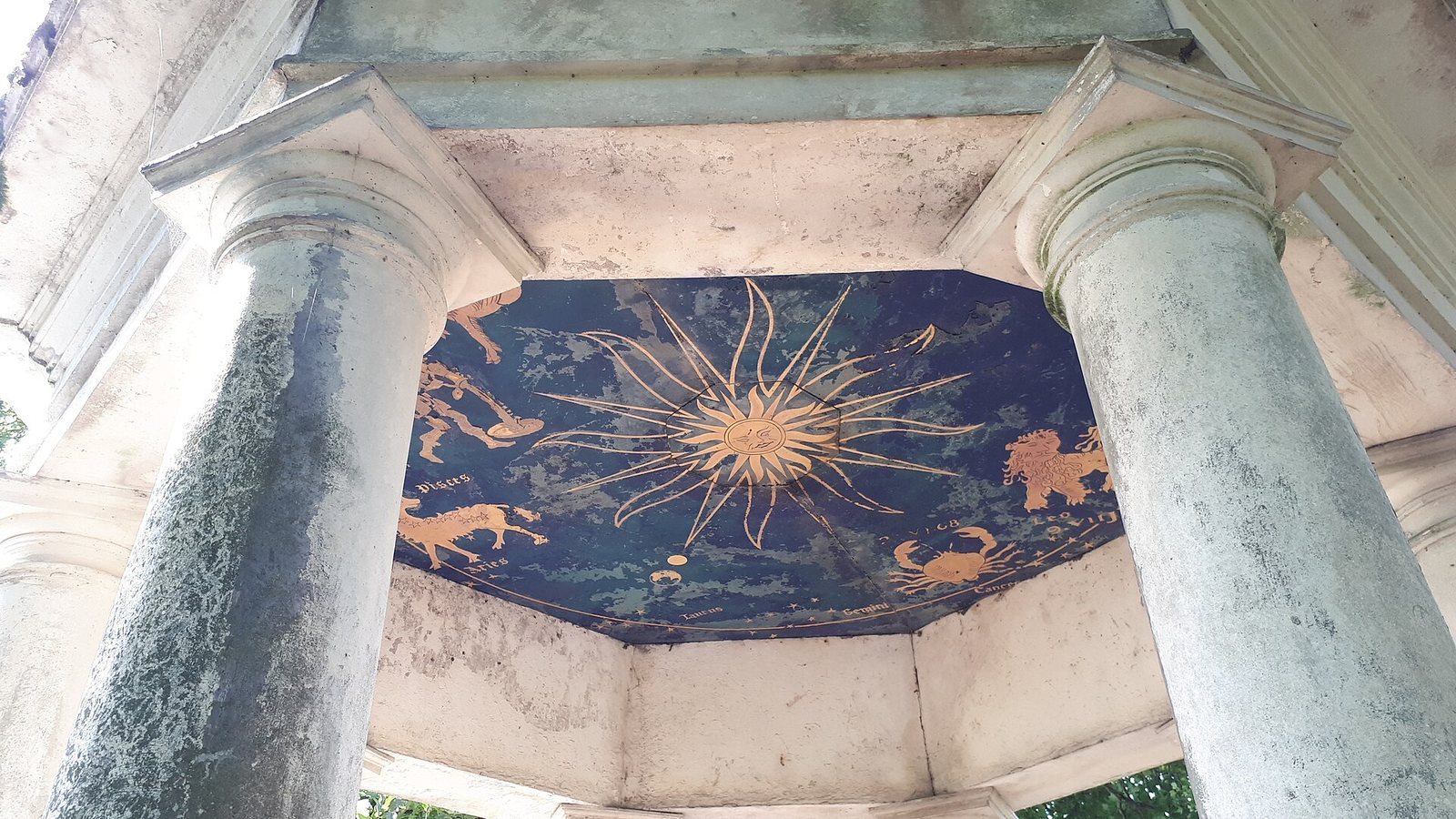
A castellated shooting hide stands above a pond outfall, and a rotunda is located beside a lake.