Cobham Hall: A Historic Manor House in Kent
Site at a Glance
- Popularity
- High
- Country
- United Kingdom
- Primary era
- Early Modern
- Eras represented
- Early Modern, Modern
- Civilizations
- British, English
- Site type
- Domestic
- Remains
- Manor House
On this page15 sections
History
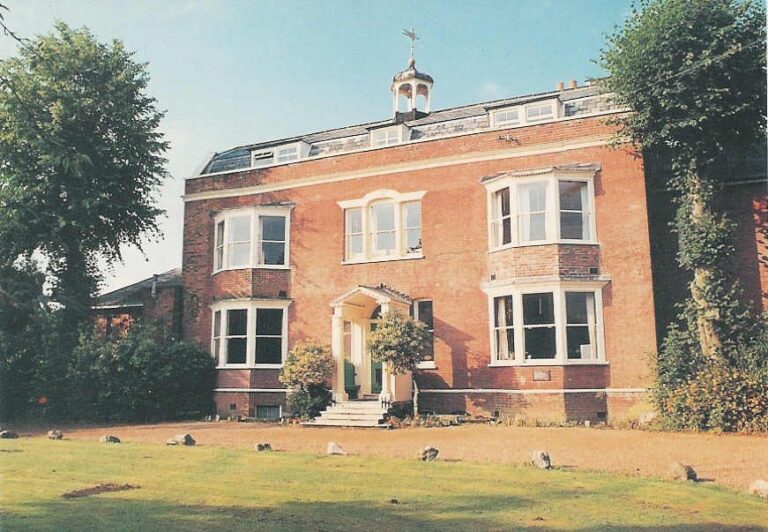
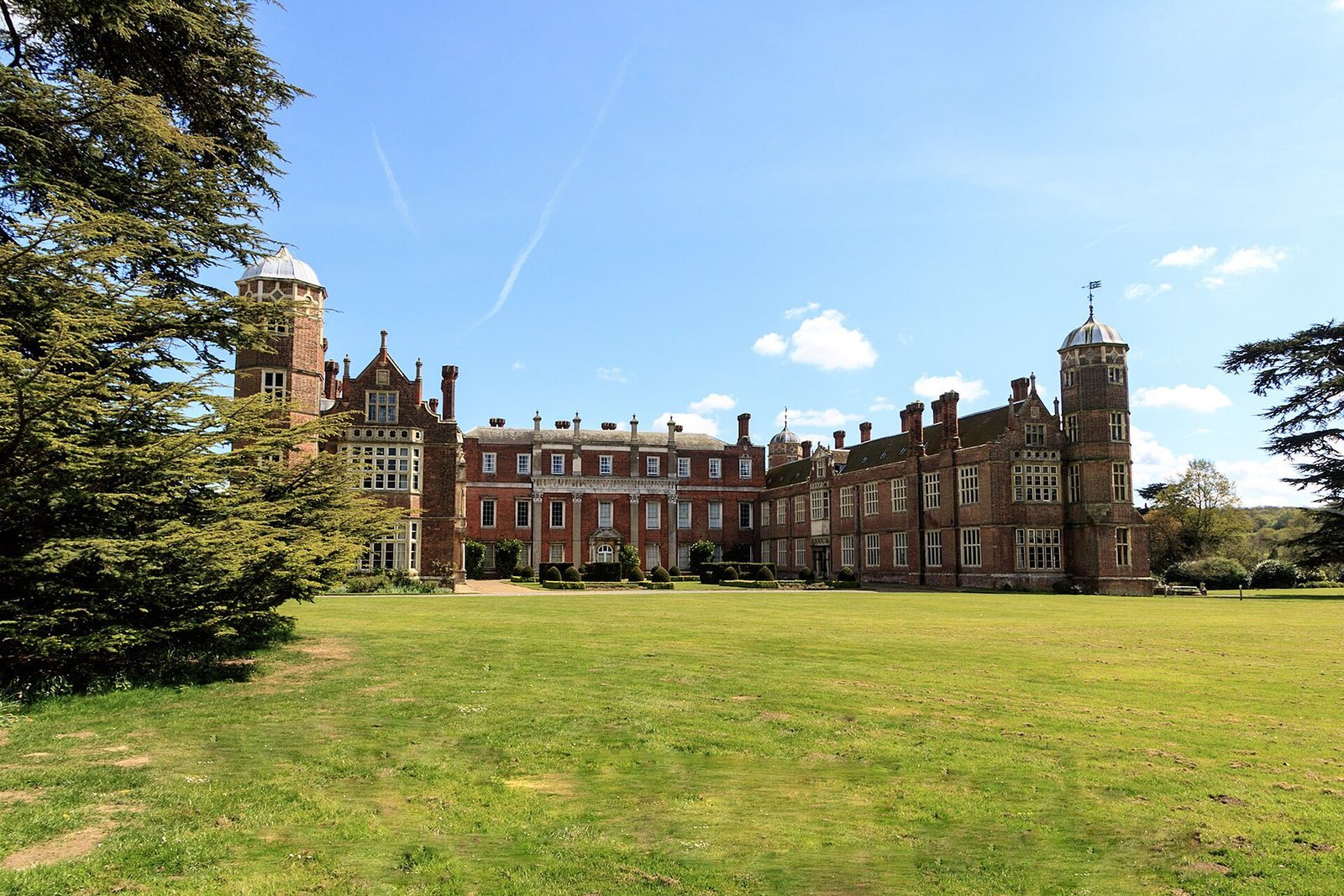
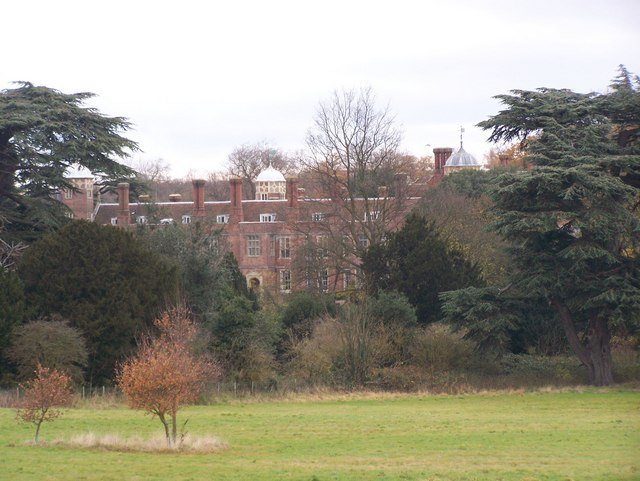
Cobham Hall is a manor house in Kent, United Kingdom, with a history as a residence reaching back to the 12th century. William Brooke, 10th Baron Cobham, rebuilt it in the 16th century as an Elizabethan prodigy house, an unusually ambitious residence intended to display its owner’s wealth and status. The wider building campaign is dated from 1584 to 1672. The Cobham family, the Stewarts, Earls of Lennox, and the Blighs, later Earls of Darnley, were associated with ownership.
Stewart-era rebuilding
For Charles Stewart, 3rd Duke of Richmond and 6th Duke of Lennox, London architect Peter Mills remodelled the central Cross Wing in 1661–63. A rebuilding of the central block is dated to 1672–82.
Bligh family and Georgian alterations
The hall passed to the Bligh family in the 18th century. For John Bligh, 3rd Earl of Darnley, Sir William Chambers extended the attic storey and made other changes around 1767–70. A kitchen court was added at the rear in 1771–73, while George Shakespear carried out extensive interior work between 1770 and 1781.
John Bligh, 4th Earl of Darnley, inherited the house in 1781 and commissioned James Wyatt to alter the interiors and design stables and a dairy. Landscape designer Humphry Repton prepared a plan for the estate and completed an illustrated Red Book of proposed improvements for Cobham in 1790.
Art collection and later use
The 4th Earl built an art collection in part from the Orleans Collection, a major European group of paintings associated with the House of Orléans. As the family’s finances weakened during the agricultural depression, the collection was sold in stages. Tintoretto’s The Origin of the Milky Way and Veronese’s Four Allegories of Love went to the National Gallery in 1890. Titian’s The Rape of Europa was sold to P. & D. Colnaghi in 1896 and is now at the Isabella Stewart Gardner Museum. Another portion was auctioned at Christie’s in 1925, and the remainder at Sotheby’s in 1957.
During the First World War, Cobham Hall served as an Australian convalescent hospital. Matron Mary Anne Pocock, who had served in Egypt and received the second-class Royal Red Cross, led it for a period. The hall remained the Earls of Darnley’s family home until 1957. Cobham Hall School, a private day and boarding school, was established there in 1962 and occupies the building, retaining 150 acres of the historic estate.
The hall became a Grade I listed building in 1952, a category for buildings of exceptional interest. Its park and garden received Grade II* status in 1986, a category for particularly important heritage assets.
Remains
The main house combines a pair of Tudor wings with a later classical central block, known as the Cross Wing. Later changes include an extended attic storey and a kitchen court at the rear. The estate also includes the West Court, identified as part of Cobham Hall.
Interiors and fittings
Gilt Hall
The two-storey Gilt Hall was designed and installed by George Shakespear, a London master carpenter and architect.
Organ
The hall contains an organ built by John Snetzler in 1778–79.
Picture gallery and dining room
James Wyatt’s interior work included the picture gallery and dining room.
Library and Queen Elizabeth’s Room
George Stanley Repton and his brother John Adey Repton fitted out the library in 1817–20 in the Jacobethan style, a revival drawing on Elizabethan and Jacobean architecture. Their work also included the ceiling of Queen Elizabeth’s Room, dated 1817.
Courts and service buildings
Kitchen court
The kitchen court stands at the rear of the house.
Stables
The stables were designed by James Wyatt as part of his work for the 4th Earl of Darnley.
Dairy
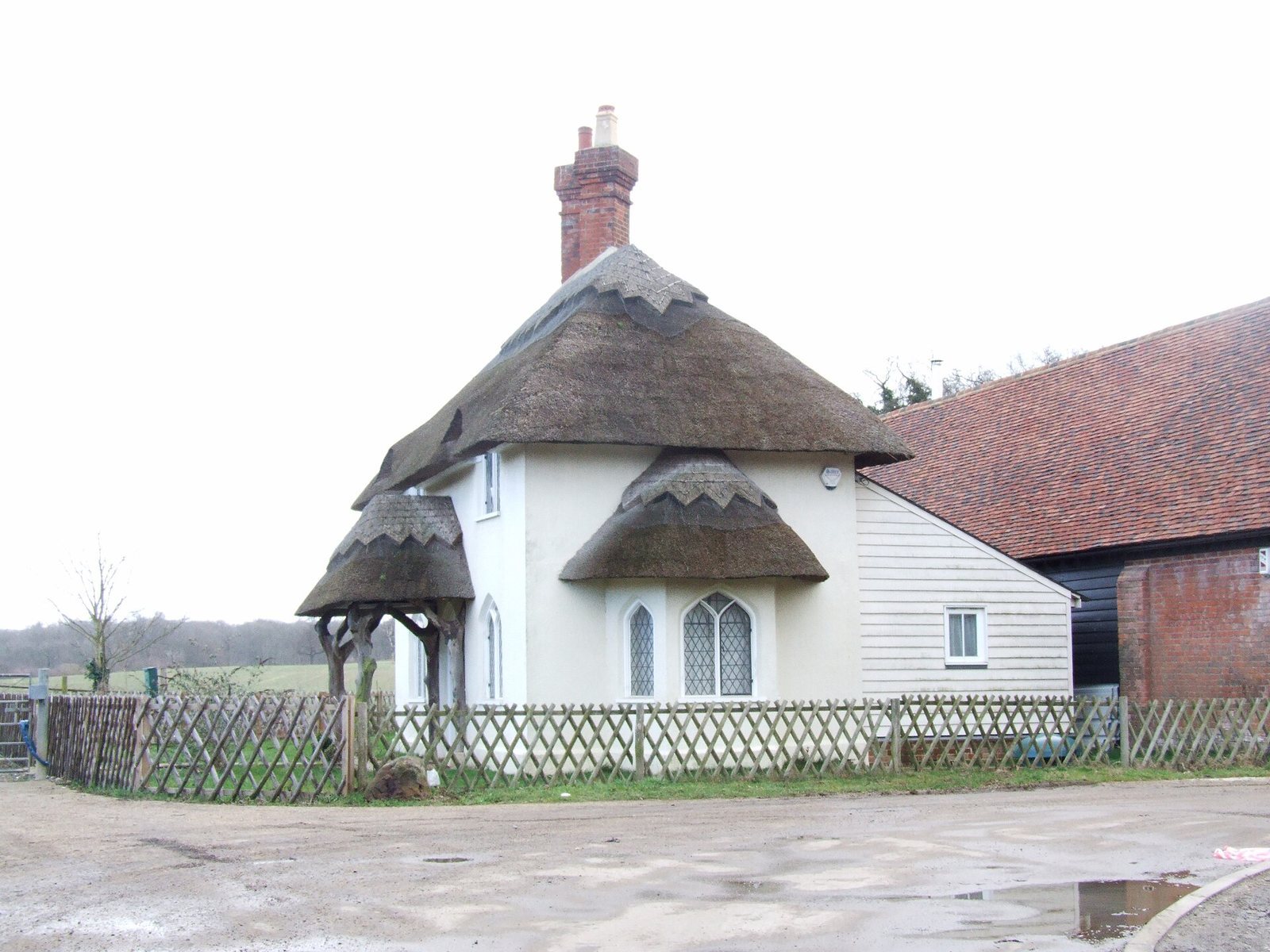
Wyatt also designed the dairy in a Gothic style, using forms inspired by medieval Gothic architecture. Its design was intended to attract attention. The historic dairy has since been restored by the Landmark Trust.
West Court
The West Court is identified as part of the Cobham Hall complex.