L’Étanche Abbey: A Medieval Monastic Foundation in France
Site at a Glance
- Rating
- 4.5
- Popularity
- Very Low
- Country
- France
- Primary era
- Early Modern
- Eras represented
- Medieval, Early Modern
- Civilizations
- French, Holy Roman Empire
- Site type
- Religious
- Remains
- Monastery
On this page9 sections
History
Foundation and affiliations
L’Étanche Abbey, also known as Notre-Dame de l’Étanche, is a former monastic house in the commune of Lamorville, France. Founded around 1144 in a secluded valley near Deuxnouds-aux-Bois, it began as a double monastery, a foundation comprising associated communities of men and women. Philippe, then abbot of Belval, established the community and became its first abbot.
Its first benefactors were Albéron de Chiny, bishop of Verdun, and Bertrand le Loup and his nephew Albert, lords of Faverolles, whose lands accommodated the community. The abbey church may have been consecrated in 1147, and its oldest surviving charter dates to 1157. The valley was then known as Faverolles.
L’Étanche was a daughter abbey of Tart, meaning it was established by or affiliated with that abbey. It also held the priory of Benoîte-Vaux, a smaller monastic house generally subordinate to an abbey and a prominent Lorraine pilgrimage destination. A nearby women’s convent belonging to the Premonstratensian order, a Roman Catholic order of canons regular, later disappeared. Among the abbots were Dominique Callot, who studied chemistry and heraldry; Edmont Maclot, who wrote religious works; and Jean François Joseph Boucart, who assembled a medal collection and a notable library, both later dispersed.
Destruction and rebuilding
Swedish forces destroyed the abbey in 1632 during the Thirty Years’ War, a major European conflict fought from 1618 to 1648. The community rebuilt the abbey in 1743, and the chapel was completed in 1770.
Revolution and preservation
Joseph Prélat became the abbey’s last abbot in 1786. During the French Revolution, which began in 1789 and brought major changes to religious institutions and property ownership in France, he was expelled in 1790. That year, the abbey and its possessions were declared national property.
The chapel and monastic buildings received France’s historic-monument protection in 1984. A repair campaign began in 2017, followed by an international volunteer work camp in 2018.
Remains
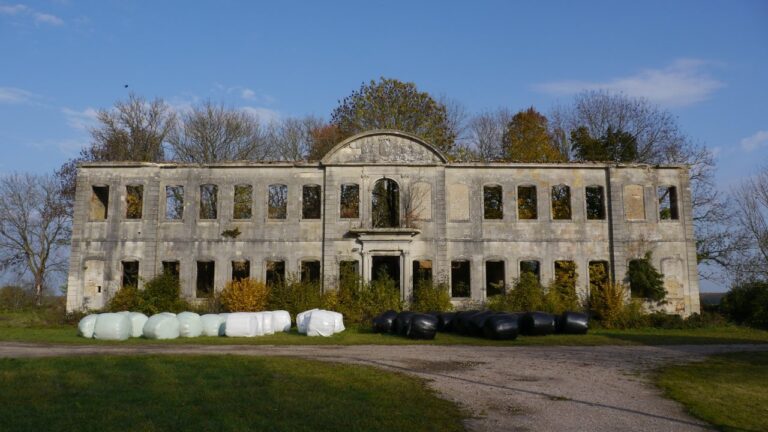
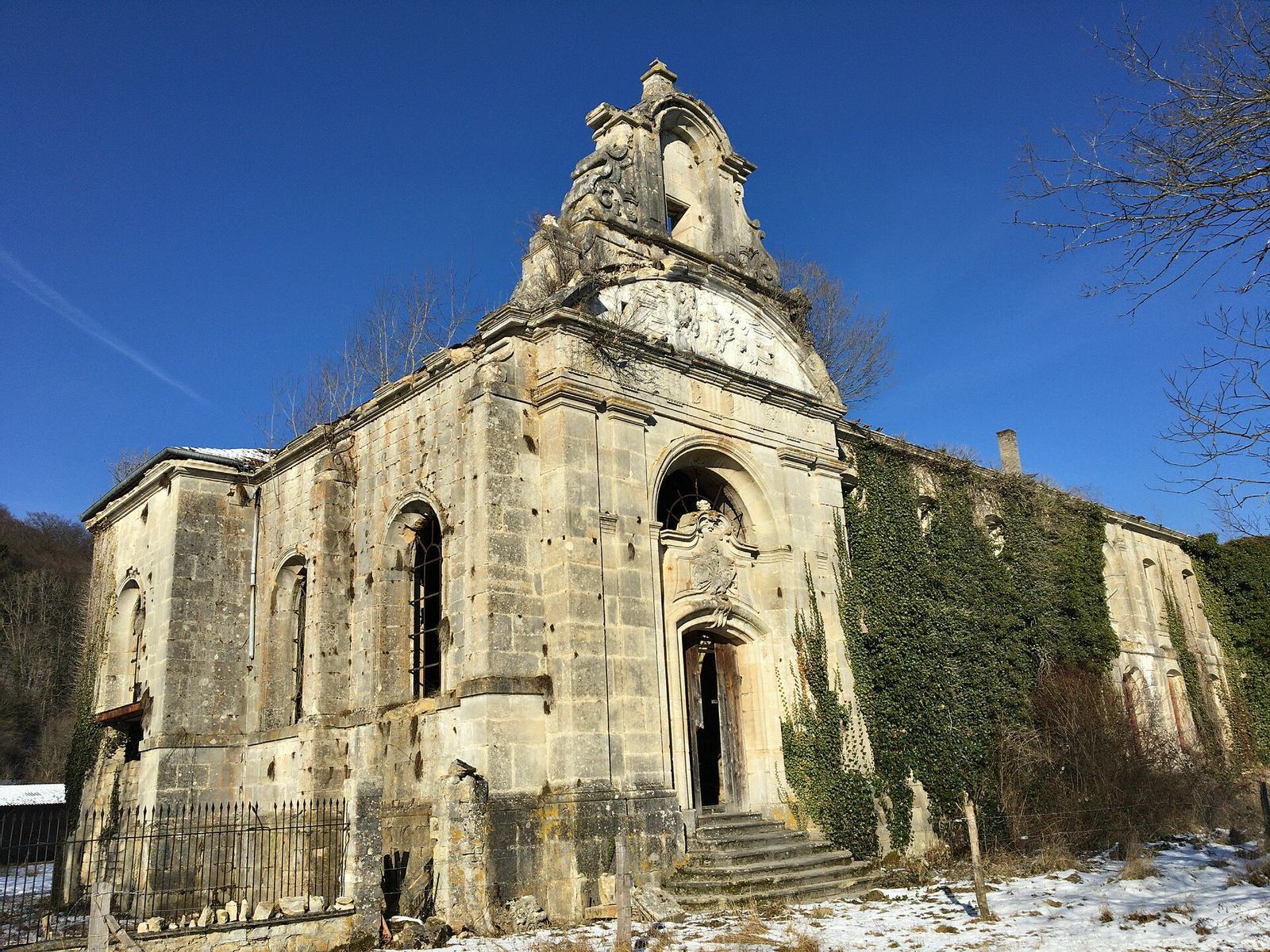
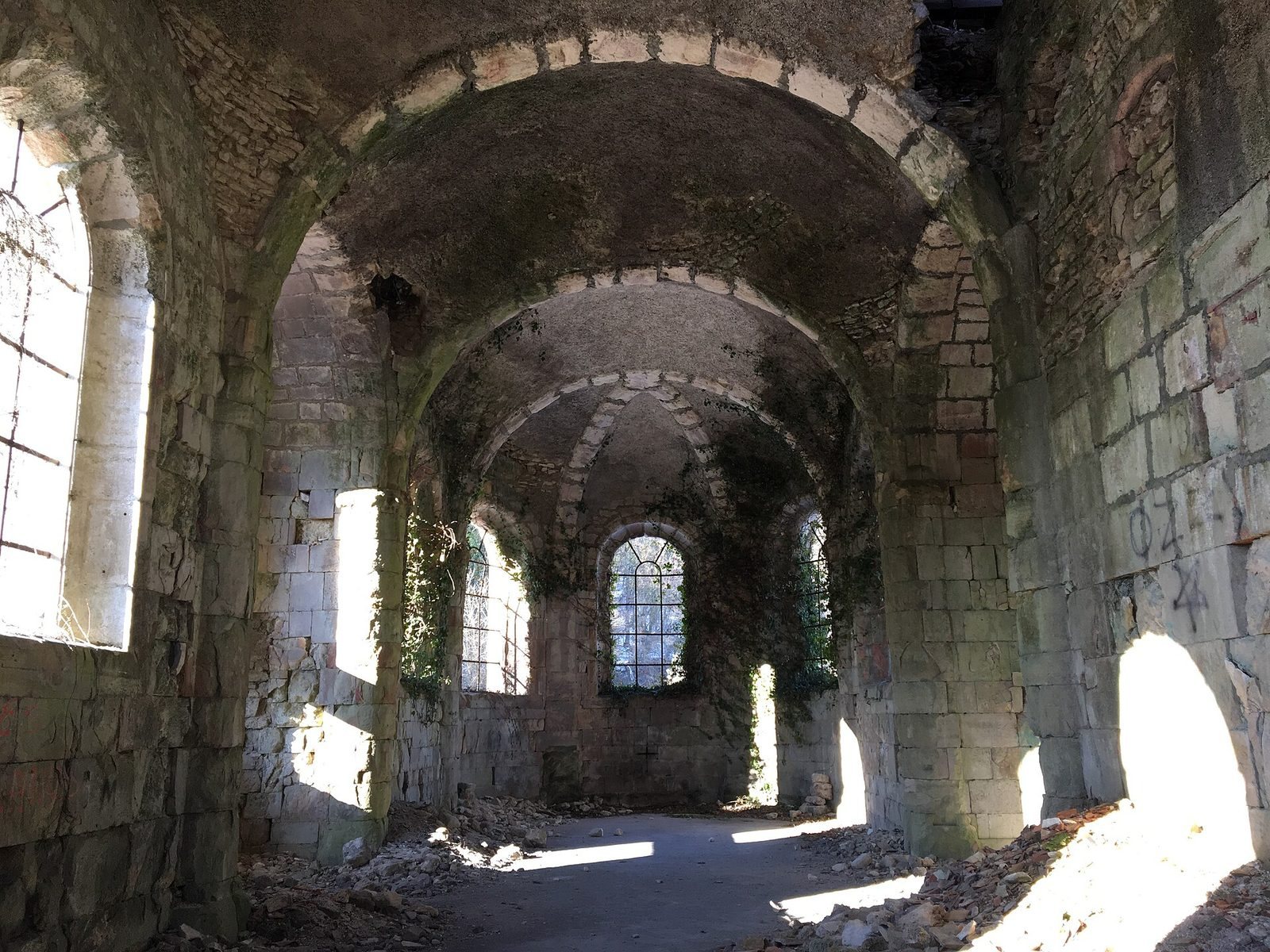
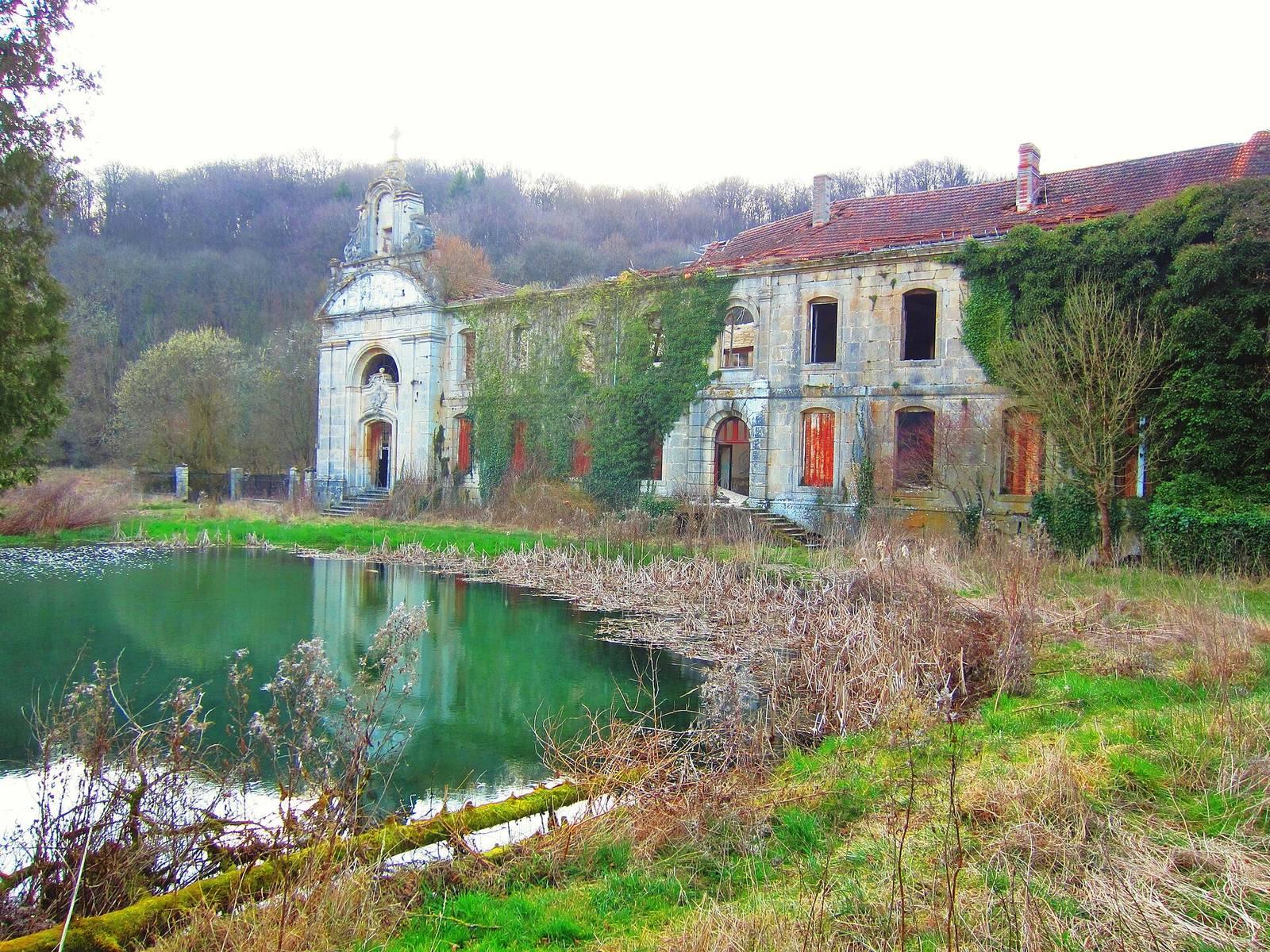
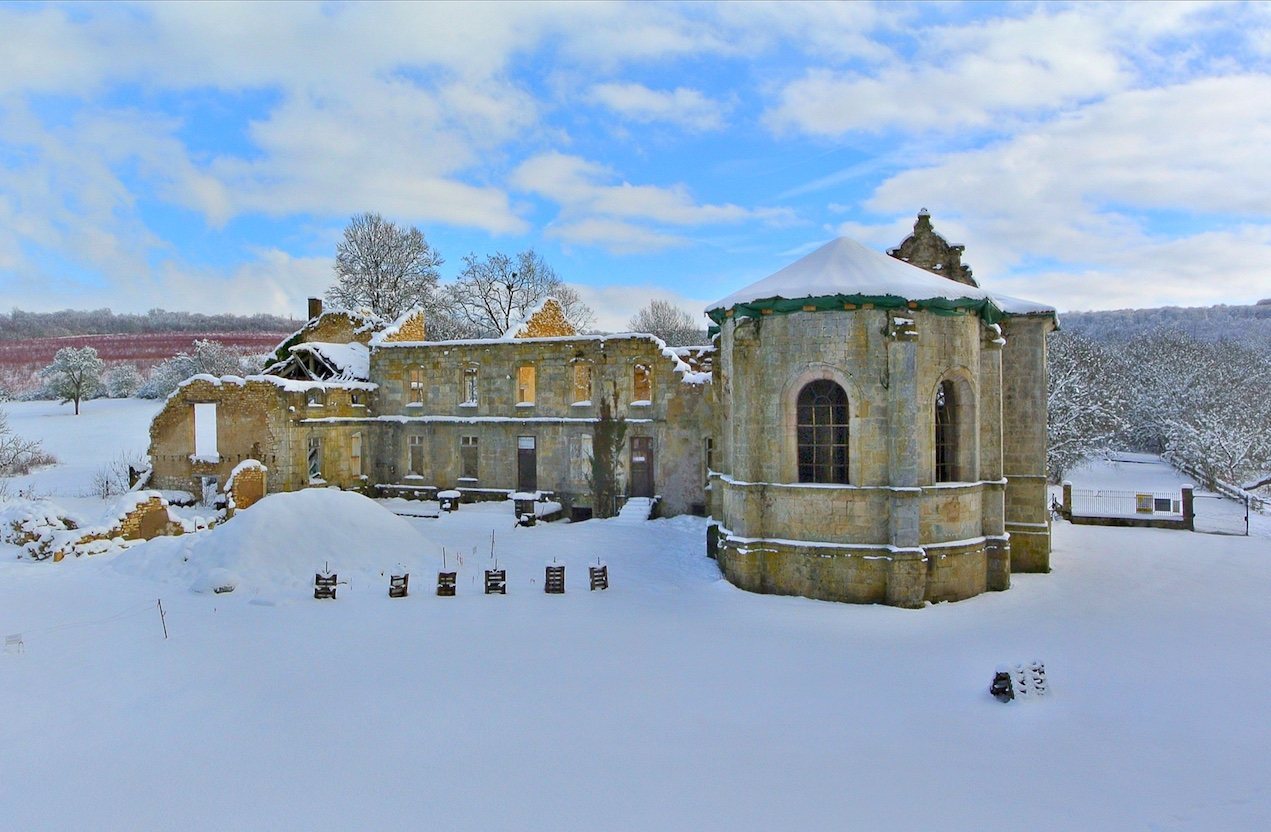
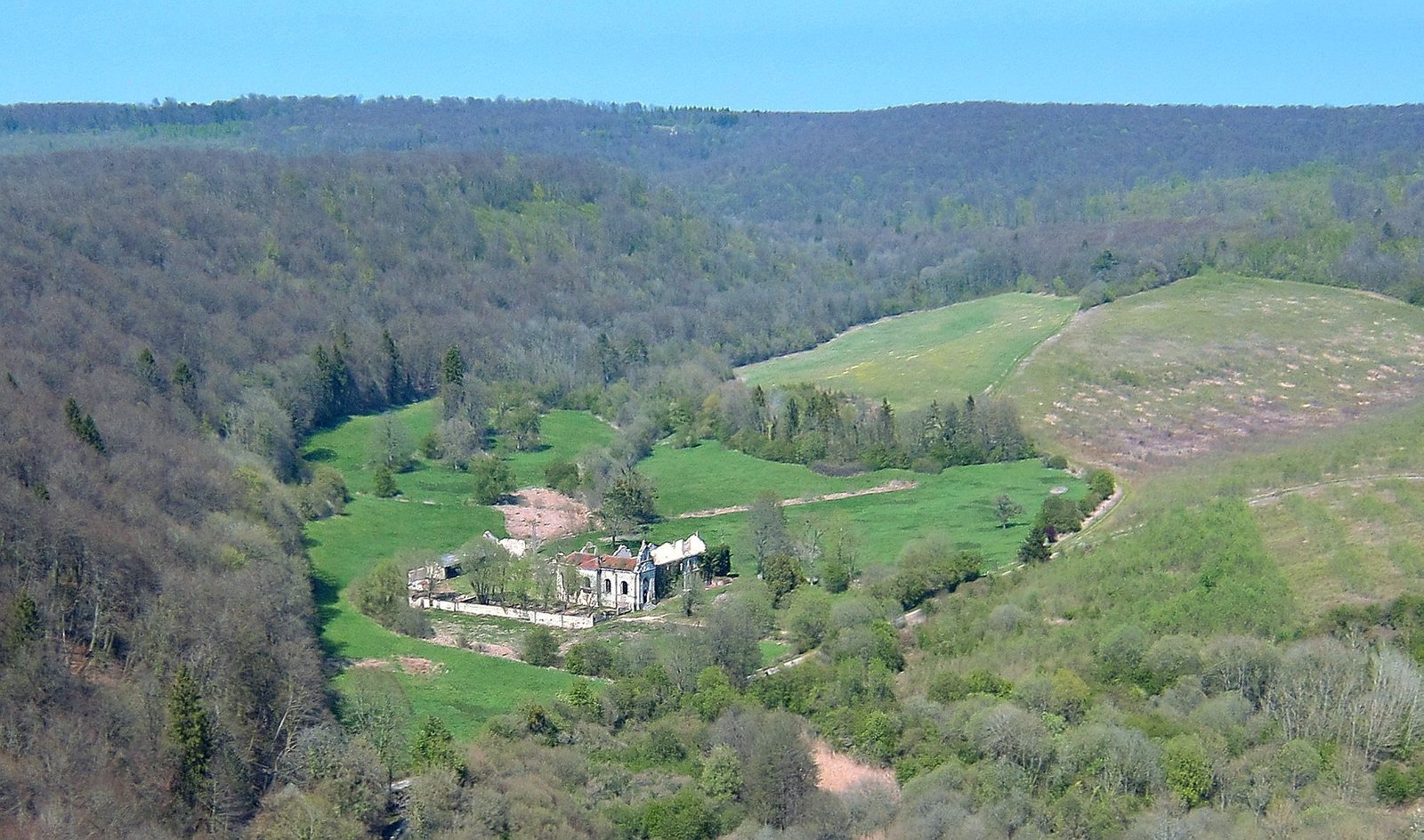
The surviving complex comprises the chapel and monastic buildings, set within a valley landscape. Both building groups are in ruins, and the principal roof has collapsed.
Abbey buildings and grounds
Chapel
The chapel interior was close to collapse in 2017, and a temporary roof was later installed to protect it. A new cross for the abbey church was donated and blessed in 2017.
Monastic buildings
The rebuilt monastic range included nine cells. A monastic community occupied them between 1743 and 1770; the buildings now survive in ruins alongside the chapel.
Valley and grounds
The valley extends from the mill toward the abbey and continues in the direction of Lavignéville, with its lower end toward the Gérardin fountain. A vegetable garden was laid out at the northwest corner of the enclosure in 2017. The mill and its ponds have been allowed to return to a wild state.