Church of St Peter and St Paul in Chaldon: An Anglican Parish Church
Site at a Glance
- Rating
- 4.8
- Popularity
- Medium
- Country
- United Kingdom
- Primary era
- Medieval
- Eras represented
- Medieval, Early Modern, Modern
- Civilizations
- British, English
- Site type
- Religious
- Remains
- Church
On this page5 sections
History
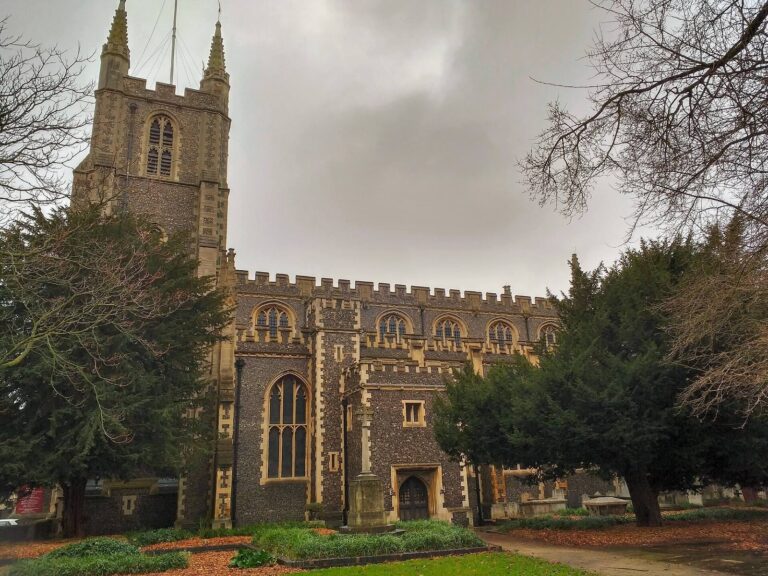
The Church of St Peter and St Paul in Chaldon is an Anglican parish church in the United Kingdom; construction began before 1086. It belongs to the Church of England’s Diocese of Southwark, an ecclesiastical district administered by a bishop. The church has Grade I listed status, England’s highest category of listed-building protection.
Restoration in 1870–71 revealed the mural on the west wall of the nave. A painted demon discovered at the same time in the north aisle was destroyed.
Remains
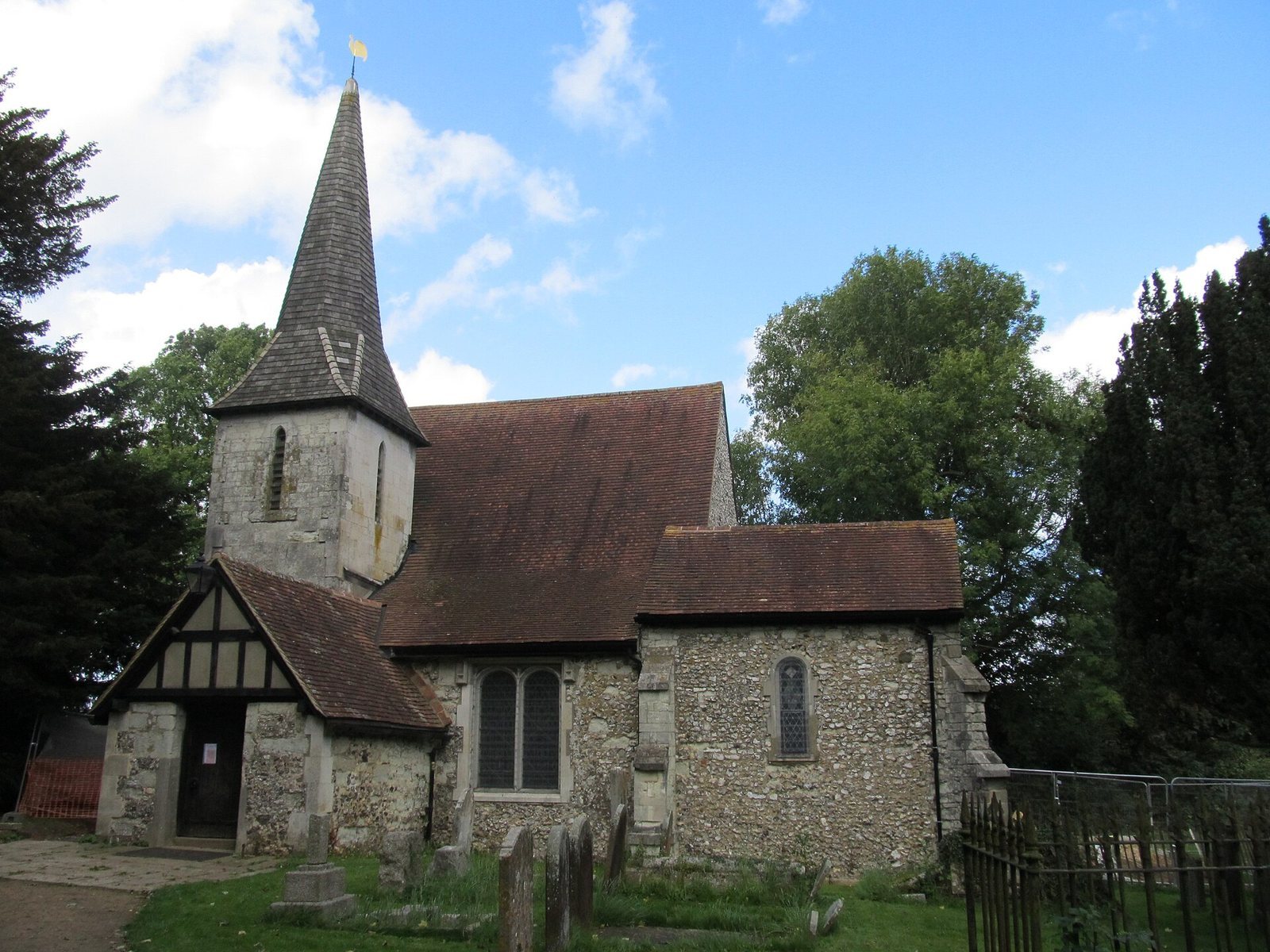
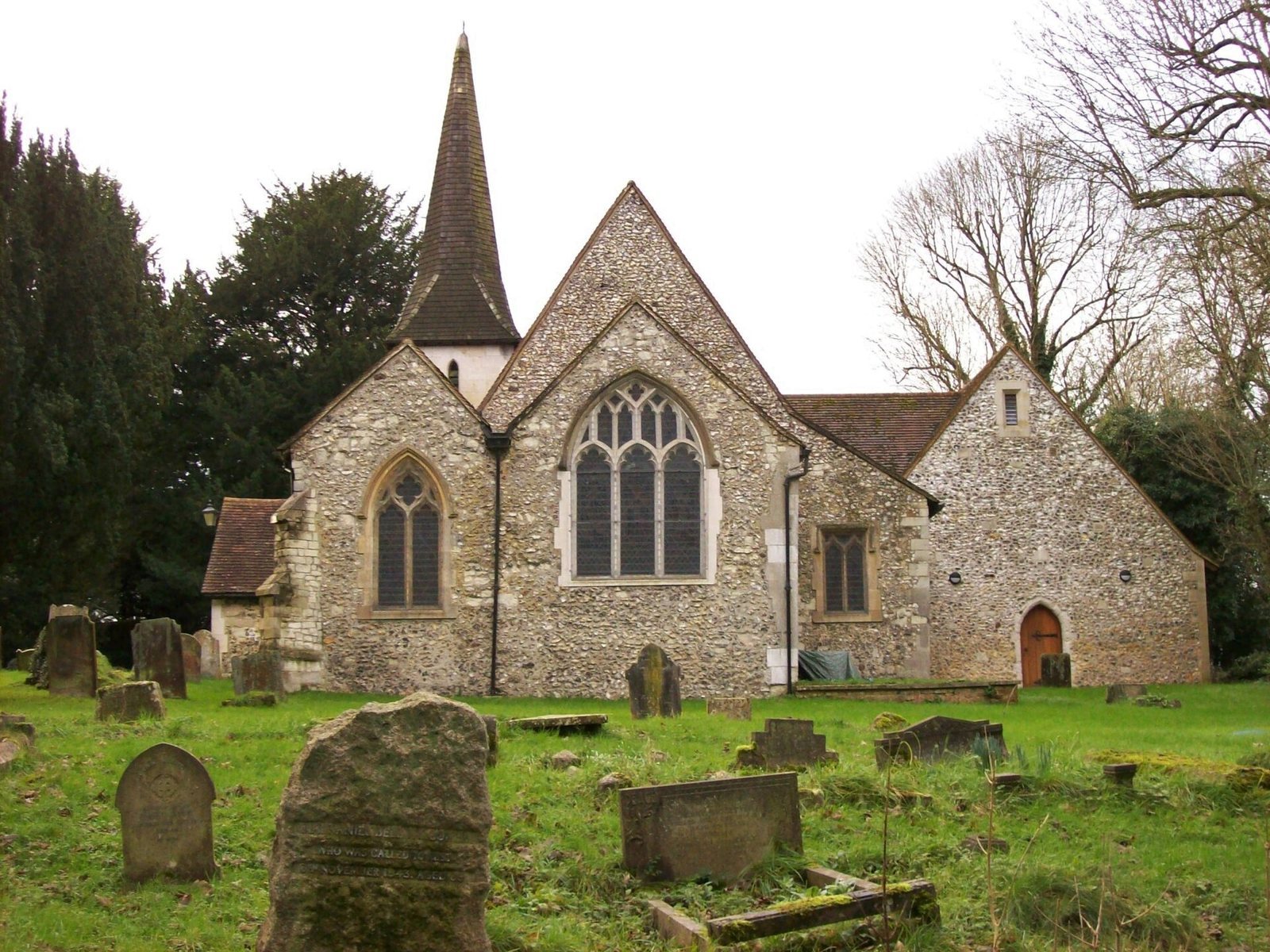
The small church has a nave, the main body, and a chancel, the area around the altar. Rows of arches, each divided into two bays, connect the nave to aisles on its north and south sides. The east and west walls probably date to the eleventh century; much of the rest of the building is from the twelfth and thirteenth centuries.
Chapel, tower and adjoining spaces
St Catherine’s chapel occupies the east end of the south aisle. It was partly rebuilt and received a new window in the early fourteenth century. The aisle’s west end forms the base of the tower, built in 1843, and adjoins the south porch. A vestry abuts the west end of the north aisle. At the north aisle’s end, a blocked arch suggests that a chapel may once have stood beside the north side of the chancel.
Windows and interior fittings
The windows have undergone several alterations. Those in the north aisle date from 1330, the wide chancel window from 1460, and the south aisle window from the early seventeenth century. The chancel contains a fourteenth-century Easter Sepulchre, a feature associated with recalling Christ’s burial during Holy Week. The pulpit dates from 1657.
Nave wall painting
A mural dating to about 1170 covers the west wall of the nave. Its red tempera background, paint made with a binding medium, contrasts with figures in lighter red and pink. A cloudy band divides the scenes. Below it, demons boil sinners in a cauldron and hold a saw with sinners balanced upon it; the Tree of Knowledge and the serpent appear among images of the Seven Deadly Sins, a traditional grouping of major vices. At the center, a ladder reaches Christ, shown with a halo, while the upper part depicts judgment and the salvation of souls. On the right is the Harrowing of Hell, Christ’s descent to the realm of the dead; on the left, the archangel Michael weighs souls. Architectural historian Nikolaus Pevsner described the subject as an unusual “Purgatorial Ladder,” referring to purgatory, understood in some Christian traditions as a state of purification after death. Historian Malden linked the imagery to a tradition in the Greek Orthodox Church, part of Eastern Orthodox Christianity, that portrays the soul’s ascent toward heaven.