Wadazuka Memorial Mound: A Traditional Wada Clan Memorial in Kamakura
Site at a Glance
- Rating
- 3.8
- Popularity
- Medium
- Country
- Japan
- Primary era
- Unclassified
- Eras represented
- Unclassified
- Civilizations
- Unclassified
- Site type
- Civic
- Remains
- Monument
On this page4 sections
History
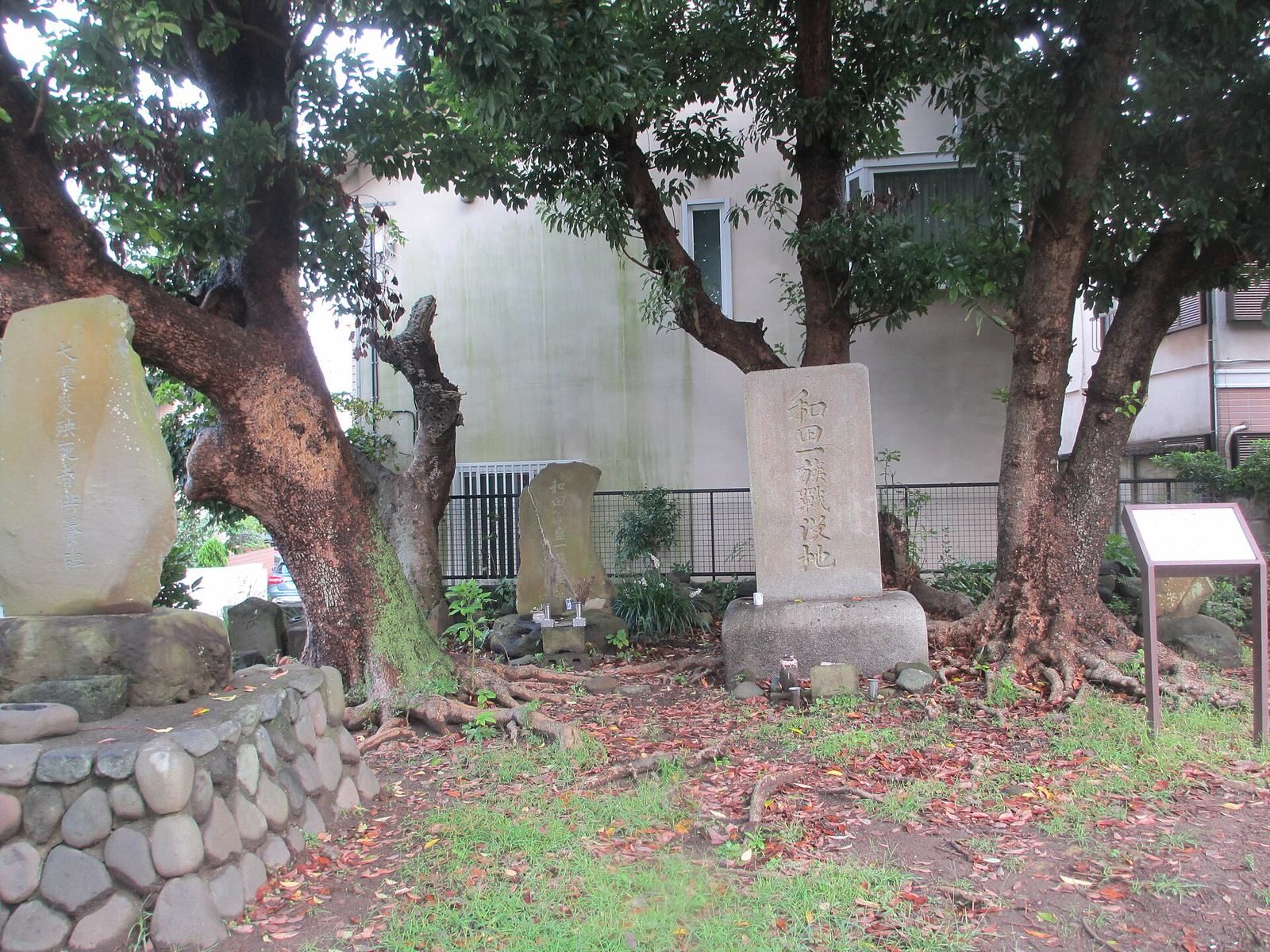
Wadazuka Memorial Mound is a raised memorial site in Yuigahama, Kamakura, Japan, traditionally associated with Wada Yoshimori’s forces. Its identity is disputed: it has also been proposed as an ancient burial mound from the Kofun period, an era associated with the construction of such tombs.
The Wada Rebellion of 1213
Wada Yoshimori, a prominent warrior of the Miura clan, came into conflict with Hojo Yoshitoki, the regent of the Kamakura shogunate. In 1213, after members of Yoshimori’s clan joined Izumi Chikahira’s revolt against Yoshitoki, Yoshimori launched the Wada Rebellion. Fighting on May 23 and 24 spread across Kamakura. Yoshimori was killed at Yuigahama after two days of intense battle.
Archaeological context and disputed identity
The coastal dunes around Yuigahama contain evidence of settlement in the Yayoi, Nara, and Heian periods, including groups of pit dwellings. Medieval communal cemeteries have also been found in the area, indicating human use across many centuries.
A separate mound from the Kofun period was uncovered during roadworks in 1887. Human-shaped and horse-shaped fired-clay figures, known as haniwa and associated with Kofun burials, came from that mound, which was later levelled. In 2016, an excavation west of Wadazuka revealed another Kofun-period burial, with a stone coffin set in sand.
A Kanagawa archaeologist later reported collecting fragments of cylindrical and horse-shaped clay figures from a collapsed part of Wadazuka around 1926. One interpretation is that these fragments came instead from the separate mound uncovered in 1887, and that Wadazuka was built as a memorial during or after the Kamakura period rather than as an ancient tomb.
Remains
Set among the coastal dunes of Yuigahama, Wadazuka has a raised-platform form rather than the shape of a distinct mound. A straight stone wall borders it. A stone memorial stele and five-ring stone pagodas stand on top in commemoration of the Wada clan. These pagodas are Buddhist monuments formed from five stacked stone sections.