Oud-Amelisweerd Country House: An 18th-Century Summer Residence
Site at a Glance
- Rating
- 4.2
- Popularity
- Medium
- Country
- Netherlands
- Primary era
- Early Modern
- Eras represented
- Medieval, Early Modern
- Civilizations
- Dutch, Holy Roman Empire
- Site type
- Domestic
- Remains
- Elite Residence
On this page7 sections
History
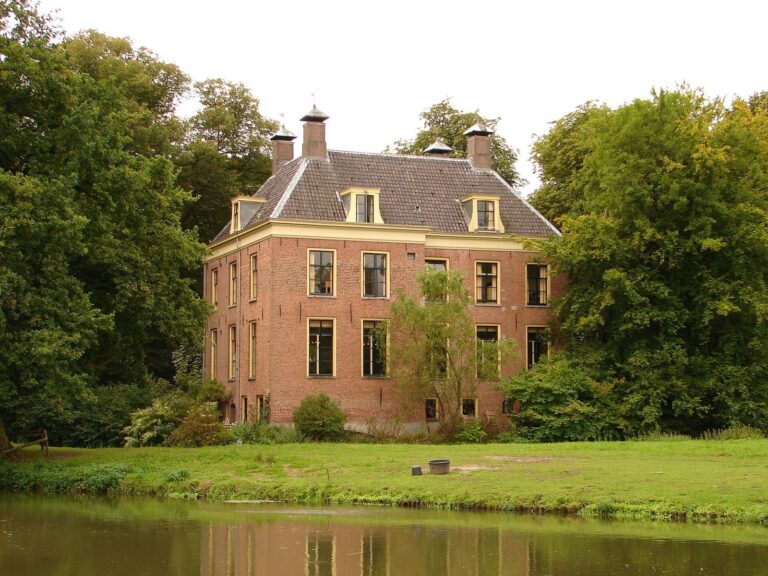
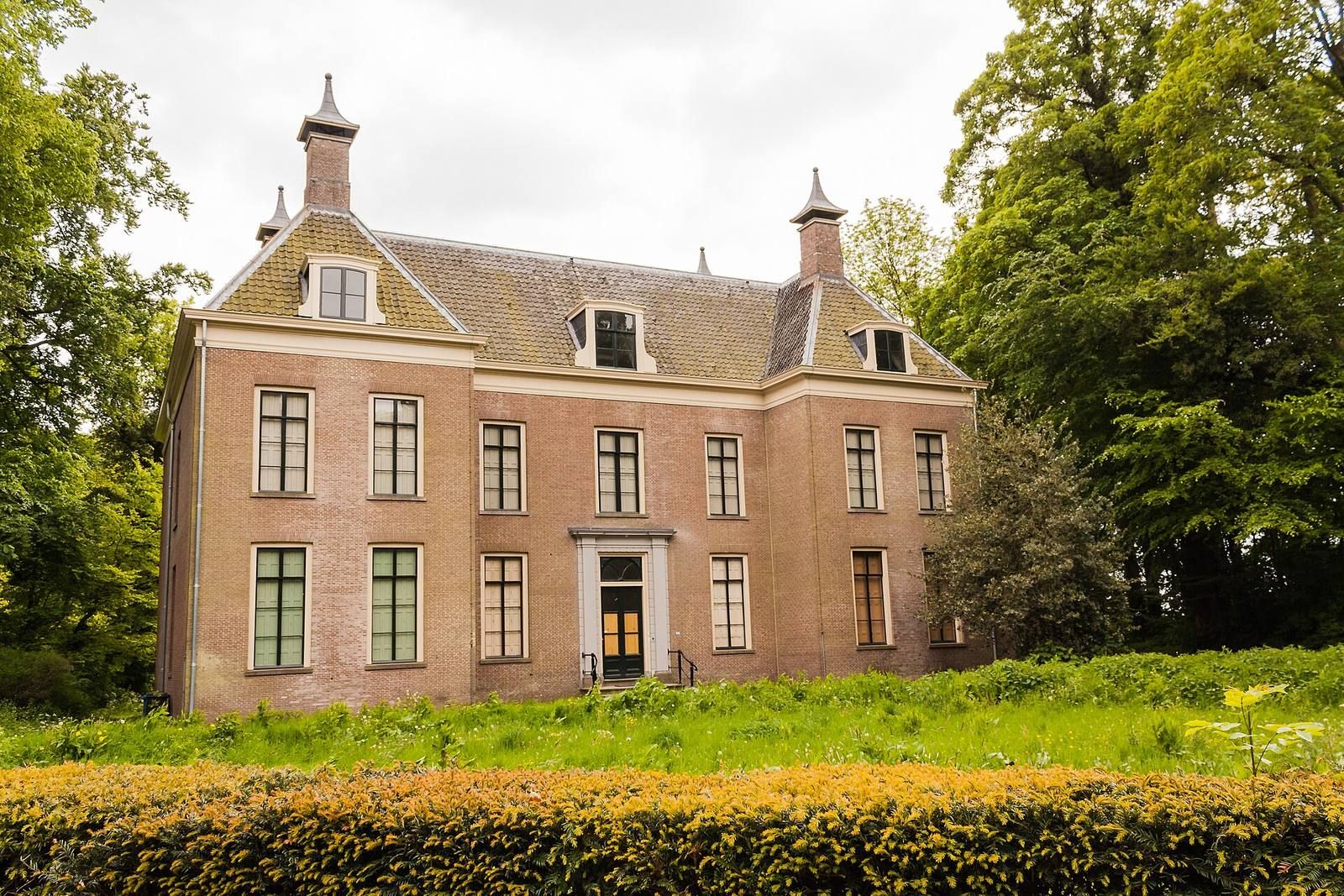
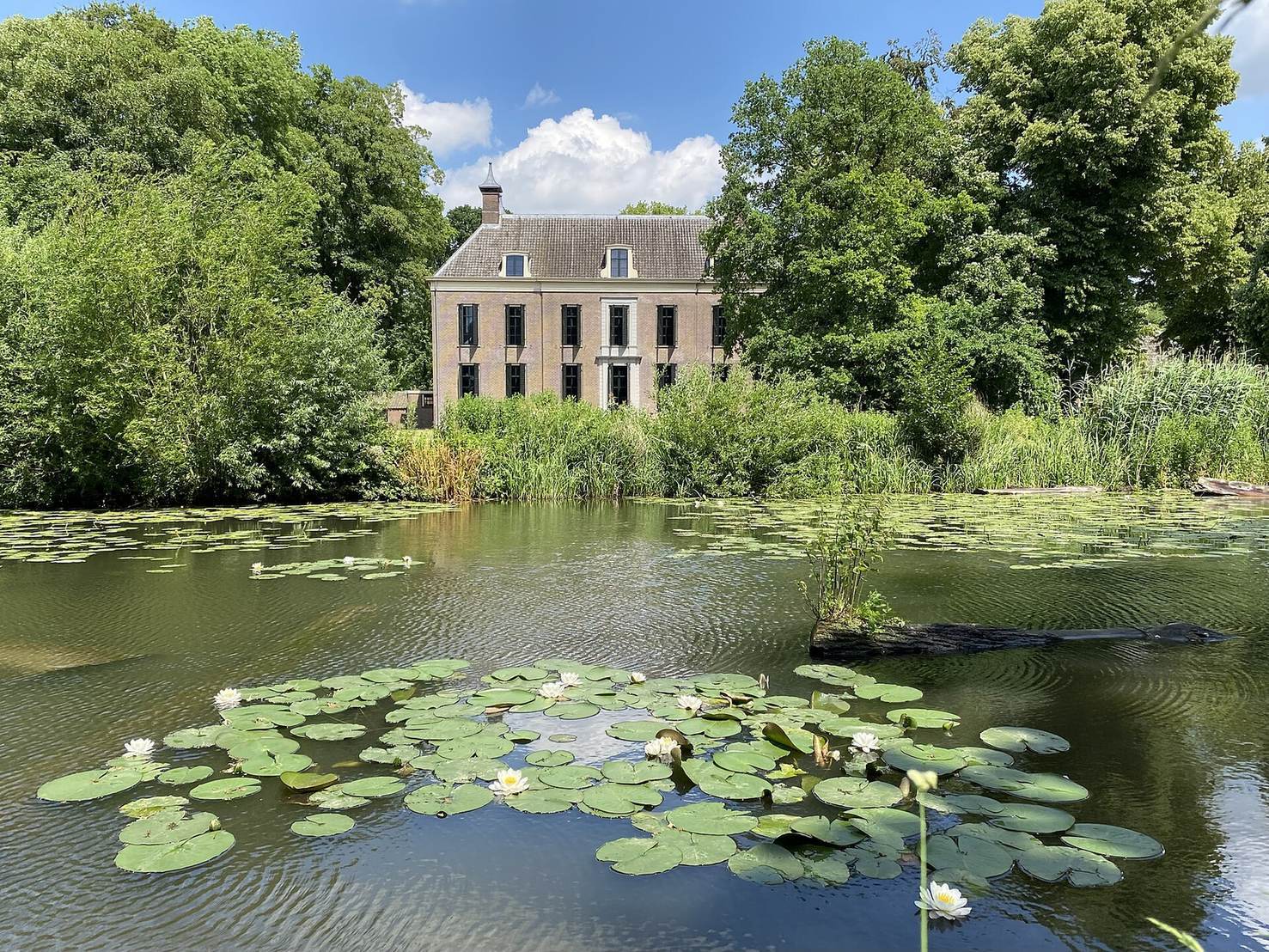
Oud-Amelisweerd Country House is an 18th-century summer residence at Bunnik, on the Kromme Rijn in the Netherlands. The estate’s first country house dates to the 13th century, while the present house was built in 1770.
Medieval origins and ownership
In the 13th century, the knight Amelis received riverside land near Bunnik from the provostry of Oudmunster, an ecclesiastical institution. His name was understood to mean Amelis from the riverside land. In 1227, he was among the people serving Bishop Otto of Lippe of Utrecht. The wider tract was later divided into Oud-Amelisweerd and Nieuw-Amelisweerd, the latter also known as Groenewoude.
Herman van Wulven, of the Lockhorst family, received Oud-Amelisweerd in 1394. His son Hendrik took possession in 1423. When Hendrik died unmarried, the estate passed to his niece Lutgard van Buren, daughter of his sister Clementia and Balthazar van Buren. Lutgard married Jan van Renesse, who received the estate in 1453. His heir, also called Jan van Renesse, held it when the States of Utrecht, the province’s governing assembly, recognized Oud-Amelisweerd in 1537 as a knightly manor, an estate type in the Low Countries often associated with fortified character.
After about 130 years with the van Renesse family, the estate passed to Amelis Utenengh in 1583. His son Cornelis transferred it to Paschina d’Edel, the widow of Jacob van Hove von Zijll. When her son Jacob died without children, the estate was assigned to Huibert van Buren in 1649.
Destruction and rebuilding
In 1672, the Disaster Year, when the Dutch Republic faced invasions including a French attack, troops under King Louis XIV of France destroyed the house. The estate passed to Jacob Johan van Delen in 1725 and then, on his death, to his wife. In 1760 it went to her brother-in-law, Gerard Arnoud Hasselaar, mayor of Amsterdam. Two months later, Hasselaar gave it to his son-in-law, Gerard Godard Taets van Amerongen, who reshaped the grounds and built the present country house in 1770 as a summer residence.
Changing owners and public use
In 1808, Taets van Amerongen’s son Gerard Arnoud sold the estate to Louis Napoleon, brother of Napoleon Bonaparte and King of Holland from 1806 to 1810. Louis Napoleon stayed there for ten days in September 1808, then sold it a little over a year later to Jan Pieter van Wickevoort Crommelin, a councillor of state and chancellor of the kingdom. Crommelin sold it in 1811 to Paulus Wilhelmus Bosch van Drakestein, mayor of Utrecht. The Bosch family sold Oud-Amelisweerd to the Municipality of Utrecht in 1951. The house remained privately occupied until 1989, after which the Centraal Museum managed it until 2012.
From 2012, Stichting Museum Oud Amelisweerd managed the house, which opened to the public in spring 2014. The museum brought together works by Dutch artist Armando, the historic estate and historic wall coverings under a theme exploring relationships between people and nature. In 2016 it received a Europa Nostra Award, a European heritage organization’s recognition, for conservation and adaptation to new uses. The museum closed in 2018 after proving financially unviable and Armando withdrew his collection. A temporary museum opened in June 2019, showing objects from Utrecht castle museum stores alongside changing displays of modern art.
Since August 2021, the house has again served as a venue for exhibitions on contemporary art, science and history. Stadsherstel Utrecht took a ten-year leasehold from the municipality, and Stichting Landhuis Oud Amelisweerd was formed to develop programs with Utrecht institutions and help maintain public access. The house is a nationally designated monument, and the ensemble of house, coach house and garden is included among the Netherlands’ top 100 national monuments.
Remains
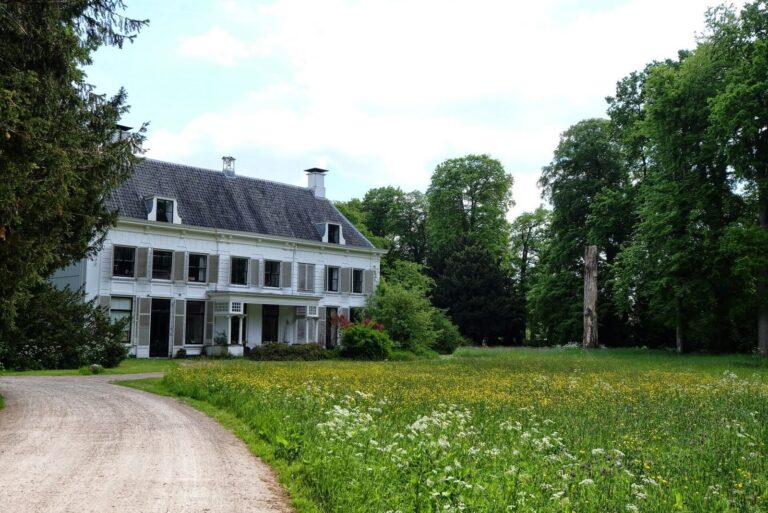
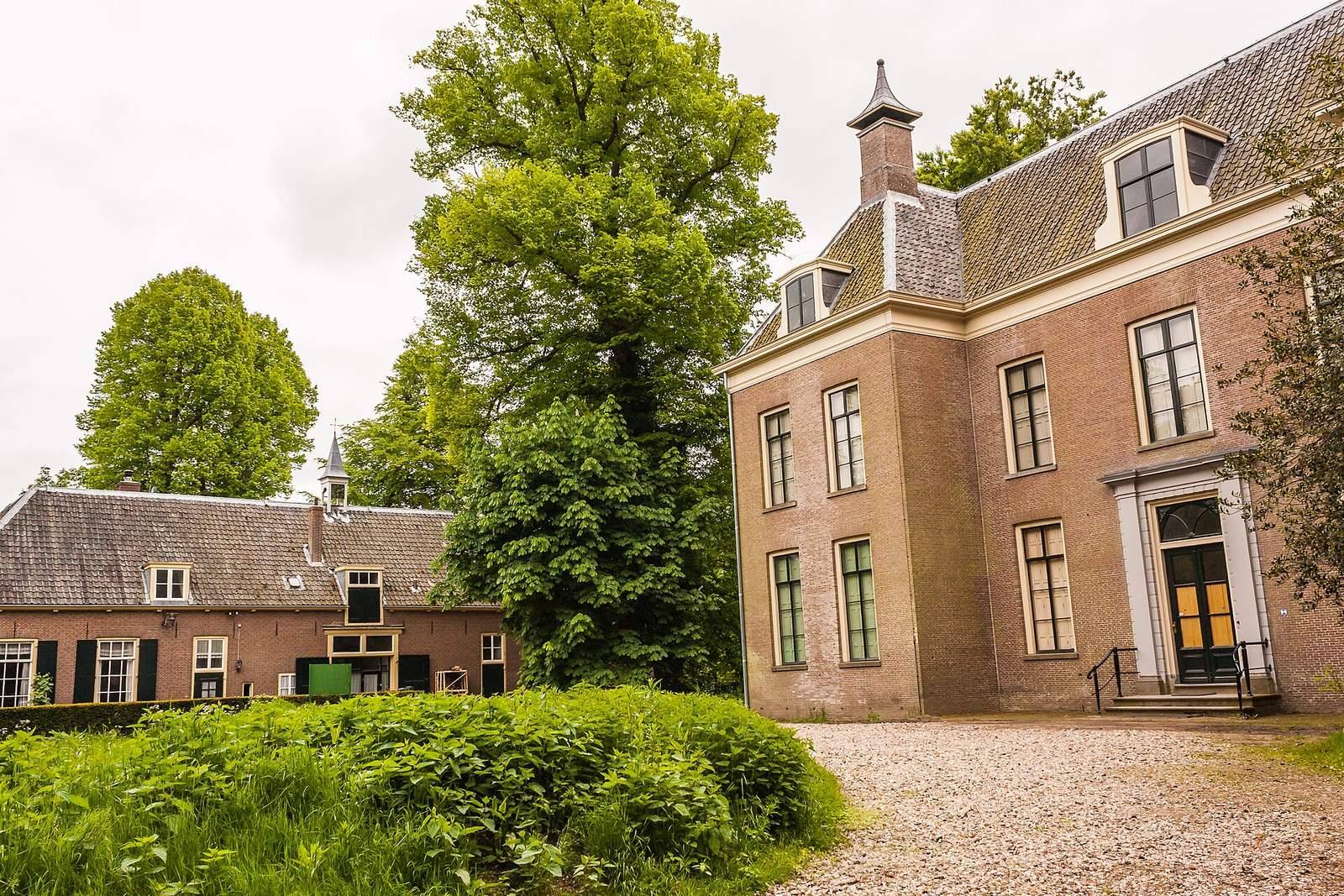
The historic estate group includes the country house, a coach house and a garden. Together with Nieuw-Amelisweerd, these properties form the Amelisweerd estates. The grounds are laid out as a park landscape, with a surviving structure that can still be traced.
Country house and earlier manor
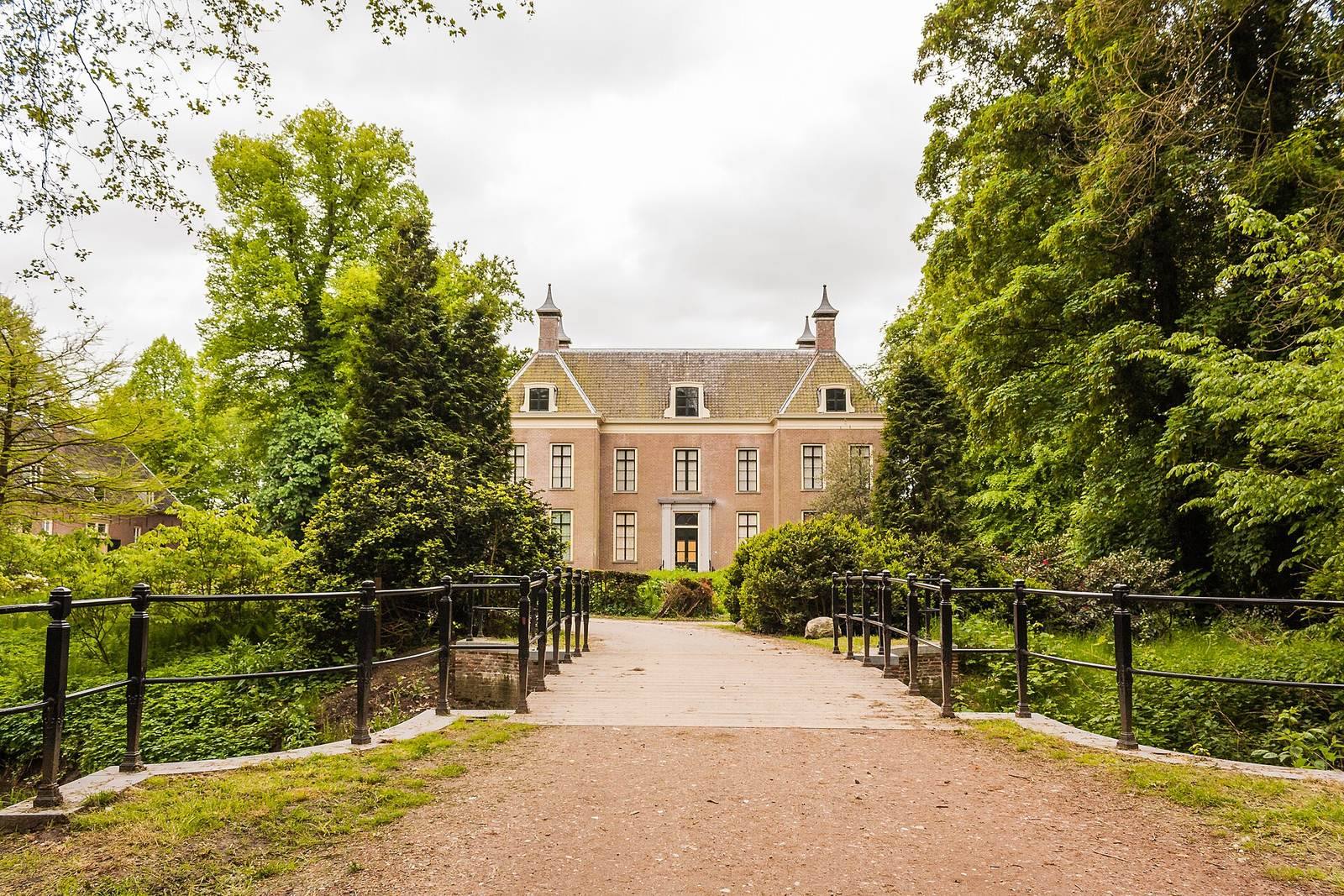
The present country house is built of brick. After the 1672 destruction, the earlier manor was reduced to its foundations, a dome and a modest house. Inside the country house, Chinese and other historic wallpapers form part of its surviving interior; restoration work has been carried out on the coverings.
Park, gardens and bridge
The park and extensive gardens were arranged in the spirit of the Enlightenment, an intellectual movement that emphasized reason and the planned improvement of society and knowledge. A bridge crosses the Kromme Rijn. The underlying organization of the park remains traceable today.