Abbey of St. Sergius, Angers: A Monastery and Parish Church
Site at a Glance
- Rating
- 4.5
- Popularity
- Very Low
- Country
- France
- Primary era
- Medieval
- Eras represented
- Medieval
- Civilizations
- Unclassified
- Site type
- Religious
- Remains
- Monastery
On this page4 sections
History
Founding and medieval development
The Abbey of St. Sergius, Angers, is a former monastery in France, probably founded in the seventh century. A diploma issued by Merovingian king Childebert IV refers to the monastery by 705, associating it with Sergius and Bishop Medard, who was venerated as a saint. Its dedication later became Saints Sergius and Bacchus, early Christian martyrs. The reason for the abbey’s position about 800 metres beyond Angers’ walls, and for a dedication unusual in the West, remains unexplained.
Around 900, Bishop Rainon of Angers established a college of canons there, a community of clergy who were not necessarily monks, as the monastery came under the diocese’s control. Around 1000, Bishop Renaud II brought in Benedictine monks, who followed the Rule of St Benedict. With support from the counts of Anjou, the medieval rulers of the county, the monastery was rebuilt and reconsecrated in 1059.
In 1166, the remains of Saint Brieuc, a missionary and bishop associated with Brittany, were ceremonially transferred to the abbey for veneration. Those present included Geoffroi, bishop of Saint-Brieuc; Henry II, king of England; Conan IV, duke of Brittany; and abbots Guillaume of Saint-Aubin-des-Bois, Guillaume of Saint-Serge, Hugues of Saint-Nicolas d’Angers, Guillaume of Saint-Maur, and Guillaume of Toussaint d’Angers. The abbey also held the parish of Montreuil-sous-Pérouse. A confirmation of that holding by the bishop of Rennes bears the chronologically uncertain date 108. The abbot appointed Pierre de Vendel as the parish’s first rector in 1292, followed by Pierre Biénassis in 1302.
Early modern changes and later use
The abbey’s position outside Angers’ walls left it exposed to pillage during the Hundred Years’ War, the prolonged conflict between England and France, and the Wars of Religion, sixteenth-century conflicts between Catholics and Protestants in France. In 1590, the abbey came under commendatory abbots, who held its title and revenues without necessarily directing its monastic life. It joined the Benedictine Congregation of St Maur, a reform congregation, in 1629.
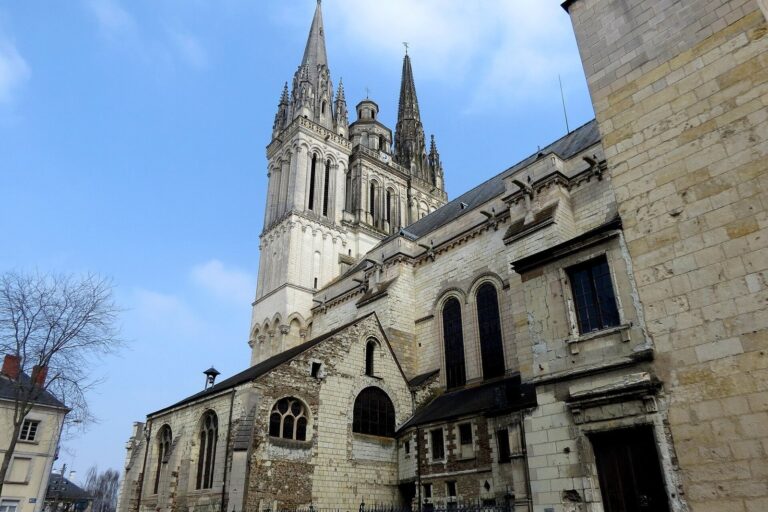
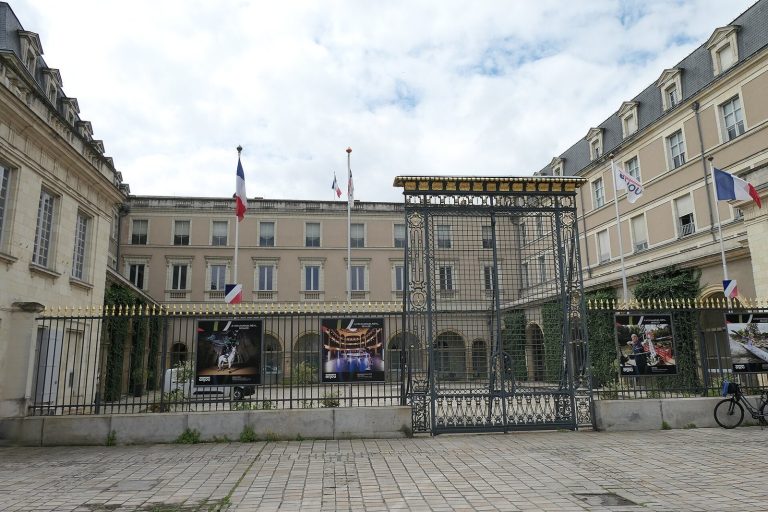
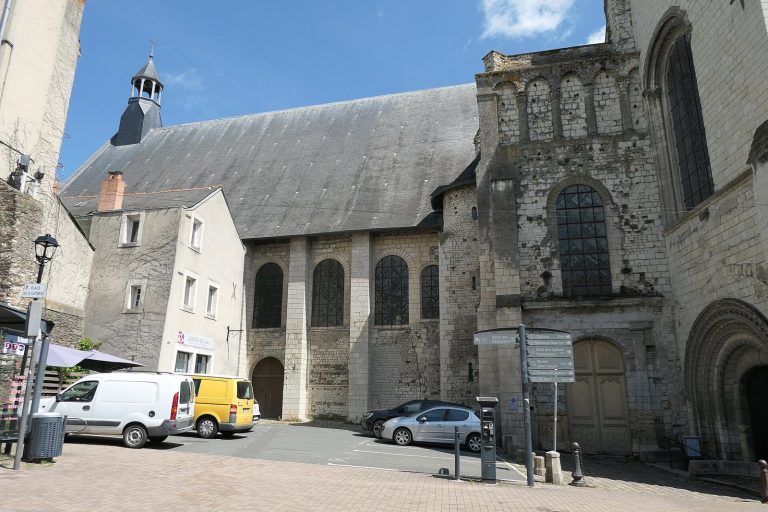
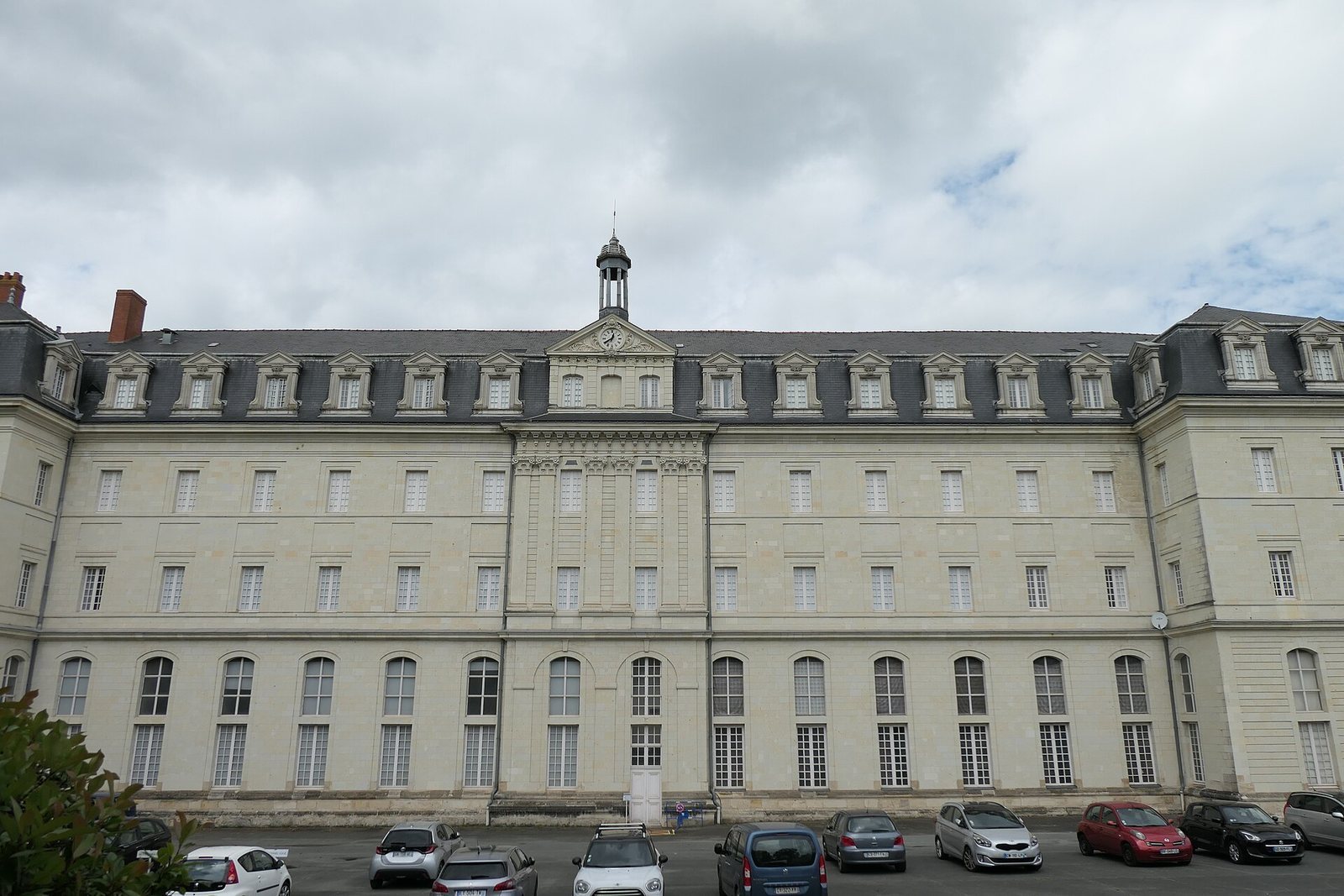
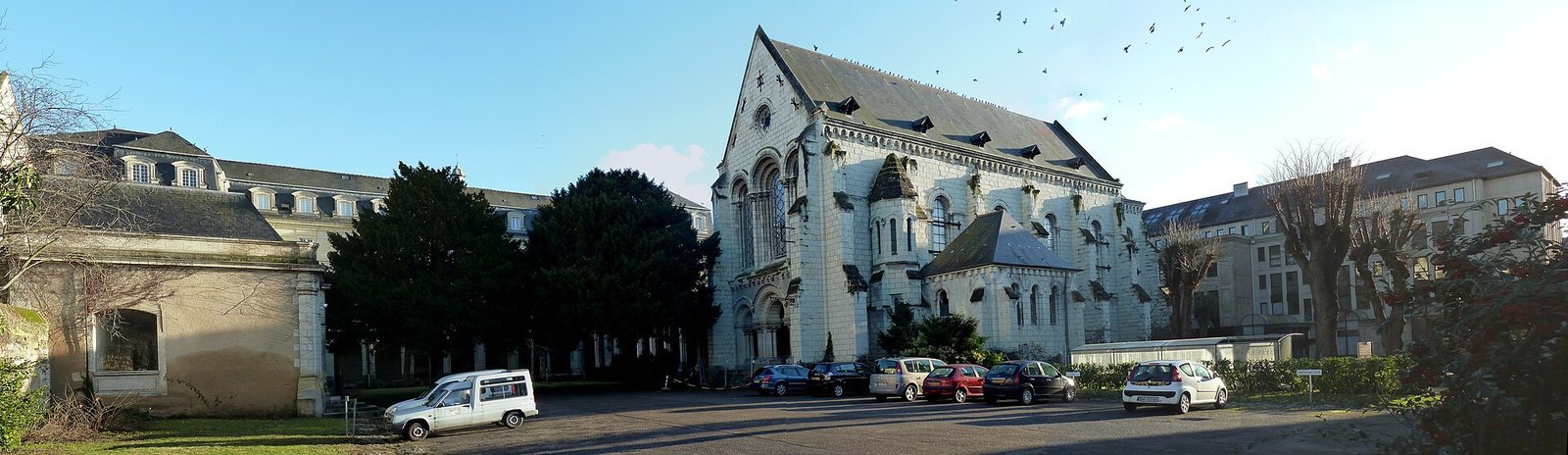
The abbey was dissolved in 1790 during the French Revolution. Its church became a parish church, while the monastic buildings subsequently served as a seminary and a college; they now house Lycée Joachim-du-Bellay, a French secondary school. The church continues to serve the neighborhood parish. It was listed as a historic monument in 1840. The chapter room and chapel were classified in 1907, the refectory in 1908, and the central building and part of the cloister in 1967.
Remains
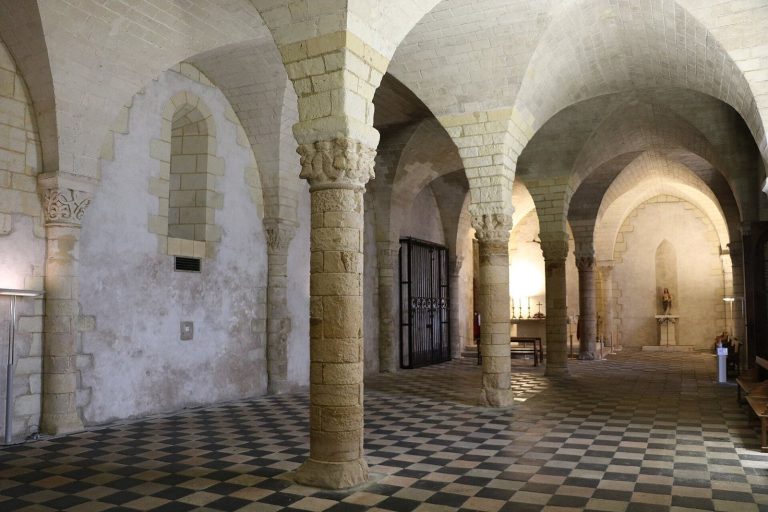
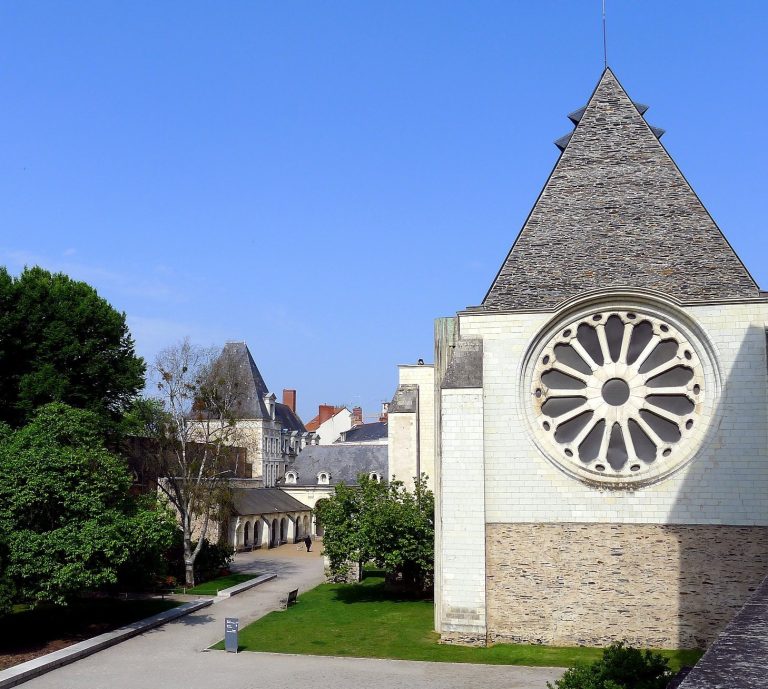
The surviving abbey complex lies outside Angers’ former city walls, about 800 metres from the city. Its buildings include the abbey church, chapter room, chapel, refectory, central building, and part of the cloister. The chapter room was where the monastic community met; the refectory was its communal dining hall, and the cloister was a covered walkway enclosing a courtyard.