Sainte-Marie Church in Sarlat-la-Canéda: A Medieval Parish Church
Site at a Glance
- Rating
- 4.3
- Popularity
- High
- Country
- France
- Primary era
- Medieval
- Eras represented
- Medieval, Modern
- Civilizations
- English, French
- Site type
- Religious
- Remains
- Church
On this page9 sections
History
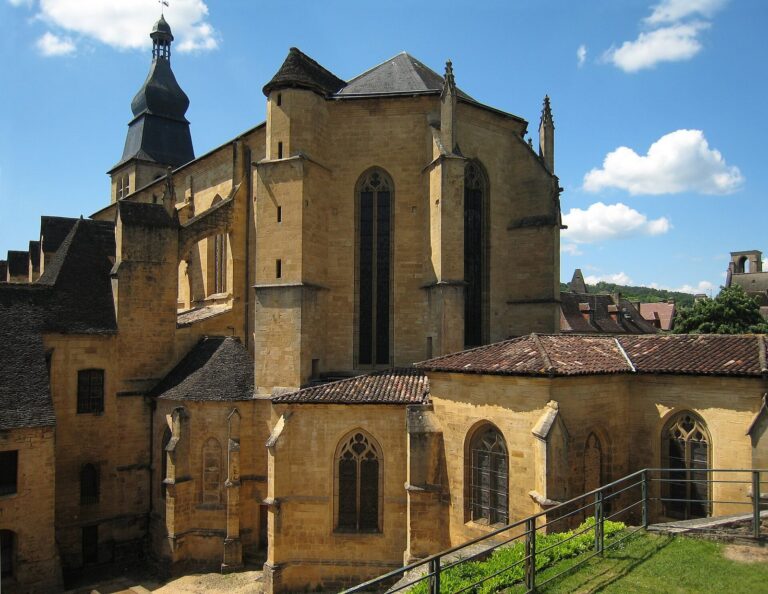
Sainte-Marie Church was a Roman Catholic parish church in central Sarlat-la-Canéda, France. Its rebuilding began with foundations laid in 1368, and the completed church was consecrated in 1507. Its architecture is identified with both Romanesque and Gothic styles.
Building during the Hundred Years’ War
On 25 July 1365, Sarlat’s inhabitants voted to replace their aging parish church with a larger building. To finance the work, they levied a second tithe, a charge traditionally calculated as a tenth of income or produce, for two or three years. After gathering materials, they laid the foundations on 3 April 1368; priest Géraud Roussel placed the first stone. Jacques Caviale began the reconstruction.
Warfare repeatedly interrupted construction. Under the 1360 Treaty of Brétigny, an agreement between England and France during the Hundred Years’ War, southwestern France came under the authority of Edward III, king of England. John Chandos, an English commander serving as constable of Aquitaine, a senior military post, received Sarlat’s homage to the English king. In 1369, Charles V of France urged towns to reject English rule. By 1370, towns in Périgord had submitted to France, with Sarlat the exception. French troops besieged the city, which then accepted the French king’s authority. The treaty broke down and fighting resumed, stopping the church works. Sarlat also spent heavily on defending its surrounding territory, and the cost of its walls and troops could exceed its revenues.
Completion and parish service
The choir, the area around the altar, and the final bay, a structural division of the building, were completed and roofed in 1431. Work resumed in 1479 under Pierre Esclanche, who built the first bay, west façade, main entrance, and bell tower. The church was finished soon afterward and consecrated on 5 April 1507 by Armand de Gontaut-Biron, bishop of Sarlat. Dedicated to the Virgin Mary, the mother of Jesus and a central figure in Christianity, it served the Diocese of Périgueux and Sarlat, a territorial church jurisdiction overseen by a bishop. Its last parish priest, Pierre Pontard, later became a constitutional bishop, a bishop associated with the revolutionary reorganization of the French Catholic Church.
Revolution and later uses
During the French Revolution, a period of political upheaval that began in 1789, the church ceased to serve religious purposes in 1794. In 1815, it was sold in parcels to private buyers. The nave, the church’s main body, was used in turn as a bakery, a wood and coal store, and a post office. The building also accommodated a saltpeter works and a dispensary.
The church was classified as a historic monument on 12 October 1905. In 2001, architect Jean Nouvel renovated the building for conversion into a covered market.
Remains
Church fabric and market
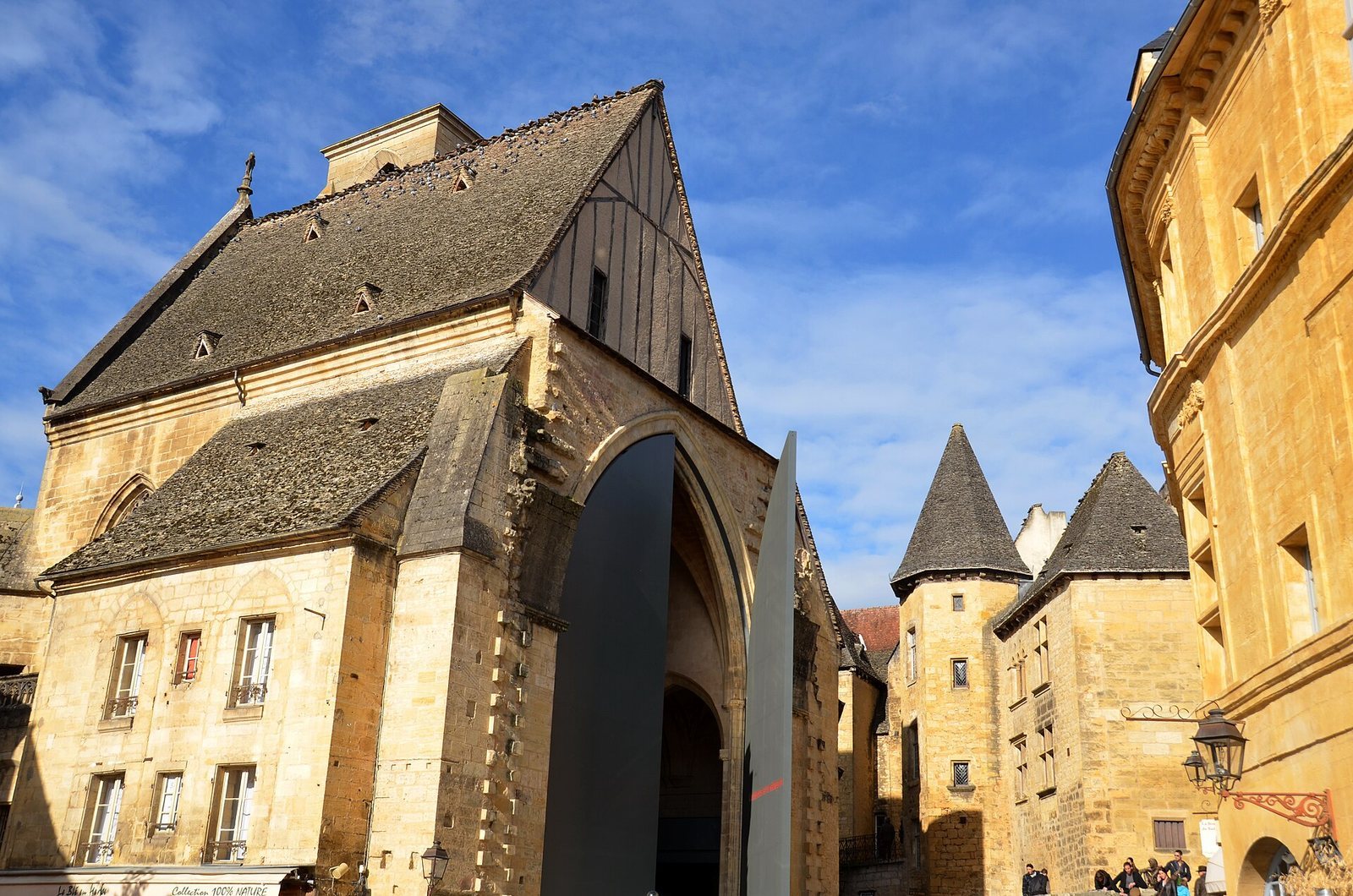
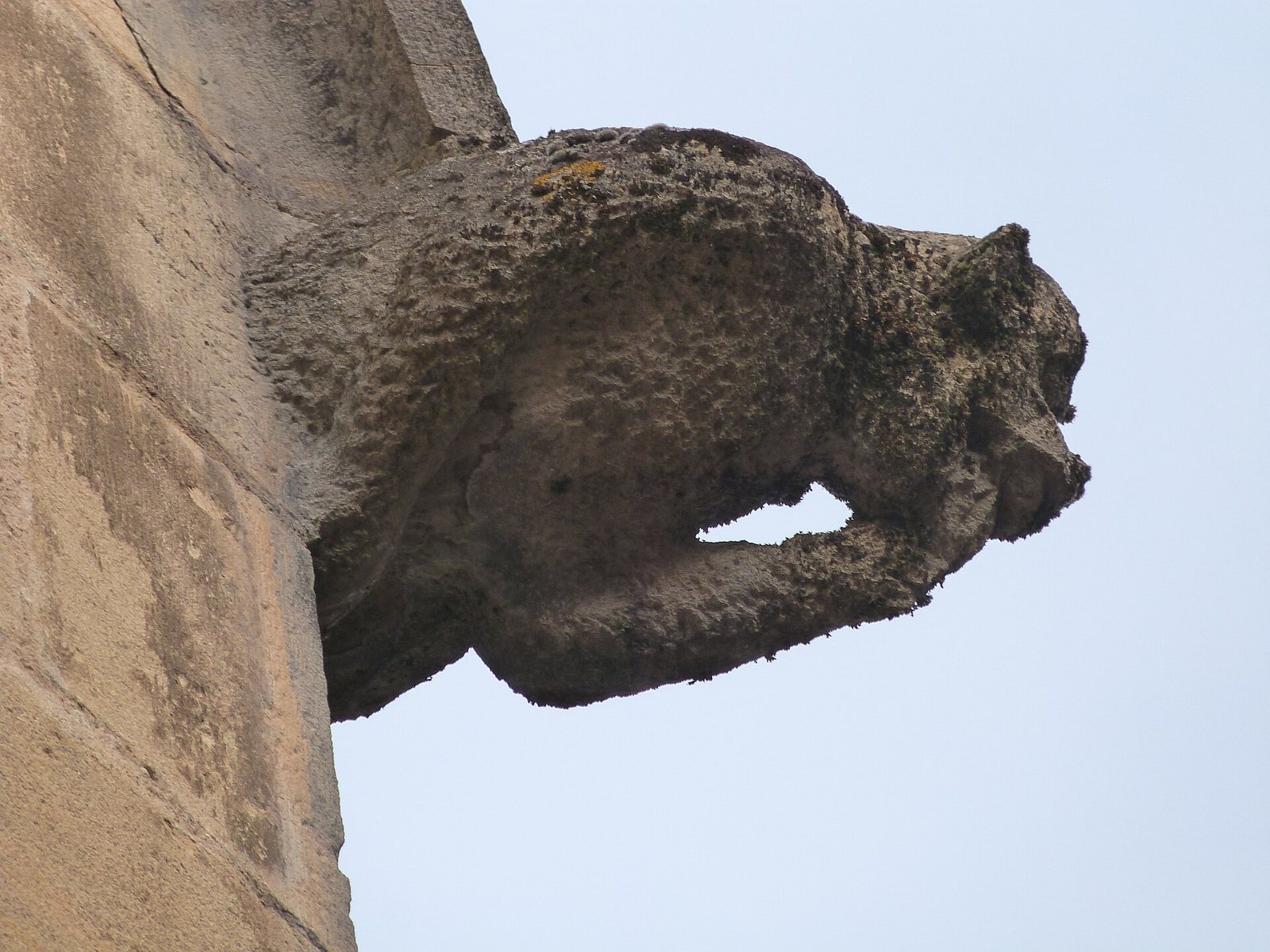
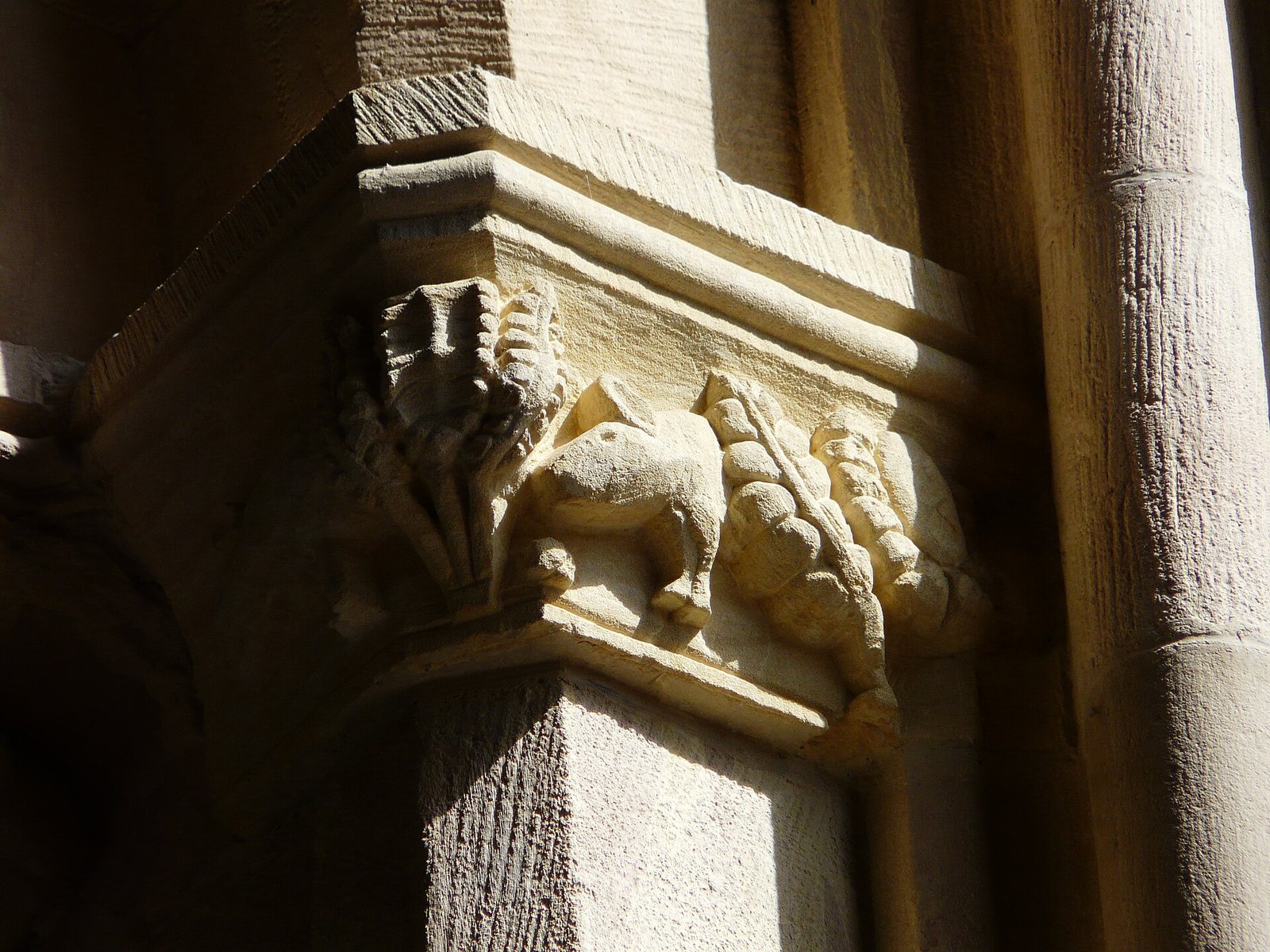
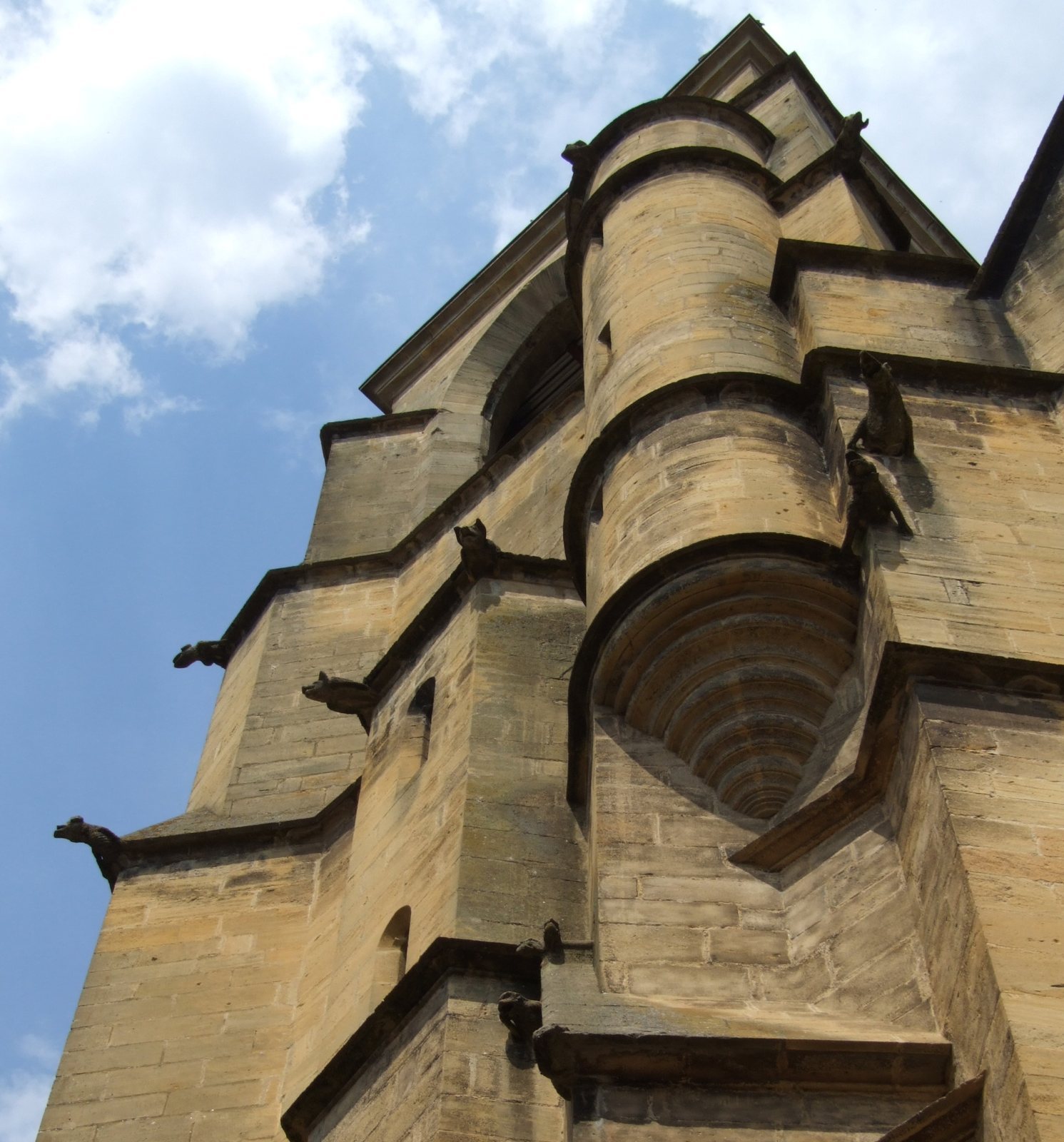
The church’s layout includes a vaulted nave, choir, structural bays, west façade, main entrance, and bell tower. Its architectural character is associated with Romanesque and Gothic styles, and a corbel, a projecting architectural support, is also identified among its features.
Nave and choir
The nave retains its vault. The choir was bought for 600 francs in 1815, and its purchasers soon began removing its stone. The church’s physical remains therefore include fabric shaped by both its original religious use and later dismantling.
Market interior and entrance
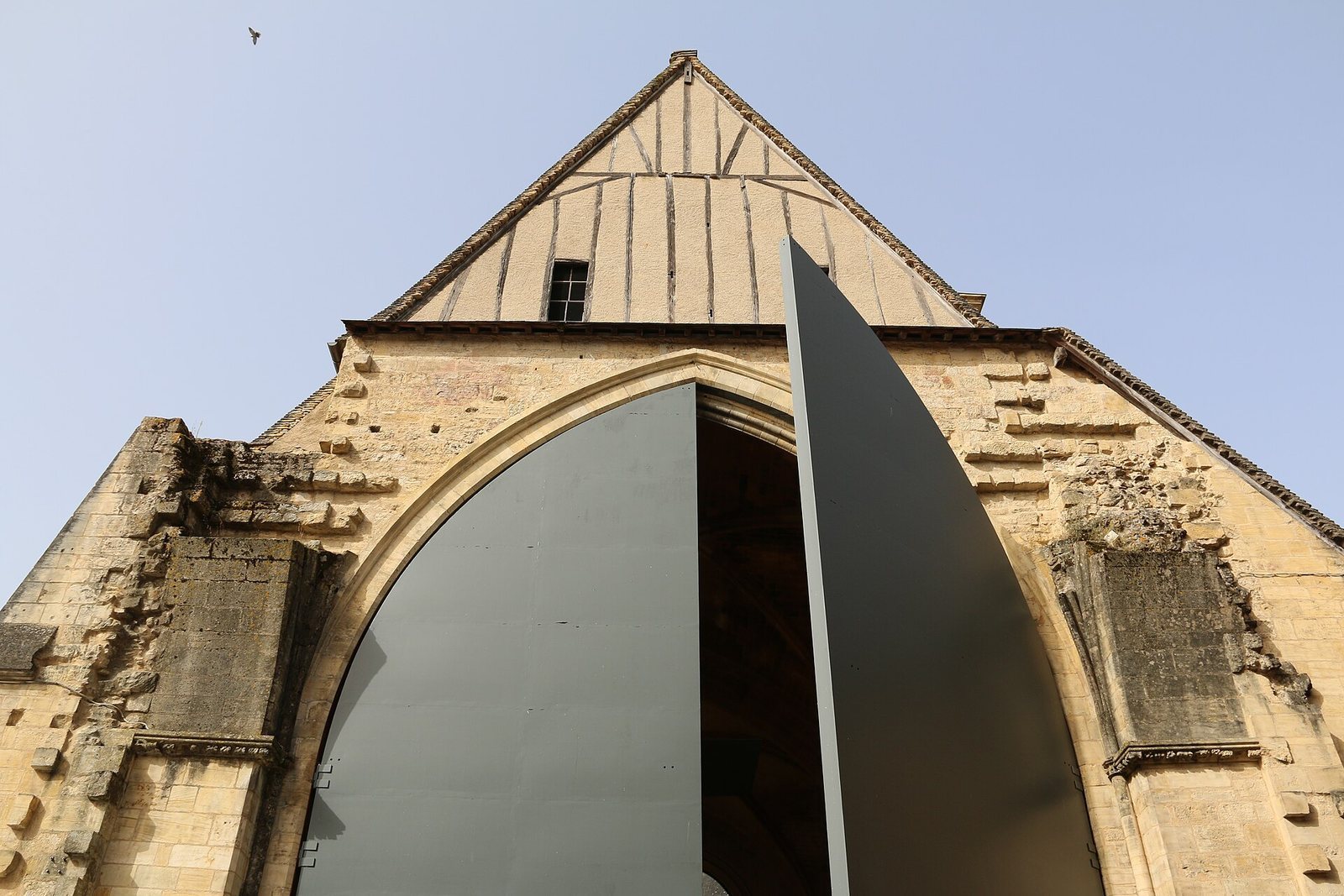
The covered market has a floor area of 400 square metres and two mezzanines, or intermediate floors, each measuring 31 square metres. The mezzanines can be adapted for cultural use, while regional products are sold in the market. On the side formerly occupied by the choir, two metal doors close the building. Set in the portico, a covered entrance area, they stand more than 15 metres high and weigh more than two tonnes. Jean Nouvel designed them, and a company in Rochefort made them.
Bell tower
An elevator inside the bell tower reaches its summit, 27 metres above ground.