Guildford Guildhall: A Historic Civic and Council Building
Site at a Glance
- Popularity
- Medium
- Country
- United Kingdom
- Primary era
- Early Modern
- Eras represented
- Early Modern, Modern
- Civilizations
- British, English
- Site type
- Civic
- Remains
- Town Hall
On this page7 sections
History
Guildford Guildhall is a civic building on Guildford High Street in Surrey, England. Built around 1550 in the Elizabethan style, associated with the reign of Queen Elizabeth I, it began as a market hall on the ground floor with a courtroom above.
Construction and remodelling
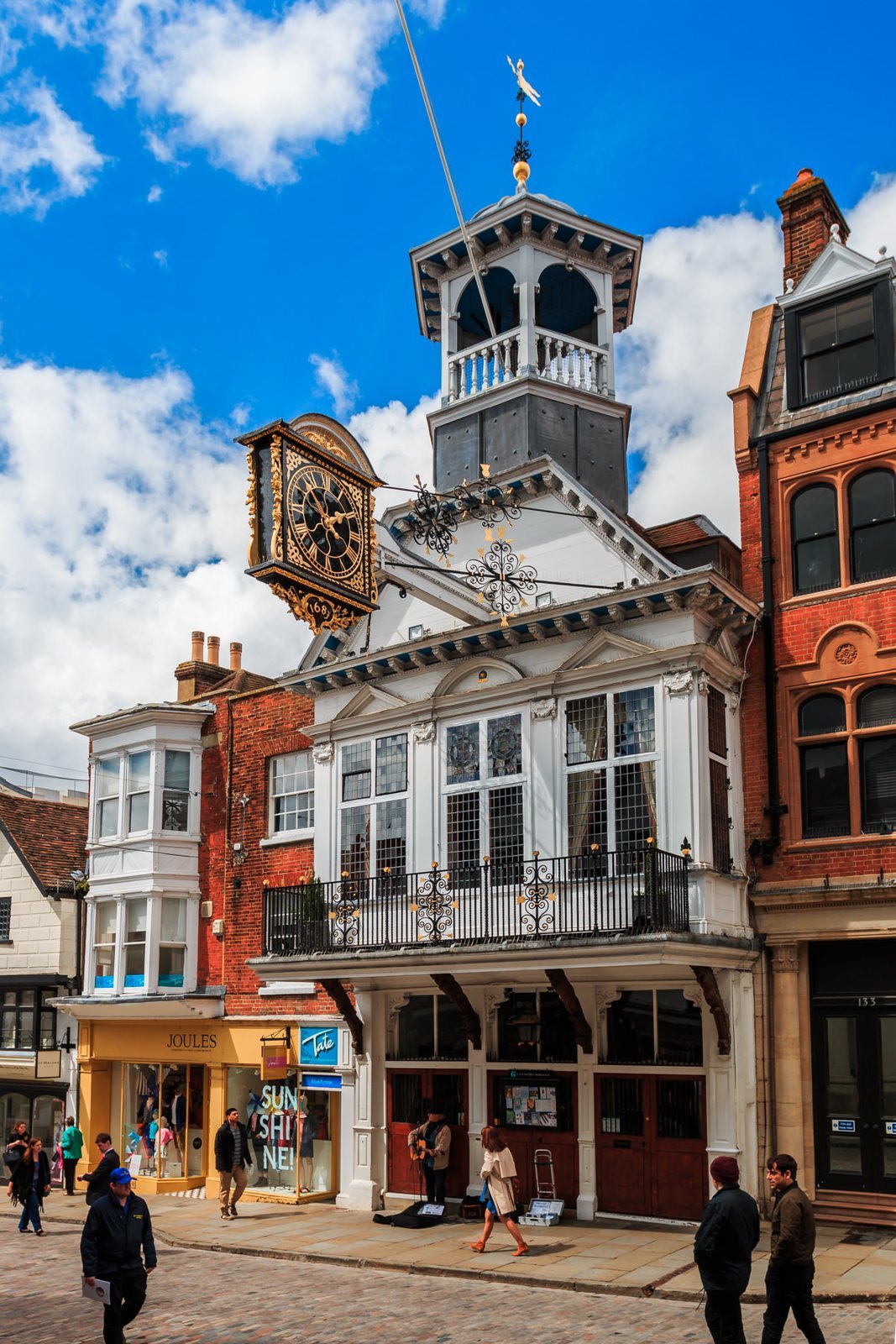
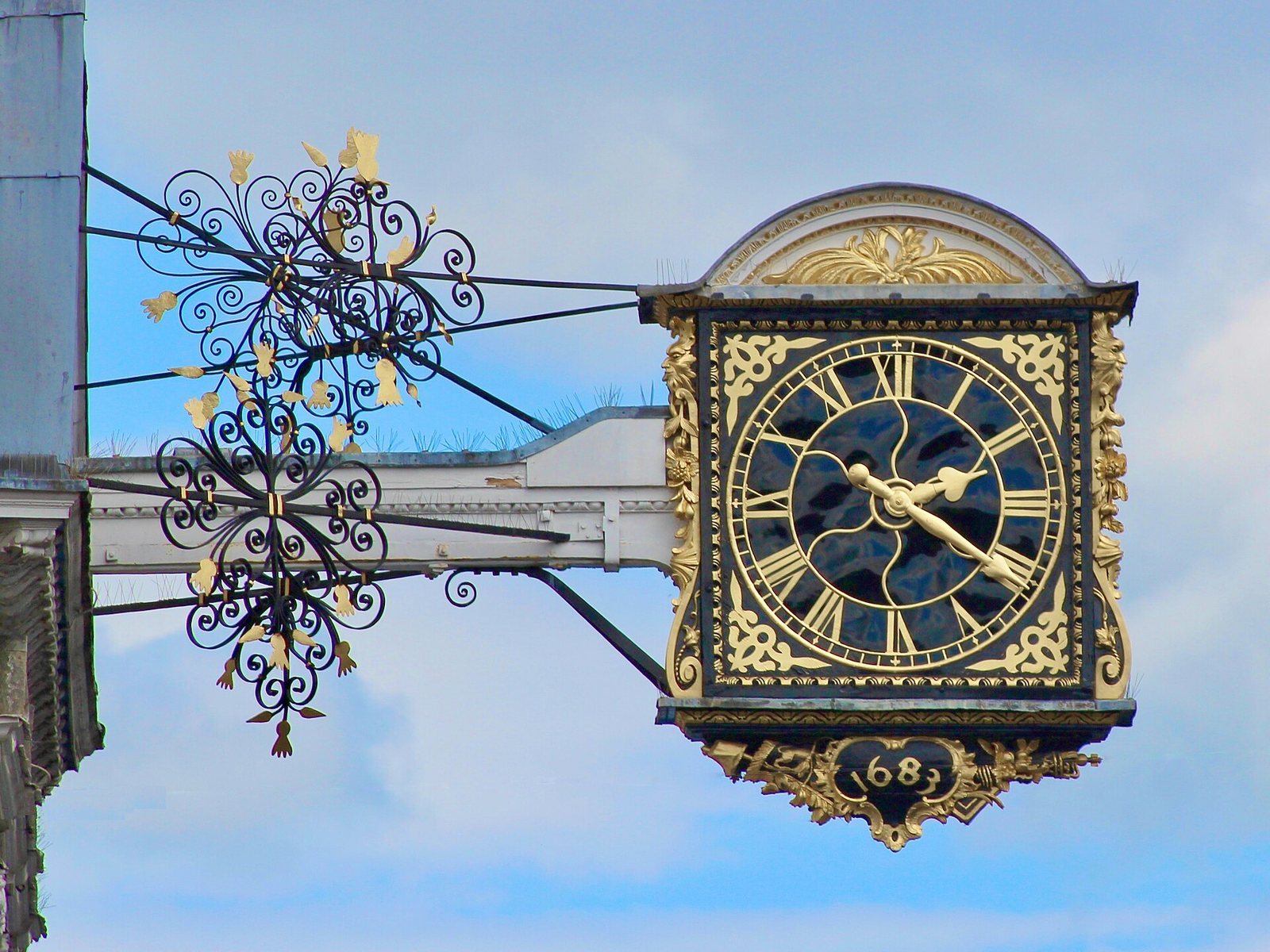
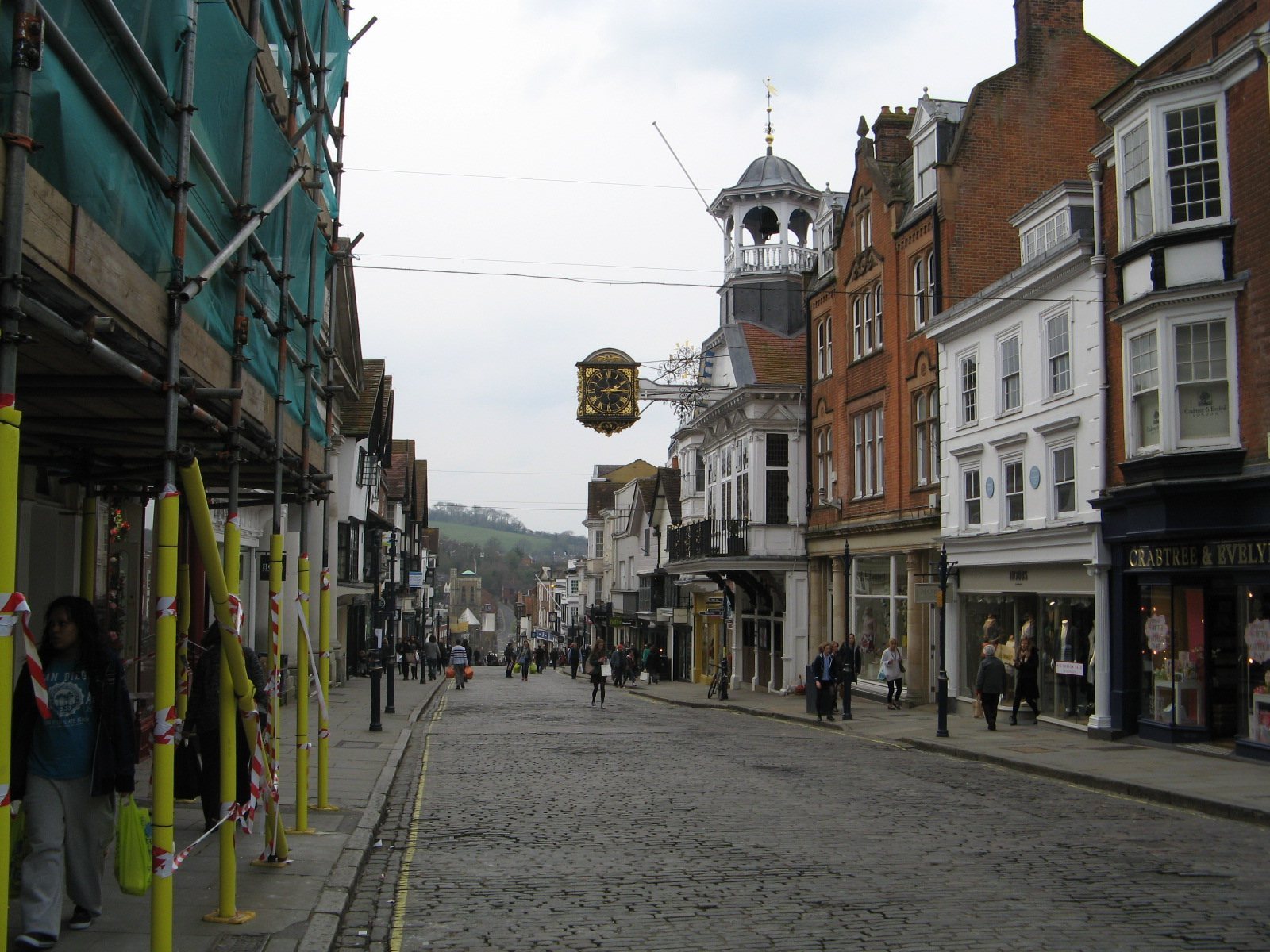
A major redesign in 1683 gave the Guildhall a new facade and installed a council chamber on the first floor. London clockmaker John Aylward presented the council with a projecting clock that year in return for permission to trade in the borough. The small ornamental structure on the roof was replaced in 1882.
Council use and protection
For much of the 20th century, the Guildhall hosted meetings of the Municipal Borough of Guildford. Its role as the local government meeting place ended in 1974, when the Municipal Borough and Guildford Rural District joined to form Guildford Borough Council. The new council held its meetings at Millmead House. The Guildhall was designated a Grade I listed building in 1953, the highest listed-building category in England, reserved for buildings of exceptional interest.
Remains
The Guildhall combines an older civic building with the facade created during the 1683 remodelling. Its principal rooms occupy two floors, while the exterior and interior preserve features associated with its changing public uses.
High Street facade
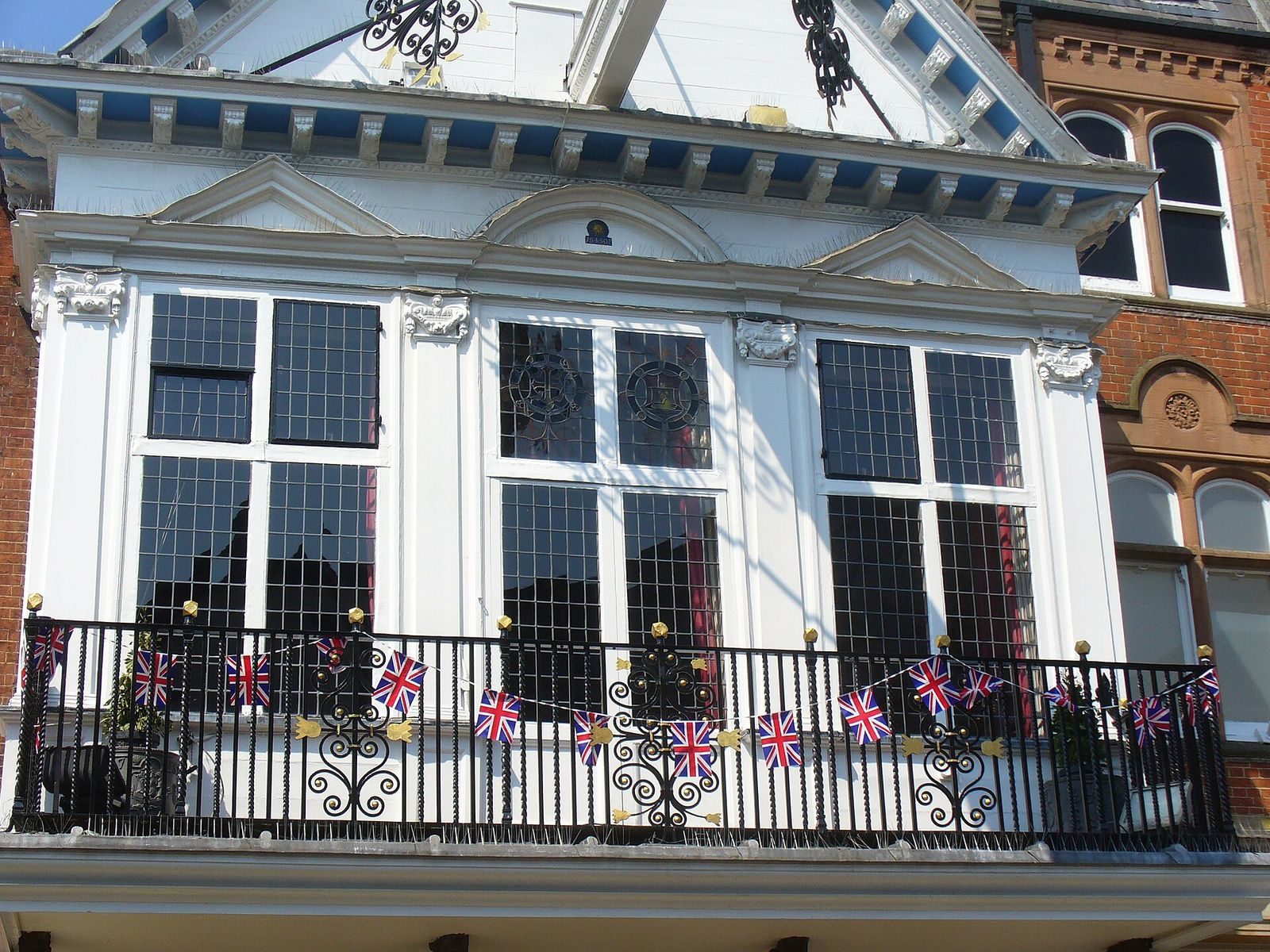
The 1683 facade is arranged around three doors at ground level and three first-floor windows divided into sections by vertical supports. Shallow, column-like features attached to the wall flank the upper windows. An iron-railed balcony runs along the first floor, and the original roof scheme included a small ornamental structure. A projecting clock forms part of the facade design.
Interior
Following the remodelling, the courtroom occupied the ground floor and the council chamber was on the first floor. The chamber’s panelling came from Stoughton Manor House shortly before the house was demolished in the late 17th century.
Painted works
The collection includes portraits of James VI of Scotland, who also ruled England and Ireland as James I, and the later Stuart kings Charles II and James II. It also contains portraits of William III and Mary II, who ruled as co-monarchs. Artists represented include Paul van Somer I, Peter Lely, and John Riley. John Russell’s painting depicts Vice-Admiral Sir Richard Onslow receiving the Dutch flag’s surrender after the Battle of Camperdown, a British-Dutch naval engagement fought on 11 October 1797.