Church of St Augustine, Broxbourne: A Gothic Parish Church
Site at a Glance
- Popularity
- Medium
- Country
- United Kingdom
- Primary era
- Medieval
- Eras represented
- Medieval, Early Modern
- Civilizations
- English
- Site type
- Religious
- Remains
- Church
History
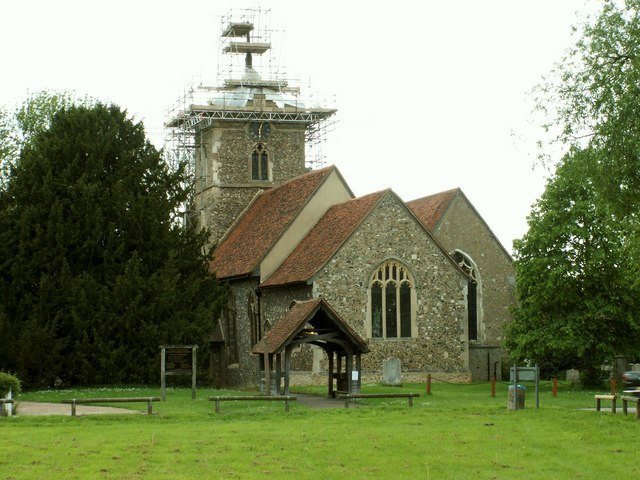
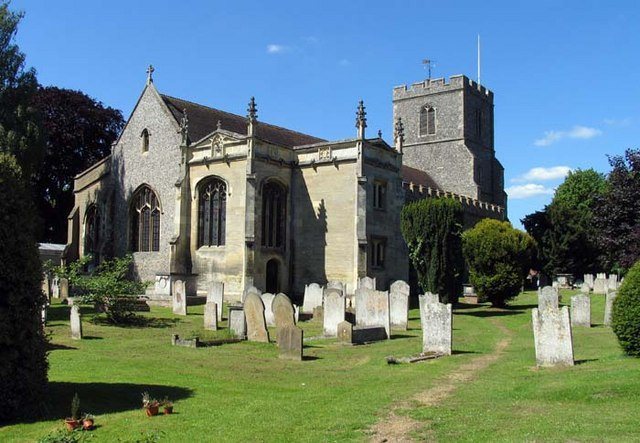
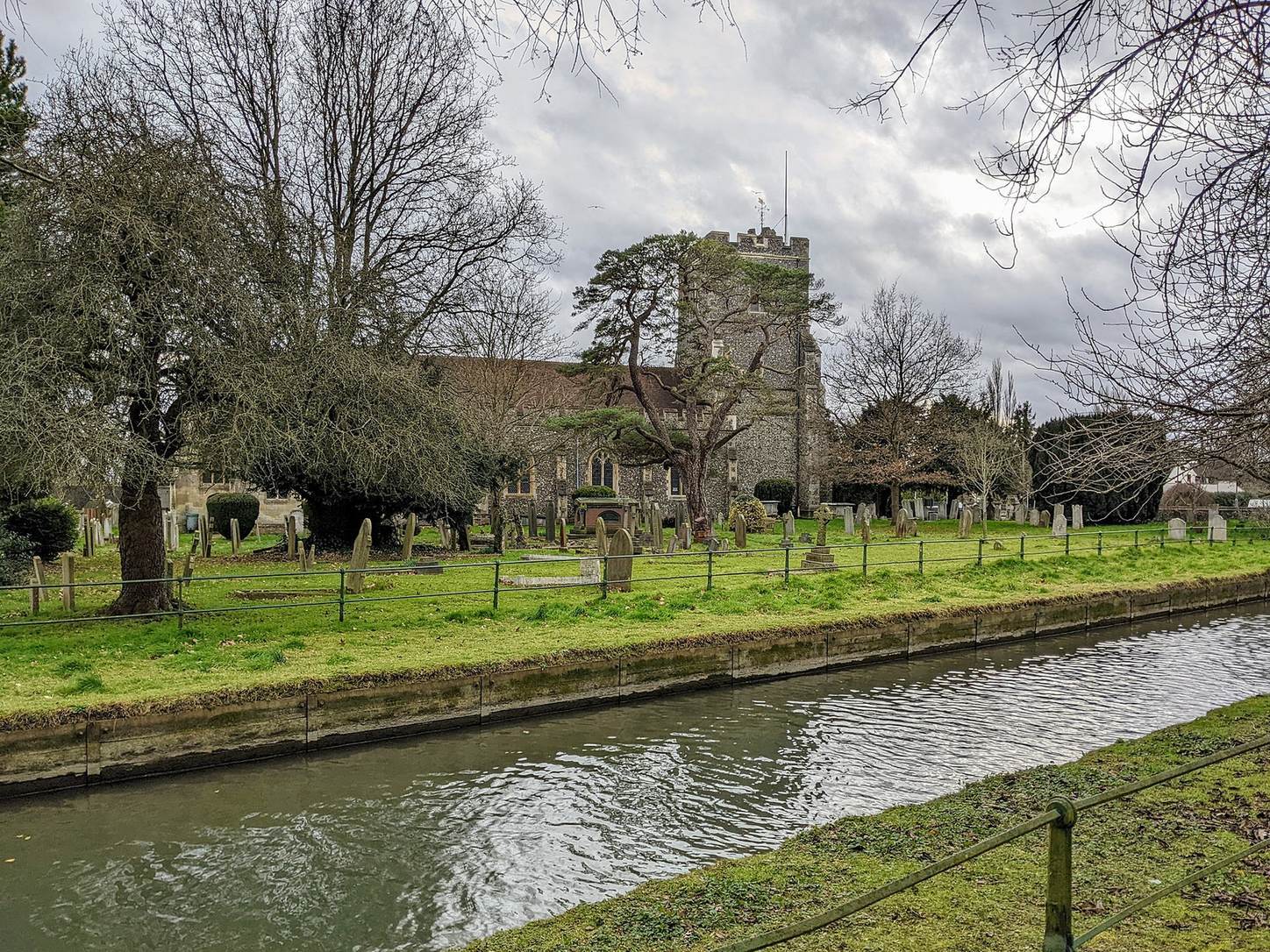
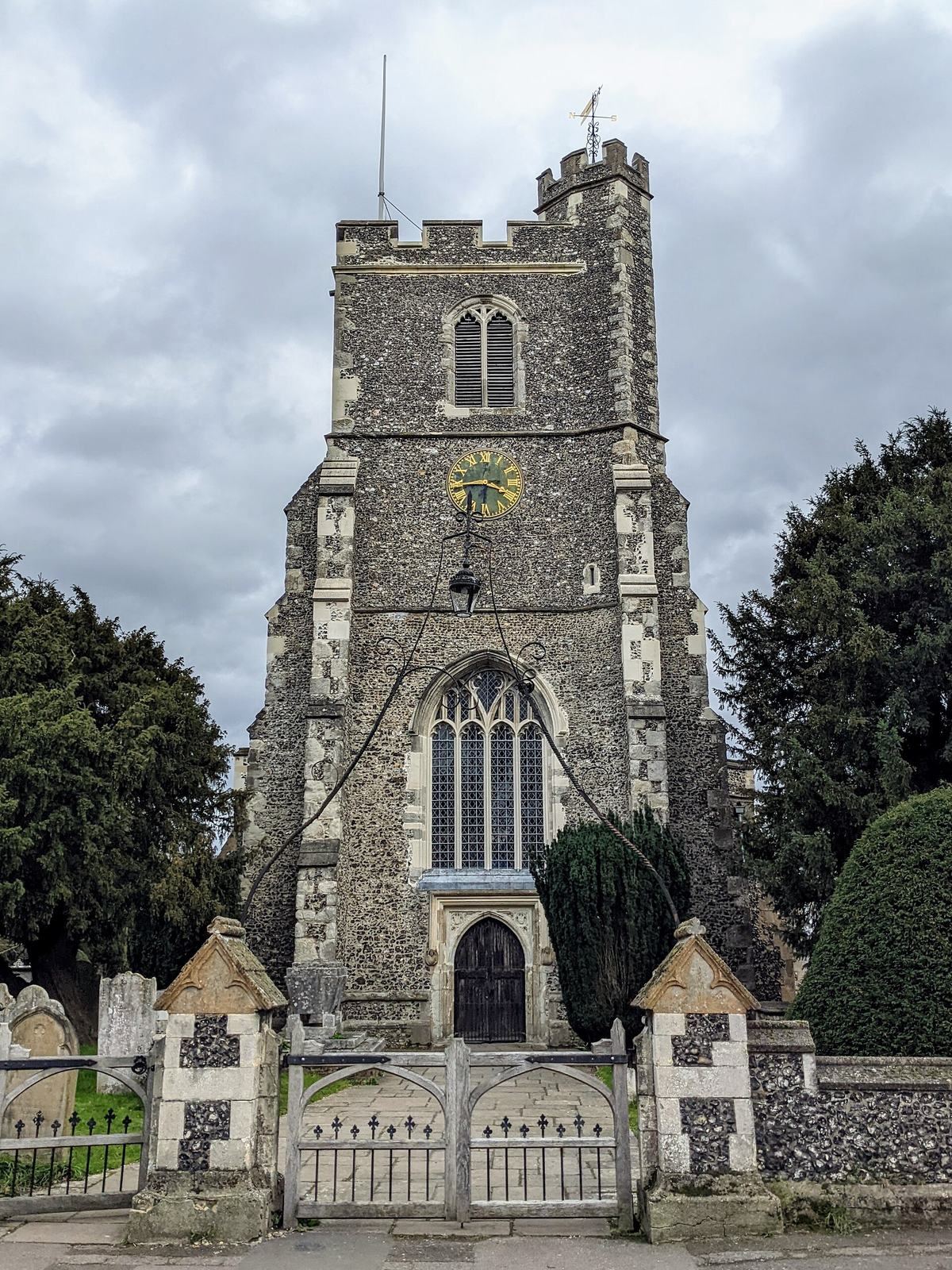
The Church of St Augustine is a Gothic parish church in Broxbourne, Hertfordshire, United Kingdom, opposite the New River. Broxbourne parish and its priest appear in the Domesday Book, William I’s survey of England compiled in the late eleventh century.
The present church is believed to have been built by 1460, with Sir John Say, a fifteenth-century English politician and royal official, paying the cost. The building was enlarged during the fifteenth and sixteenth centuries. In 1476, mason Robert Stowell extended the south aisle, a passage alongside the main body of the church, for Say.
The church remains an active Church of England parish church in the Diocese of St Albans, within the Archdeaconry of Hertford and the Deanery of Cheshunt. A diocese is an area overseen by a bishop; an archdeaconry is a subdivision of a diocese, and a deanery groups parishes. The church is Grade I listed, England’s highest listing category for buildings of exceptional interest.
Remains
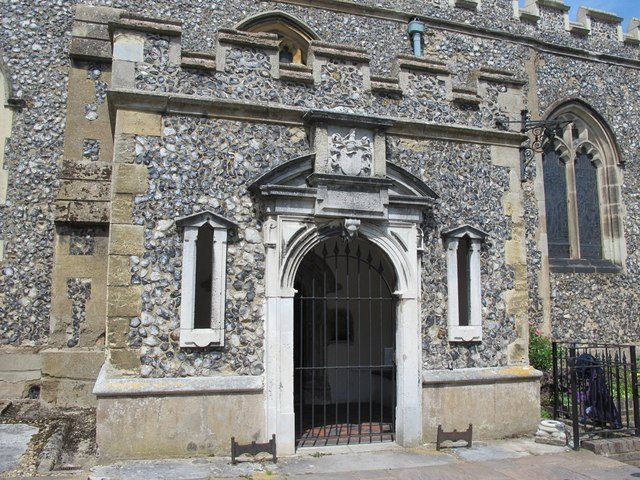
The church is Gothic in style and stands opposite the New River. Sir John Say’s tomb is south of the chancel, the part of a church around the altar. The church also contains a memorial to Scottish engineer John Loudon McAdam, associated with the development of macadam road construction.