Rye House: A Fortified Manor House in Hertfordshire
Site at a Glance
- Popularity
- High
- Country
- United Kingdom
- Primary era
- Medieval
- Eras represented
- Medieval
- Civilizations
- English
- Site type
- Domestic
- Remains
- Manor House
On this page8 sections
History
Rye House is the surviving site of a fortified manor house in Hoddesdon, Hertfordshire, United Kingdom. Construction began around 1443, when Sir Andrew Ogard was licensed to add battlements to the house and enclose part of the manor as a park. The manor lay in the area then called the Isle of Rye, within the parish of Stanstead Abbots.
Medieval origins and the Parr family
Ogard was a Danish soldier who had received denizen status in England in 1433, a legal standing granted to a person born abroad. The house’s ownership remained relatively stable over the following four centuries, even as its buildings gradually diminished and the fabric deteriorated.
William Parr was living at Rye House in 1517, and the property served as the Parr family’s principal home. After his death, his daughters Catherine and Anne lived there until 1531. Catherine later became Henry VIII’s sixth wife and queen consort.
Later owners and the Rye House Plot
In 1577, William Frankland transferred the house to his wife, Joyce. The Franklands sold it to the Baeshe family in 1619. Edmund Feilde, a Member of Parliament for Hertford, brought the property into the Fieldes family in 1676.
Rye House gave its name to the alleged Rye House Plot of 1683, a proposed scheme to assassinate Charles II and his brother James, who later succeeded him as James II. At the time the plan was being discussed, the house was occupied by Richard Rumbold, one of the conspirators.
Workhouse, attraction and hotel
By 1834, Rye House had become a workhouse, an institution where poor people received relief in return for work. Henry Teale bought the house and 50 acres in 1864 and developed the grounds as a tourist attraction. In 1885, an affray between Catholic excursionists and members of the Protestant Orange Order, known as Orangemen, led to a question in the House of Commons. The property was operating as a hotel by 1911.
Interest in the pleasure garden declined during the 1920s, and the Great Bed of Ware was acquired by London’s Victoria and Albert Museum in 1931. The site is a scheduled monument, a category of legal protection for nationally important archaeological sites. Its surviving gatehouse is listed Grade I, the highest category for listed buildings in England.
Flooding and local routes
Flooding shaped the manor’s history. At Hoddesdon, the River Stort flows into the River Lea, and the surrounding area was often inundated. The lord of the manor maintained a bridge over the Lea and a causeway. The causeway later formed part of the coaching road through Bishop’s Stortford towards East Anglia.
Remains
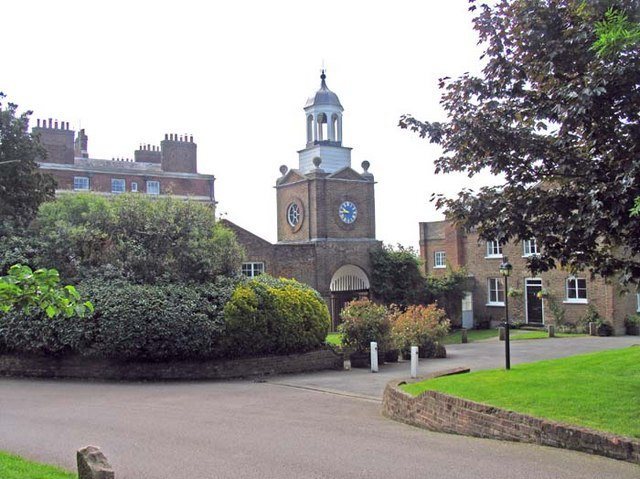
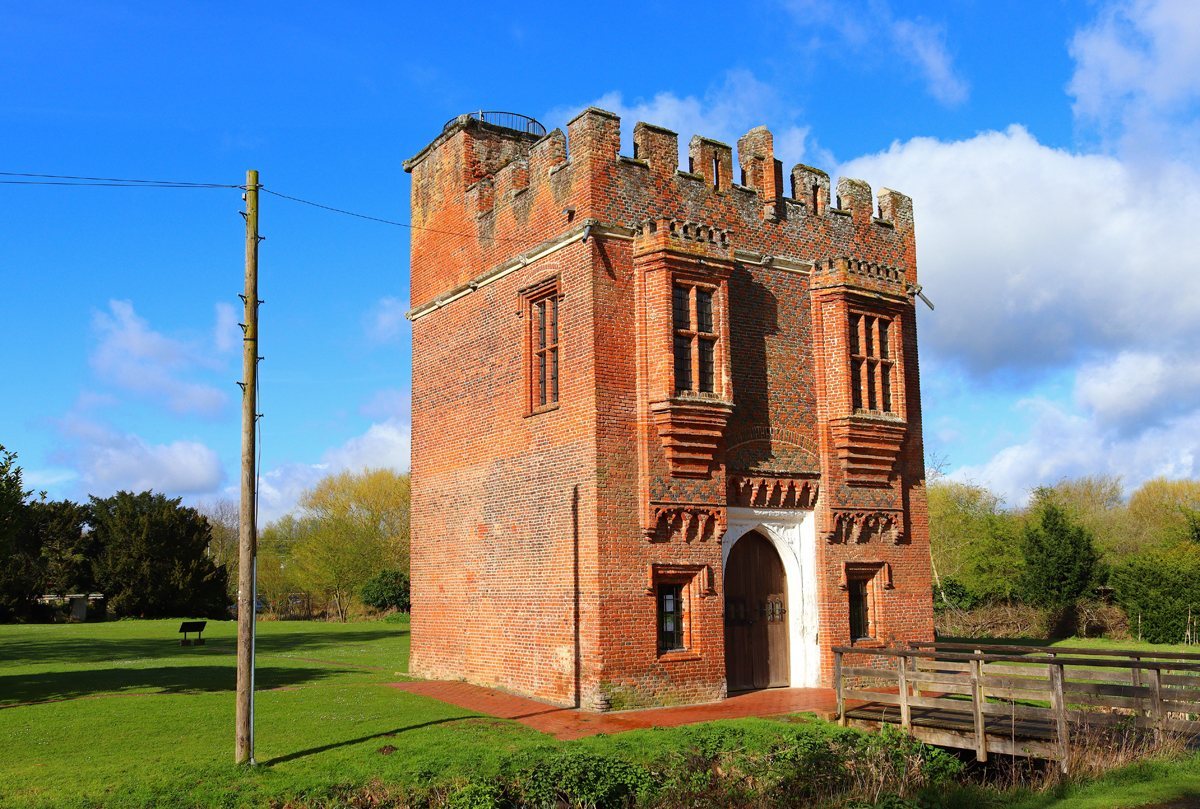
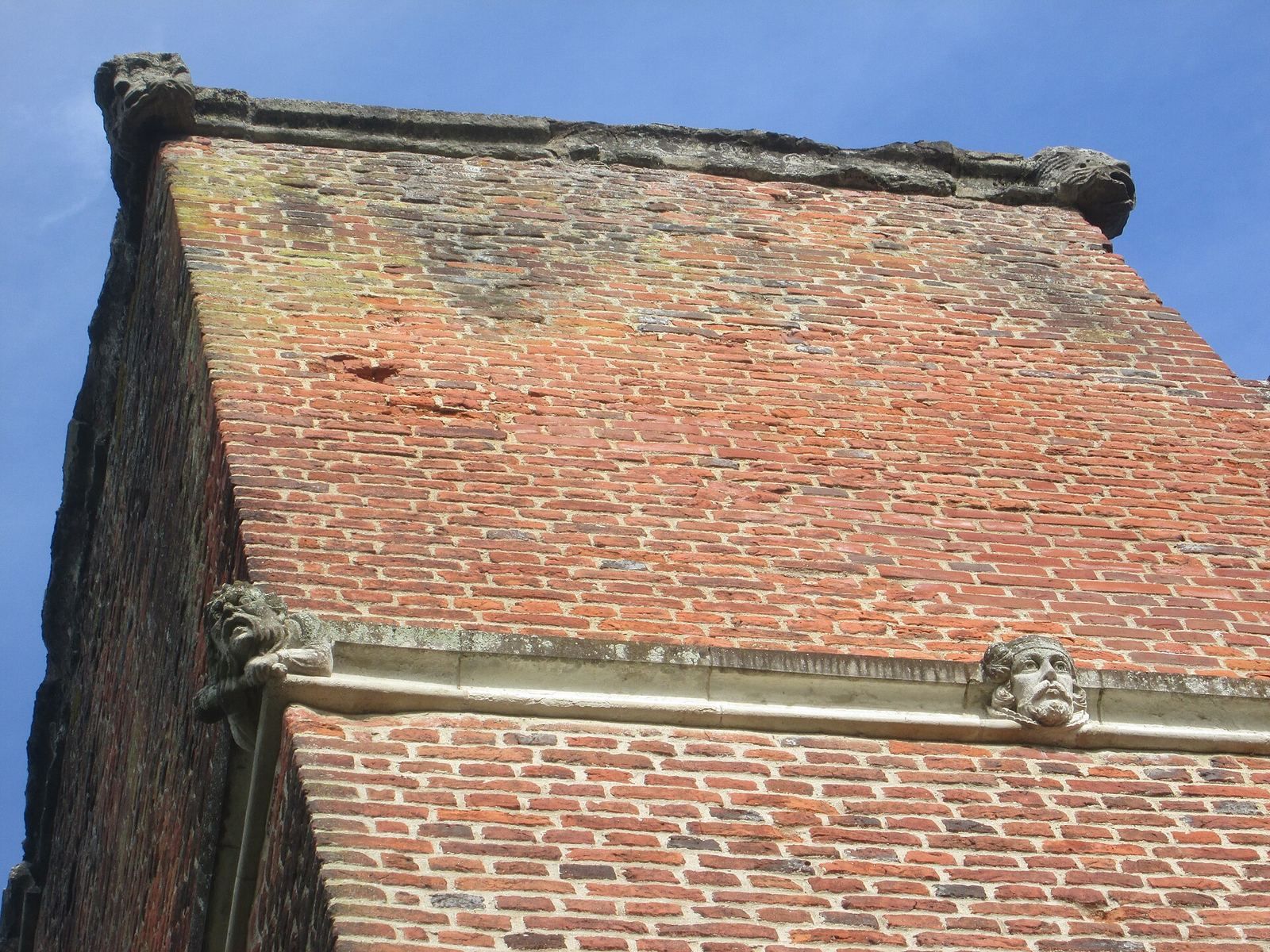
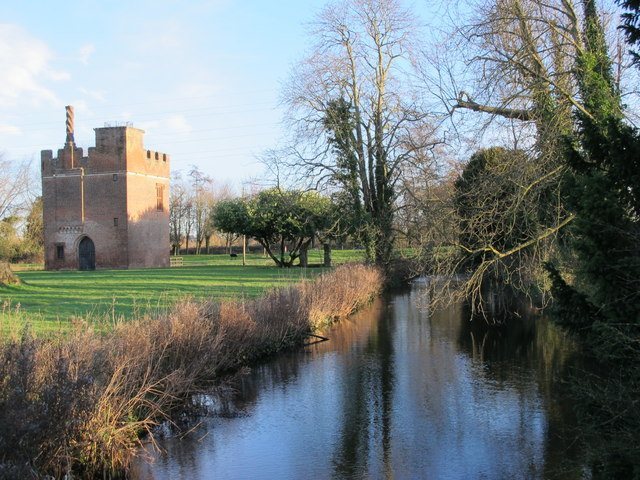
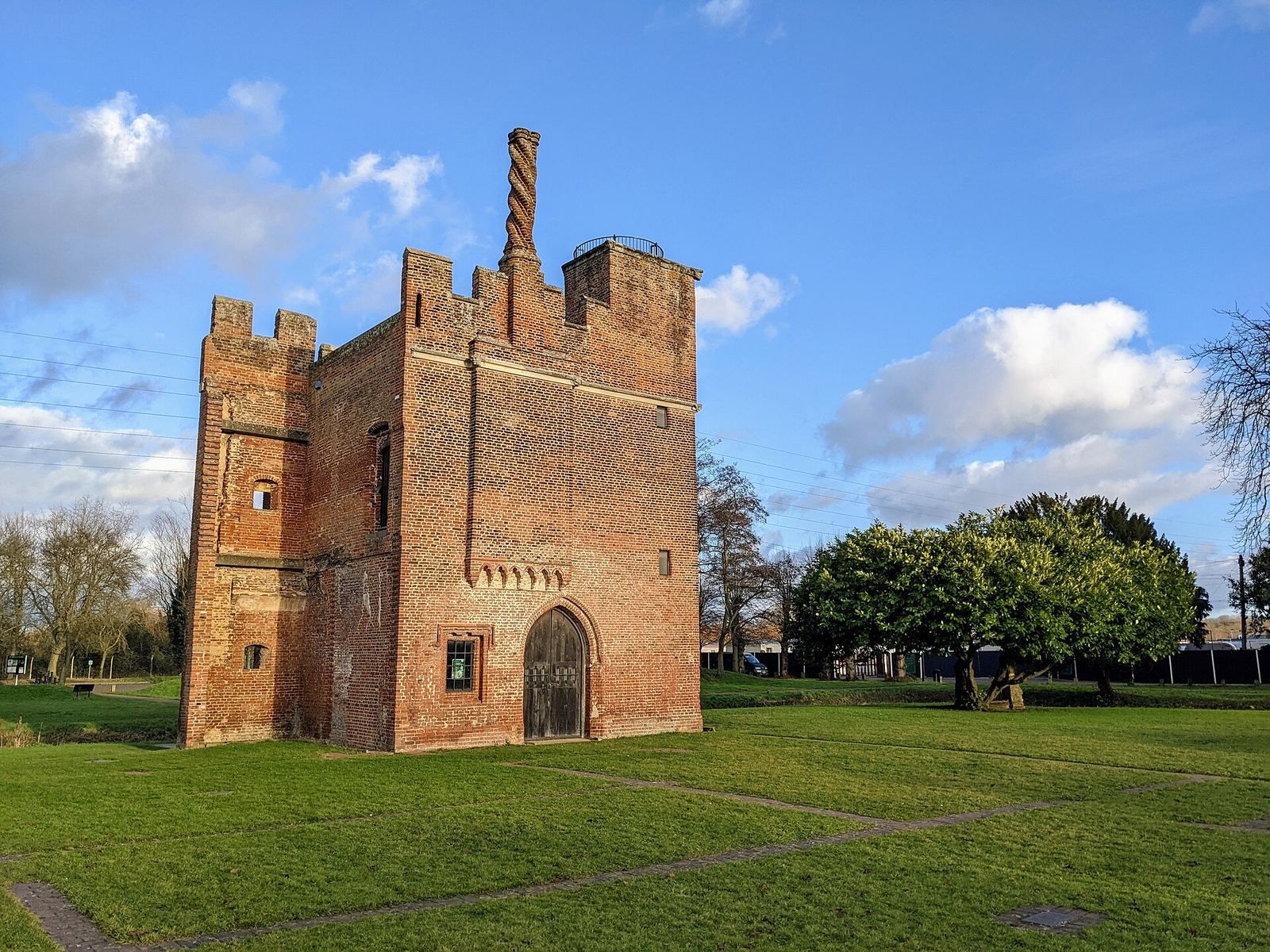
The manor-house complex stood within a moat, and its 15th-century gatehouse is the only part of the complex that survives. More than 50 varieties of moulded brick were used in the house’s construction.
Gatehouse
The surviving gatehouse dates to the 15th century. It preserves the remaining built part of the former manor-house complex.
Moat and pleasure-garden grounds
The moat served several purposes, including the cultivation of watercress. Part of it had been filled in and was excavated during the 1980s. The pleasure-garden grounds included a maze and a bowling green. The Great Bed of Ware, an unusually large bed associated with the nearby town of Ware, was used in the garden from 1870.