Temple of Vesta in Tivoli: A Roman Temple of Uncertain Dedication
Site at a Glance
- Rating
- 4.7
- Popularity
- Medium
- Country
- Italy
- Primary era
- Classical
- Eras represented
- Classical
- Civilizations
- Roman
- Site type
- Religious
- Remains
- Temple
On this page9 sections
History
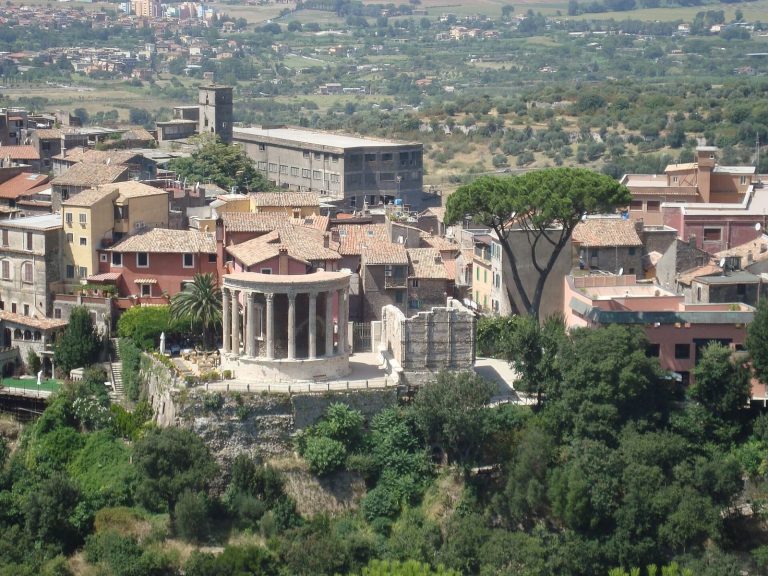
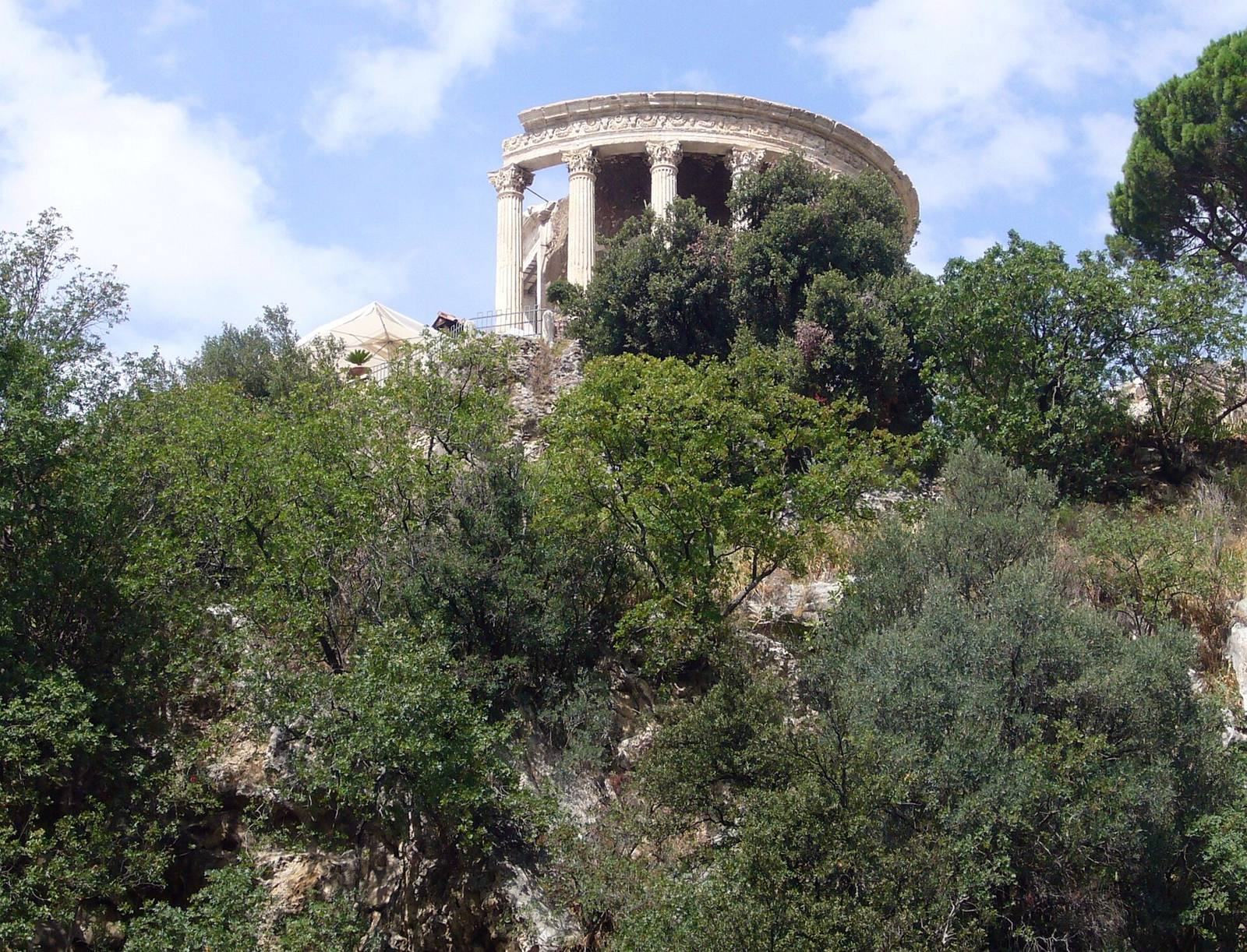
The Temple of Vesta in Tivoli is a Roman temple on the acropolis of ancient Tibur, in Tivoli, Italy. It is generally dated to the early 1st century BCE, though some date it to the late 2nd century BCE. Its columns follow the Corinthian order, a classical style with ornate capitals, but its original dedication is uncertain.
Dating and original purpose
Proposed dedications include Hercules, Albunea, the Sibyl of Tibur and a female prophetic figure, Tiburnus, the legendary namesake of ancient Tibur, and Vesta, the Roman goddess associated with the hearth and household. The round plan encouraged an association with Vesta, since round shrines with a central sacrificial hearth were commonly linked to her, but no decisive evidence confirms that dedication. Another possibility is that the building served as a mausoleum for the Gellia family, whose villa was nearby.
An inscription credits Lucius Gellius with building or restoring the temple. Gellius was a judge and curator of public works at Tibur in the 1st century BCE; a curator oversaw public construction and maintenance. The inscription does not clarify whether he commissioned the original building or a restoration. A nearby rectangular temple, often called the Temple of the Sibyl, is also difficult to identify with certainty and is dated to the century before this temple.
Church use and artistic influence
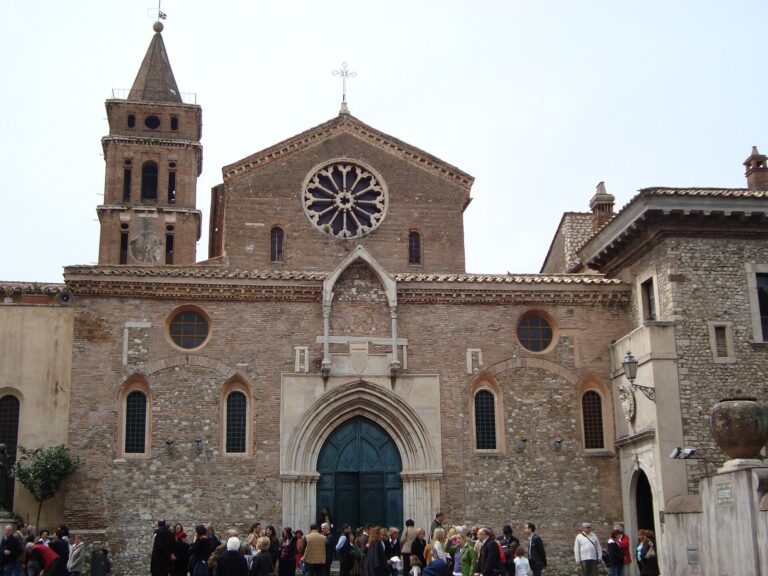
In the early Middle Ages, the temple became a church called Santa Maria della Rotonda. Its Christian additions had disappeared by the 16th century, and the ancient structure was restored in 1884.
In 1682, Antoine Desgodetz published measured drawings showing the temple’s plan, elevation, capitals and carved bands. During the 18th century, the Italian printmakers Giuseppe Vasi and Giovanni Battista Piranesi produced views of it. The building and its landscape also attracted Romantic painters and provided a model for garden and temple designs in Europe and North America, from close copies to looser adaptations.
Remains
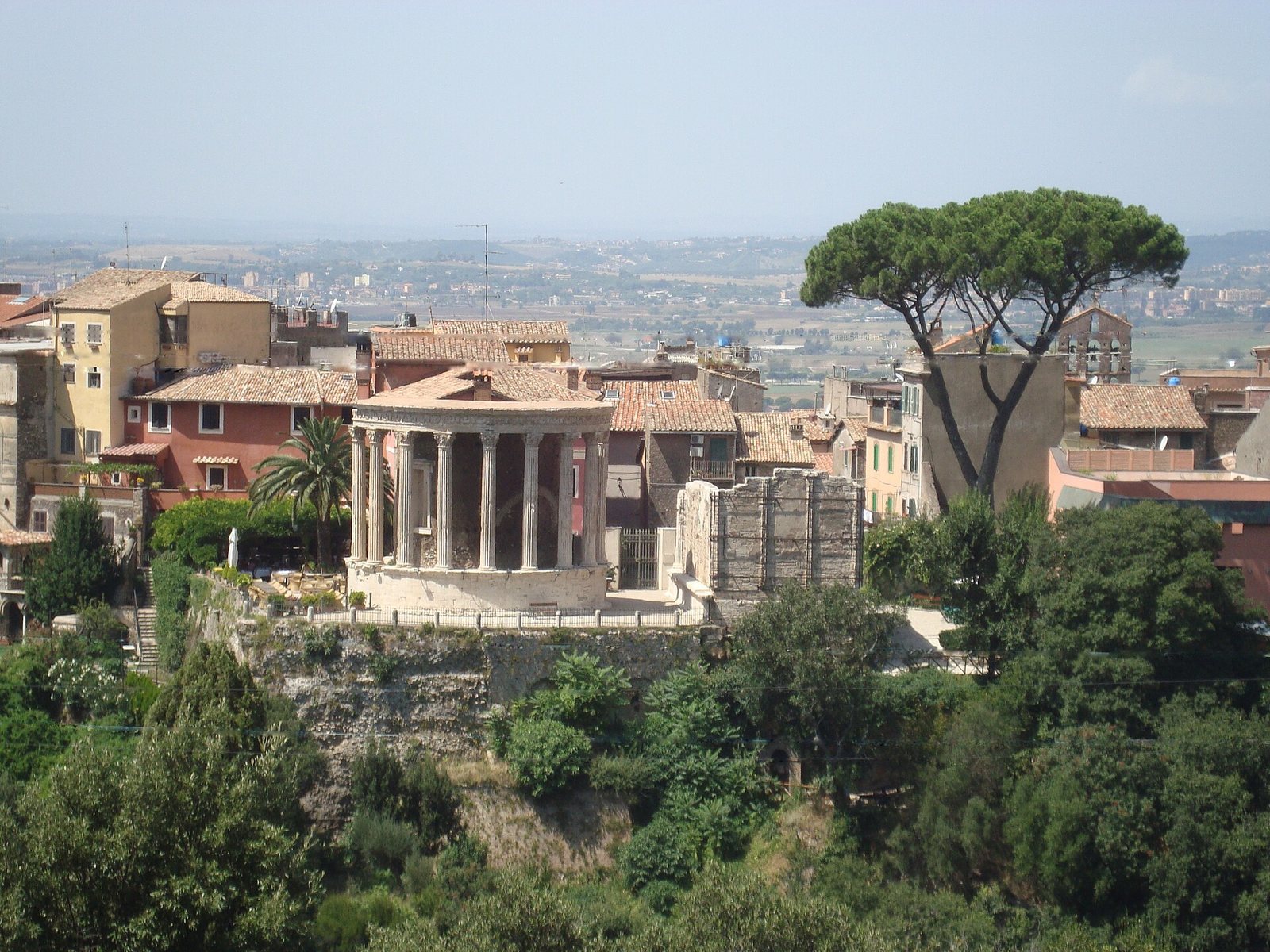
The ruins stand within the grounds of Villa Gregoriana, on the acropolis of ancient Tibur. They overlook waterfalls on the Aniene River and a narrow gorge, while olive groves on the hills around Tivoli are also visible. The main structure is a circular temple about 14.5 m across, organized around an inner chamber and a surrounding colonnaded passage.
Circular temple
Podium and inner chamber
The circular inner chamber stands on a brick podium about 2.4 m high, faced with blocks of travertine. Its doorway is about 2.4 m wide and 5.5 m high, with a window on either side. Travertine tiles pave the floor.
Colonnade and carved stonework
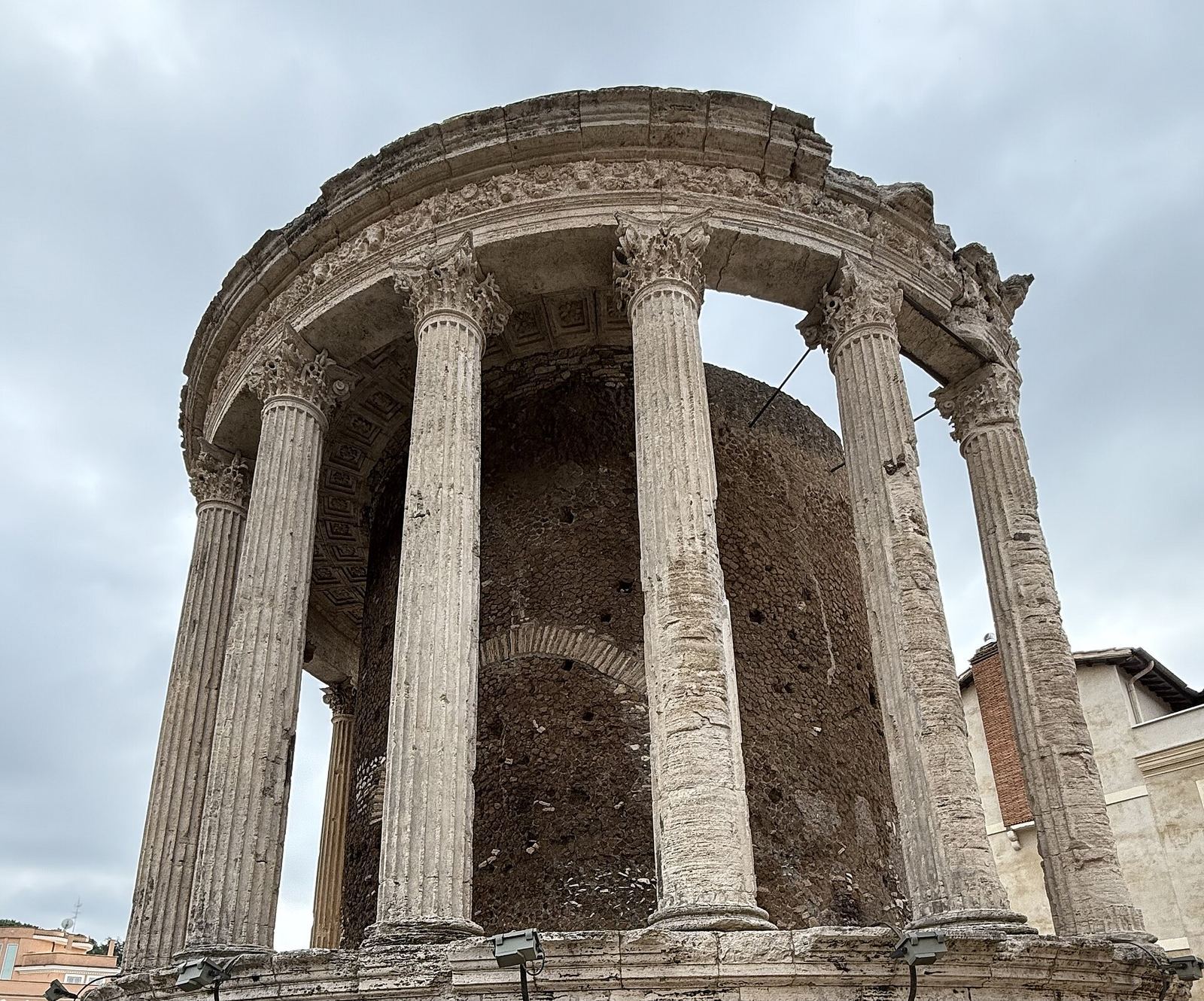
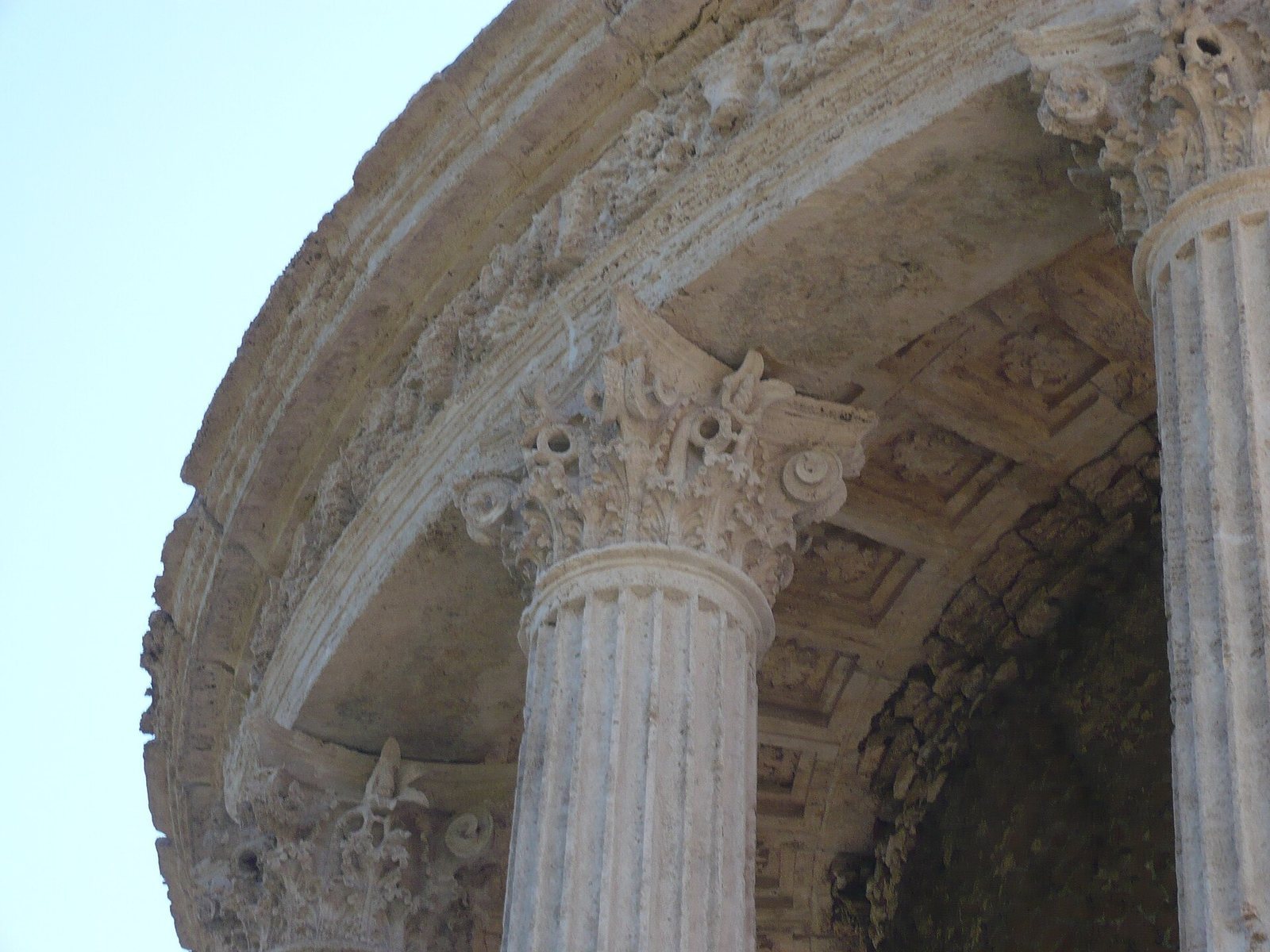
The passage around the chamber was ringed by 18 Corinthian columns, of which 10 remain. Each column is about 7.1 m high, measures about 0.76 m across at its base and has 18 finely carved flutes. The capitals have two rows of acanthus, a leafy ornamental motif. Oversized ornaments on their upper blocks resemble hibiscus flowers with prominent spiral centers, and the tops of the shafts are flat. A carved frieze, or horizontal decorative band, carries fruit garlands between bucrania, decorative ox-skull motifs, with a rosette above each garland.
Ceiling and roof
The passage has an arched ceiling decorated with two rows of recessed panels, each containing a rosette. The original roof was conical, with an opening at the top intended to let smoke from the sacred hearth escape. A Renaissance reconstruction by Giuliano da Sangallo, an Italian architect, proposed that the ancient roof had been replaced by a low dome on a short cylindrical base; that interpretation remains uncertain. Traces of Christian painting inside the chamber survived until around the turn of the 20th century.
Nearby Temple of the Sibyl
The nearby Temple of the Sibyl is rectangular and more ruinous than the circular temple. Its identification remains uncertain.