Church of the Ascension of the Lord: A Serbian Orthodox Church in Čurug
Site at a Glance
- Rating
- 4.9
- Popularity
- Medium
- Country
- Serbia
- Primary era
- Modern
- Eras represented
- Modern
- Civilizations
- Austria-Hungary, Austrian Empire, Habsburg
- Site type
- Religious
- Remains
- Church
On this page6 sections
History
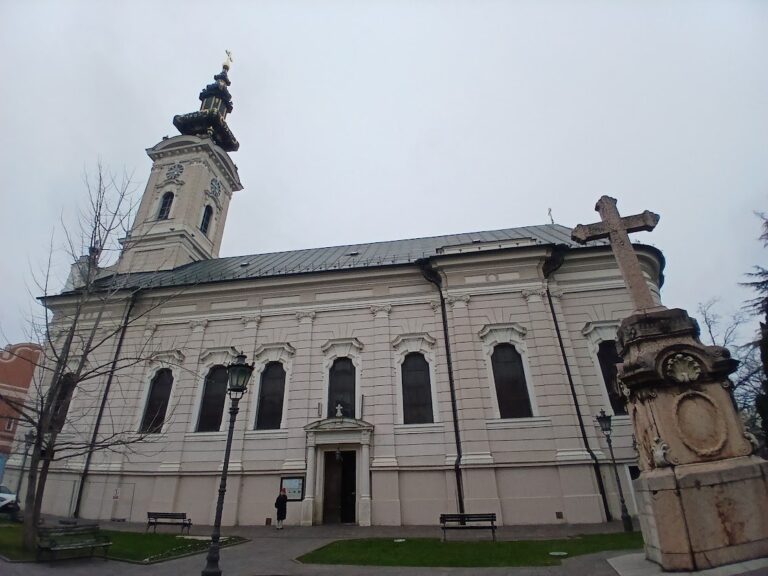
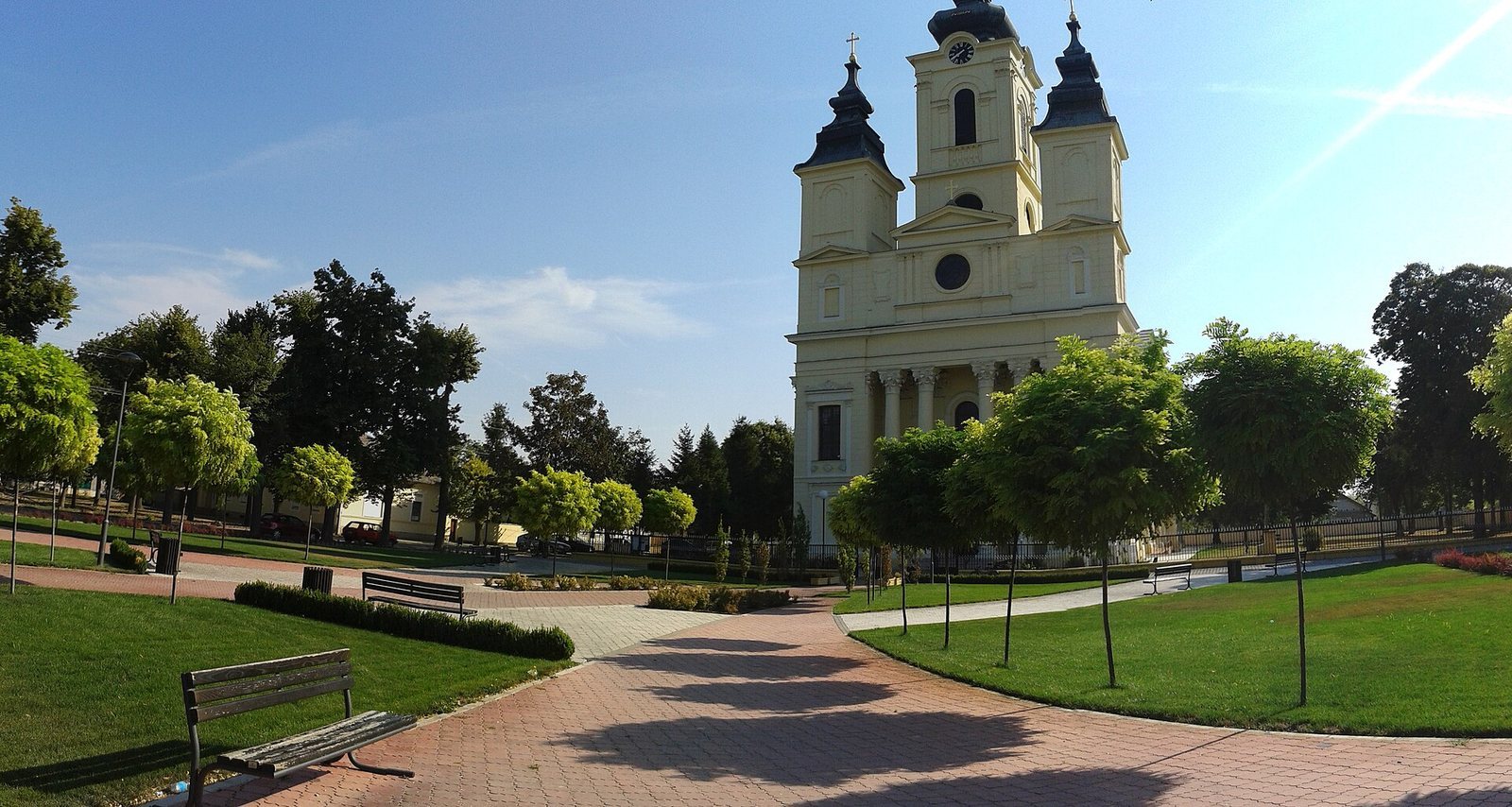
The Church of the Ascension of the Lord is a Serbian Orthodox church in Čurug, near Žabalj in Serbia’s Vojvodina region. Built between 1857 and 1862, it is predominantly Neoclassical, with some Neo-Renaissance elements. The church belongs to the Eparchy of Bačka, a territorial diocese of the Serbian Orthodox Church.
Construction and artistic aims
A military engineer designed the church, whose construction began in 1857 and was completed five years later. The iconostasis project expressed a shared ideal of national art, joining traditional roots with openness to modern European currents.
Parish, bell, and conservation
An inscription on the church bell says that the Serbian Orthodox parish of Čurug installed it during the reign of Alexander I, monarch of the Kingdom of Serbs, Croats and Slovenes, and the episcopate of Irinej, Bishop of Novi Sad-Bačka. It describes the bell’s purpose as awakening the faithful, day and night, to glorify God.
Serbia classifies the church as a cultural monument of exceptional importance. Conservation work took place in 1960 and 1972.
Remains
Plan and exterior
The monumental church has a single nave and a semicircular apse (rounded sanctuary end), with a prominent choir transept (a crosswise part of the church). Its narthex (entrance vestibule) provides access to the choir gallery. A porch marks the western entrance, above which three towers rise, with the central tower tallest. Four columns in the Corinthian style, a classical column form, stand in two pairs at the main entrance. Decorative porticoes topped by pediments (triangular upper sections) mark the side entrances, with simpler versions at the transept. Below the windows, the walls have recessed panels, and floral motifs frame the windows.
Iconostasis and bell
The large iconostasis is made of white marble. This screen of icons separates the sanctuary from the main worship space. Mihailo Valtrović, a Serbian architect and art historian, designed it, and Serbian painter Đorđe Krstić painted it in the 1890s. The church’s bell weighs 4,775 kilograms and is known as the “Great Contra G,” a musical pitch designation.