Cueva Ambrosio: A Prehistoric Rock Shelter in Spain
Site at a Glance
- Rating
- 4.2
- Popularity
- Very Low
- Country
- Spain
- Primary era
- Stone Age
- Eras represented
- Stone Age
- Civilizations
- Unclassified
- Site type
- Civic
- Remains
- Rock Art
On this page8 sections
History
Prehistoric sequence
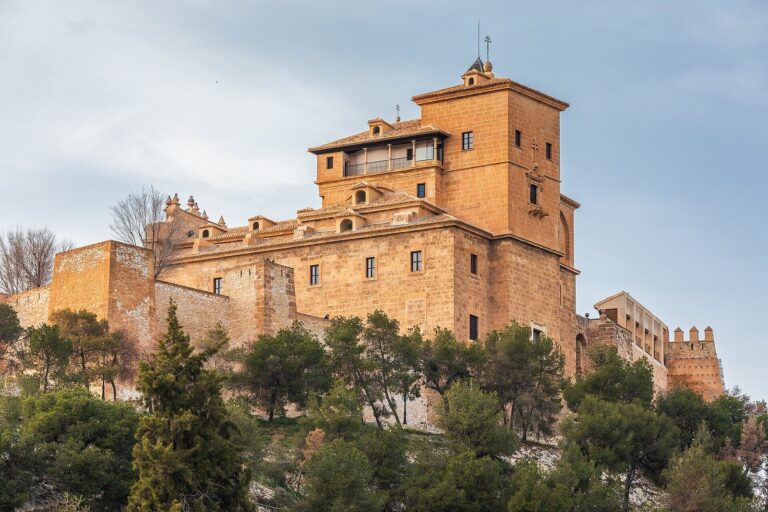
Cueva Ambrosio is a prehistoric rock shelter at the northern edge of Vélez-Blanco in Almería, Spain. Its archaeological sequence extends from the Upper Paleolithic, including the Solutrean, a phase of that period, through the Epipaleolithic, the era between the Upper Paleolithic and Neolithic, and into the Neolithic, associated with farming and settled life, continuing to recent prehistory. The Upper Paleolithic and Epipaleolithic parts of this sequence are particularly notable.
The shelter lies between Spain’s Levant region and Andalusia, close to natural routes linking the plains between Caravaca de la Cruz and Puebla de Don Fadrique with the Chirivel valley. That valley runs from Puerto Lumbreras toward the Guadix–Baza depression.
Archaeological investigation and protection
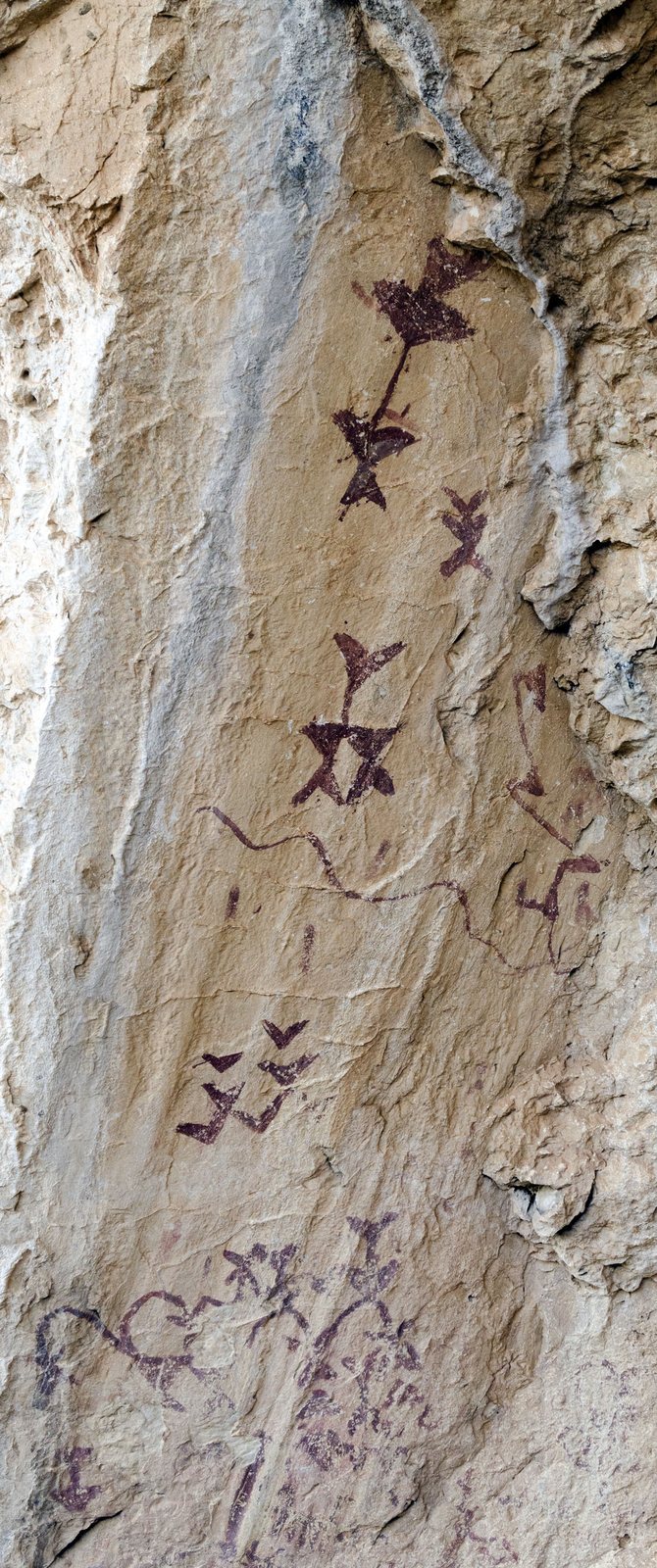
Cueva Ambrosio was known in the early twentieth century and investigated through numerous archaeological campaigns. Its rock art came to light in the 1990s. A major discovery in 1992 revealed engraved and painted images arranged across three panels.
The site is classified as an Andalusian Natural Monument and an IUCN Category III natural monument or feature. Spain designated it an Asset of Cultural Interest, a protected cultural-heritage status, in 1985. Since 1998, it has formed part of the UNESCO World Heritage property Rock Art of the Mediterranean Basin on the Iberian Peninsula.
Remains
Shelter and rock art
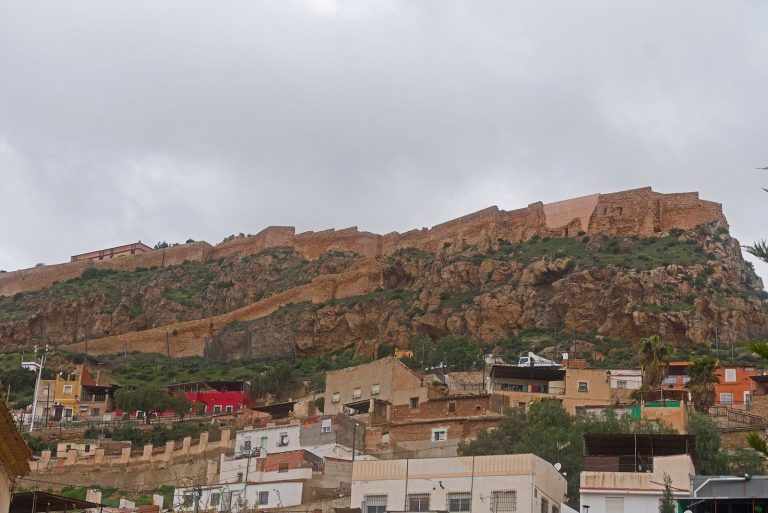
The shelter measures about 39 m wide and 18 m high, with a depth of up to 17 m. It opens east–west in limestone formed during the Upper Burdigalian and Lower Langhian, stages of the Miocene geological epoch. The shelter opens onto a cliff nearly 100 m high above the Moral stream; its walls define the site’s boundaries. A protective fence stands along the escarpment overlooking the stream.
Panel I
Panel I lies on the outer shelter wall, 4.5 m from the entrance. It contains five incised figures, including a spindle-shaped bird and a right-facing equid, a member of the horse family. The equid’s neck and back meet at an almost right angle. Two other equid figures are less clearly defined.
Panel II
Farther inside the shelter, Panel II was concealed beneath a thick layer of intact sediment and blocks from uncontrolled excavations. Its complex engraved lines include two red patches. A painted horse measures 92 by 37 cm from the ears to the chest line and 53 cm across from the hindquarters to the rear. The head shows one ear and part of the other, while the jaw curves without forming a full duck-bill shape.
In an upper corner are two facing horse protomes, representations of heads or foreparts, alongside a finely engraved horse. Traces of three other horse heads and several black patches also remain.
Panel III
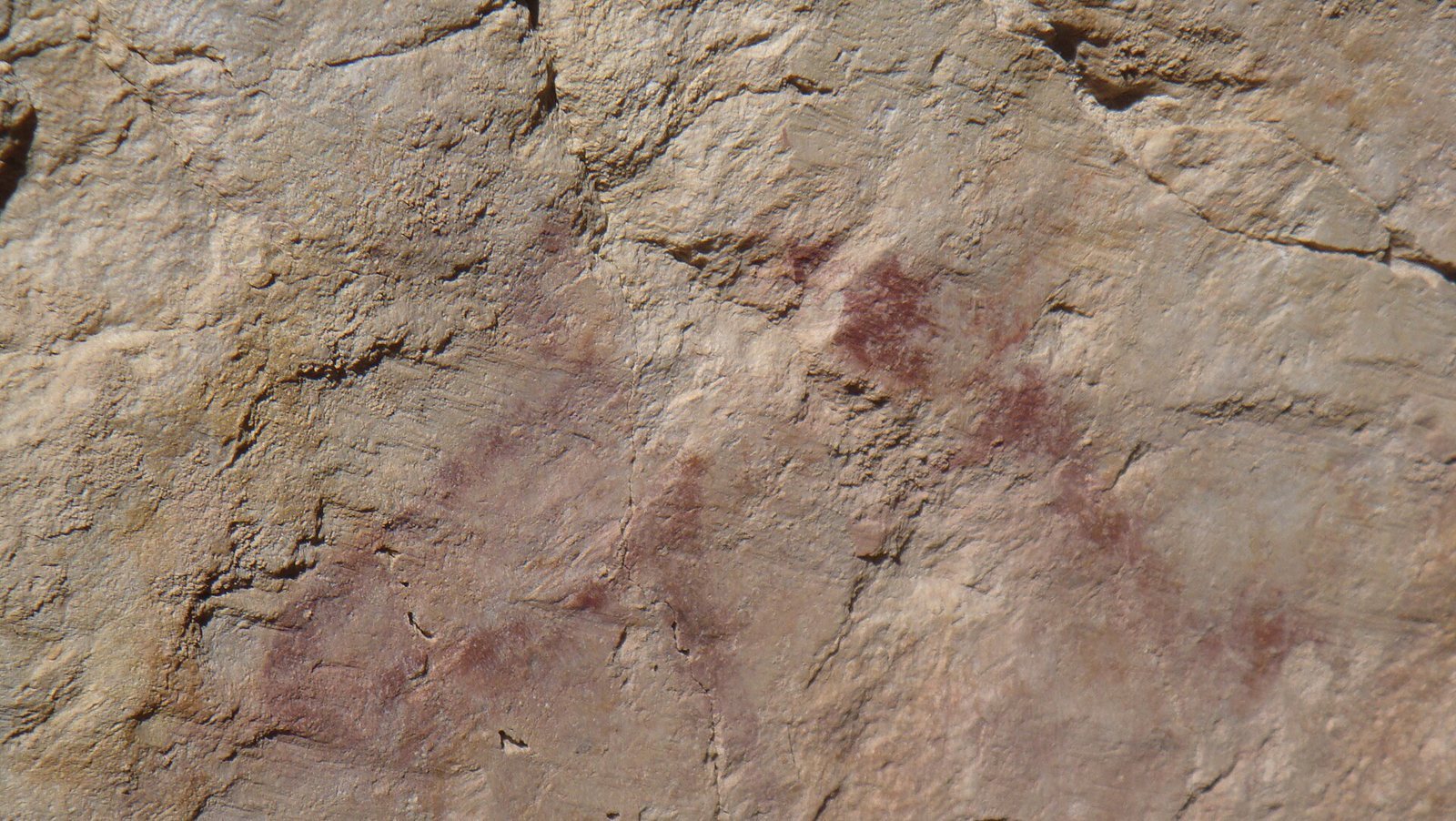
Panel III occupies a heavily weathered, whitish surface and bears three faded pictorial groups.