New Bridge: A Medieval Crossing of the River Thames
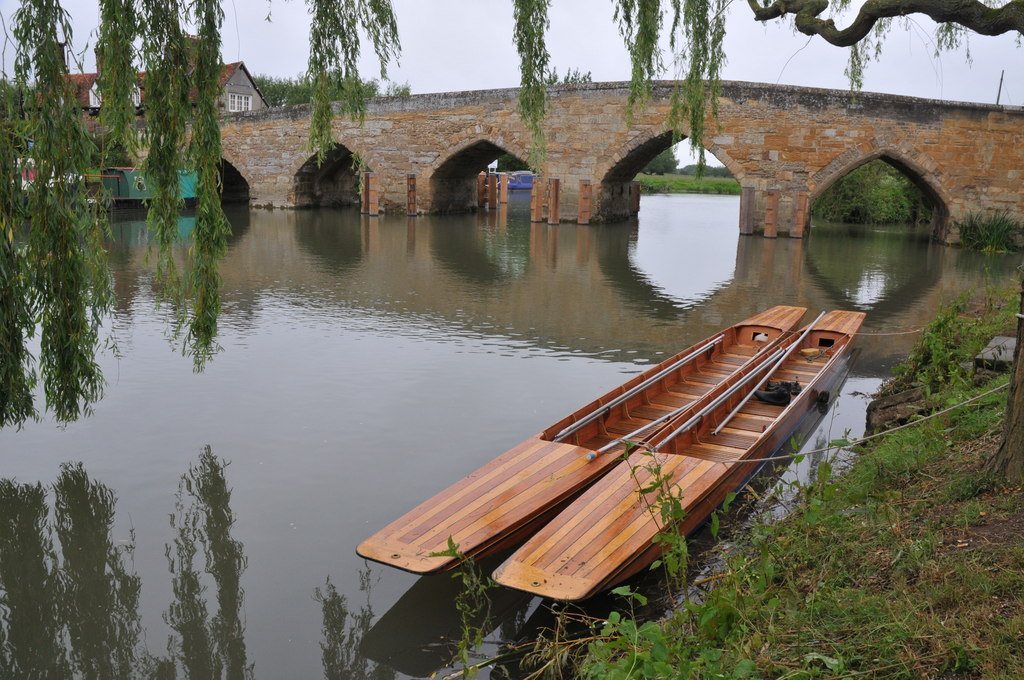
Site at a Glance
- Rating
- 4.4
- Popularity
- Low
- Country
- United Kingdom
- Primary era
- Medieval
- Eras represented
- Medieval
- Civilizations
- English
- Site type
- Infrastructure
- Remains
- Bridge
On this page6 sections
History
Medieval origins and later strategic use
New Bridge is a 13th-century road bridge over the River Thames in the United Kingdom, probably laid around 1250 by monks associated with nearby Deerhurst Priory. Its construction is attributed to monks acting on King John’s orders to improve links between southern English wool towns and farms in the Cotswolds.
The bridge was called New Bridge because it was the youngest of three crossings built at the time, distinguishing it from bridges at Radcot and Lechlade. By the end of the 15th century, around twenty bridges linked the Cotswold wool market with southern regions; Newbridge and Radcot are the two that survive. Which is the oldest surviving bridge across the Thames remains disputed. Radcot was built earlier, but sustained extensive damage during the Wars of the Roses, a series of 15th-century English dynastic conflicts, and was substantially rebuilt. Its central arch was restored in a flattened form. After the Thames was rerouted at Radcot in 1787, that bridge no longer crossed the river’s main channel, so Newbridge may be the oldest surviving crossing of it.
The bridge’s route became strategically important during the English Civil War, the conflict between supporters of Parliament and the Royalists, who backed the monarchy. In 1644, Parliamentarian commander William Waller tried to cross the river and surround Oxford to capture King Charles I. Royalist forces defeated his troops at the Battle of Newbridge. The bridge’s name also came to be used for a small settlement of a handful of houses on both banks.
Protection and modern road use
The northern span has Grade I listing, the highest category in England’s listed-building system, while the southern span is Grade II*, the next-highest. Both designations provide legal protection against alteration. The structure is weakened and carries an 18-tonne weight limit. A 1996 survey found that one arch could support only its own weight, but authorities judged that there was enough margin for traffic to continue and that the risk of collapse was slight.
In 2007, local authorities decided to negotiate for land for a possible replacement bridge about 270 yards upriver, regarding a new crossing as the only long-term solution. Residents of Standlake opposed the proposal and preferred to keep Newbridge open to light traffic. In 2017, Oxfordshire County Council installed number-plate recognition cameras to enforce the weight limit, the county’s first use of the cameras for road-weight enforcement.
Remains
Construction and spans
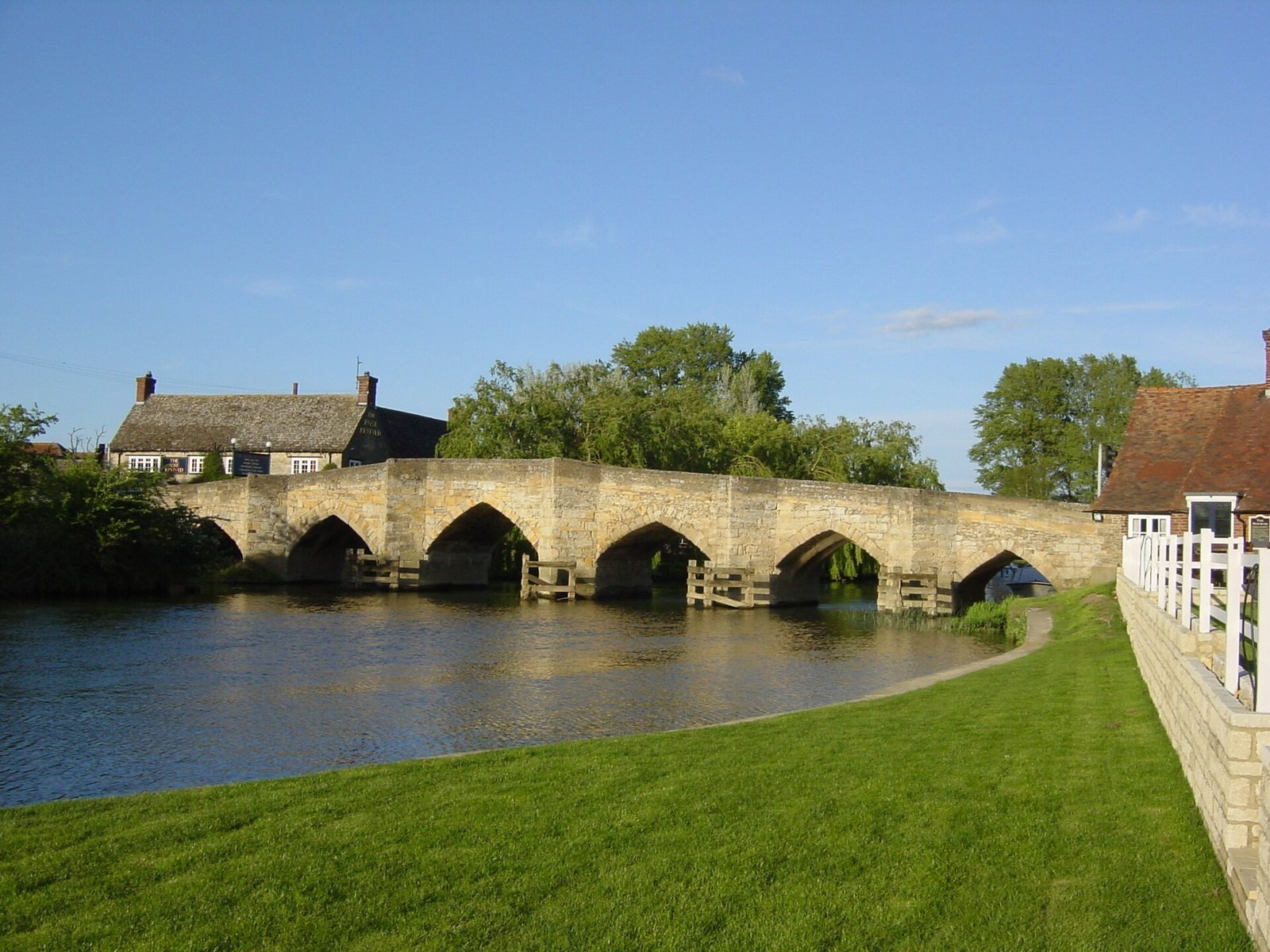
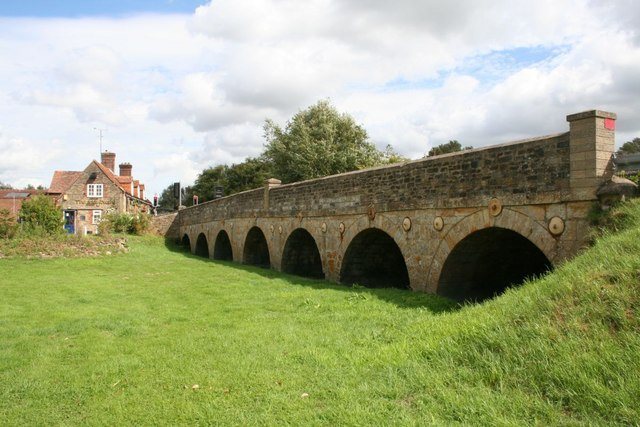
Built from Taynton stone quarried near Burford, New Bridge now has twelve arches and five piers standing in the water. Taynton stone was also used in many medieval churches in West Oxfordshire. The bridge was originally much longer, with 51 arches extending over 726 yards (664 metres); its stated height is 11 feet 6 inches (3.51 metres).
The structure has two spans. The northern one crosses the Thames, while the southern span, south of the Maybush, is normally dry and carries water only during floods. The narrow roadway carries the A415 between Abingdon and Witney as well as the Thames Path. Traffic lights control passage in alternating directions.
Riverside buildings
The Maybush Inn stands at the bridge’s southern end. At the northern end is the Rose Revived, an inn dating to the 16th century.