Teppe Zagheh: An Early Farming Settlement in Iran
Site at a Glance
- Popularity
- Medium
- Country
- Iran
- Primary era
- Stone Age
- Eras represented
- Stone Age
- Civilizations
- Unclassified
- Site type
- Settlement
- Remains
- Village
On this page15 sections
History
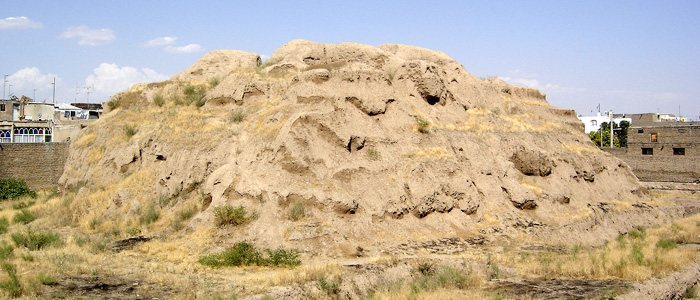
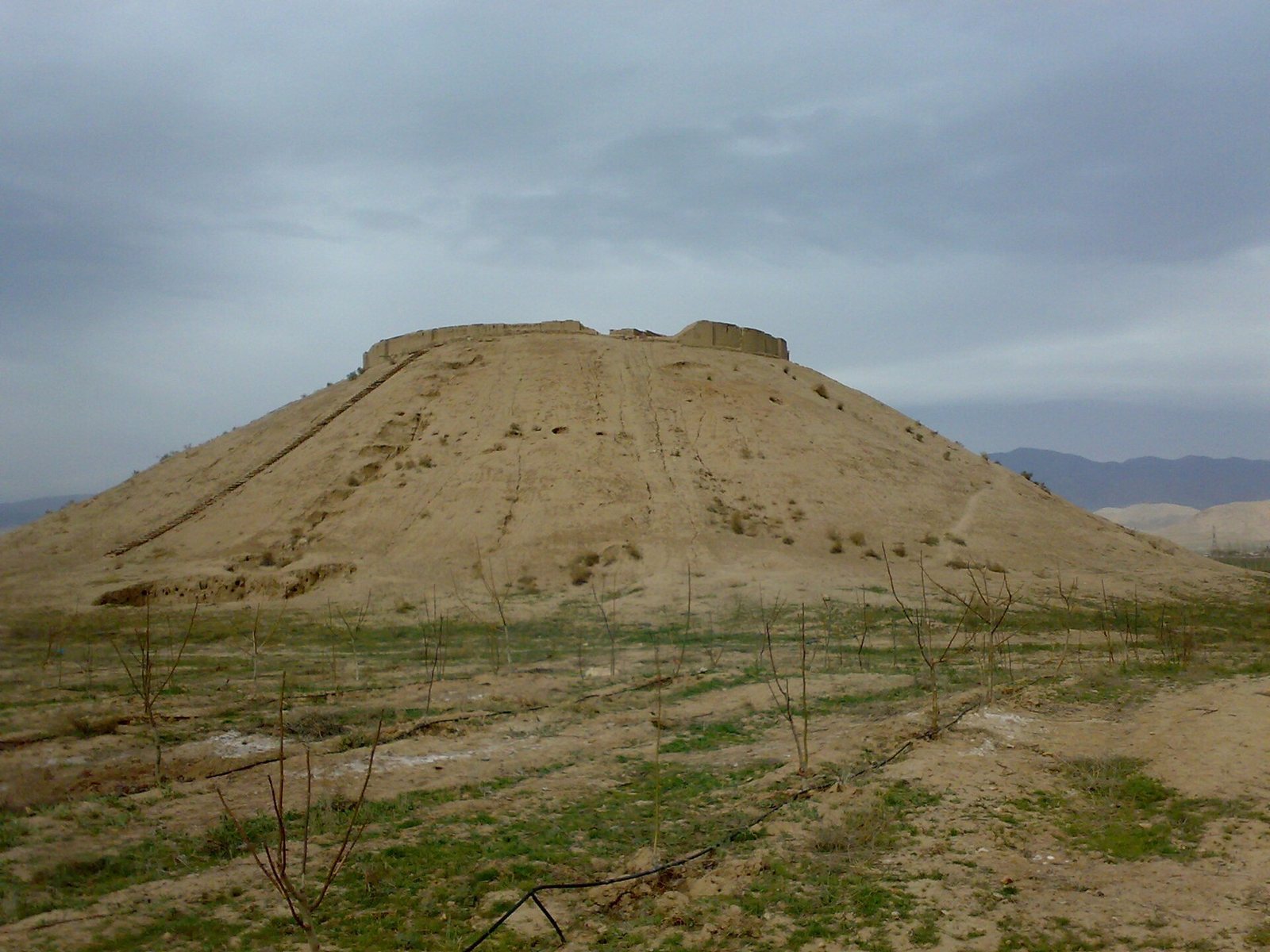
Teppe Zagheh is an early farming settlement on the southern Qazvin Plain of Iran, near Sagzabad in the Buin Zahra area. It represents Neolithic communities on the central Iranian plateau and is considered among Iran’s earliest settlements. Radiocarbon estimates place occupation at approximately 5370–5070 BCE and abandonment at approximately 4460–4240 BCE.
Occupation and abandonment
The community practiced agriculture. Teppe Zagheh may also belong to the Transitional Chalcolithic, a phase leading into the Copper Age, when copper use emerged alongside continued use of stone tools. Clay counting tokens have prompted the suggestion that the settlement experienced two periods of occupation. After it was abandoned, its inhabitants may have moved to nearby Tepe Ghabristan.
Burial practices have led archaeologists to infer that some form of social hierarchy existed at Zagheh.
Excavation and interpretation
A University of Tehran team led by Iranian archaeologist Ezzat Negahban first excavated the site in the early 1970s. Work resumed in 2001, producing new radiocarbon estimates for occupation and abandonment.
Remains
The settlement covered about 20,000 square metres. Excavated remains include 21 houses distributed across 12 occupation layers, most built of mudbrick. The buildings and open spaces formed an irregular arrangement rather than a geometric plan.
Settlement layout and houses
Plan and orientation
House angles varied, and their sides did not run parallel; paths developed gradually rather than following an initial layout. Houses were oriented northeast to southwest in alignment with the prevailing winds of Qazvin, and their entrances were positioned accordingly. Among the excavated entrances, only one faced the prevailing northeast wind. An earthen wall stood opposite it.
Walls and finishes
Smaller walls were made of earth, while walls supporting roofs used unfired mudbricks shaped by hand without moulds. The bricks measured 40 to 80 centimetres long and 25 to 35 centimetres wide, and were usually about 12 centimetres thick. Shallow grooves pressed into their surfaces helped plaster adhere; deeper marks at each end helped mortar hold them in place. Walls met at right angles, with the spaces between them filled with mud and plaster.
Interior walls sometimes incorporated pieces of painted pottery. Plastered surfaces were painted in ochre, red, white, black, and yellow. Some walls had two layers, possibly to support an upper storey in parts of a house.
Rooms and roofs
Each house included covered and open space. Depending on whether household activities involved farming or livestock, it had a storeroom or an animal pen. Pens occupied the centre of open areas, while storerooms stood beside sitting areas in covered parts of the houses. Main rooms had flat roofs made from wooden beams, overlaid branches, and a coating of mud and straw; storehouses had domed roofs.
Burials and special buildings
Burials
Burials were placed within and around the living areas. Children were buried beneath room floors, while adult graves lay a short distance away in the surrounding area. Excavations identified 23 graves of adults and infants, with local and imported goods among their contents.
Shrine and Painted Building
An excavated shrine had interior decoration. The Painted Building has been suggested as a special place where women gave birth.
Finds
Pottery
Zagheh Archaic Painted Ware, a painted pottery style dated to approximately 6000–5500 BCE, was first excavated at the site. Examples also occur at Tepe Sialk I, in sublevels 1–2.
Counting tokens and figurines
Small clay tokens of varied shapes, used for counting, have a typological date of around 6000 BCE and resemble tokens from other Neolithic settlements. Clay figurines from Zagheh resemble examples from Mehrgarh in present-day Pakistan and Jeitun in present-day Turkmenistan, settlements associated with the sixth millennium BCE.
Animal remains and mortar
Animal remains include sheep, goats, wild goats, cattle, gazelles, boars, dogs, and foxes. Archaeologist Marjan Mashkour studied these remains. A mortar, a tool used with a pestle to crush or grind materials, is dated to around 7000 BCE.