Chapel of Peace: A Memorial to the Treaty of Karlowitz in Serbia
Site at a Glance
- Rating
- 4.4
- Popularity
- Medium
- Country
- Serbia
- Primary era
- Modern
- Eras represented
- Modern
- Civilizations
- Austrian Empire, Habsburg
- Site type
- Religious
- Remains
- Chapel
On this page4 sections
History
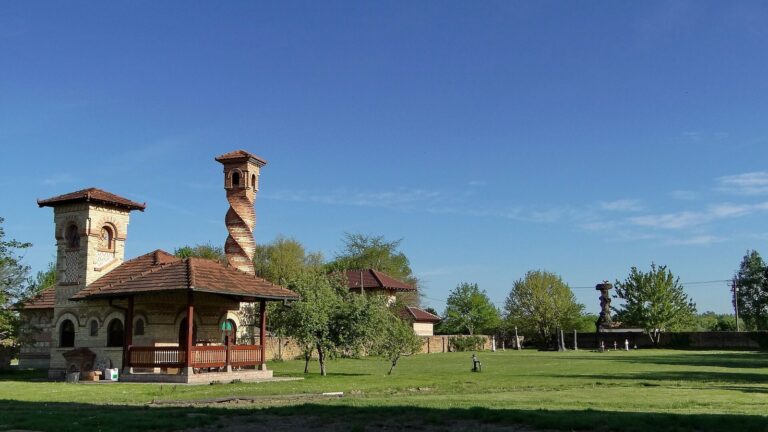
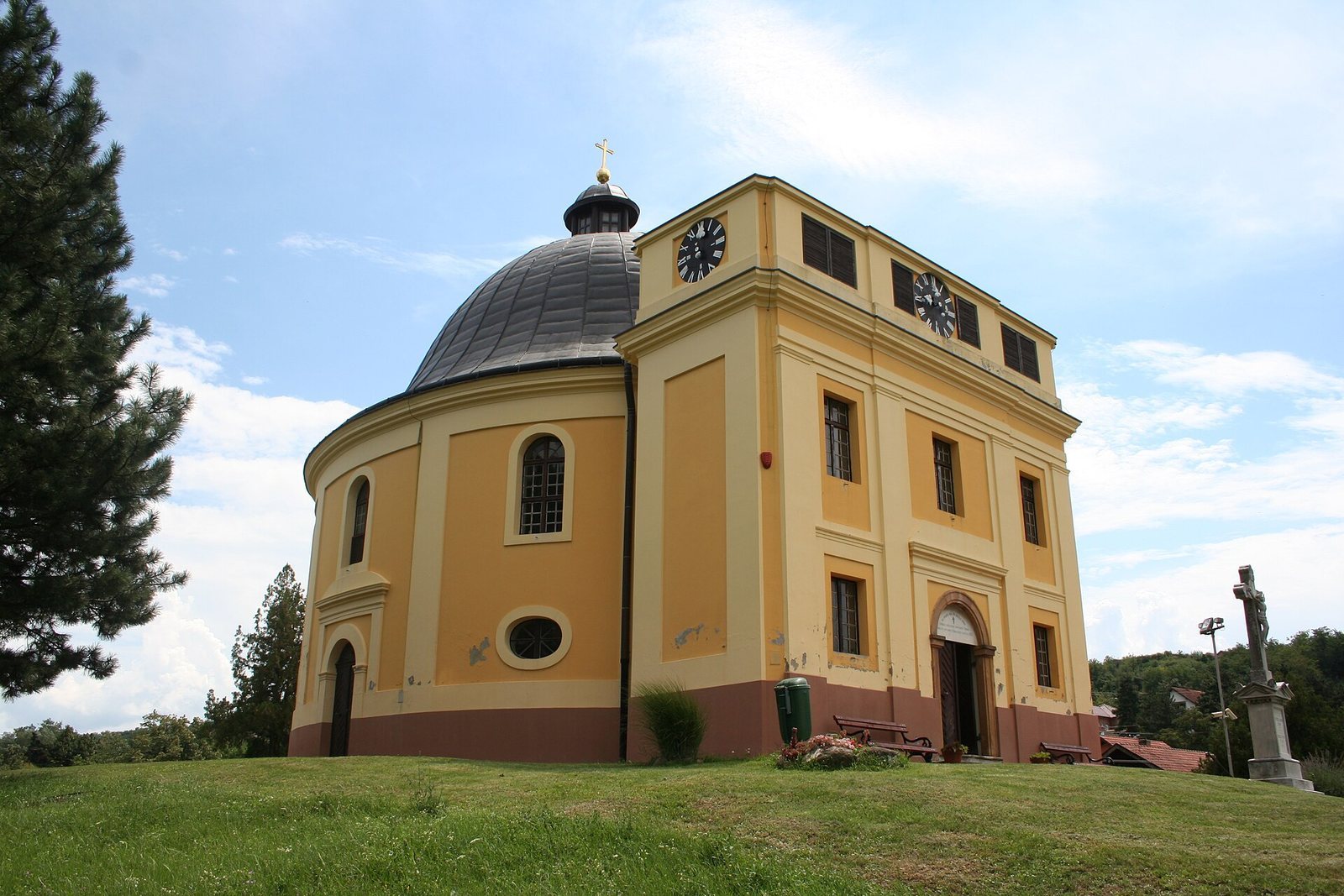
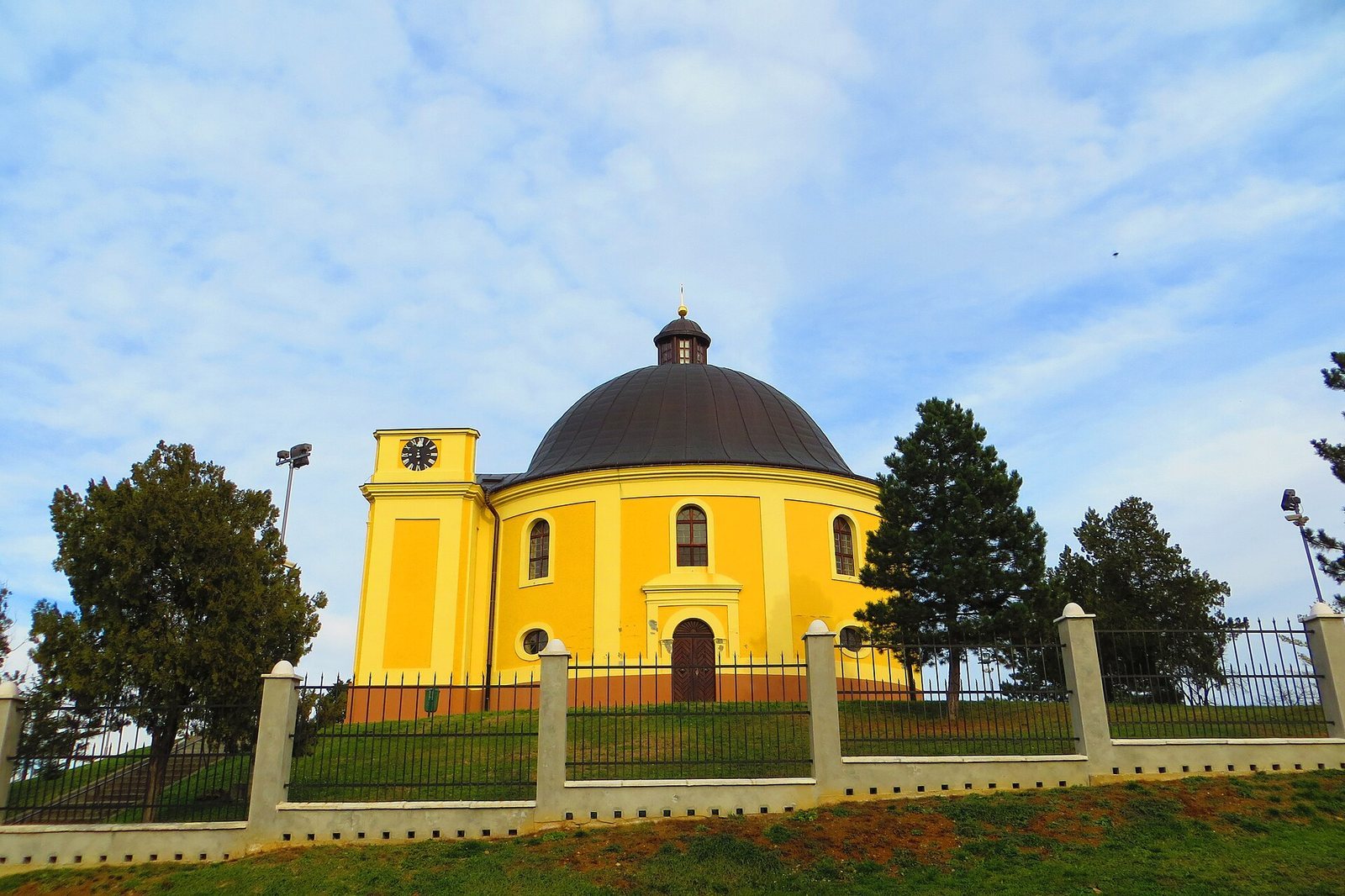
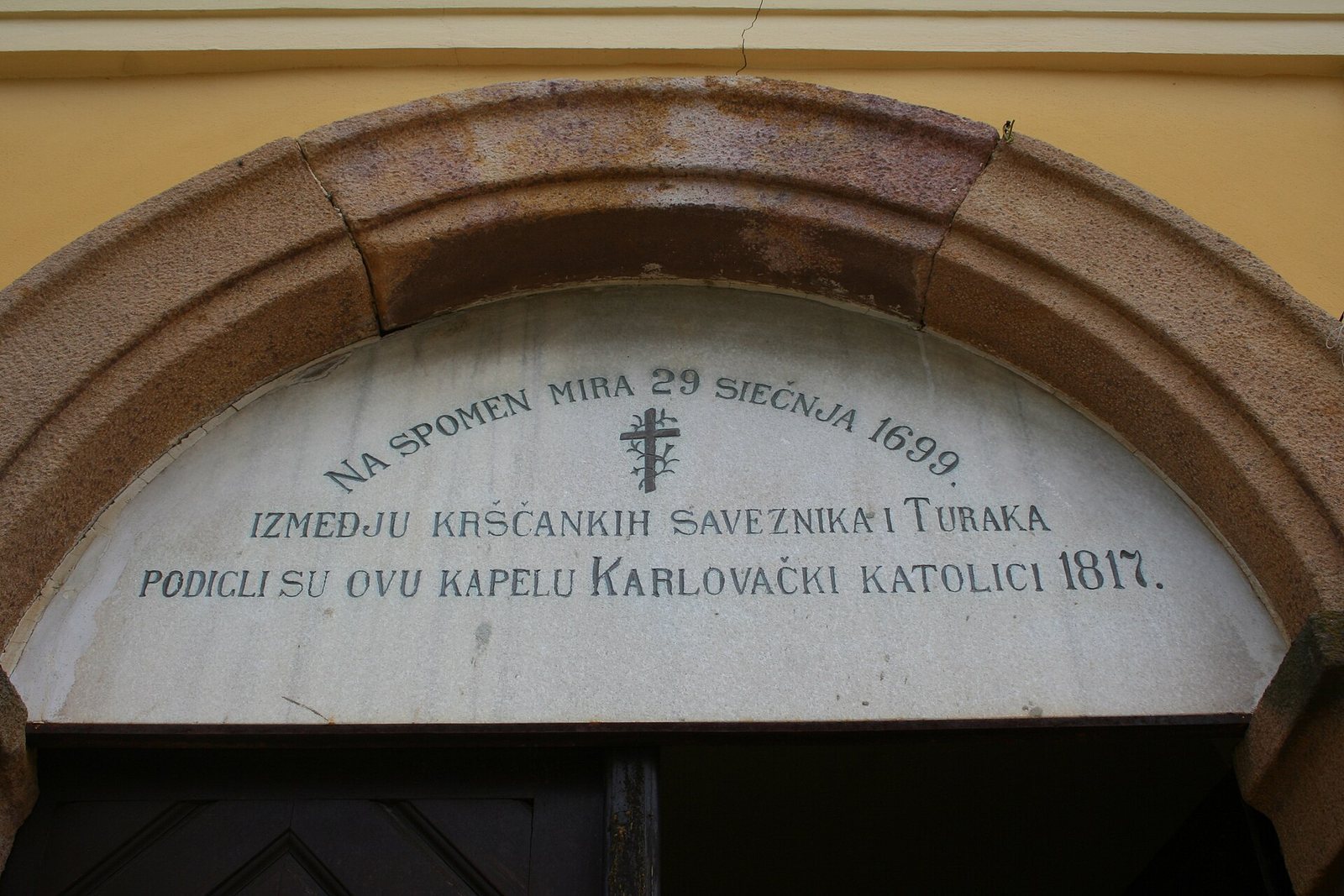
The Chapel of Peace is a Roman Catholic chapel outside Sremski Karlovci, Serbia. Built in the Neoclassical style, which revived forms associated with ancient Greek and Roman art, it commemorates the Treaty of Karlowitz, signed at the site on 26 January 1699. The present chapel’s foundation stone was laid in 1810, and its construction was completed in 1814, with interior decoration finished in 1817.
The treaty and an early chapel
The treaty ended the 16-year Great Turkish War, a major conflict between the Ottoman Empire and European powers that was also known as the fifth Austro-Turkish War. The Ottoman Empire and the Holy League, a coalition opposing Ottoman power that included Austria, Poland, Venice, and Russia, concluded the agreement with mediation by the Netherlands and the Kingdom of England. Its terms allowed each side to retain the territories it held at the time. Austria also gained the Hungarian Banat, Slavonia, and the part of Syrmia north of the Slankamen-Morović line.
Negotiations took place on neutral ground outside Sremski Karlovci because the town could not accommodate the delegations and their entourages. A circular wooden chamber was built among the tents, with four entrances intended to settle disputes about which delegation should enter first. This arrangement is recognized as the earliest recorded use of a round table in diplomatic practice.
The treaty was signed during the Great Migrations of the Serbs, population movements in the late 17th and early 18th centuries. Sremski Karlovci subsequently became a cultural, religious, and political center, a role it retained at least until the Serbian Revolution, a series of uprisings and political changes that led to Serbian autonomy from Ottoman rule.
After the negotiations, Ottoman delegates proposed a simple wooden sanctuary on the site as an act of thanks for peace, and the other delegations agreed. With imperial approval, Franciscan monks, members of a Catholic religious order founded by Francis of Assisi, built a round wooden chapel in 1710. It was consecrated in 1720 and remained until 1808. The chapel’s four entrances commemorated the belligerents in the conflict.
Construction and later history
The present chapel was built in gratitude to the Virgin Mary for helping Christian forces achieve a favorable outcome in the war. The Habsburg monarchy’s Court War Council, its central military authority, shaped the project in 1810, when the foundation stone was laid. Stefan Stratimirović, a Serbian Orthodox metropolitan, or senior bishop heading a church jurisdiction, was among the donors and contributed 30,000 bricks.
The chapel was renovated in 1854-55 and again in 1884, then restored in 1923 and 1948. In 1925, Catholics in Sremski Karlovci, led by parish priest Josip Bertić, placed a plaque on its outer wall honoring King Tomislav and marking 1,000 years of the Croatian Kingdom. The plaque was vandalized and stolen in the 1990s during the breakup of Yugoslavia.
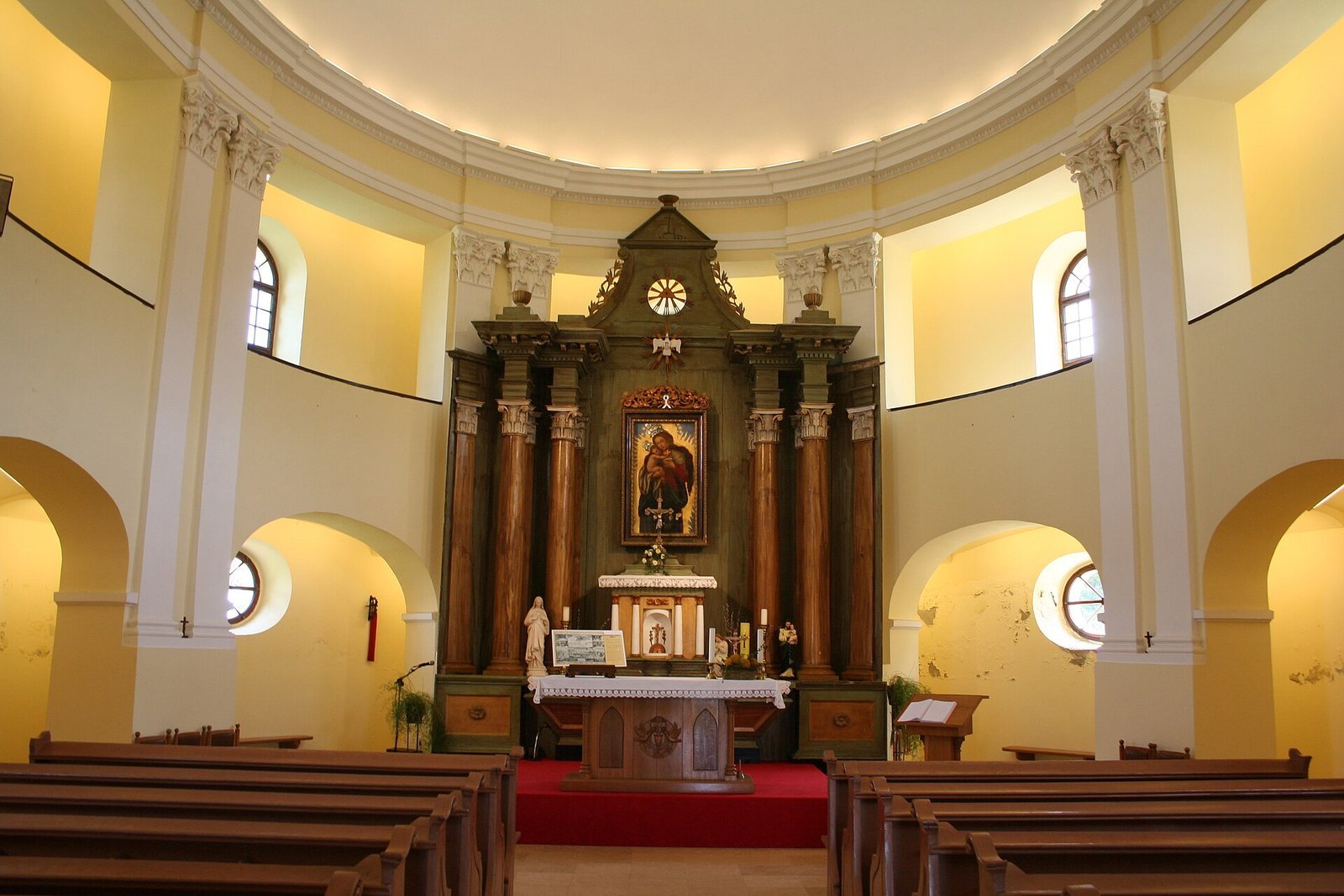
The chapel serves as a place of Roman Catholic worship and a memorial to the treaty. It is associated with the Roman Catholic parish of Sremski Karlovci and the Diocese of Srijem, a territorial church jurisdiction administered by a bishop. Serbia recognizes the chapel as a cultural monument of exceptional importance.
Remains
The chapel has a circular base and a form designed to resemble an Ottoman military tent. Its three entrances represent passageways used by representatives of Venice, Austria, and Poland during the negotiations. A fourth entrance, intended for the Ottoman delegation, was sealed after construction. That decision expressed the hope that Ottoman forces would not return to the Pannonian Basin, the large basin in Central Europe.