Oreto and Zuqueca: A Multi-Period Archaeological Site in Spain
Site at a Glance
- Rating
- 4.4
- Popularity
- Medium
- Country
- Spain
- Primary era
- Medieval
- Eras represented
- Classical, Medieval
- Civilizations
- Roman, Visigothic
- Site type
- Settlement
On this page10 sections
History
The Oreto and Zuqueca Archaeological Site lies about four kilometres south of Granátula de Calatrava in Ciudad Real, Spain. It preserves remains from Iberian cultures of the peninsula before Roman rule, the Roman period, and later Visigothic and Islamic-era occupation. The Visigoths were a Germanic people who ruled parts of Iberia after Rome, while Islamic-era remains date to the period of Muslim rule in the peninsula. Structures from different periods sometimes meet directly, reflecting the site’s layered history.
Excavations and interpretation
Archaeological excavation began in 1996 during work to consolidate and conserve the Hermitage of Our Lady of Oreto and Zuqueca. The work brought Roman remains and evidence of Visigothic burials to light, leading to emergency excavations. Regular investigations resumed in 2000, when the first Islamic-era finds appeared. The following campaign uncovered several remains, chiefly an Islamic bathhouse.
In 2002, work continued to consolidate the bathhouse, while excavation in the burial area reached Iberian-Roman layers. Preparations for public interpretation began in 2003 as excavation continued, especially at the bathhouse. In 2004, excavators identified a possible late Roman villa and numerous Visigothic rooms. Work in 2005 focused on consolidating visible remains and preparing the site for interpretation; it opened in summer 2006.
Remains
Landscape and archaeological layout
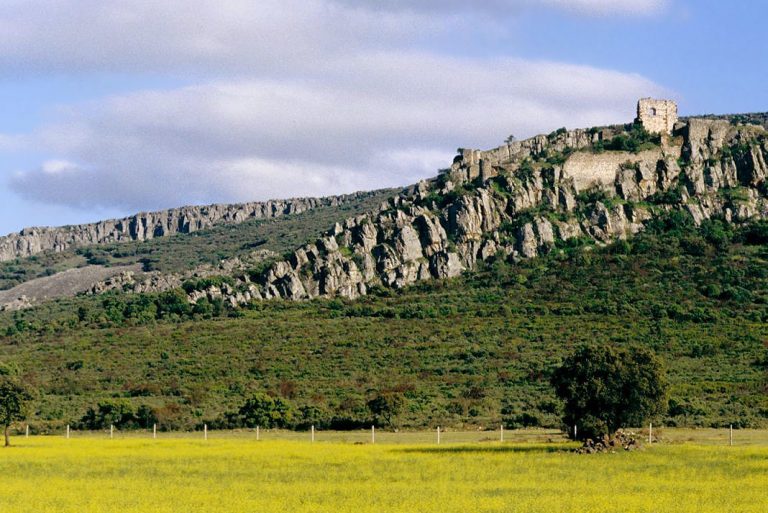
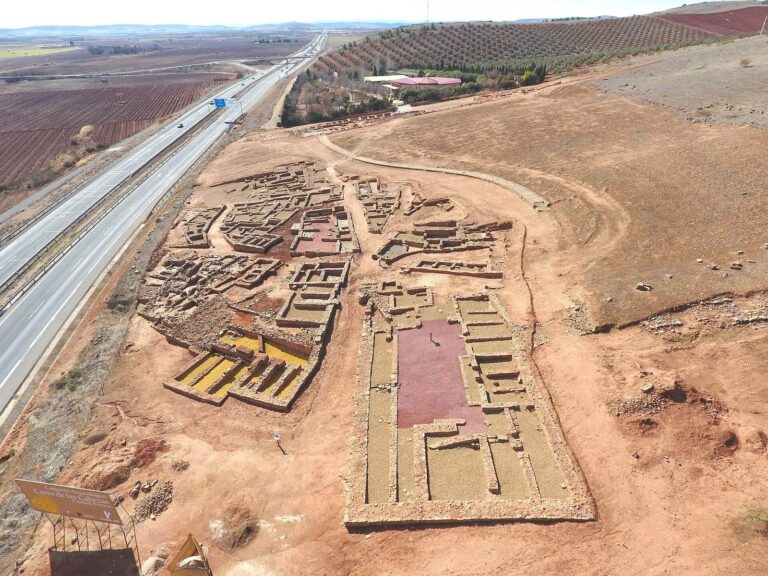
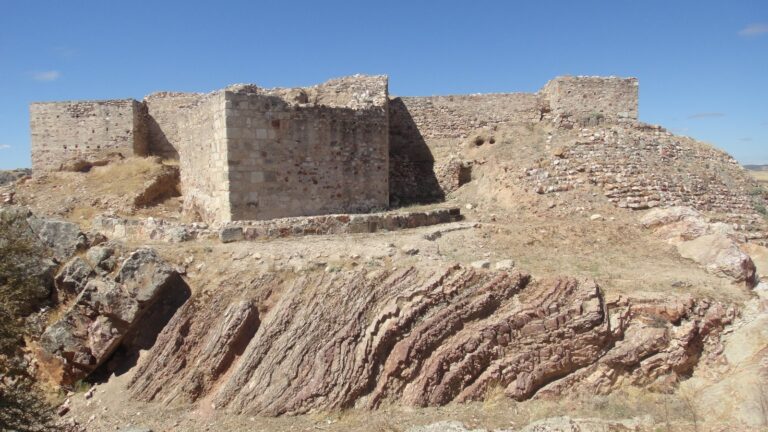
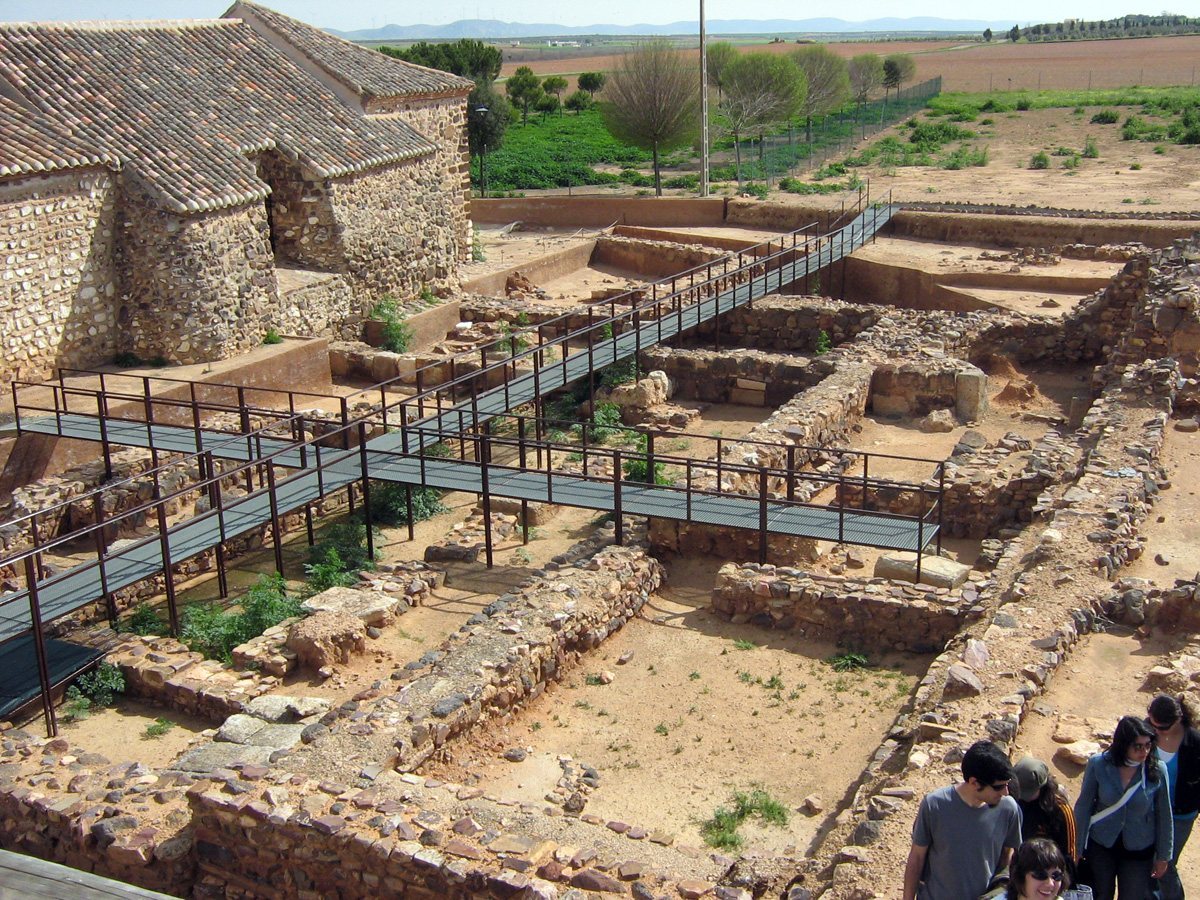
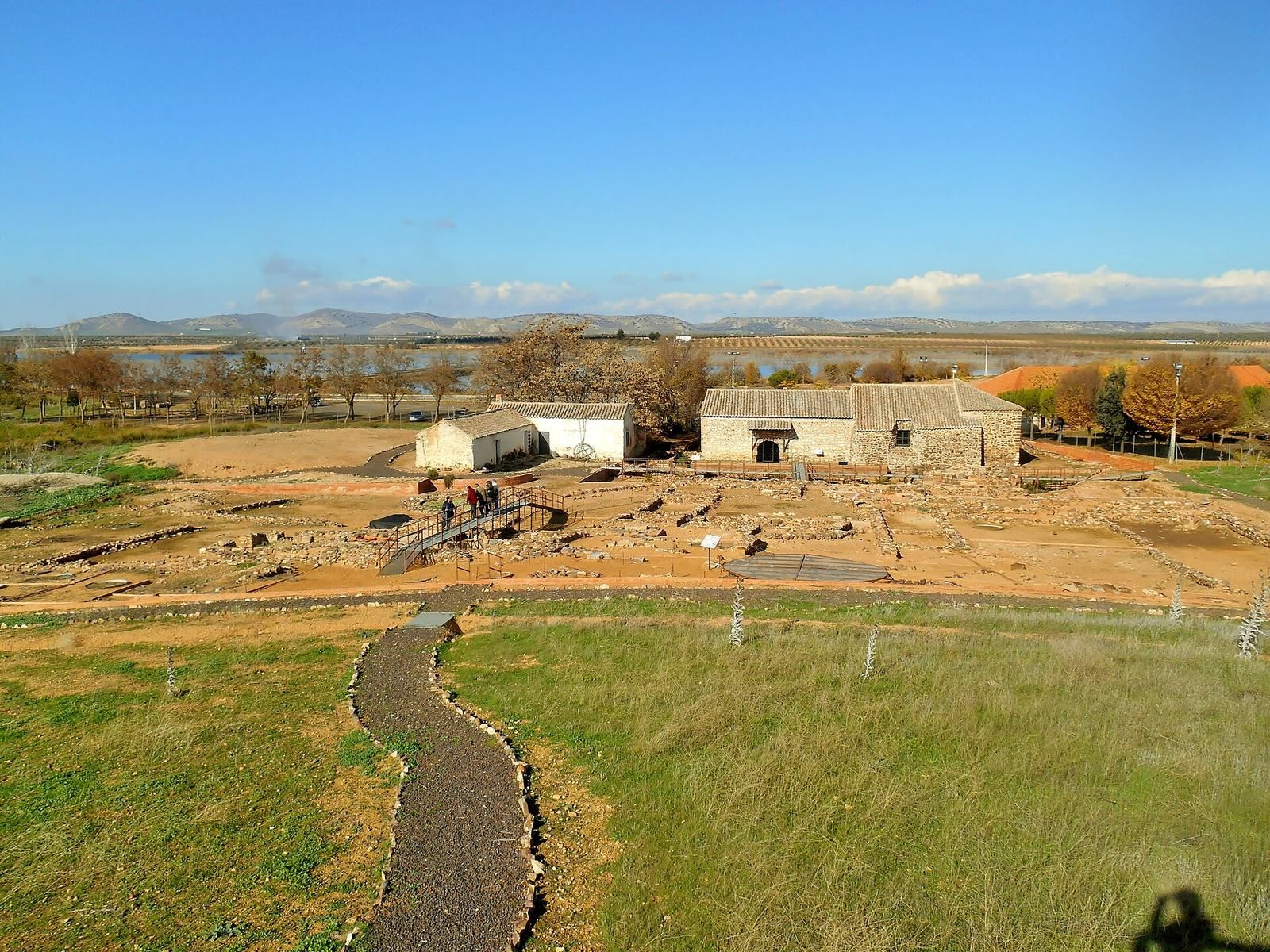
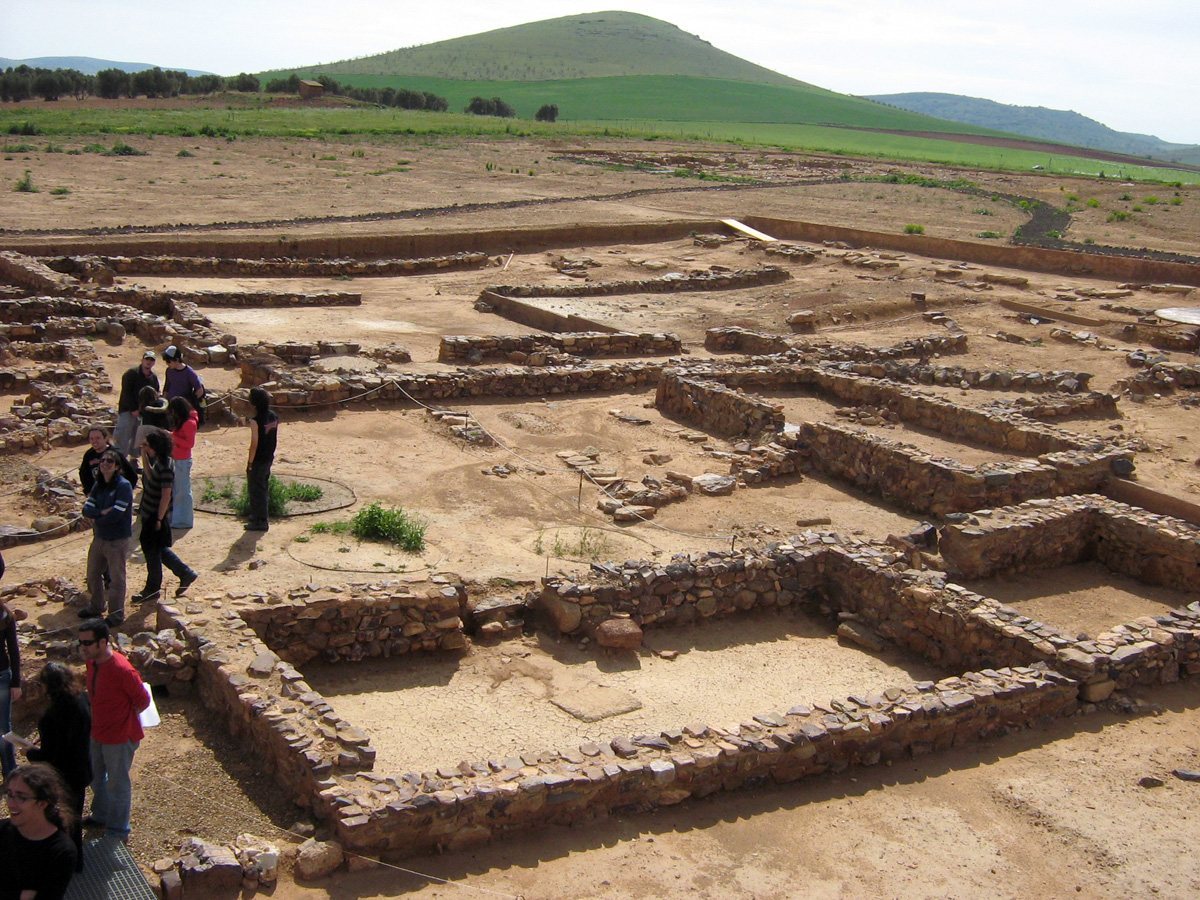
The site is arranged across three principal areas. To the west, terraces on the slopes of Cerro Domínguez correspond to archaeological remains. The central plain is dominated by the hermitage and surrounding excavated area, while the conical Cerro de los Obispos lies to the east. The Jabalón River is about 100 metres away, and low hills rise to the south. The river and surrounding terrain provide routes towards Andalusia. Much of the site remains little explored, and its area may exceed 25 hectares. Layers of occupation overlap, with structures separated by centuries sometimes standing directly against one another.
Burial and habitation remains
Burial ground
A large burial ground contains Roman, Visigothic, and Islamic-era burials, including pit graves. Together, these remains provide evidence of funerary practices in those periods.
Habitations and lime kiln
Excavations have revealed numerous habitation structures from different periods, including many Visigothic rooms and a possible late Roman villa. A lime-burning kiln, found with lime remains, is another feature of the site.
Religious and bathing structures
Hermitage and baptismal font
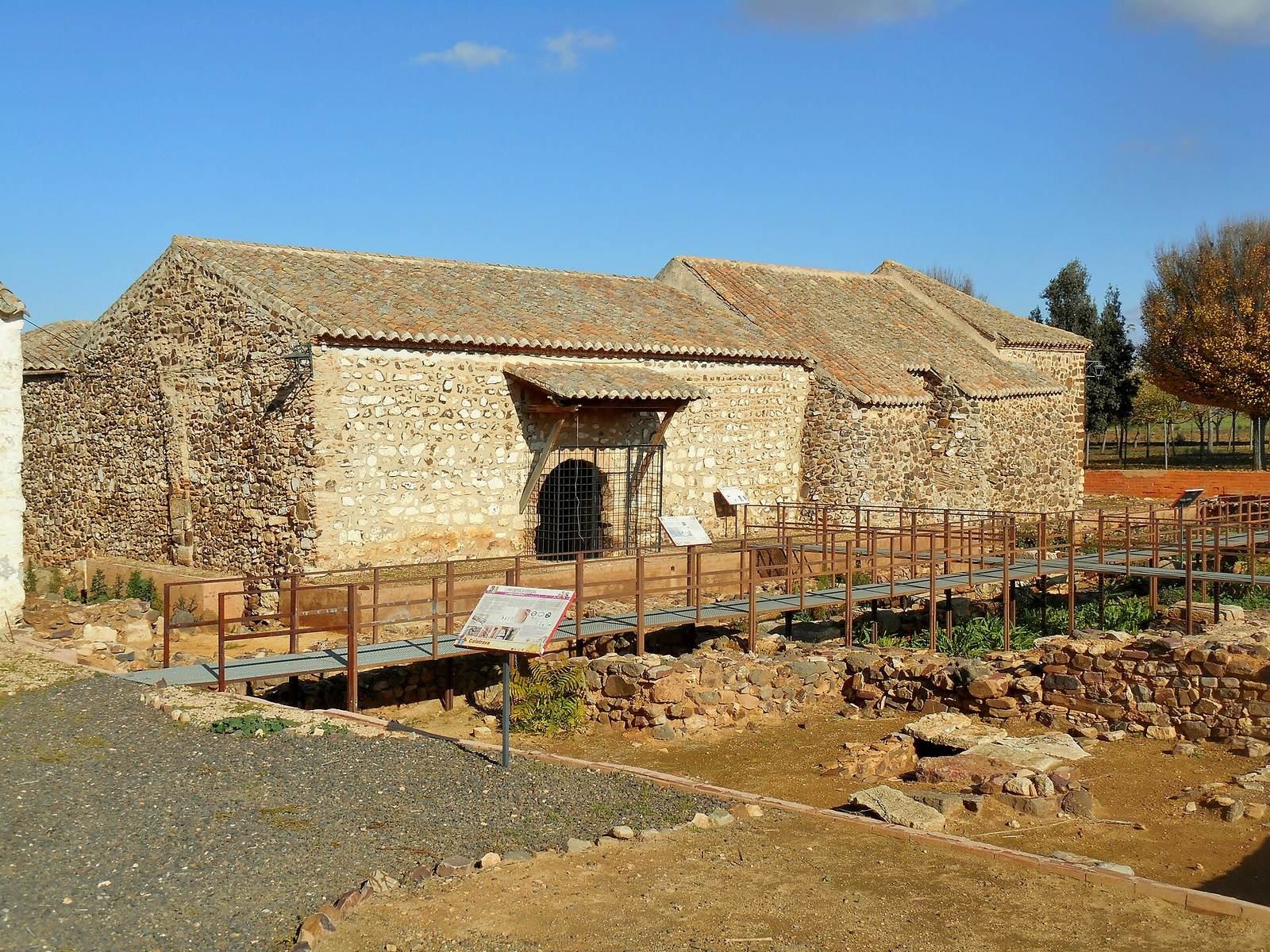
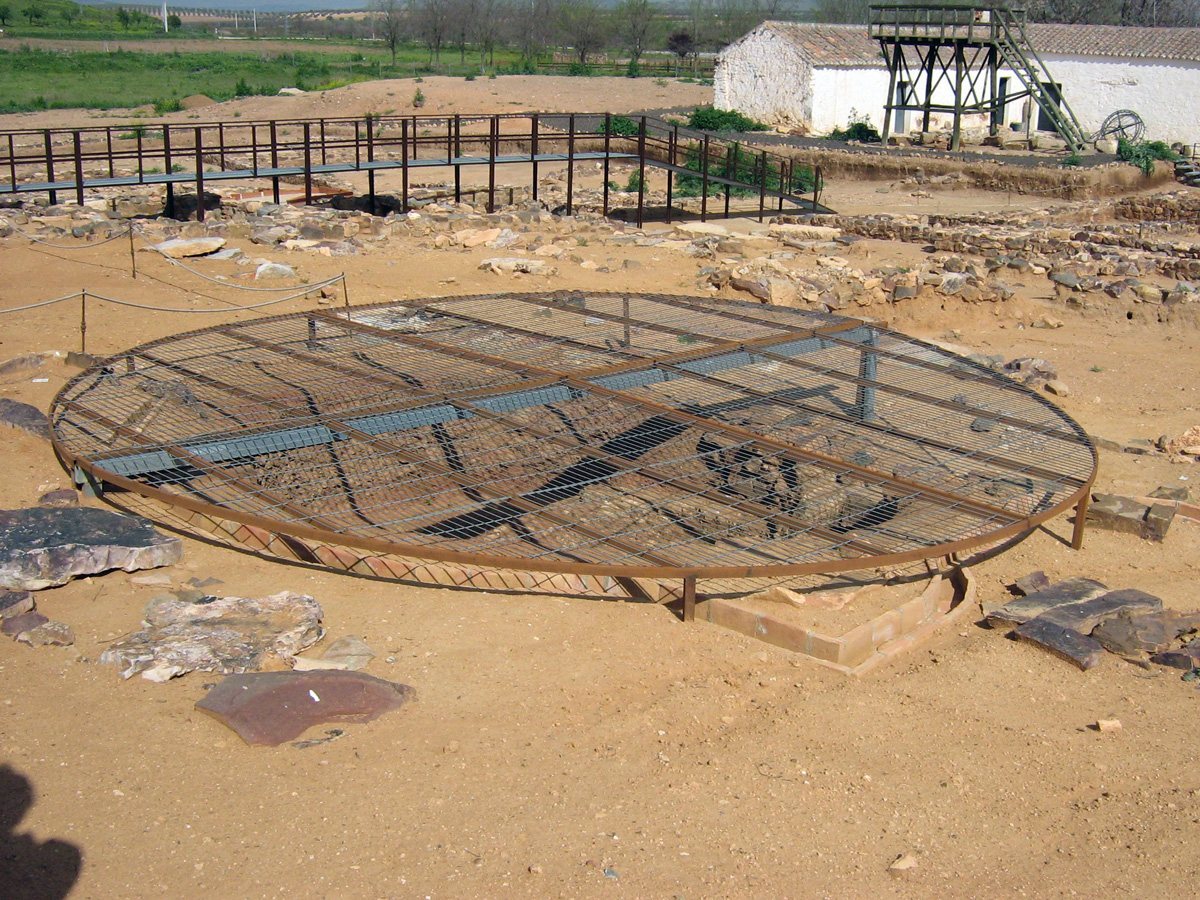
The Hermitage of Our Lady of Oreto and Zuqueca overlaps part of the burial ground, and its plan appears spatially continuous with adjoining remains. This relationship leaves open the possibility that sacred space was reused across periods. The hermitage gives the archaeological site its name. Excavations also uncovered a fourth-century early Christian baptismal font, a basin used for Christian baptism.
Islamic-era bathhouse
The Islamic-era hammam (bathhouse) includes water channels and structures for supplying or combining hot and cold water.