Inarimae Kofun Group: Burial Mounds of Tsuzuki Chiefs
Site at a Glance
- Rating
- 3.9
- Popularity
- Medium
- Country
- Japan
- Primary era
- Medieval
- Eras represented
- Classical, Medieval
- Civilizations
- Unclassified
- Site type
- Burial
- Remains
- Necropolis
On this page8 sections
History
Tsuzuki and the Yamato polity
The Inarimae Kofun Group is a complex of ancient Japanese burial mounds in Oba, Aoba Ward, Yokohama, Japan. Built between the fourth and seventh centuries for successive chiefs of Tsuzuki and their families, the mounds belonged to a historic region in what is now northern Yokohama. Local leaders governed across the Tanimoto (Tsurumi) River basin and maintained ties with the Yamato polity, an early Japanese political power whose influence extended beyond its core territory.
Discovery and preservation
Residential development uncovered the group on June 15, 1967. Although it lay outside the planned Kohoku New Town area, development was spreading along the Den-en-toshi railway, which had opened in 1966. The new town plan had been announced in 1965, during a period of rapid economic growth. A team from the Yokohama City Northern Buried Cultural Properties Investigation Committee excavated the site in August 1967 and from February 20 to March 31, 1969, seeking to protect the tombs from development. Archaeologists Ken Amakasu and Isamu Okamoto were among the team’s leaders.
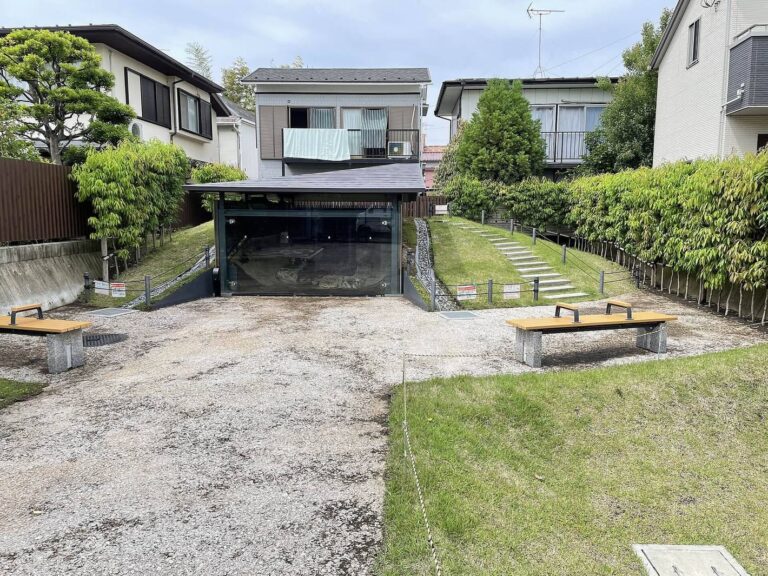
A preservation campaign formed because some of the mound types found in the group were rare in the upper Tsurumi River region. During a visit, Yokohama Mayor Ichio Asukata made a dismissive comparison to preserving even a sardine’s head. Construction had cut the ground around Mound No. 1 back to its edge, leaving it cliff-like and making preservation difficult. Archaeologist Yoshiaki Tanaka later argued that the cut had been deliberate, intended to make preservation untenable. Most of the group was destroyed, and the land became residential. The site was designated a Kanagawa Prefectural Historic Site on March 24, 1970.
Remains
Mound forms and surviving features
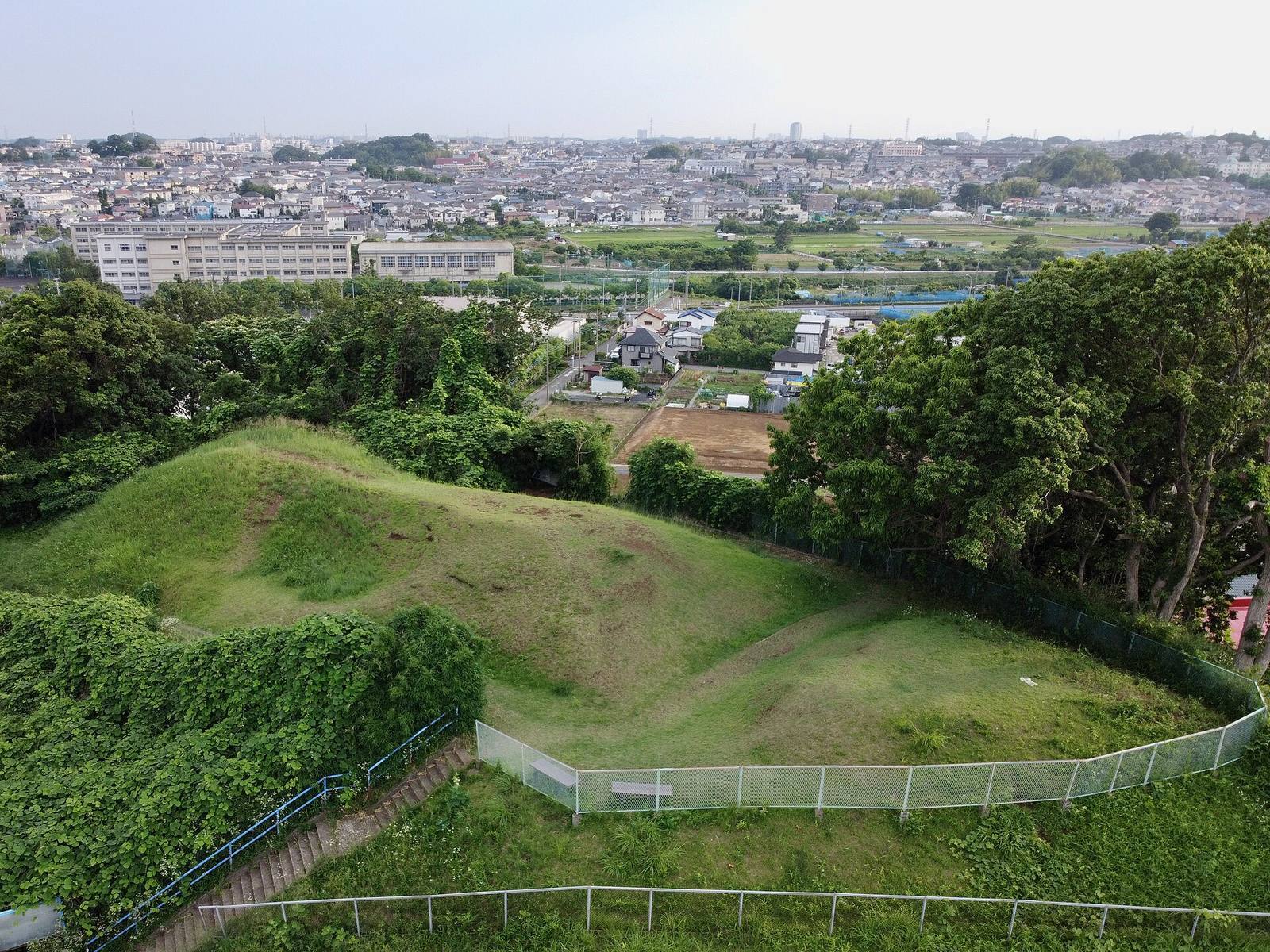
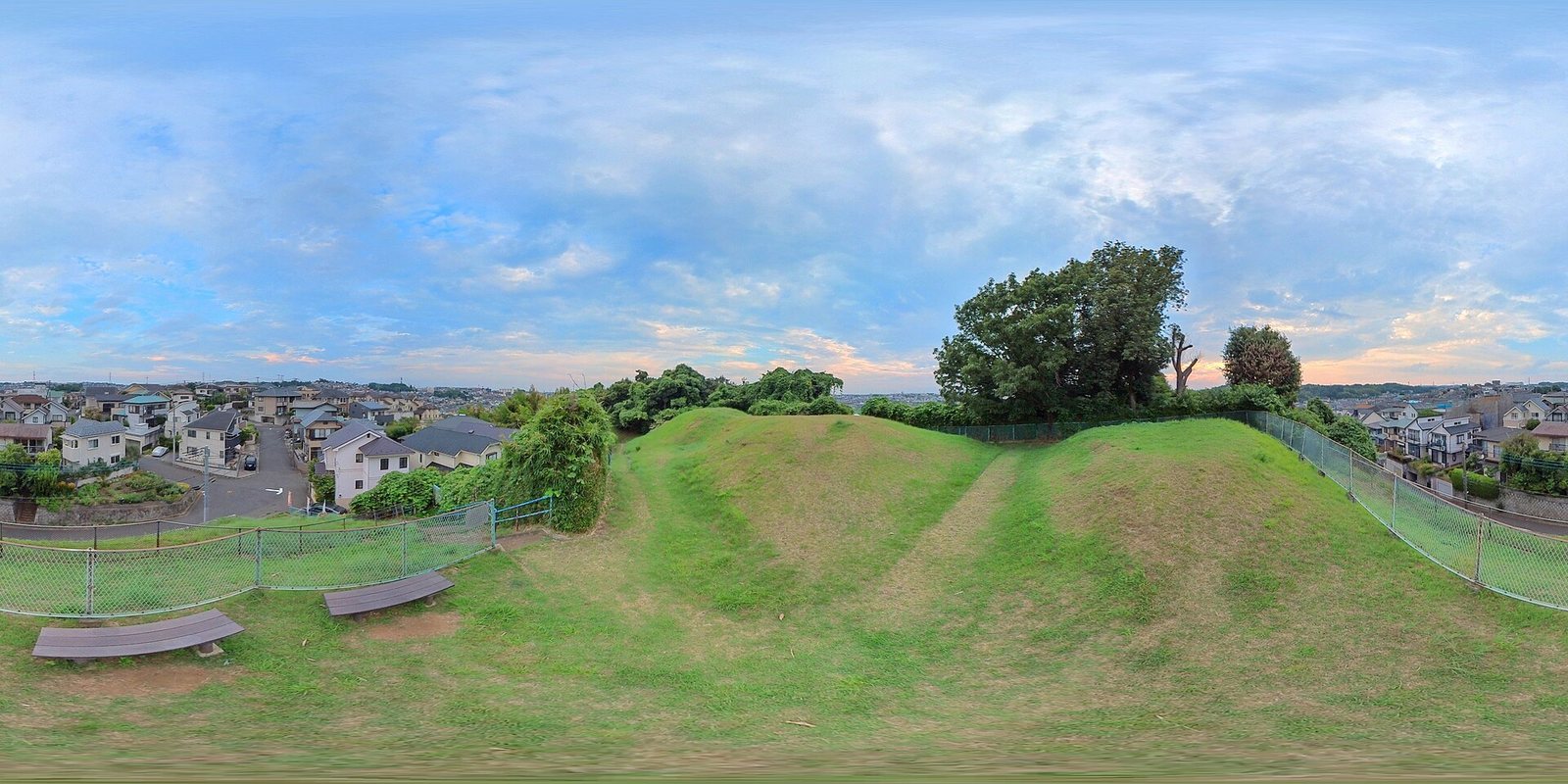
The group occupied a confined area on a hill in Oba, and the site covers 8,056.63 square metres. Its varied burial mounds and graves cut horizontally into a slope gave the complex a range of forms that prompted its description as a “museum of burial mounds.”
Excavated mound forms
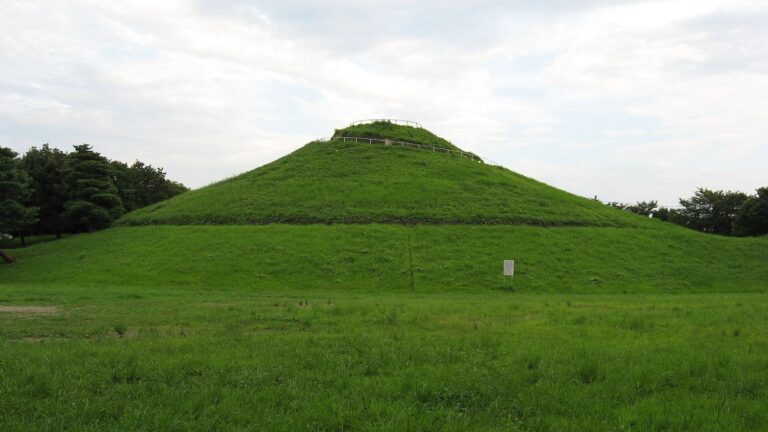
Excavations identified ten mounds: two keyhole-shaped, each with a rounded section joined to a rectangular one; one with rectangular sections at both ends; four round mounds; and three square mounds. Nine horizontal-entry tombs, graves excavated horizontally into a slope, were also identified.
Three surviving mounds
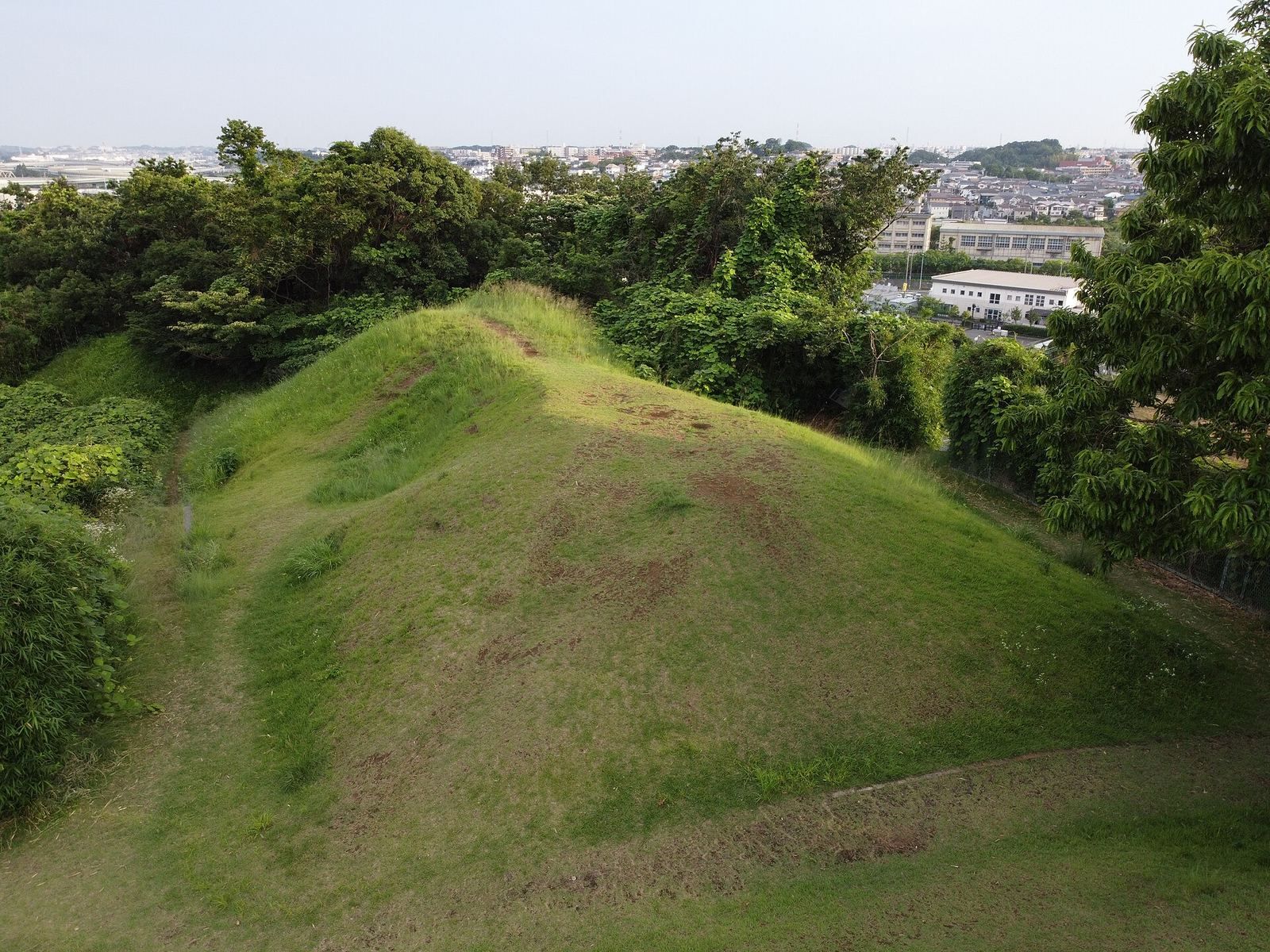
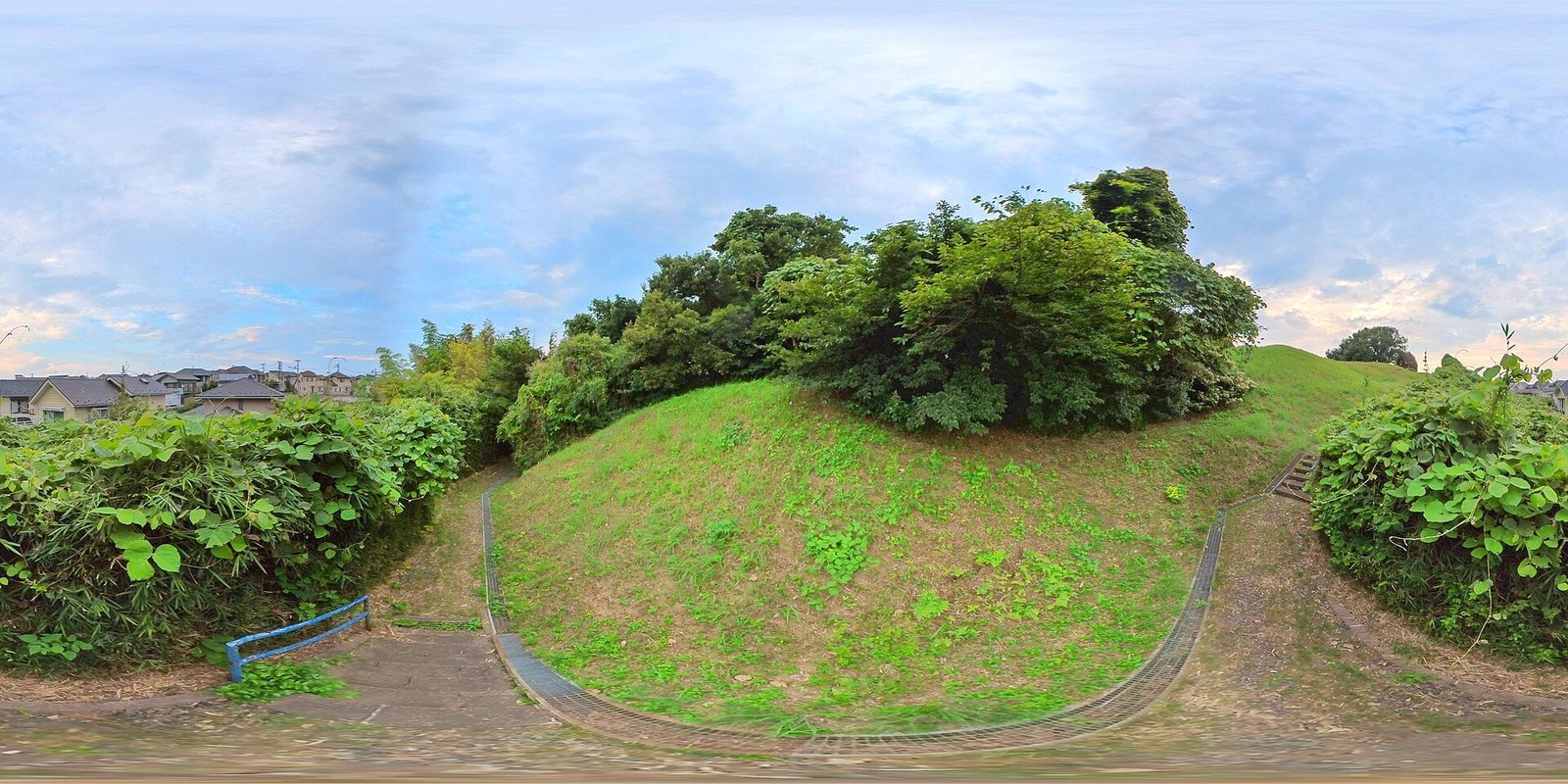
Three mounds remain. Mound No. 16 has rectangular sections at both ends and measures 37.5 metres in overall length. Nos. 15 and 17 are square mounds.
Excavated objects
Finds from the group include beads, iron weapons, and Haji pottery, an ancient Japanese earthenware.