Selamin: A Jewish Village in Lower Galilee
Site at a Glance
- Rating
- 3.2
- Popularity
- Very Low
- Country
- Israel
- Primary era
- Classical
- Eras represented
- Classical
- Civilizations
- Unclassified
- Site type
- Settlement
- Remains
- Village
On this page8 sections
History
Selamin was a Jewish village established in the Hellenistic period on a hill spur in Lower Galilee, in present-day Israel. The Hellenistic period followed Alexander the Great’s conquests and the spread of Greek influence. Selamin also belonged to the Second Temple period, the era of the Jewish Temple in Jerusalem before Rome destroyed it.
Hellenistic Origins and Roman Conquest
Josephus, a Jewish historian and military leader, fortified the village. The Roman army captured it around 64 CE during the First Jewish Revolt, the Jewish uprising against Roman rule. The inhabitants who fought the Romans are thought to have surrendered after the fall of Tarichaea, a Galilean town involved in the conflict.
Historian Bezalel Bar-Kochva considered Selamin’s position useful for blocking a route between Phoenician territory and the eastern plateau of Lower Galilee. He also judged the site’s exposed position poorly suited to a fortress.
Village Life and Later Traditions
Selamin’s inhabitants were probably farmers. The Mishnah, an early compilation of Jewish oral law, describes vineyards interspersed with planted vegetables there. The Tosefta, a related collection that supplements the Mishnah, says that a natural spring at Selamin stopped flowing during the Roman siege. It also recounts that a man who said a venomous snake had bitten him died with his face so changed that he could not be recognized. The rabbis nevertheless allowed his widow to remarry, relying on his statement that he was dying from the bite.
In the first century CE, the village’s Jewish population included a priestly group linked to the Dalaiah course, a division of priests associated with service at the Temple. The group appears in an apocryphal, or non-canonical, roster of Second Temple priests and their villages. It is also mentioned in a poem composed around 570–640 by Eleazar beRabbi Qallir, an early medieval Jewish liturgical poet. Historian Klein proposed that Joseph ben Dalaiah, a priest who died in the fire during the destruction of the Second Temple, came from Selamin.
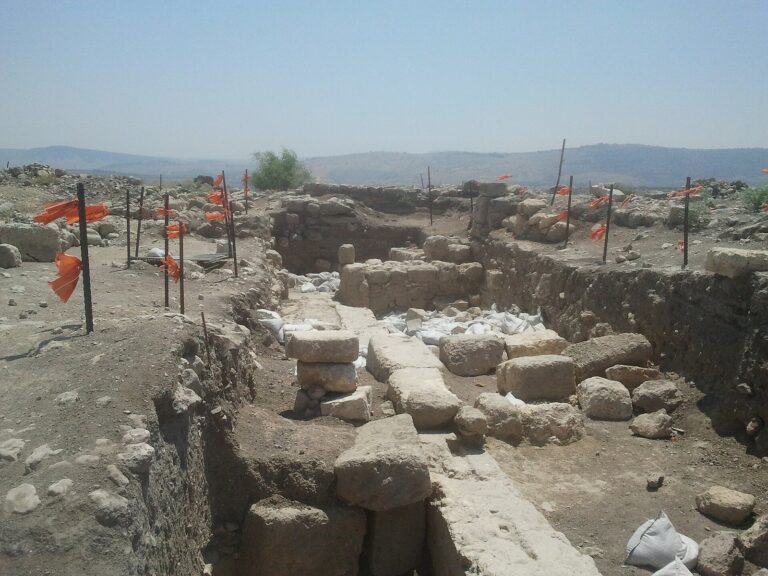
German scholar E.G. Schultz identified Selamin in 1847, and geographer and archaeologist Victor Guérin visited in 1875. The site remains unexcavated, though archaeologist Mordechai Aviam surveyed it.
Remains
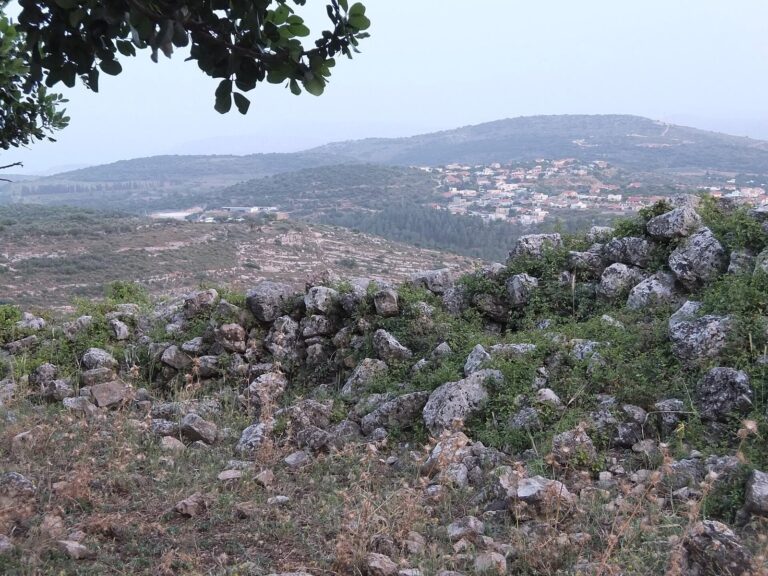
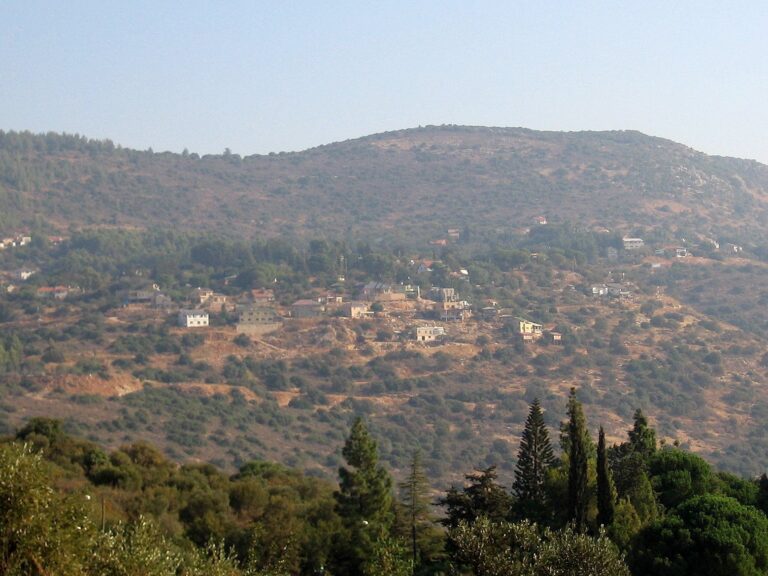
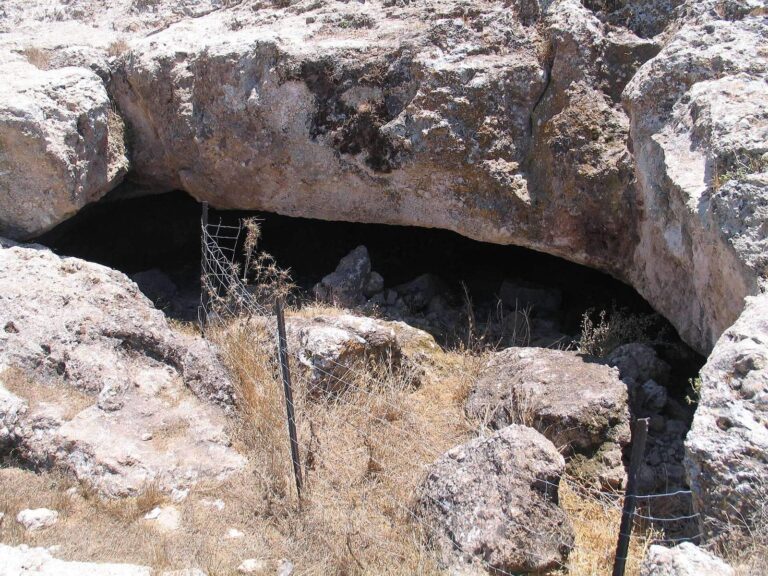
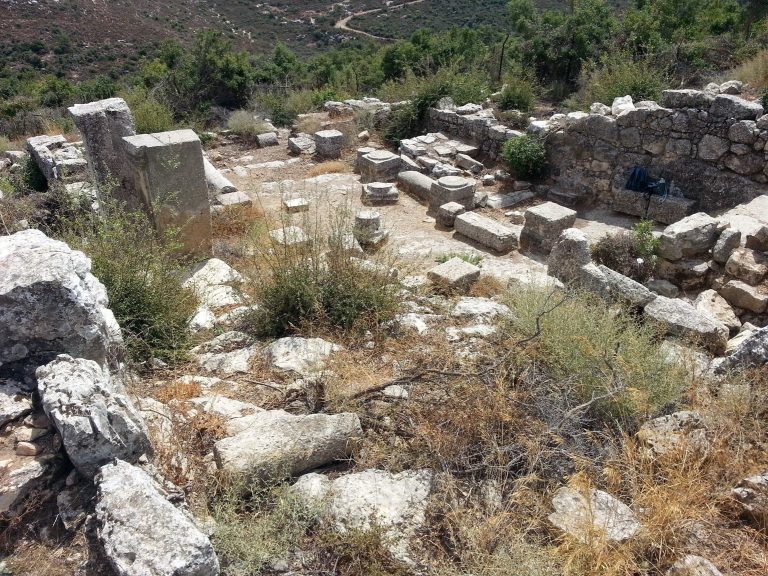
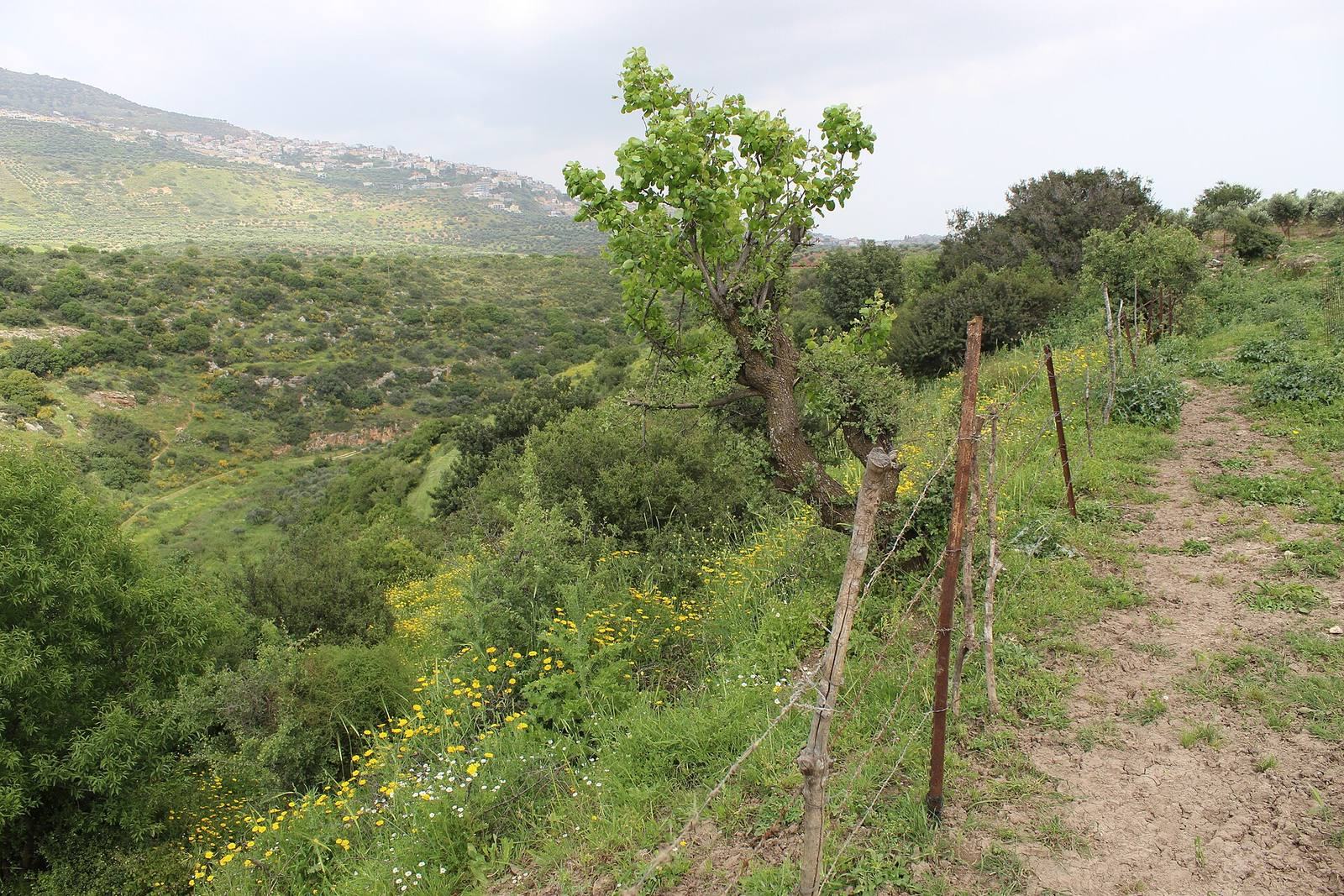
The remains occupy a hill spur near Mount Salameh, on the eastern bank of Wadi es Salameh, also called Nahal Tzalmon. The valley runs north to south and takes its name from the ruin. A narrow saddle links the hill to the northwest, while the recorded features include an enclosure, presses cut into rock, and masonry remains.
Structures and Finds
Enclosure and rock-cut presses
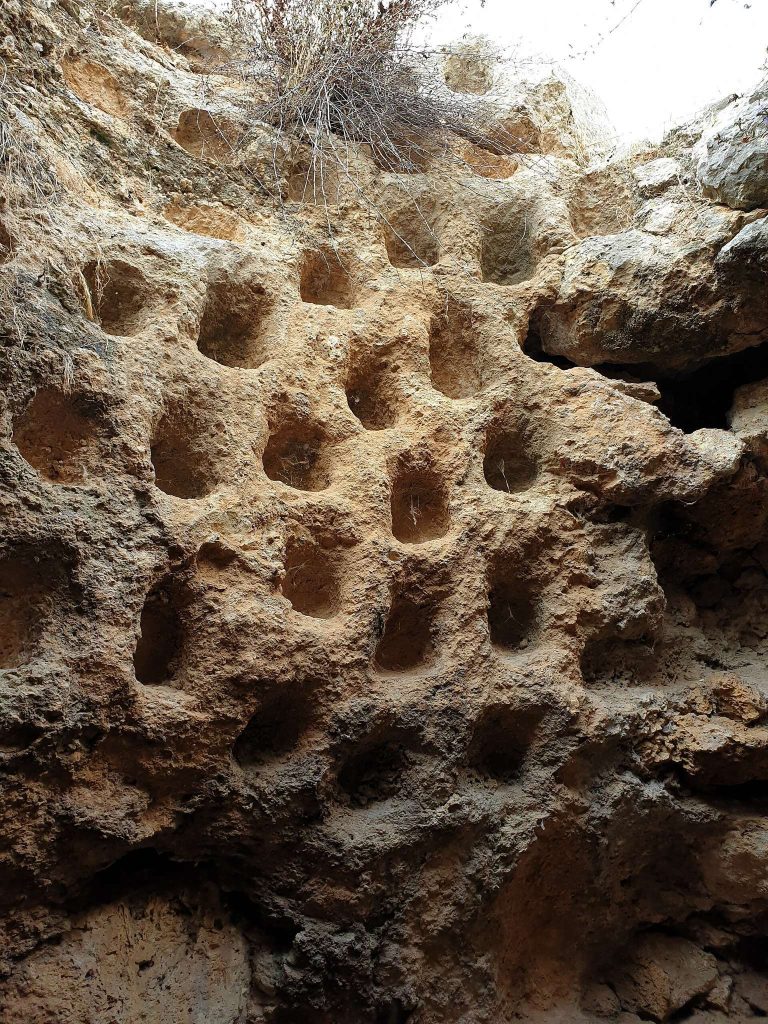
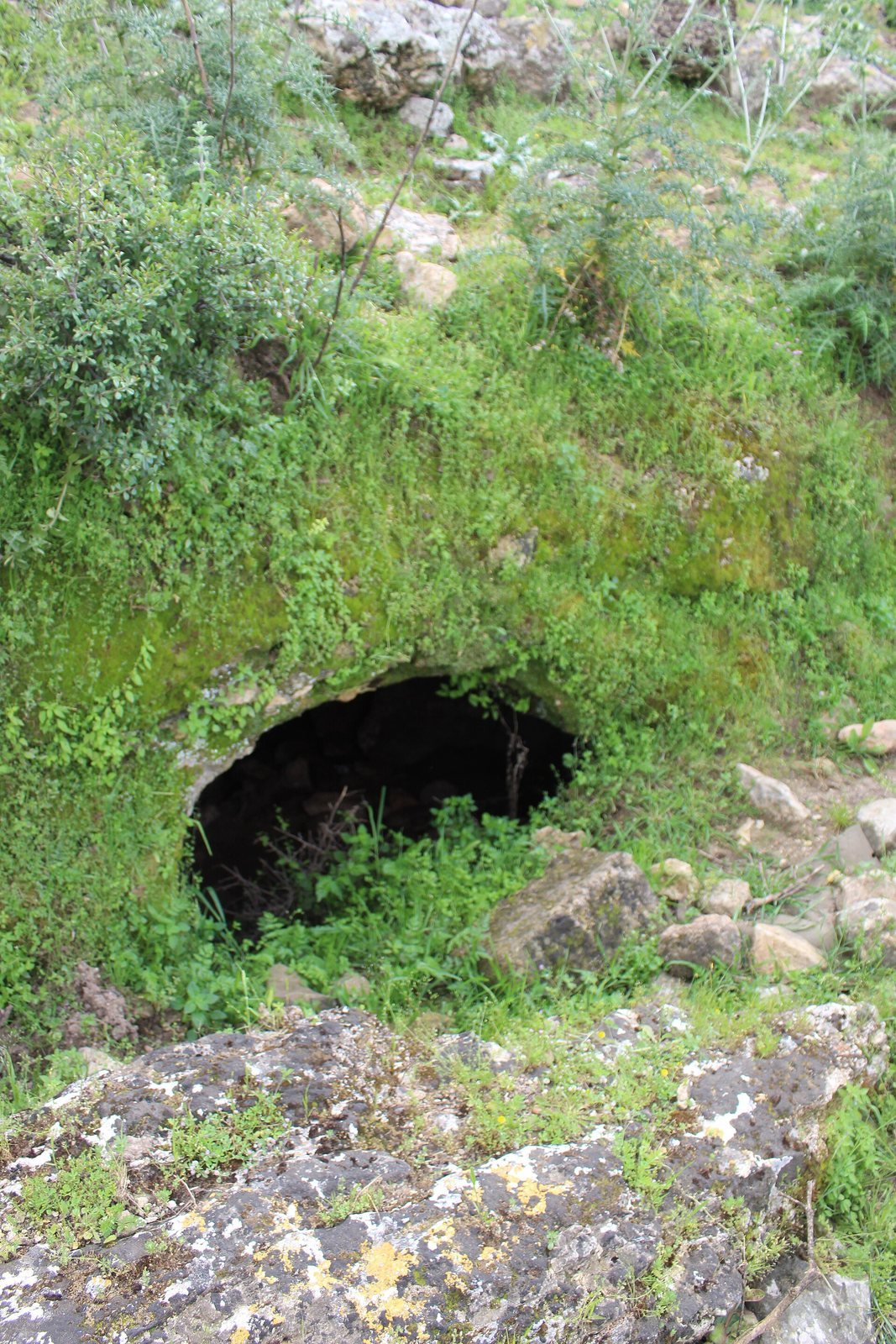
A rectangular enclosure at the ruin measures 80 by 50 paces. Two presses cut into the rock are also present.
Wall and moat
A narrow moat cuts across the saddle connecting the hill to the northwest. On the western slope, part of a wide wall remains visible; it may have served as a defensive wall.
Pool and archaeological finds
Local residents still point out a pool made of old masonry at the ruin. Pottery and coins have been found in place at the site.