Seri Bahlol: A Kushan-Period Fortified Town in Pakistan
Site at a Glance
- Rating
- 4.1
- Popularity
- Medium
- Country
- Pakistan
- Primary era
- Classical
- Eras represented
- Classical
- Civilizations
- Gandharan, Kushan
- Site type
- Settlement
- Remains
- Town
On this page7 sections
History
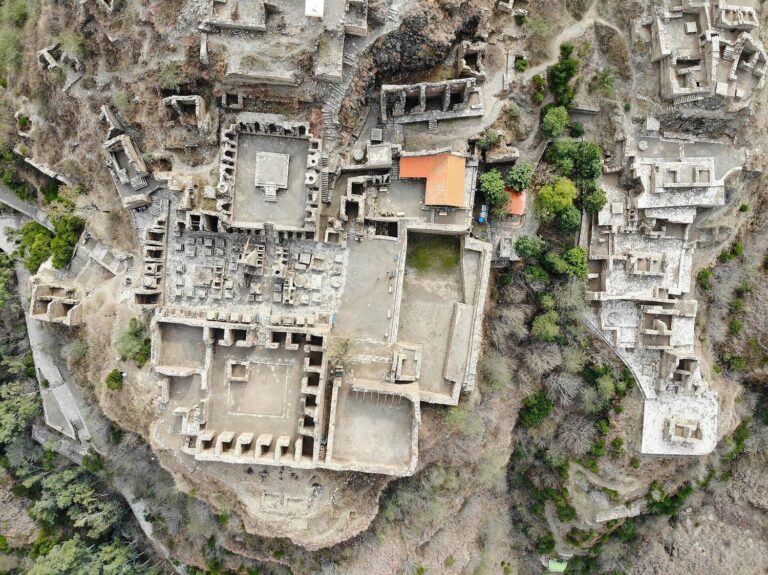
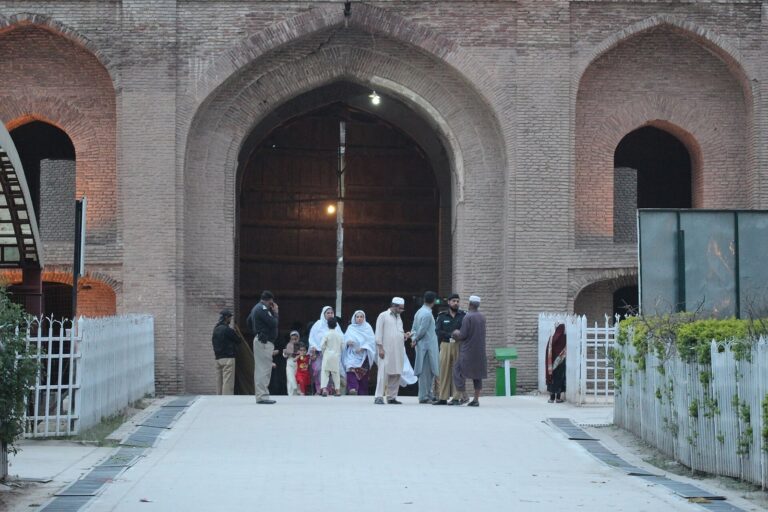
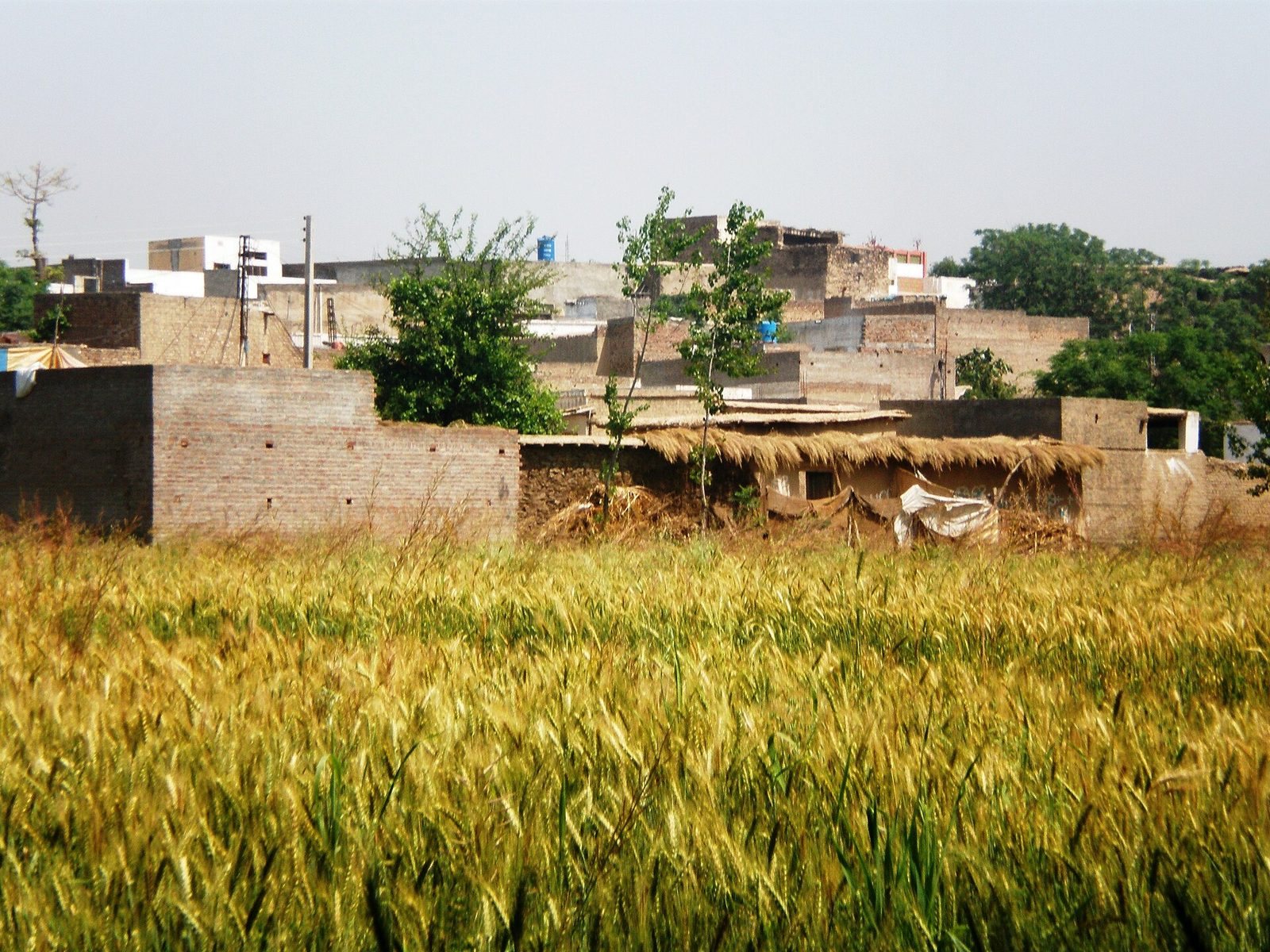
Seri Bahlol is an archaeological site in Mardan District, Khyber Pakhtunkhwa, Pakistan, containing the remains of a small fortified town built under the Kushans, a dynasty that ruled parts of Central and South Asia, in the second or third century. The town’s name has an uncertain origin. Local interpretations connect its first Hindi element with an honorific and identify Bahlol as a former local political and religious leader. The place-name is thought to be more recent than the ancient town.
Excavation and conservation began during the period of archaeologist John Marshall, who directed the Archaeological Survey of India. In 1980, Seri Bahlol was inscribed as part of the UNESCO World Heritage property Buddhist Ruins of Takht-i-Bahi and Neighbouring City Remains at Seri Bahlol. Its inscription falls under criterion (iv), which recognizes outstanding buildings or ensembles that illustrate an important stage in human history.
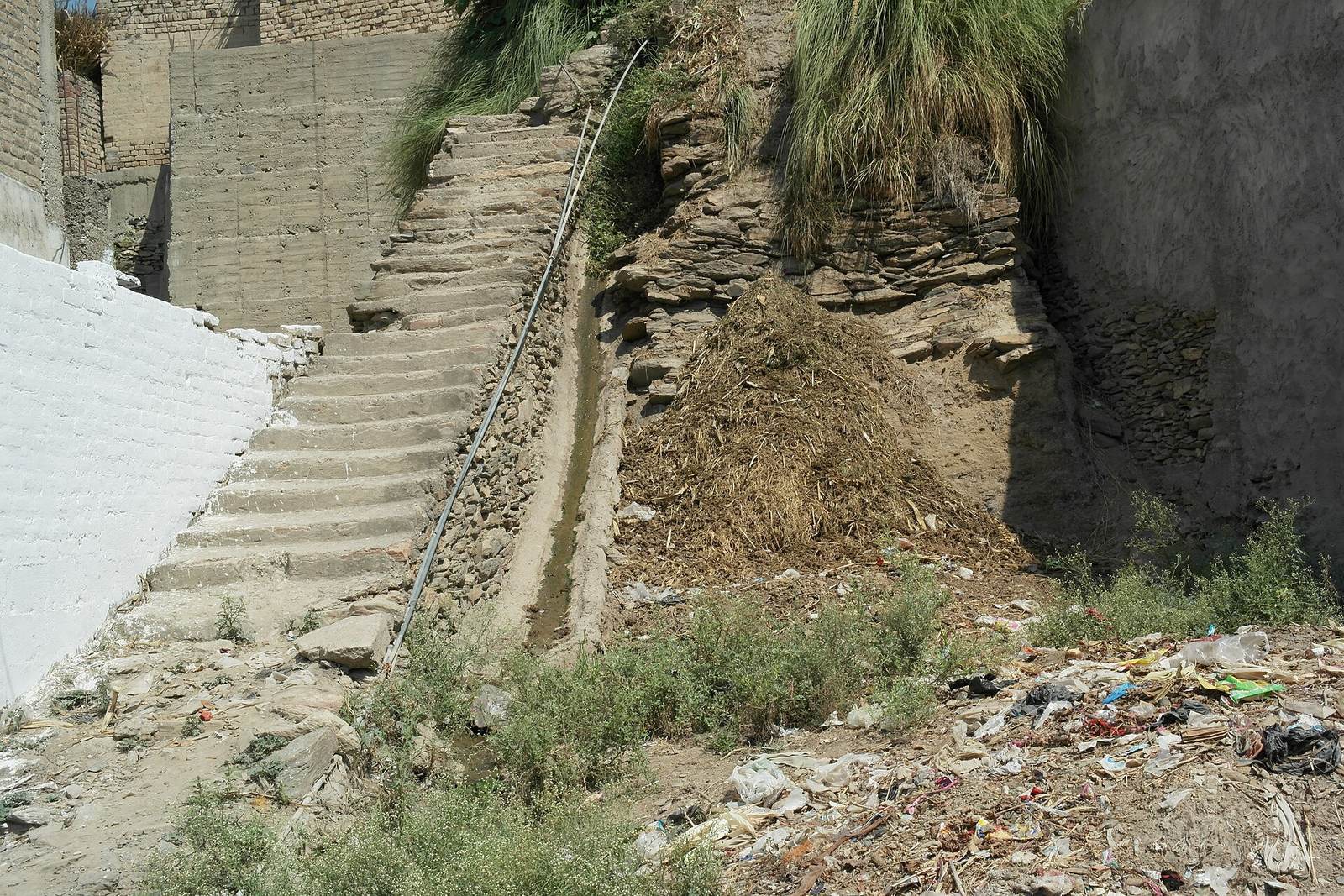
The village’s fertile surroundings support farming, and residents also keep livestock. Population growth has encroached on farmland, raising concerns about food security. Illegal digging in homes and privately owned plots has damaged historic remains, with local antiquities traders encouraging residents to take part in excavations.
Remains
Town layout and protective wall
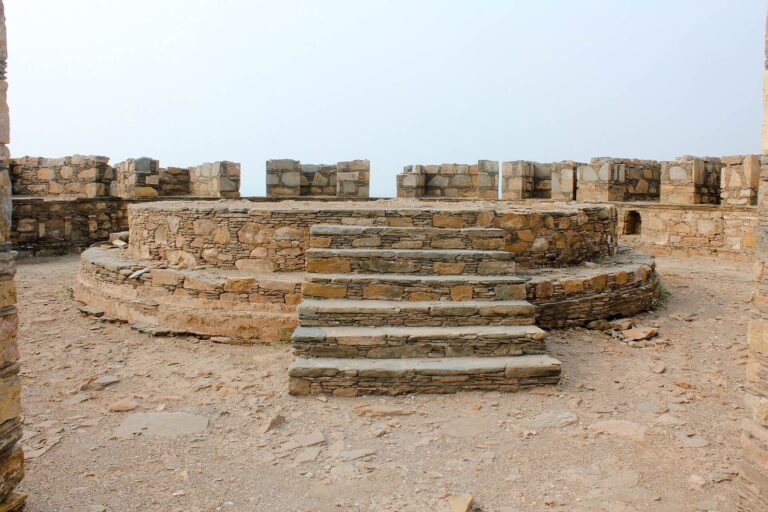
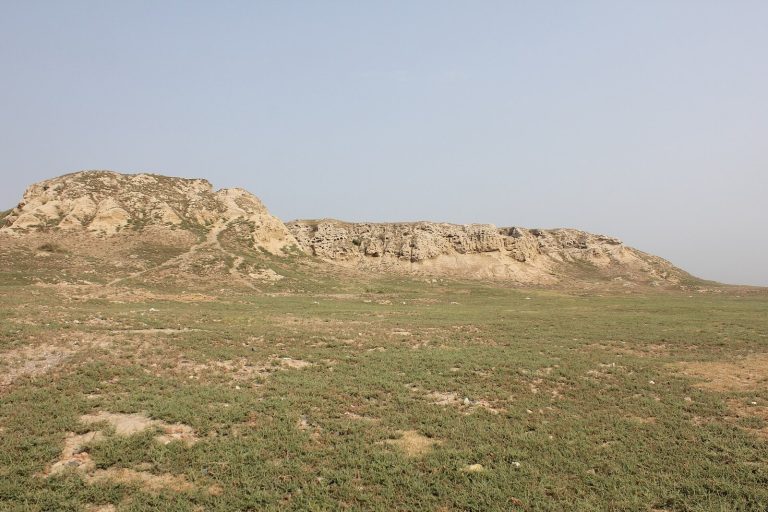
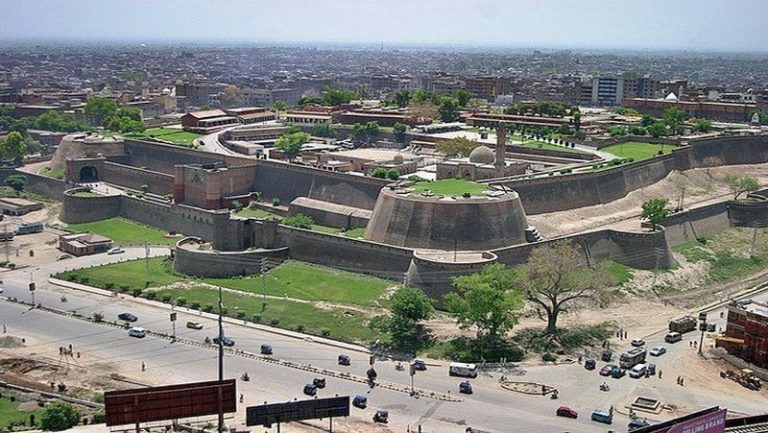
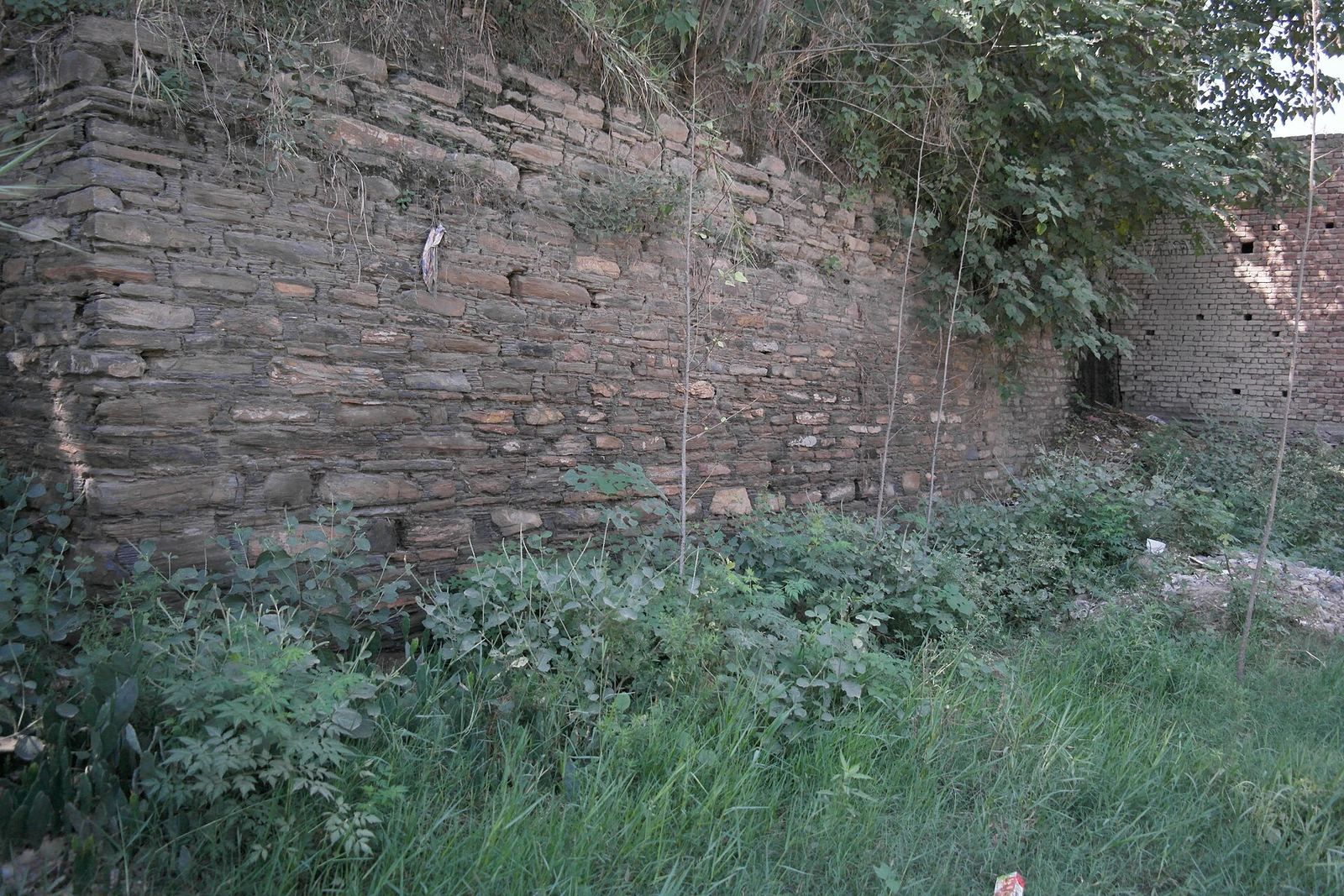
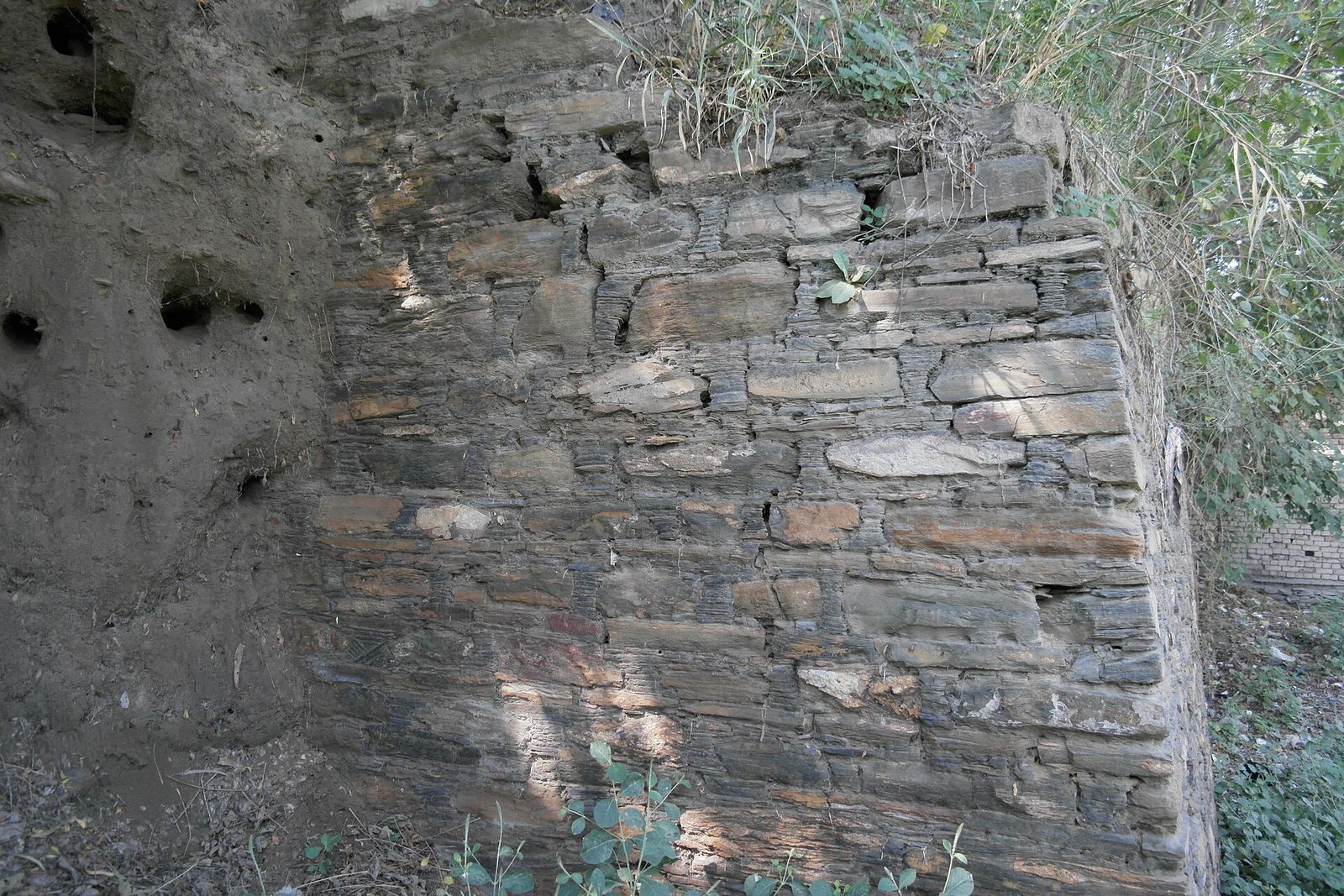
The ancient town’s remains cover about 9.7 hectares on a hillock rising approximately 9 m. The site lies about 70 km northwest of Peshawar and 5 km from Takht-i-Bahi, a Buddhist monastic complex in Gandhara. Seri Bahlol’s plan, architecture, and building methods resemble those of Gandhara’s royal and civic communities between the first and seventh centuries. A protective stone wall surrounds the village and is attributed to the Kushan period. Some stretches are damaged or broken, while parts remain visible.
Sculptures and other finds
Excavated material and unexcavated remains
Parts of a Buddha statue and other remains associated with the Buddha have not been fully excavated. Finds from the site include statues and sculptures, coins, utensils, tools, and jewelry or gems.
Works held in Indian museums
A schist sculpture of a meditating Bodhisattva, a being on the path to Buddhahood, is held at the Patna Museum. The Indian Museum in Kolkata holds a schist carving of Nanda, the Buddha’s half-brother, entering the Buddhist monastic order, as well as an image of the Buddha preaching and a standing Bodhisattva.
Works held elsewhere
A seated Buddha triad, a group centered on a Buddha with two accompanying religious figures, was excavated in 1911–1912 and is now at the Peshawar Museum. The museum also holds a Buddha image from the 1909–1910 excavation. A standing figure known as the ‘Great Buddha’ was found in 1909. Other works from Seri Bahlol include a Bodhisattva head at the San Diego Museum of Art and a Bodhisattva sculpture at the Metropolitan Museum of Art in New York.