Nettlecombe Court: A Historic House and Parkland Estate
Site at a Glance
- Popularity
- Medium
- Country
- United Kingdom
- Primary era
- Early Modern
- Eras represented
- Medieval, Early Modern, Modern
- Civilizations
- British, English
- Site type
- Domestic
- Remains
- Manor House
On this page13 sections
History
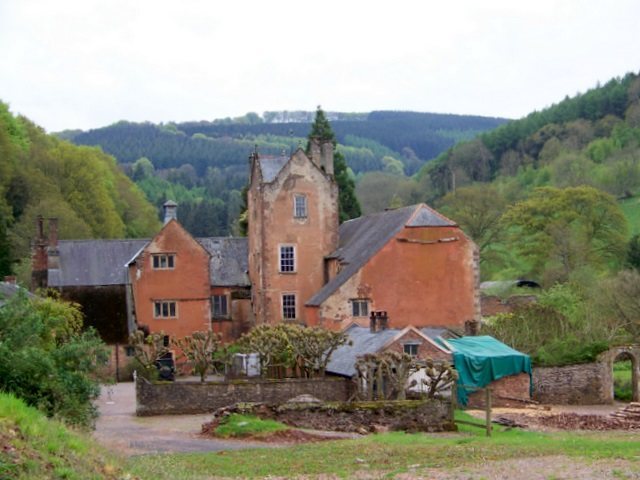
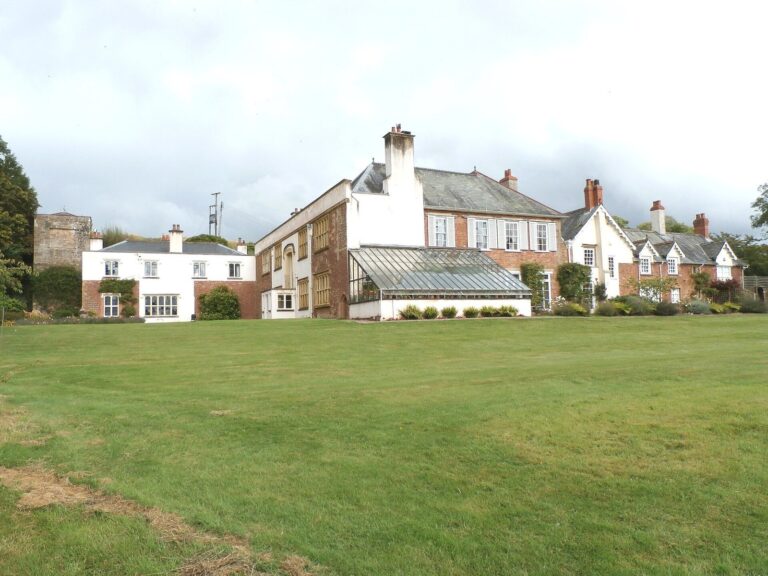
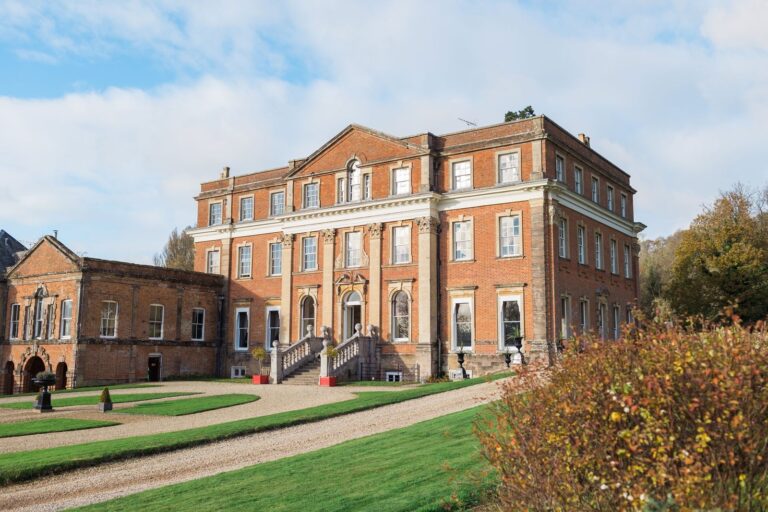
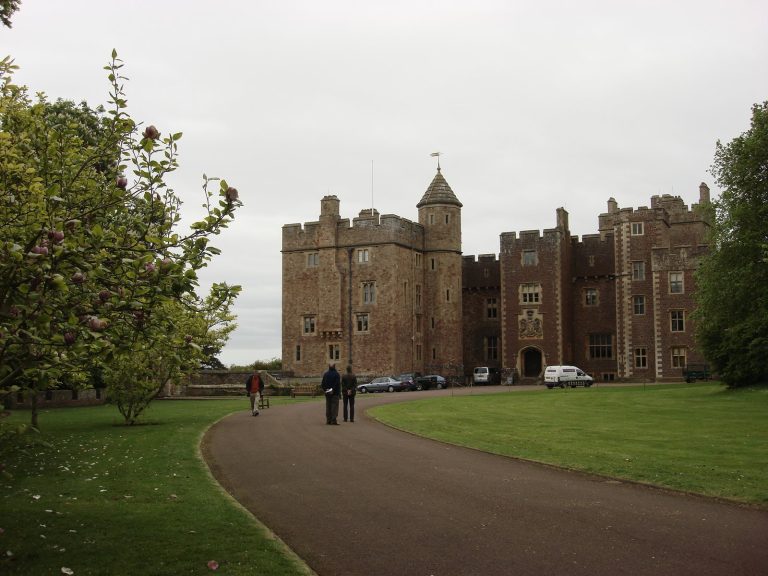
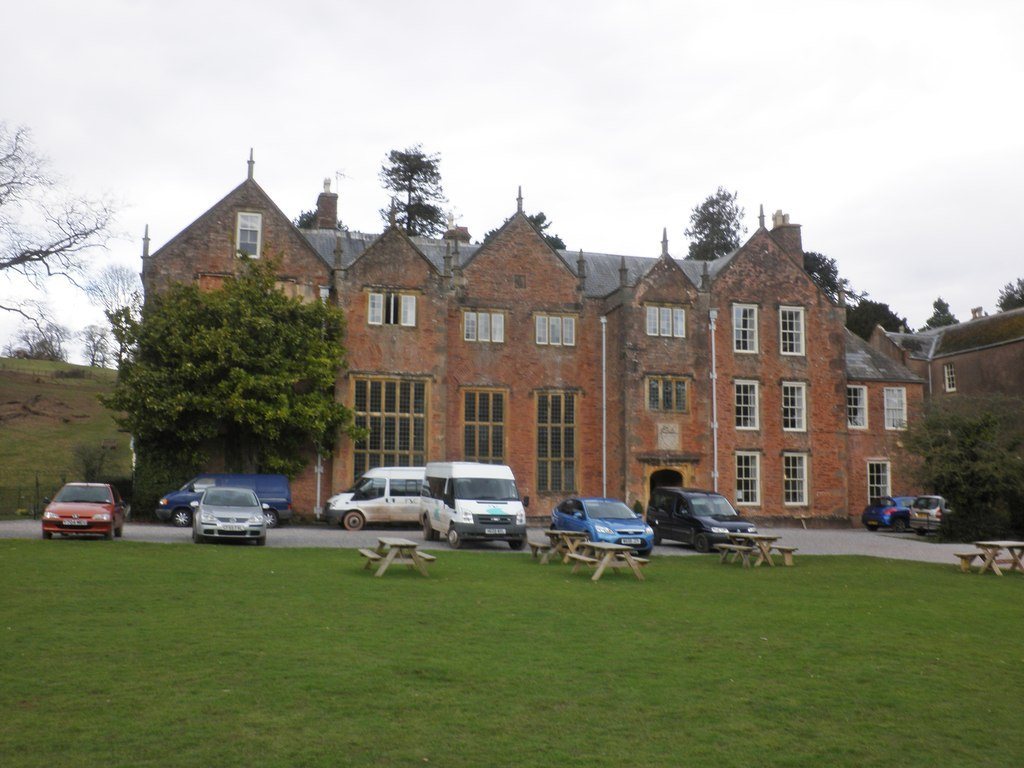
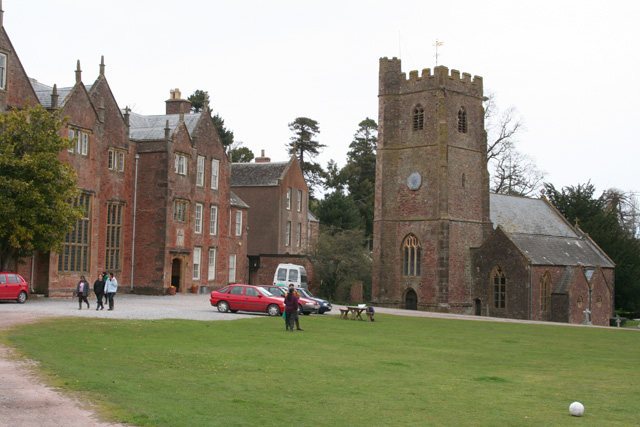
Nettlecombe Court is a historic house on the sheltered northeast slope of the Brendon Hills, within Exmoor National Park in the United Kingdom. Its fabric brings together medieval work from the Middle Ages with Tudor features (from the English dynasty that ruled between 1485 and 1603), Elizabethan work (from Elizabeth I’s reign, 1558–1603), and Georgian elements (from the period of the Hanoverian kings named George, broadly 1714–1837). Its estate passed through hereditary lines for centuries.
Estate origins and succession
The estate’s name was first written as Netelcumbe and appeared by 1245 as Nettelcumbe. It refers to a place or valley where nettles grow, and the civil parish of Nettlecombe takes its name from the house.
Before the Norman Conquest, William, Duke of Normandy’s takeover of England after his victory at Hastings in 1066, Nettlecombe belonged to Prince Godwine, son of King Harold. William took possession after Harold’s defeat. The Domesday Book of 1086 lists the estate as William’s holding, with Somerset sheriff William de Mohun responsible for it.
In 1160, Henry II, king of England from 1154 to 1189, granted Nettlecombe to Hugh de Raleigh and his heirs in perpetuity. It passed to Warine de Raleigh and then through direct blood descendants into the nineteenth century. The estate was inherited rather than bought or sold.
In the fifteenth century, Sir John Trevilian’s marriage to Elizabeth Whalesborough brought Nettlecombe into the Trevilian family. Her claim came through her maternal Raleigh line. The family name later appeared as Trevelyan, and the family held the estate into the twentieth century, including after the deaths of Joan Trevelyan and her husband, Garnet Wolsey.
House and landscape transformations
During the 1640s, Roundheads, supporters of Parliament in the English Civil War, set a fire that damaged the house. They opposed George Trevelyan’s support for the monarchy. Additions were later built behind the great hall. Other changes included an extension to the southwest front in 1703–1707, decoration of the southwest wing in the 1780s, and a northeast service range in the early nineteenth century.
Nettlecombe had a deer park by 1532. It covered 80 acres (32 hectares) in 1556 and 70 acres (28 hectares) in 1619. During the 1690s, parts of the park were enclosed and four gardens were laid out, including a water garden. In the eighteenth century the park was extended, and houses in the village were removed. In 1792, landscape gardener Thomas Veitch redesigned the grounds in the manner of Capability Brown, removing cottages and relocating residents.
The estate’s oaks also supplied timber for shipbuilding. During Elizabeth I’s reign, selected timber was used for ships in the English fleet commanded by Sir Walter Raleigh against the Spanish Armada, the Spanish fleet sent against England in 1588. Other oaks went into ships connected with England’s naval, colonial, and trading ventures. In the nineteenth century, the owner declined offers to fell the great oaks, which have been protected since.
Cultural and later uses
In the nineteenth century, Lady Trevelyan used the family estates at Wallington and Nettlecombe to host an intellectual and artistic salon associated with the Pre-Raphaelite Brotherhood, a British artistic movement.
In the late 1950s, the house became St. Audries Junior School, a girls’ boarding school. Since 1967 it has housed the Leonard Wills Field Centre, run by the Field Studies Council. The centre supports study of the surrounding natural environment, including introductory courses in environmental subjects and botany.
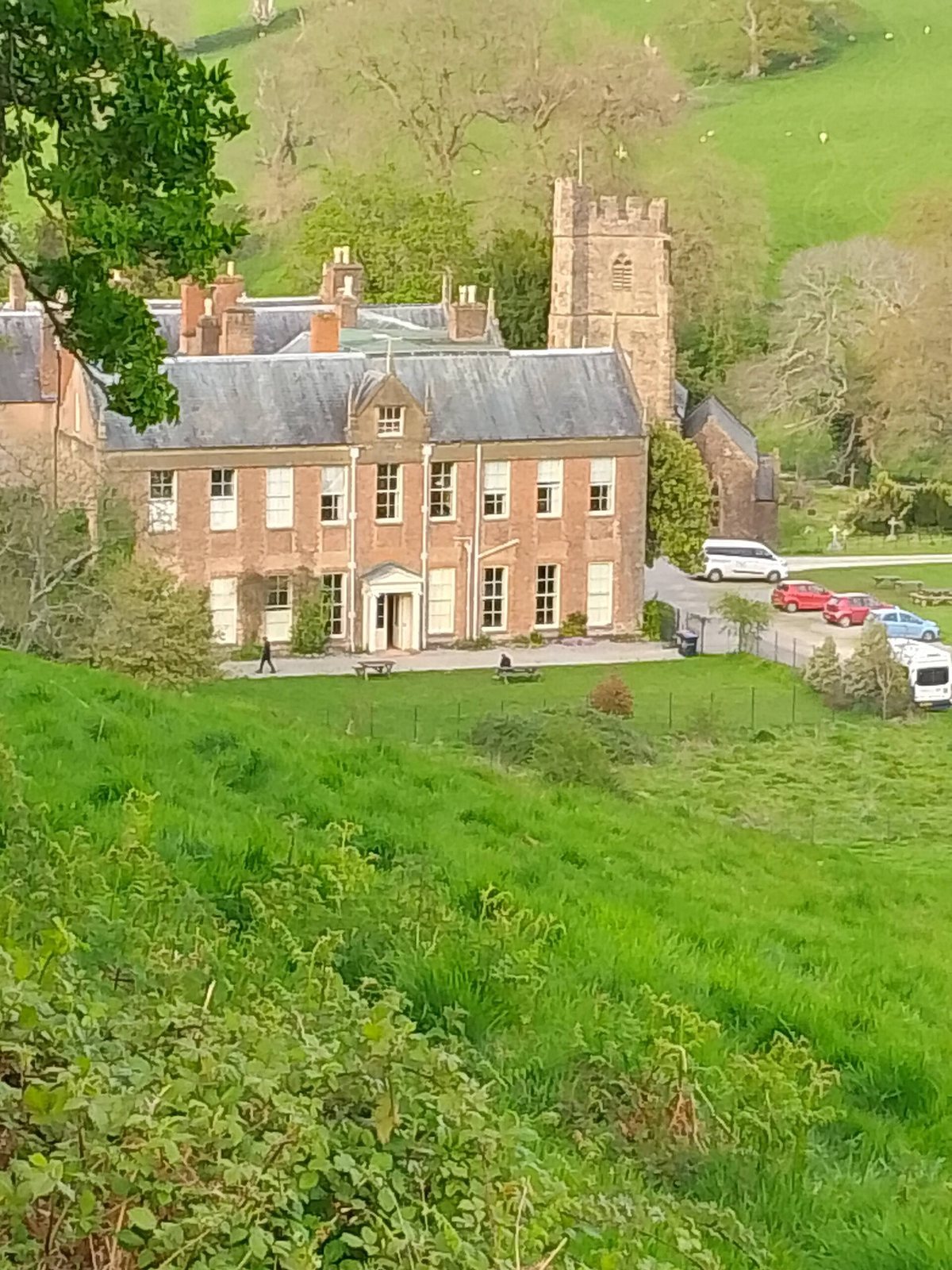
The house and the Church of St Mary the Virgin are Grade I listed, England’s highest listing grade for buildings. The park is listed as Grade II on the Register of Historic Parks and Gardens. In 1990, Nettlecombe Park was designated a Site of Special Scientific Interest, a status for areas with nationally important biological or geological features.
Remains
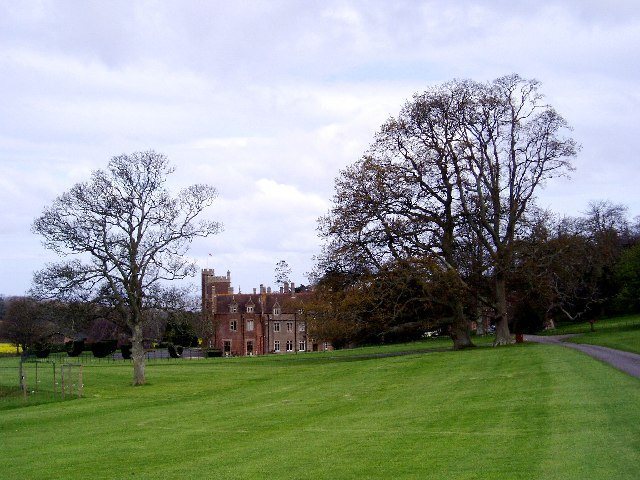
The house stands on the northeast-facing slope of the Brendon Hills, with parkland and woodland forming the surrounding estate. The grounds include 60 hectares (150 acres) of parkland, while Nettlecombe Park is described as covering 90.4 hectares (223 acres). The Church of St Mary the Virgin lies within the grounds. Near the coast at the property’s edge, excavation uncovered remains of Danish Vikings defeated there around 900.
The house
Building and interiors
The house combines medieval, Tudor, Elizabethan, and Georgian features. Its components include a medieval hall, an entrance front and porch, a great hall, and a Tudor parlour. The great hall was the manor’s principal communal room, while the parlour served as a private sitting or reception room. Plasterwork survives from different stages of the house’s development.
Carvings and family arms
Carvings and emblems of a horse rising from the sea appear throughout the house. The device is associated with the Trevilian arms, sometimes shown alongside arms linked to the Raleigh, Luttrell, Wyndham, Chichester, and Strode families. Trevilian family legend says that a knight escaped the flooding of Lyonesse, a legendary land beneath the sea off the western coast, on a white horse. Other traditions connect Lyonesse with Arthur and Mordred’s final battle, Tristan and Isolde, and church bells said to sound beneath the sea during storms. In Alfred, Lord Tennyson’s Idylls of the King, Lyonesse is Arthur’s final resting place.
Organ
An organ built by John Loosemore was installed in the house in the seventeenth century. In the 1830s it was changed from one keyboard to two. It was partly dismantled in the 1980s, and its original parts were moved to the John Loosemore Centre in Buckfastleigh, where they await restoration.
Parkland and trees
The park is undulating and blends into surrounding woodland. It contains isolated trees and groups of trees, including oaks and sweet chestnuts. Some of the sessile oaks, a species of oak, are notably large, with some reaching a girth of 23 feet (7 metres). Several old pollarded oaks, repeatedly cut back above the reach of grazing animals, may be about 400 years old or older; the oldest standard trees exceed 200 years.
The grounds have remained wood pasture or parkland for at least 400 years. This continuity is associated with mature and over-mature trees and the persistence of characteristic lichens growing on tree surfaces and beetles. Many of the lichen species present are now nationally scarce because this kind of habitat has been lost across large areas of Great Britain.
Gardens and boundaries
Water garden
The water garden made in the 1690s has disappeared, but the name Canal Field preserves its memory.
Ha-ha
A ha-ha, a sunken ditch designed to divide areas without interrupting the view, separates the deer park from the meadows.