Cumbernauld House: A Scottish Country House Completed in 1731
Site at a Glance
- Popularity
- Medium
- Country
- United Kingdom
- Primary era
- Early Modern
- Eras represented
- Medieval, Early Modern
- Civilizations
- British, Kingdom of Scotland
- Site type
- Domestic
- Remains
- Elite Residence
On this page8 sections
History
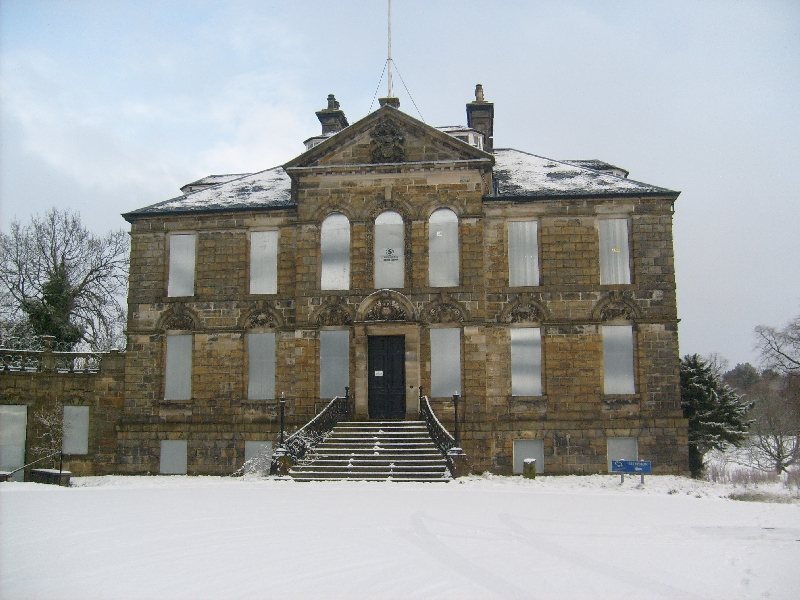
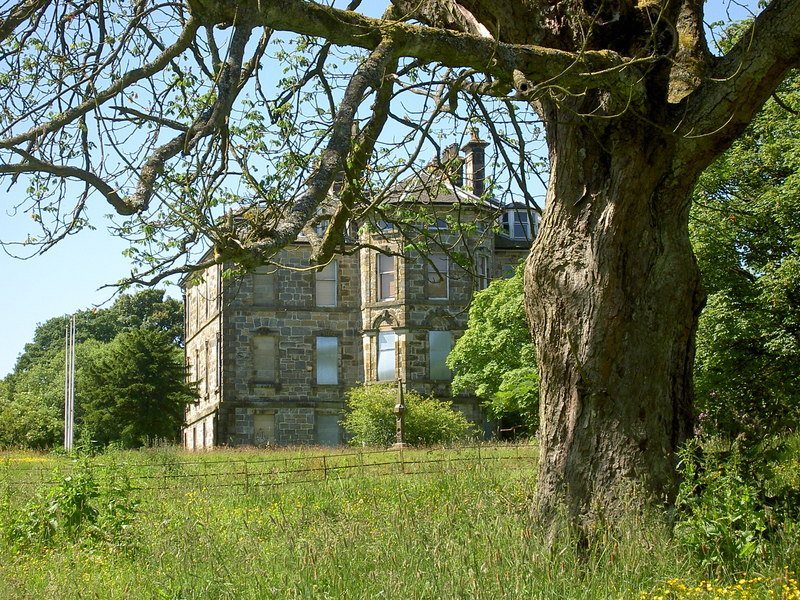
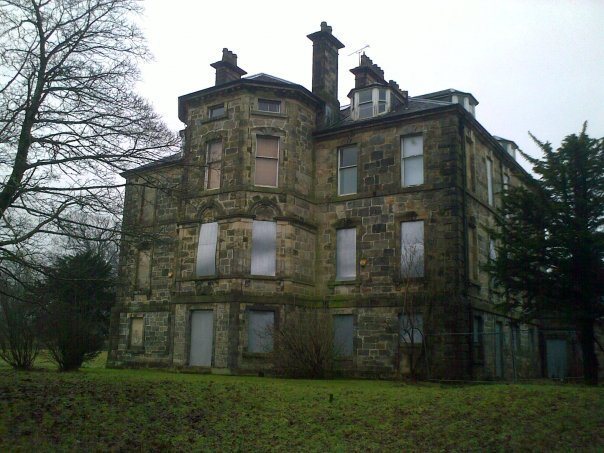
Cumbernauld House is a Scottish country house in Cumbernauld, United Kingdom, completed in 1731 for John Fleming, 6th Earl of Wigtown, to designs by William Adam. Adam was a leading Scottish architect of the period, and the house is regarded as a notable example of his work.
The medieval castle and Mary, Queen of Scots
The Fleming family built Cumbernauld Castle around 1370. The castle and its barony passed from the Comyn family to Sir Robert Fleming around 1306; Robert’s grandson, Sir Malcolm Fleming, held the lordships of Biggar and Cumbernauld. John Fleming, 1st Earl of Wigtown, later owned the castle. A Scottish royalist, he opposed the 1707 Act of Union, which joined Scotland and England as Great Britain, and was imprisoned at Edinburgh Castle during the 1715 Jacobite rising.
Mary, Queen of Scots, visited the castle. On 26 January 1562, while she was staying there, its great hall collapsed, killing seven or eight men. Most of her party had gone hunting. Mary was unharmed and visited the relatives of those killed or injured in the village. During the visit she also planted a yew at Castlecary Castle, about one or two miles away; the tree still grows there.
Destruction and the building of the house
The English Civil War, a mid-17th-century conflict between supporters of King Charles I and Parliament, brought fighting to Cumbernauld Castle. In 1650, an order was issued to garrison it against Oliver Cromwell’s advancing forces. General Monck besieged the castle in 1651, and the fighting completed its destruction.
The new house was built for John Fleming, 6th Earl of Wigtown, and completed in 1731. Afterward, the castle ruins served as stables. In 1746, an accidental fire started by dragoons, soldiers in mounted military units, caused further damage. That year, the retreating Jacobite army, whose supporters sought the restoration of the Stuart dynasty, spent a night billeted in Cumbernauld village. Its commander, Lord George Murray, stayed at the Black Bull Inn rather than the house so he could keep closer discipline over his troops.
Changes of ownership and later use
Charles Fleming, 7th Earl of Wigtown, died without children in 1747, and the estates passed to the Elphinstone family. A crowd of about 5,000 marched on the house in 1797 to oppose the Militia Act, which concerned the raising of militia forces. Charles Elphinstone-Fleming, a naval officer and politician who later retired as an admiral, served as laird, or landowner, from 1799 to 1840 and represented Stirlingshire as a Member of Parliament. Clementina Maude, later Viscountess Hawarden and a pioneer of Victorian photography, was born at the house in 1822 and was also reported to have lived there.
Charles Elphinstone-Fleming’s son, Lieutenant-Colonel John Elphinstone-Fleming, became Lord Elphinstone in 1860 and died unmarried the following year. His nephew Cornwallis Maude-Fleming sold the estate to John William Burns in 1875. Around 1870, the house had been gutted and rebuilt internally; on the evening of 16 March 1877, it was gutted by fire.
Burns’s family sold the estate to the government in 1955 for the development of Cumbernauld New Town. In the later 20th century, the house was used as offices by Cumbernauld Development Corporation, North Lanarkshire Council, and then DH Morris. After DH Morris went into liquidation in March 2007, the house stood empty for about a decade before its conversion into apartments. It became a Category A listed building in 1971, Scotland’s highest listed-building category, and was added to the Scottish Register of Buildings at Risk in 2008, with its condition assessed as good and the risk as minimal. Restoration work began in 2011.
Remains
The house and castle site
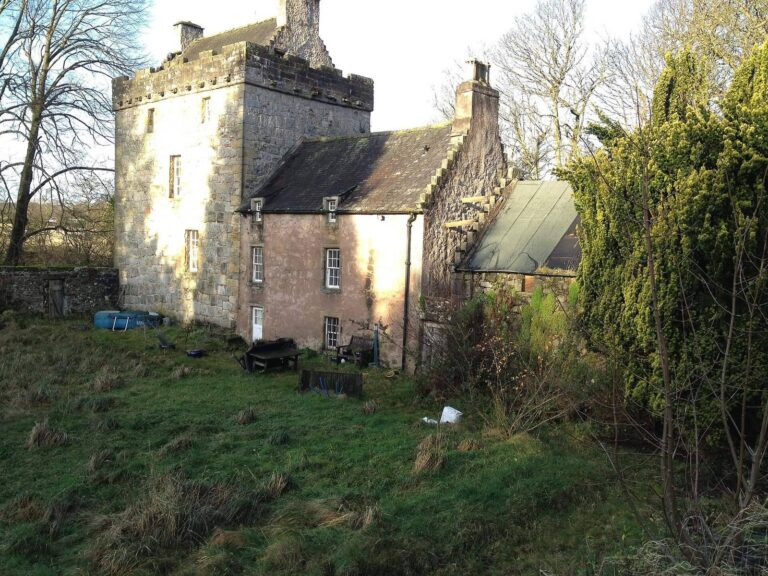
The principal surviving building is a Scottish country house set within extensive parkland in Cumbernauld Glen, close to Cumbernauld Village. It probably occupies part of the castle site, with reusable material from the ruins incorporated into its construction. Coins and pottery sherds excavated northeast of the house provide evidence used to date the castle. One wall identified as original survives in the allotment area.
Parkland buildings
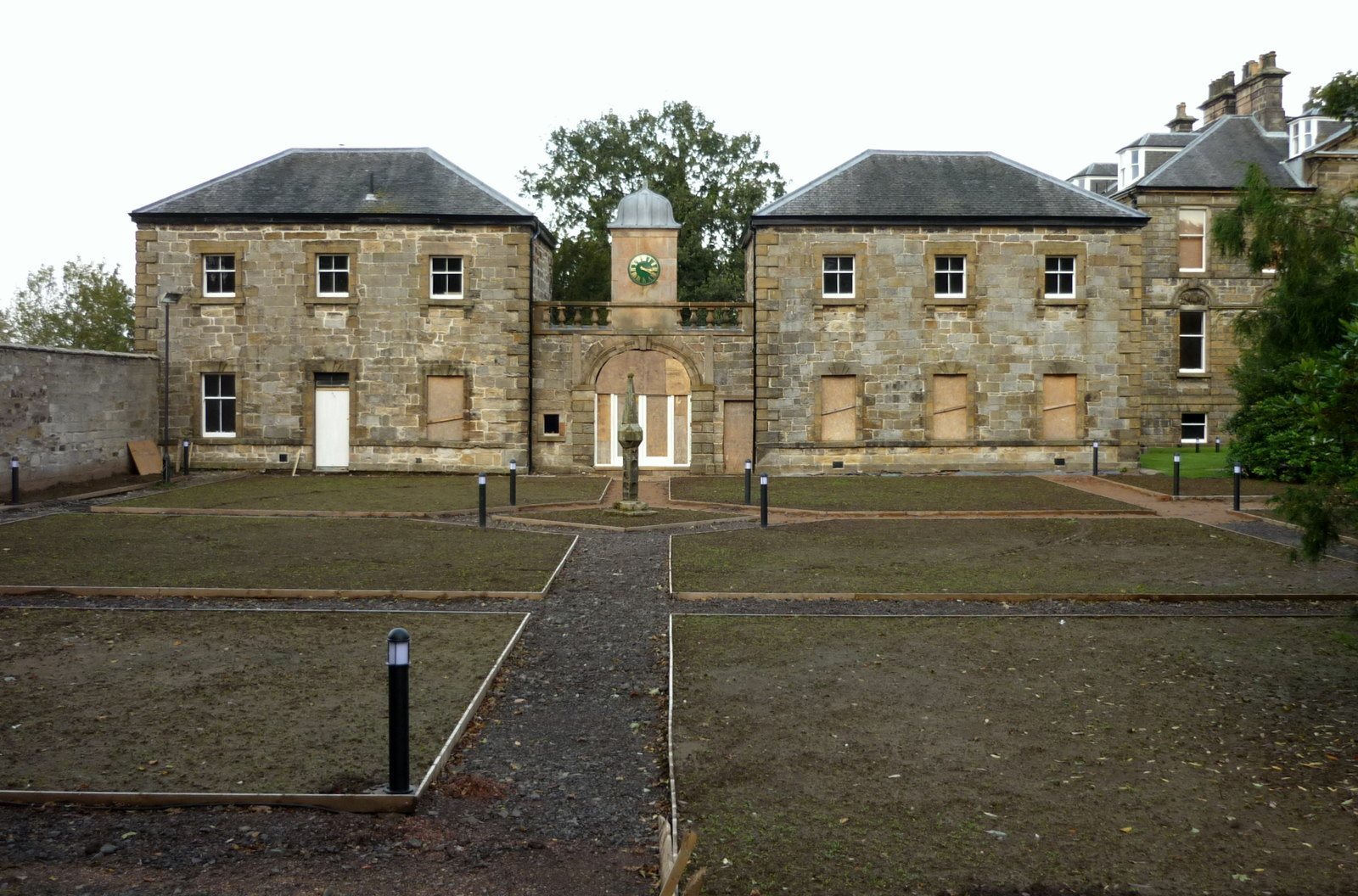
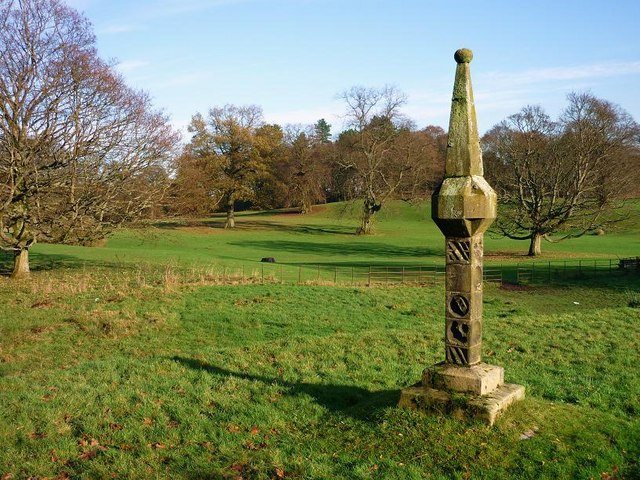
An 1864 map shows a gamekeeper’s cottage, summerhouse, dovecote, and kennels among the grounds’ buildings. The dovecote is the only surviving structure from this group; the others were demolished.
The medieval burgh layout
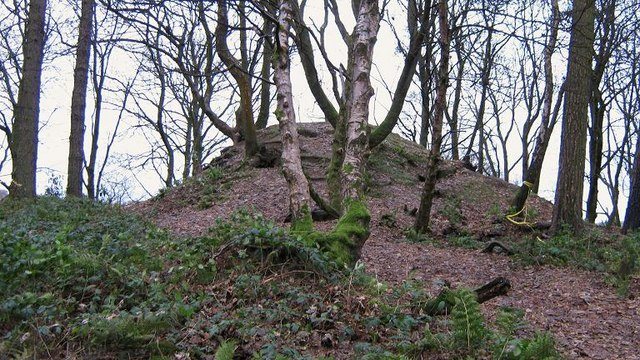
The historic landscape extends from the kirk and manse at Baronhill through the village and its Lang Riggs to the castle site, Comyn Motte, a raised mound associated with medieval fortifications, and nearby lime kilns. Cumbernauld preserves a medieval Scottish burgh, or chartered town, laid out in a herringbone pattern. Its main street follows a ridge between the castle and church, while long, narrow gardens called Lang Riggs extend behind it. The broad central stretch of Main Street accommodated weekly market stalls. These land-rig gardens are among Scotland’s few surviving examples.