Tour de la Babotte: A Medieval Tower and Observatory in Montpellier
Site at a Glance
- Rating
- 4.3
- Popularity
- High
- Country
- France
- Primary era
- Medieval
- Eras represented
- Medieval, Early Modern
- Civilizations
- French
- Site type
- Military
- Remains
- Tower
On this page5 sections
History
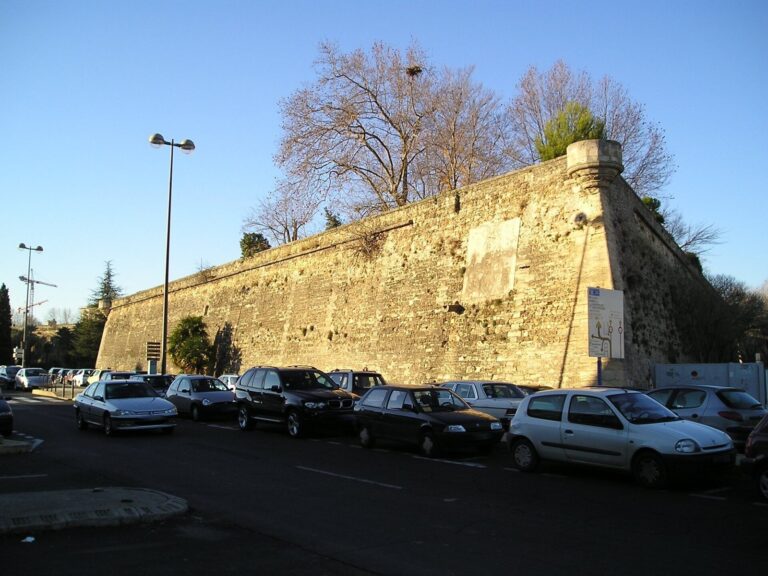
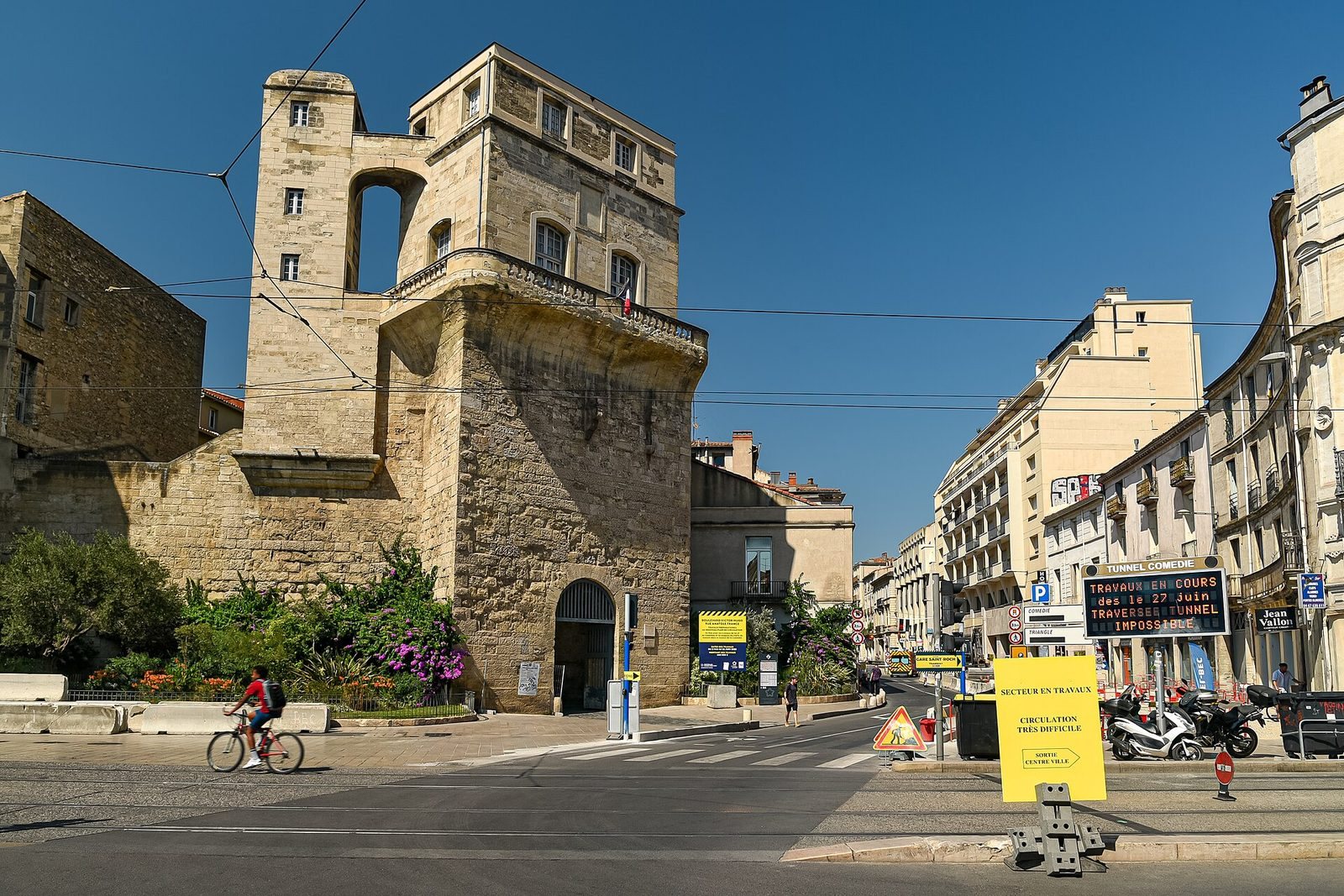
The Tour de la Babotte is a medieval tower in Montpellier, France, built as part of the city’s fortified enclosure from the late 12th to the early 13th century. The enclosure protected the city, and the tower was one of its 25 defensive towers. Its later scientific and communications uses gave the building a long history beyond its original military role.
Observatory and parachute experiments
In 1739, the Royal Academy of Sciences, a learned society supporting scientific inquiry, sought permission to establish an astronomical observatory in the tower. Marshal d’Asfeld, the official responsible for fortifications, approved the request, and work was completed in 1745. The observatory operated until 1793, when the academy was dissolved during the French Revolution, the political upheaval in France that began in 1789.
The tower also became known for experiments by physicist Louis-Sébastien Lenormand. On 23 December 1783, he demonstrated his parachute by jumping from the building. His experiments there also involved animals and heart-shaped weights, and the demonstration drew a crowd that included Joseph Montgolfier, a pioneer of hot-air ballooning.
Telegraph and scientific institutions
A Chappe optical telegraph, which sent messages between stations using movable visual signals, was installed in 1832. It operated for 23 years, until electric telegraphy spread. From 1855 to 1890, the Faculty of Sciences of Montpellier occupied the building and carried out astronomical and meteorological studies there.
After the faculty moved out, the Hérault Pigeon Society used the building and installed pigeon lofts. Astronomers returned to observe from the tower between 1902 and 1922, while the Flammarion Society, an astronomical association, occupied it from 1903 until 1950.
Later uses and protection
In 1927, the tower was classified as a French historic monument, a formal heritage-protection status. Montpellier’s municipality installed a museum of the city’s history in the building in 1950. Since 1981, the Federation of Popular Amateur Astronomy of the Midi has had its headquarters there. The building also houses Montpellier’s Astronomical Society and chess club, formed by the merger of Montpellier-Échecs and Diagonale du Sud. Ownership is shared between the municipality and a private owner. As an astronomical observing site, the tower has code 003 from the Minor Planet Center, which assigns codes to observatories.
Remains
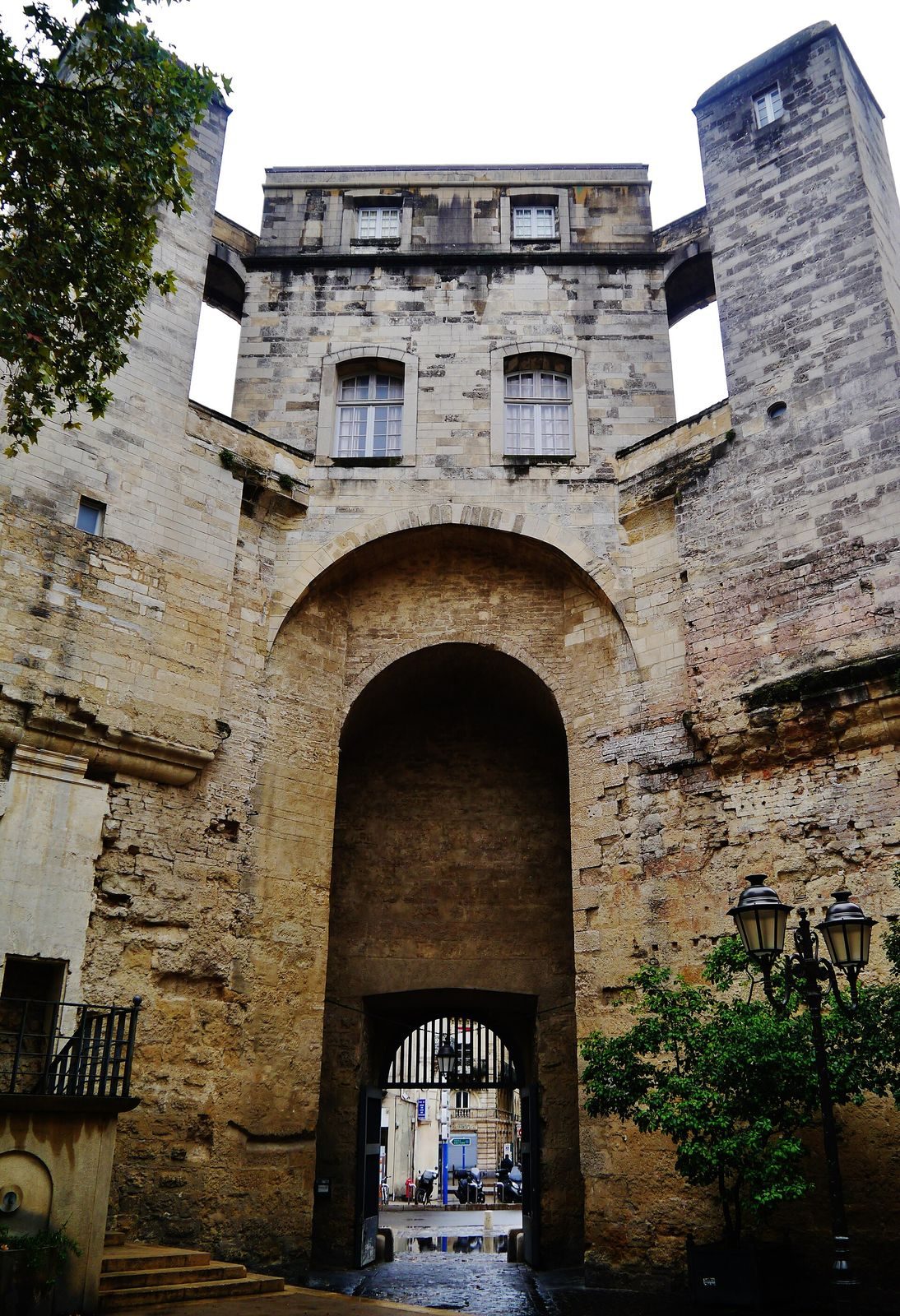
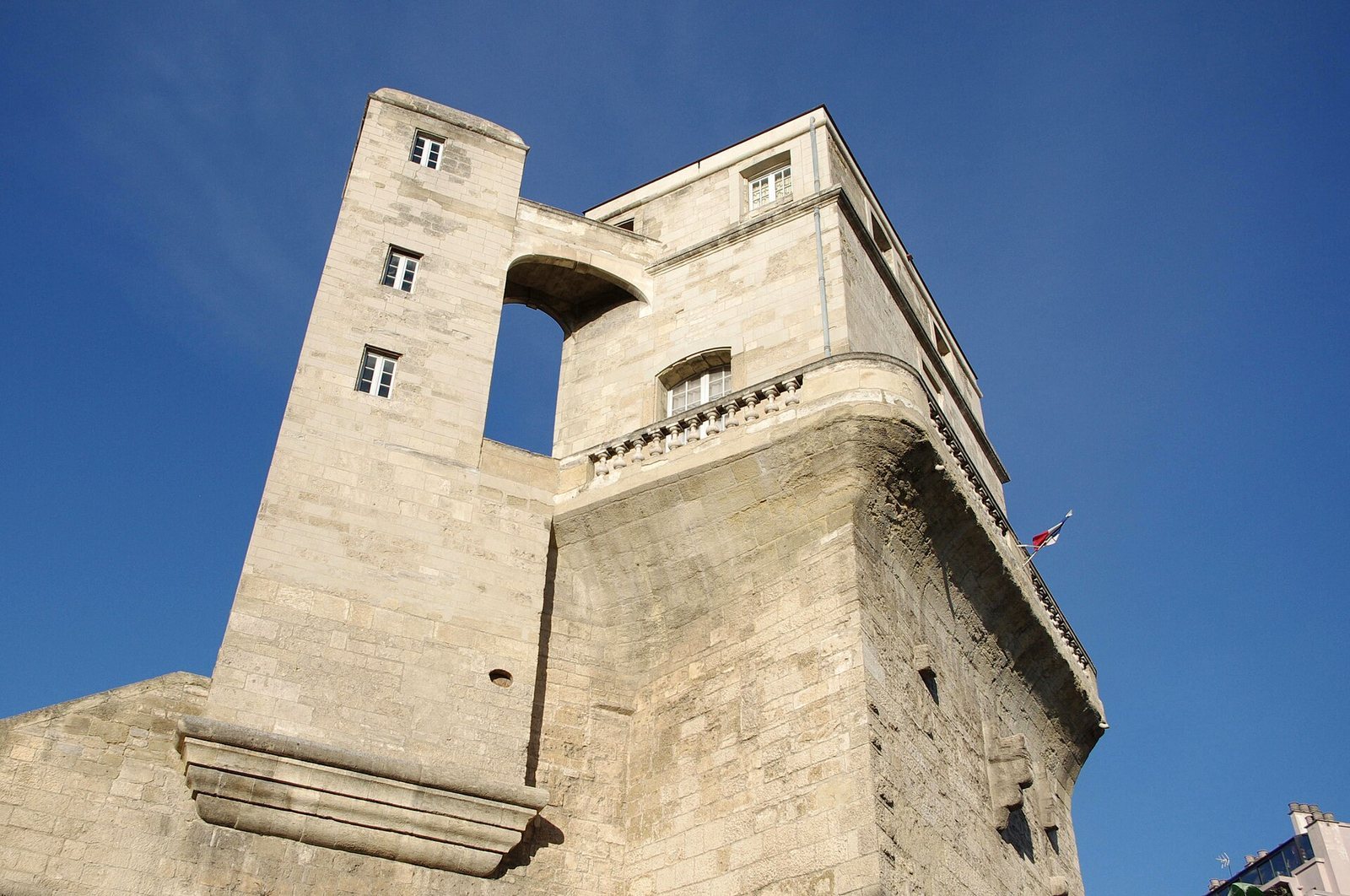
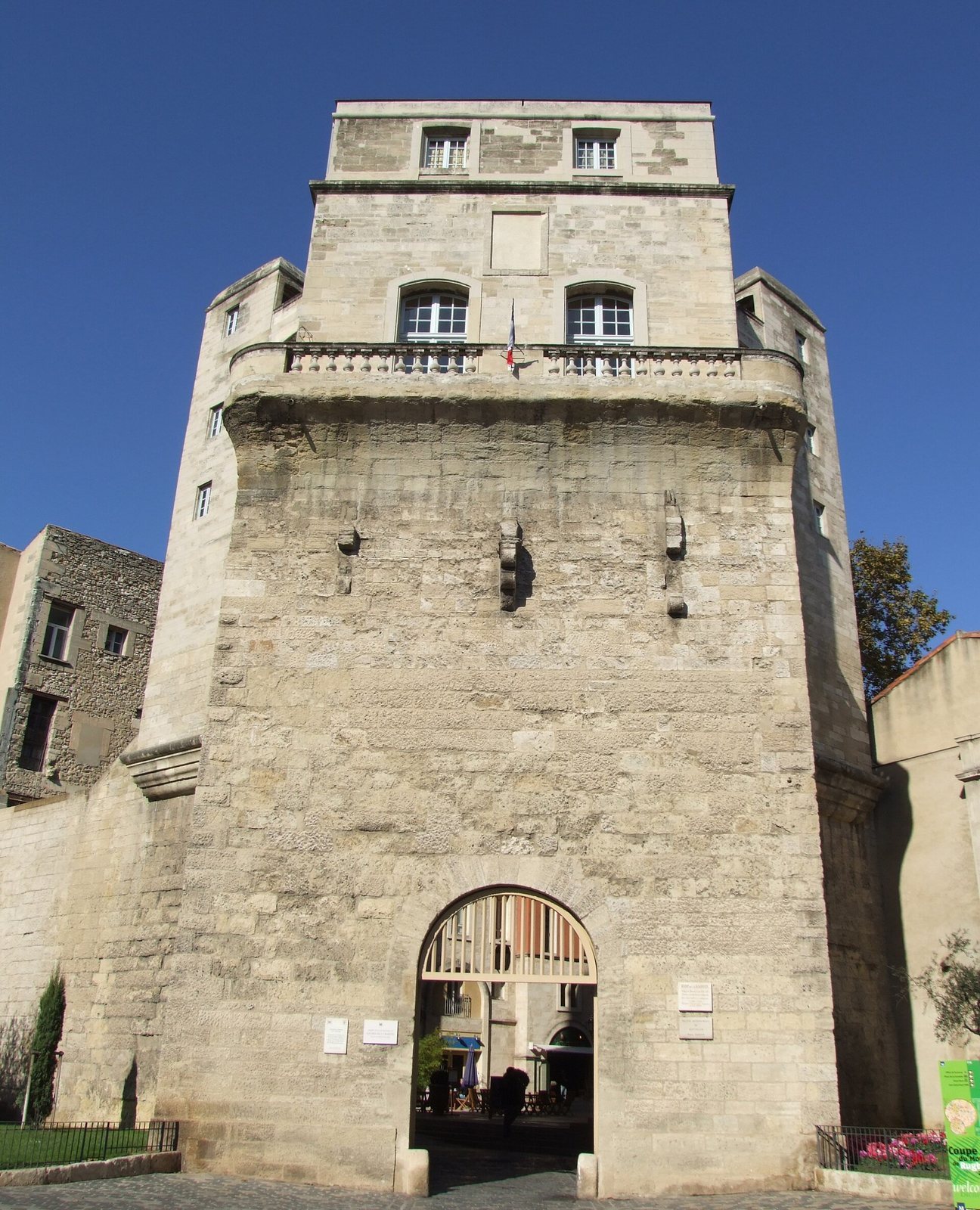
The 26-metre tower survives as part of Montpellier’s medieval enclosure and combines architectural features from more than one period. For its use as an observatory, the tower was raised above the balustrade. A vaulted room on the first floor is 6.9 metres high; during the optical telegraph’s operation, it served as the telegraph director’s lodging. Other surviving parts of the enclosure include the Porte de la Blanquerie, the Porte du Pila Saint Gély, and the Tour des Pins.