St. Mildred’s Church, Whippingham: A Church of England Parish Church
Site at a Glance
- Rating
- 4.6
- Popularity
- Medium
- Country
- United Kingdom
- Primary era
- Modern
- Eras represented
- Modern
- Civilizations
- British
- Site type
- Religious
- Remains
- Church
On this page11 sections
History
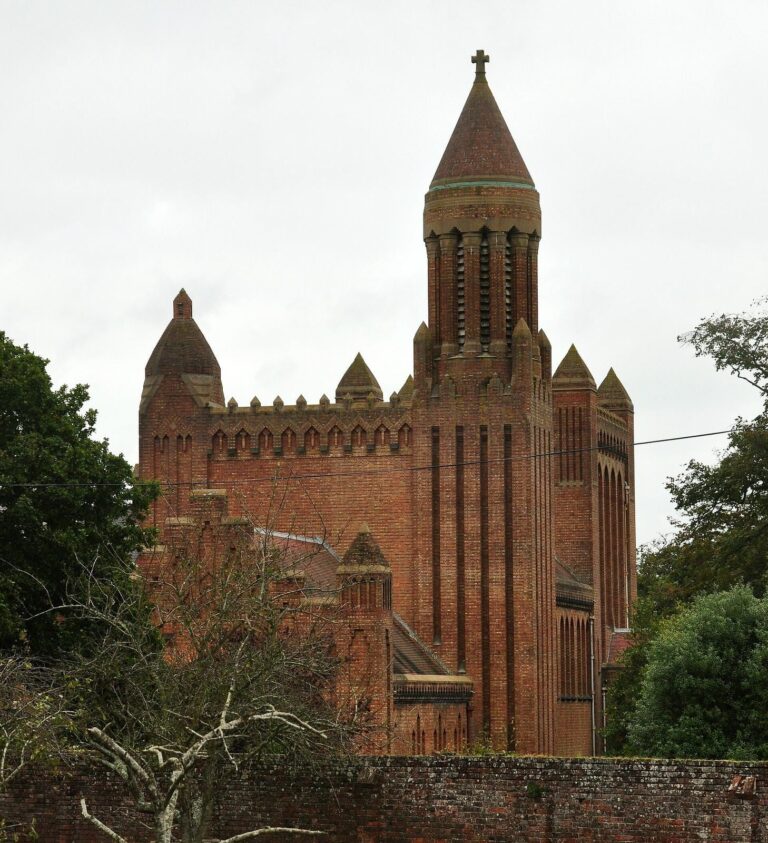
St. Mildred’s Church, Whippingham, is the Church of England parish church serving the village in the United Kingdom. Dedicated to St Mildred, an Anglo-Saxon Christian abbess and saint, it is closely connected with the royal estate at Whippingham and Queen Victoria’s household.
The earlier church and Hessian soldiers
A medieval parish church once stood on the site. In the 1790s, Hessian soldiers who had fought under the British flag were sent to the Isle of Wight as invalids. Soldiers of the Musketeer Regiment Prinz Carl were housed in the newly built Whippingham mill, which temporarily served as a barracks and hospital.
Nineteenth-century rebuilding
John Nash reconstructed the church in 1804 on the site of the medieval building. That church was later demolished and replaced. Albert Jenkins Humbert built the chancel in 1854-55, with Prince Albert thought to have guided its design. The rest of the church was constructed in 1861-62, and Prince Albert took an active part in its redesign.
Royal connections and later remembrance
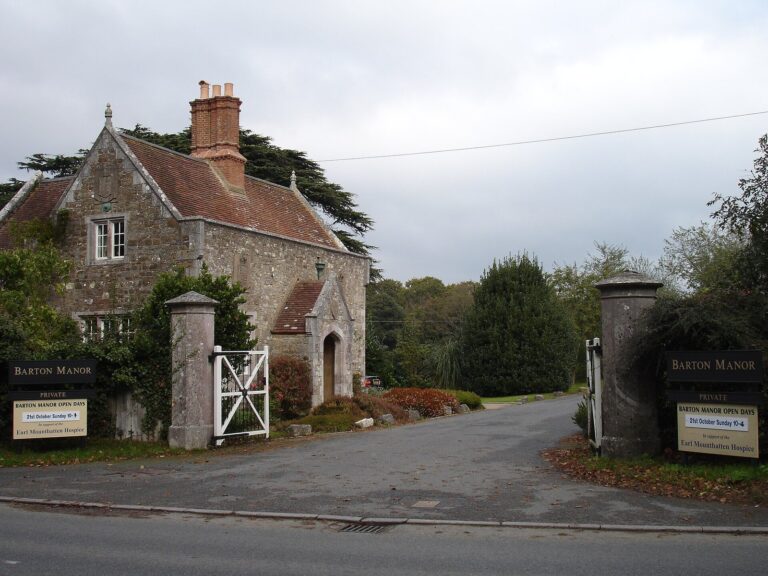
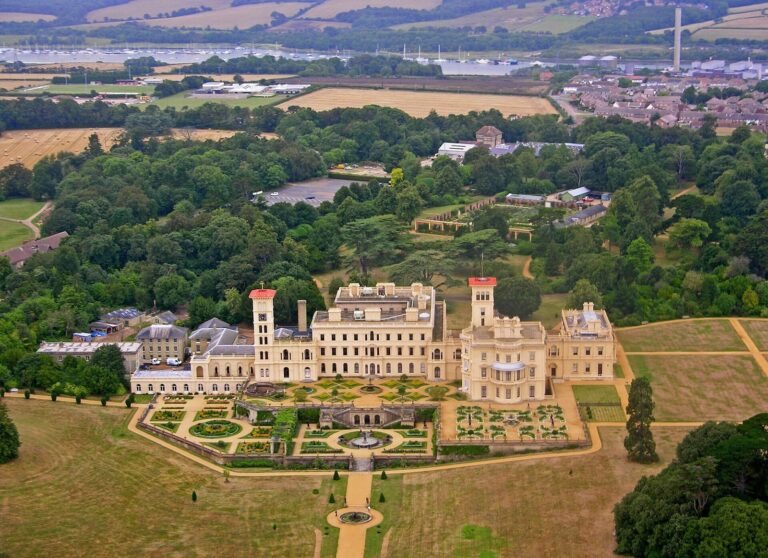
Whippingham was the centre of a royal estate that supported Osborne House and Barton Manor. Queen Victoria took a particular interest in the village and its people. In 1906, the Landgrave of Hesse, a title for a territorial ruler in parts of the German lands, unveiled a memorial to the Hessian soldiers.
The church belongs to the Province of Canterbury and the Diocese of Portsmouth, and falls within the Isle of Wight archdeaconry and deanery. It now shares an incumbent with St James’s Church, East Cowes, through a united benefice, an arrangement in which parishes are served by one incumbent.
Remains
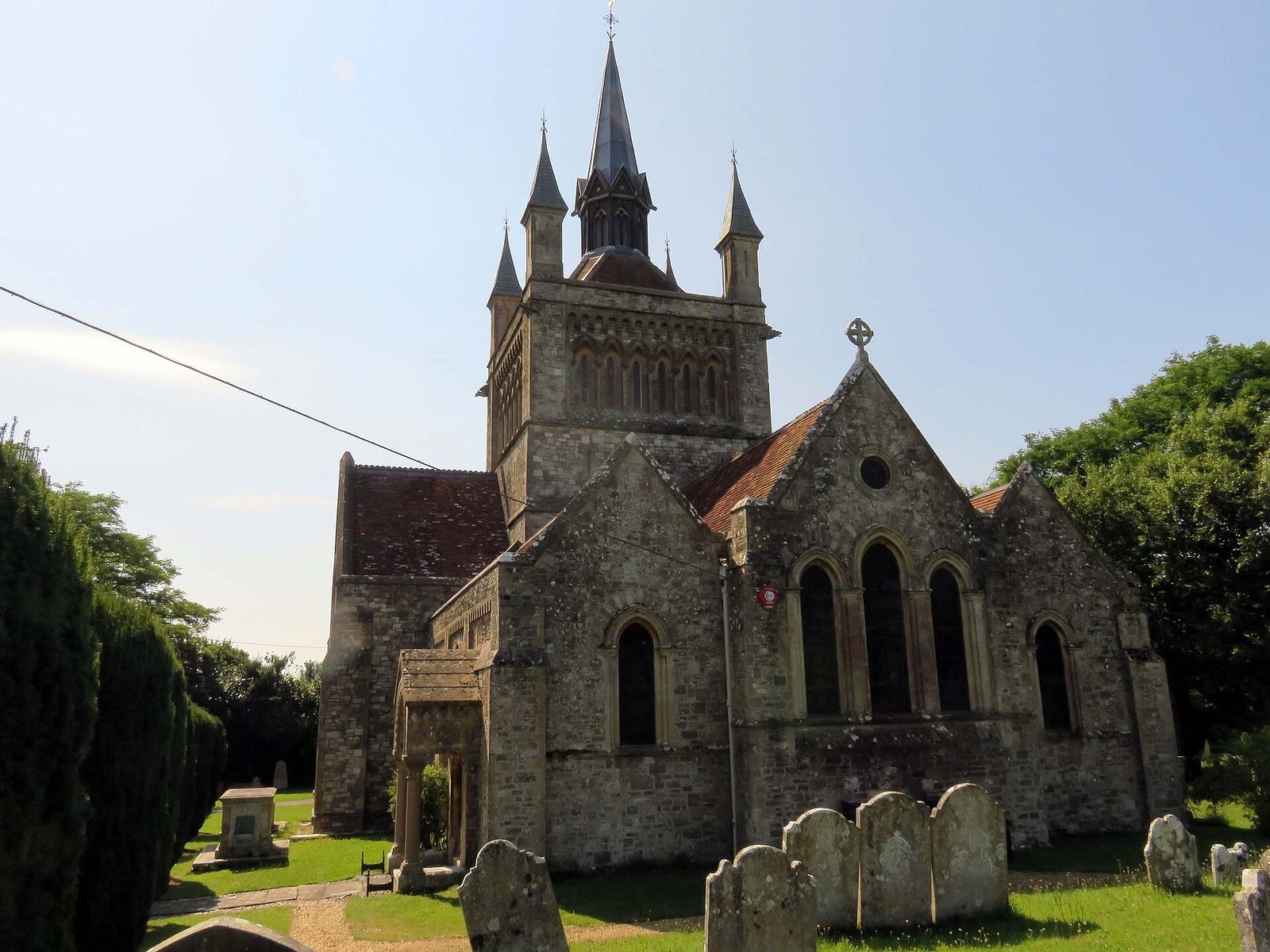
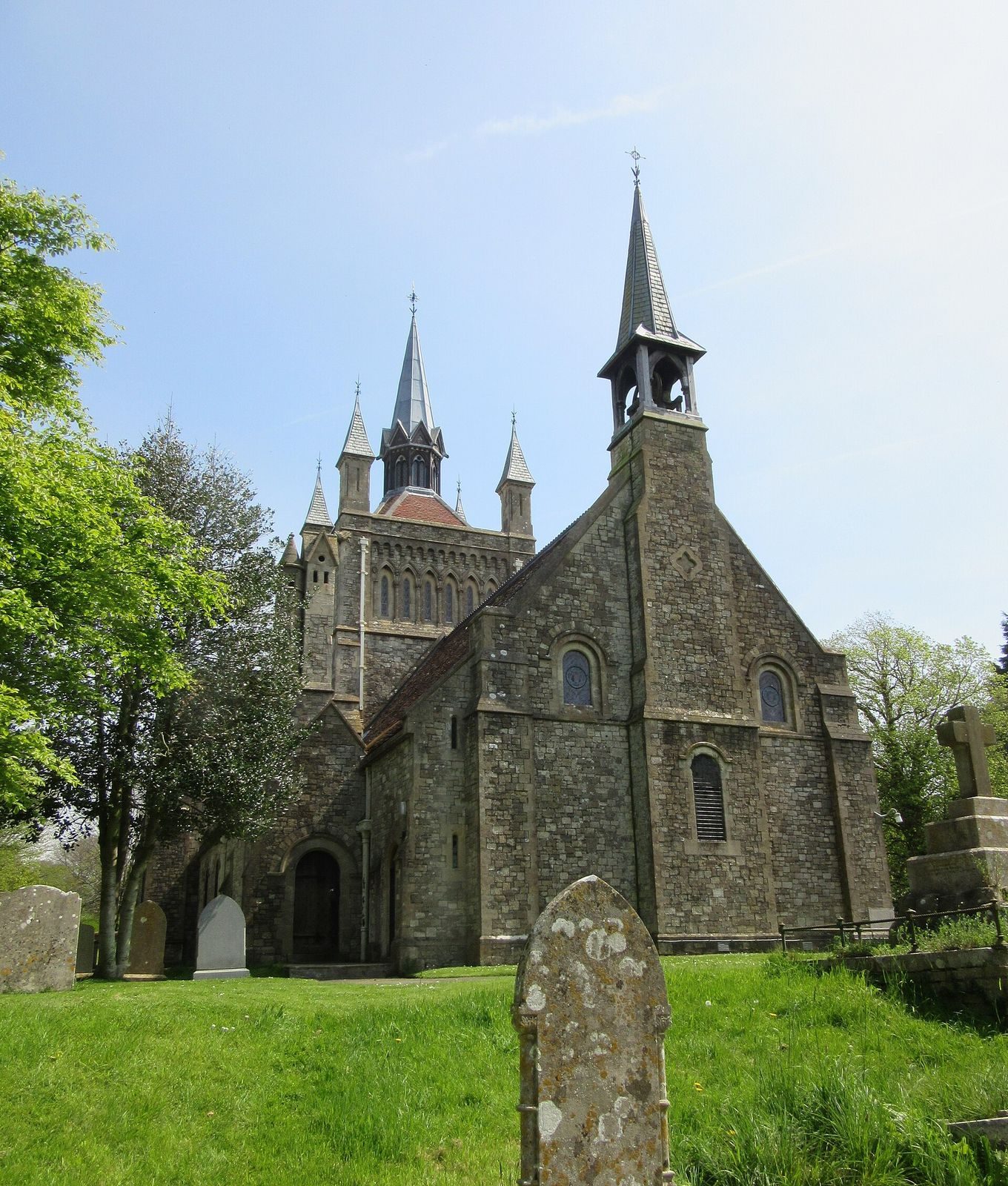
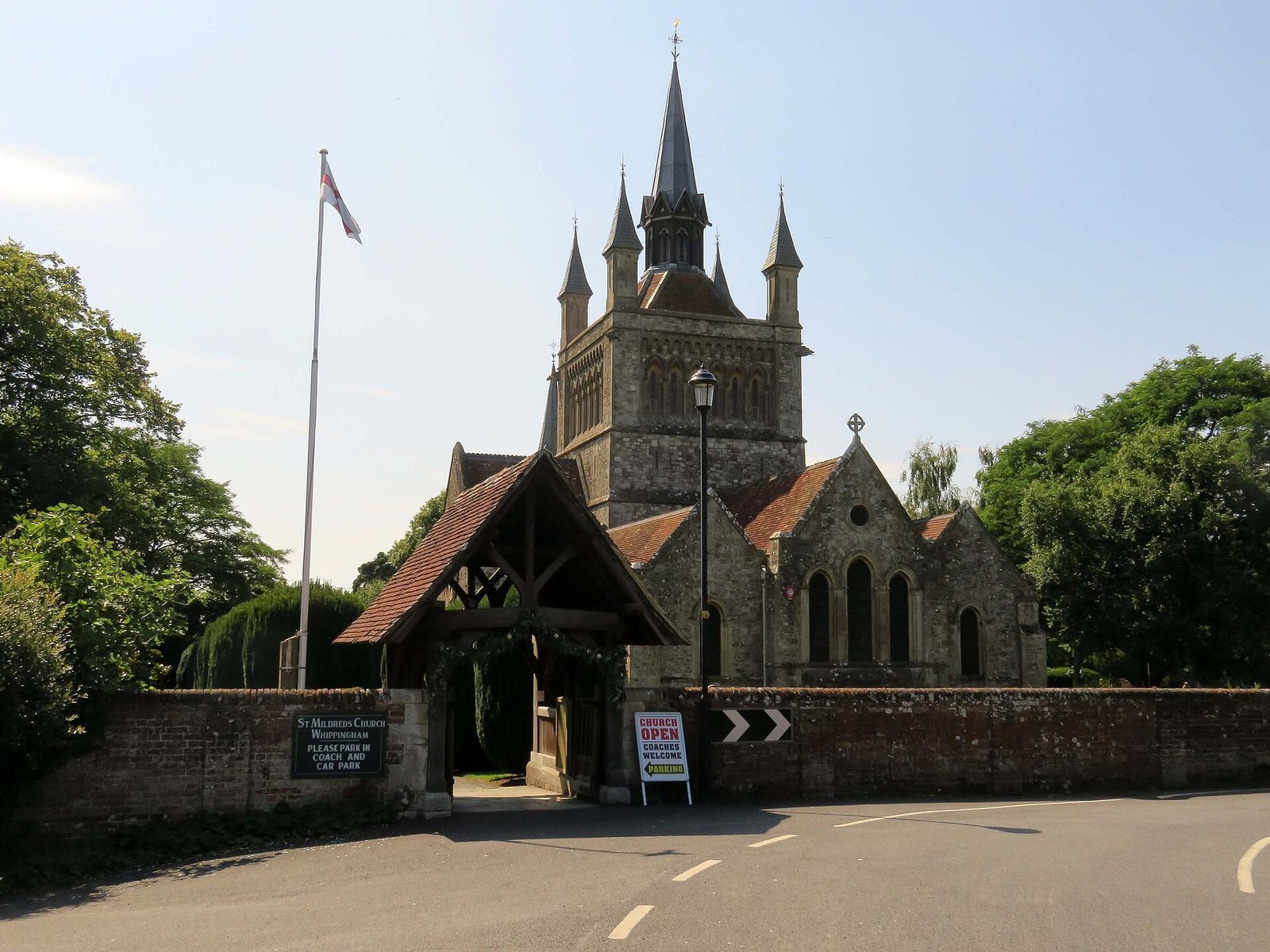
The church’s layout includes a chancel, north and south transepts, which are crosswise sections, and the Battenberg Chapel. Its tower resembles a castle on the Rhine and has five tall pinnacles. Inside are rose windows and a large central octagonal lantern, a roofed structure that admits light.
Building and interior
The church contains a Father Willis organ. Its chancel holds a Queen Victoria reredos, a decorative panel behind the altar, presented by King Edward VII.
Interior memorials
North transept
A bronze work by Lady Feodora Gleichen commemorates Sir Henry Ponsonby, Queen Victoria’s private secretary and equerry, and Keeper of the Privy Purse. Other memorials in the transept honour Lord Henry Seymour-Conway, second son of the 1st Marquess of Hertford; William Arnold, a customs collector who died in 1801 and father of Rugby School headmaster Thomas Arnold; and the Reverend Matthew Arnold, a Corpus Christi College, Oxford fellow and Forces chaplain who drowned aged 35.
South transept and memorial walls
The south transept contains a memorial to Prince Henry of Battenberg, a brass lectern and a memorial to Canon Prothero (1818-1894), who served as chaplain to the Queen, Canon of Westminster, Deputy Clerk of the Closet and rector of Whippingham. A memorial to Albert, Prince Consort, is on the west wall. The south wall commemorates Princess Alice of the United Kingdom, Prince Leopold, Duke of Albany, Prince Sigismund of Prussia (1864-1866) and Prince Waldemar of Prussia (1868-1879).
Battenberg Chapel
The chapel holds a double sarcophagus, a paired tomb, for Princess Beatrice and Prince Henry of Battenberg. Made of white marble, it is adorned with a cast-iron sword. A brass casket containing the ashes of the 1st Marquess of Carisbrooke occupies a niche above his parents’ tomb. The chapel also contains the ashes of the Marchioness of Carisbrooke, Lady Iris Mountbatten and the 3rd Marquess of Milford Haven.
Churchyard
The churchyard contains the graves of Prince Louis of Battenberg and his wife, Princess Victoria, and of yachtsman and designer Uffa Fox. It also holds seven Commonwealth service war graves, four from the First World War and three from the Second World War, along with the graves of 84 Hessian soldiers.