Church of St Michael and All Angels in Hathersage: A 14th-Century Parish Church
Site at a Glance
- Rating
- 4.8
- Popularity
- Medium
- Country
- United Kingdom
- Primary era
- Medieval
- Eras represented
- Medieval, Early Modern, Modern
- Civilizations
- British, English
- Site type
- Religious
- Remains
- Church
On this page15 sections
History
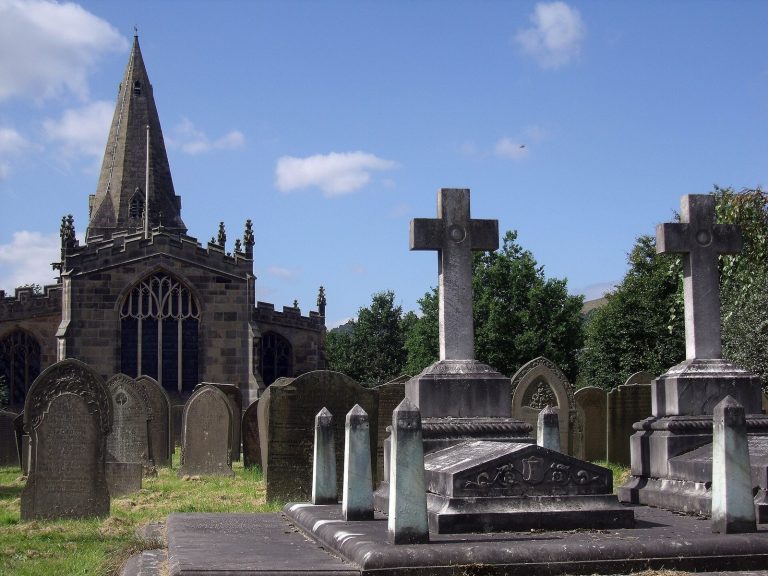
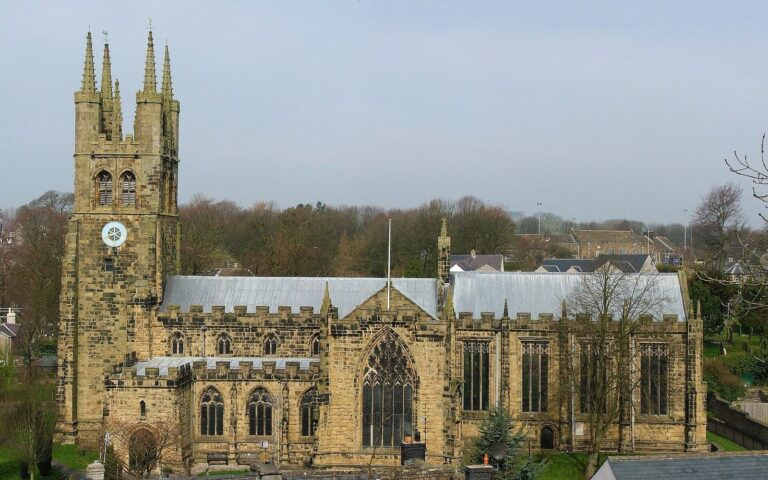
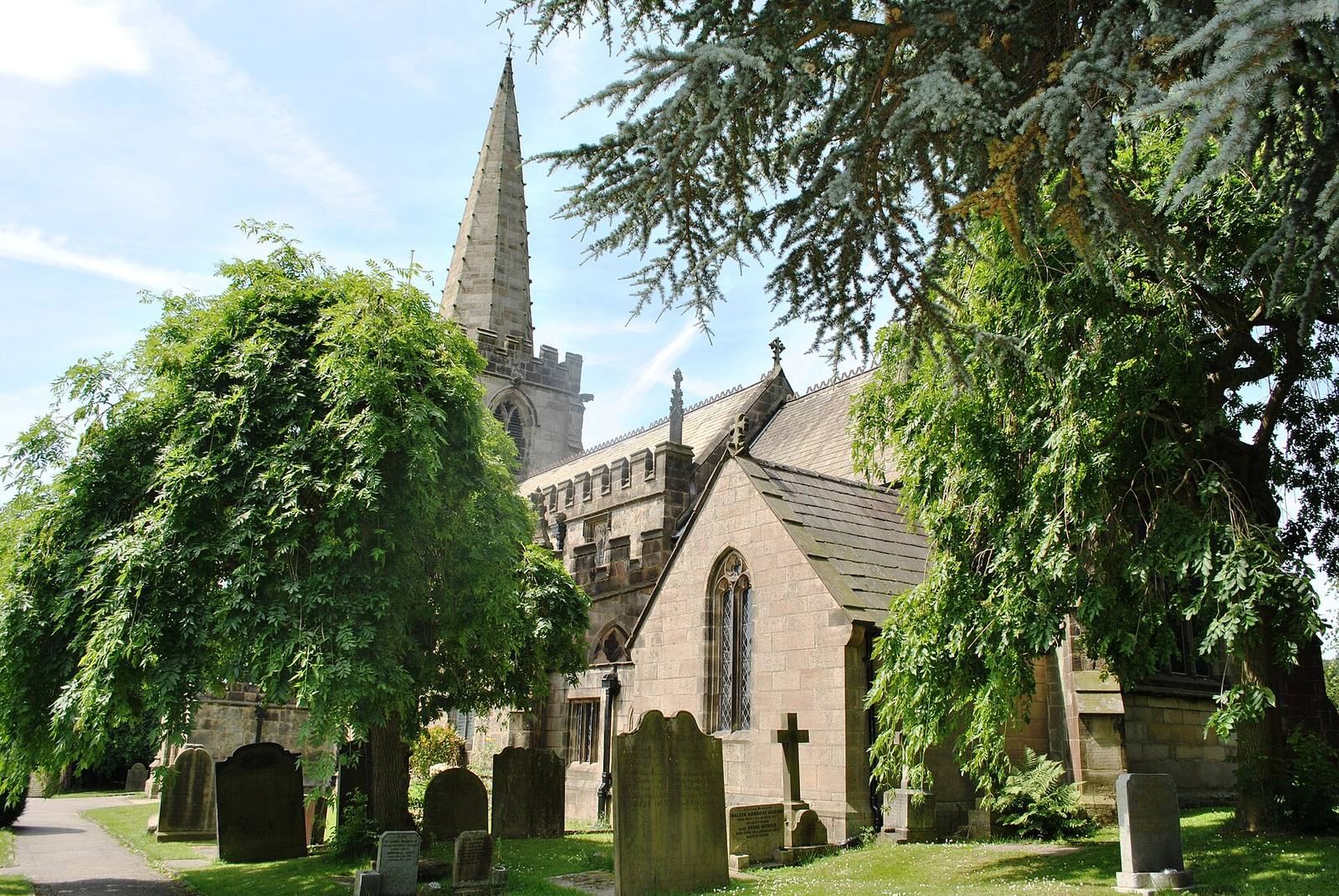
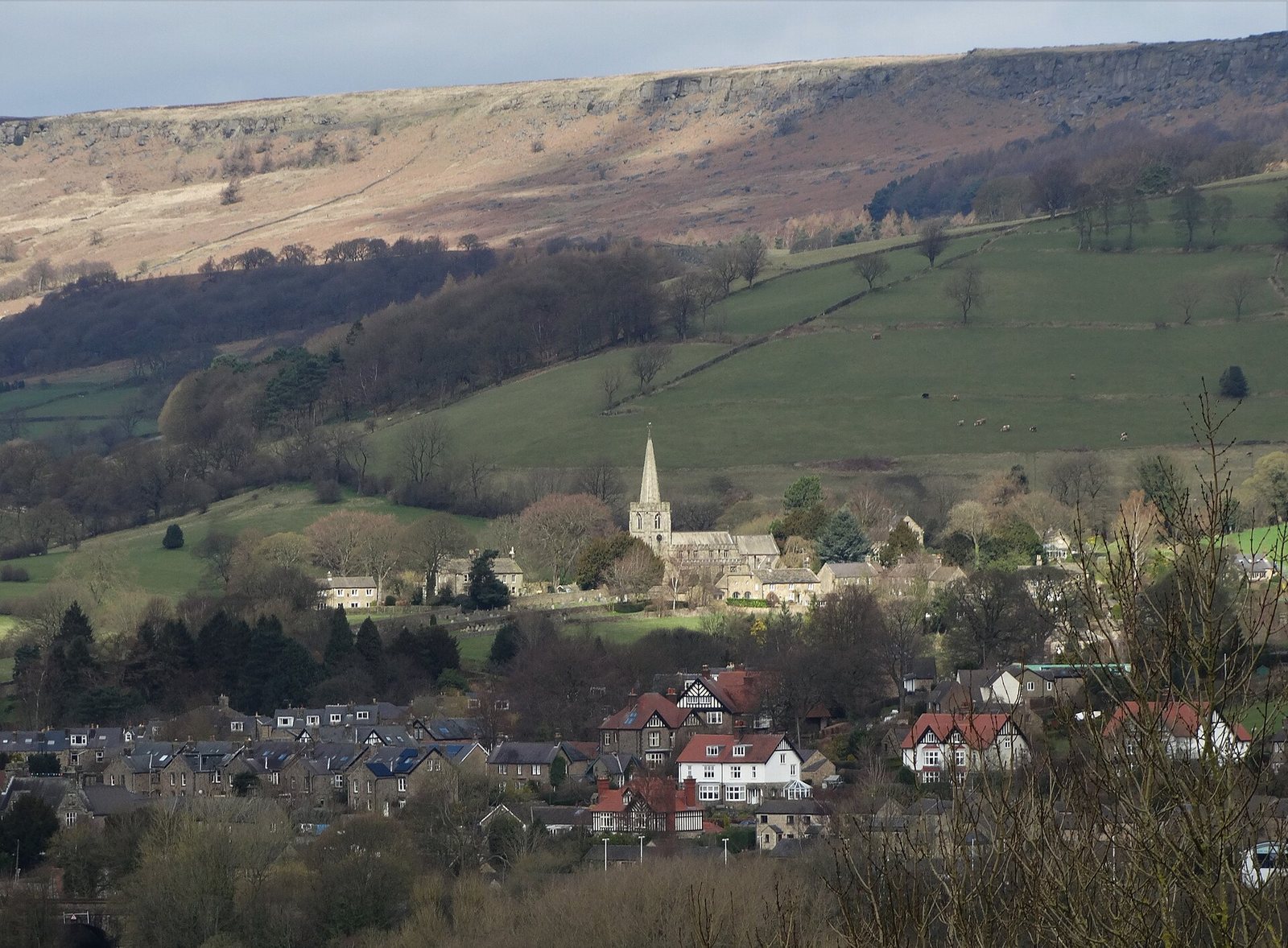
The Church of St Michael and All Angels in Hathersage is a Church of England parish church in Derbyshire, United Kingdom. Founded in 1350, it is dedicated to St Michael, an archangel in Christian tradition, and to the angels. Its administration falls within the Diocese of Derby, the area overseen by a bishop, and its subdivisions, the Archdeaconry of Chesterfield and Deanery of Peak. The church is Grade I listed, England’s highest category of listed-building protection.
Nineteenth-century restoration
William Butterfield directed a major restoration in 1851–52. Associated with the Gothic Revival, a movement that revived medieval Gothic forms, he oversaw work that changed the building’s fabric and fittings. The restored church reopened on 15 April 1852.
Later changes and parish life
Extensions were added in 1949, alongside work to improve the building’s protection from water. In 2014, the church entered a joint parish with St John the Baptist’s Church, Bamford and Derwent. The arrangement followed financial hardship and was intended to help all three churches continue.
Remains
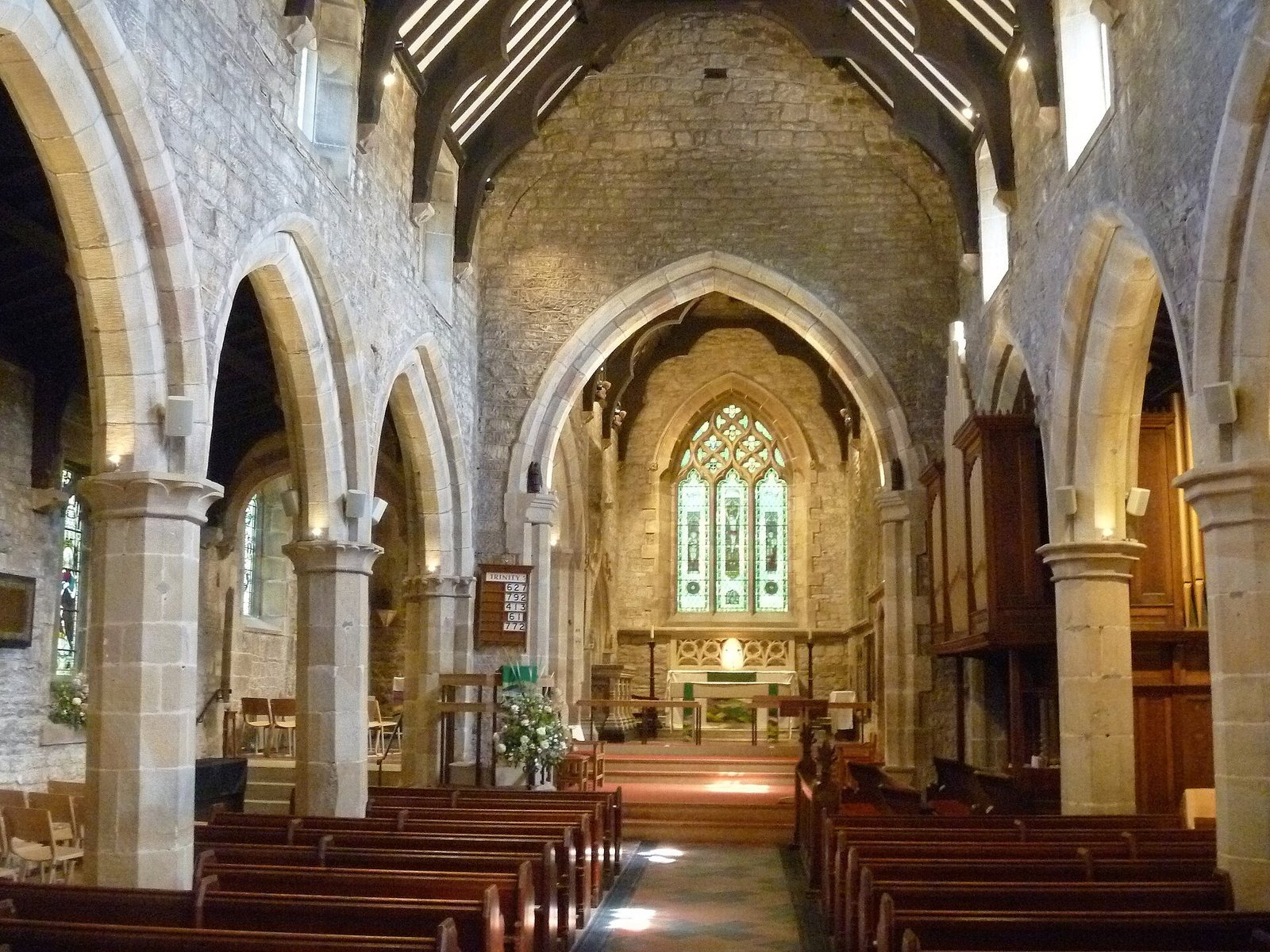
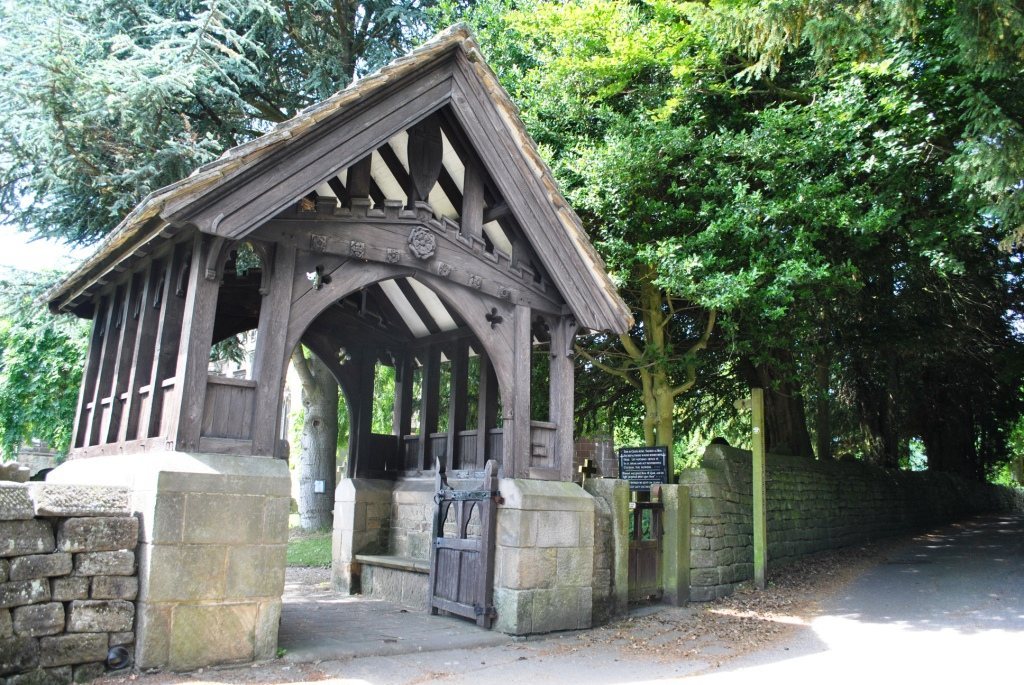
The church includes a chancel, the area near the altar traditionally reserved for clergy and choir, and a tower. Its physical features also include the churchyard, interior memorials and fittings, and fabric altered during successive repairs.
Church fabric and glazing
Butterfield’s restoration
Before the 1851–52 restoration, the walls were whitewashed. Workers removed the coating, renewed the outer pillars and buttresses, and replaced the seating with open seats. They also laid Minton encaustic tiles, whose patterns are formed from colored clay inlaid into the tile surface.
Later repairs
Work in 1949 included new lining for the gutters and plugs of hard igneous rock set into the building to improve its resistance to water.
Stained glass
William Wailes of Newcastle made a stained-glass window installed at the east end of the chancel during Butterfield’s restoration. The church also holds a window designed by Charles Kempe, transferred from Derwent Chapel before the chapel was submerged beneath Ladybower Reservoir.
Tower and clock
Bells
The tower contains six bells, the oldest dating to about 1520. A separate sanctus bell, used during Christian worship, dates to about 1499.
Clock
John Smith made the clock, which was installed in 1879. George H. Camwell of Brookfield Manor provided it in memory of his father. Its single dial measures 5 feet (1.5 m) across. A pin-wheel deadbeat escapement, a mechanism that regulates a clock’s movement, drove a compensating pendulum designed to reduce changes in timekeeping. The pendulum had a 130-pound (59 kg) weight.
Interior and churchyard
Memorials
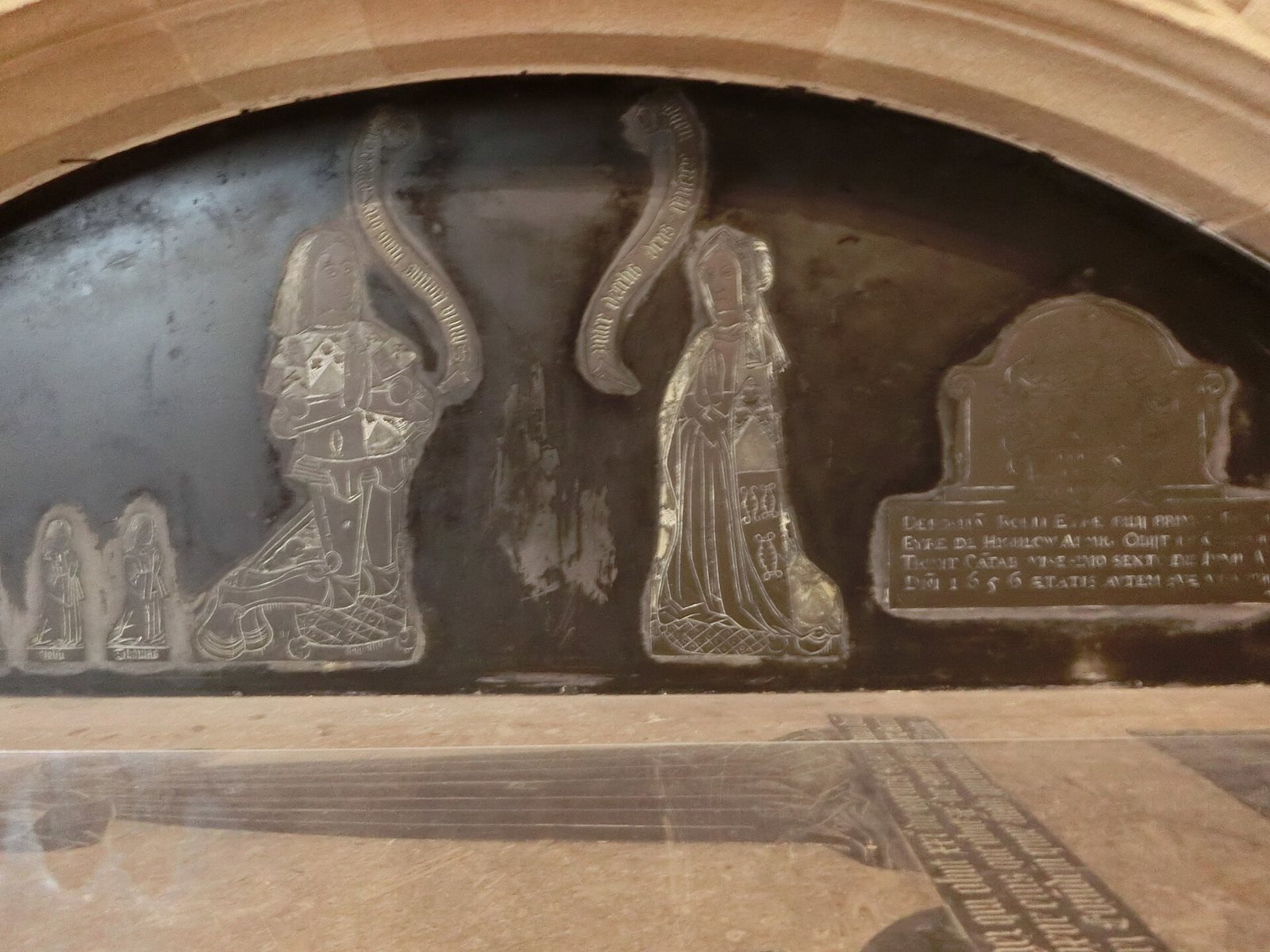
Memorials commemorate Robert Eyre, who died in 1459, and his wife Joan; Radulph Eyre, who died in 1493, and his wife Elizabeth; and Sir Arthur Eyre, who died in 1560.
Pipe organ
James Jepson Binns made the church’s pipe organ. Gilbert Sellers moved it there in 1981 from Wadsley Bridge Methodist Church in Sheffield.
Churchyard grave tradition
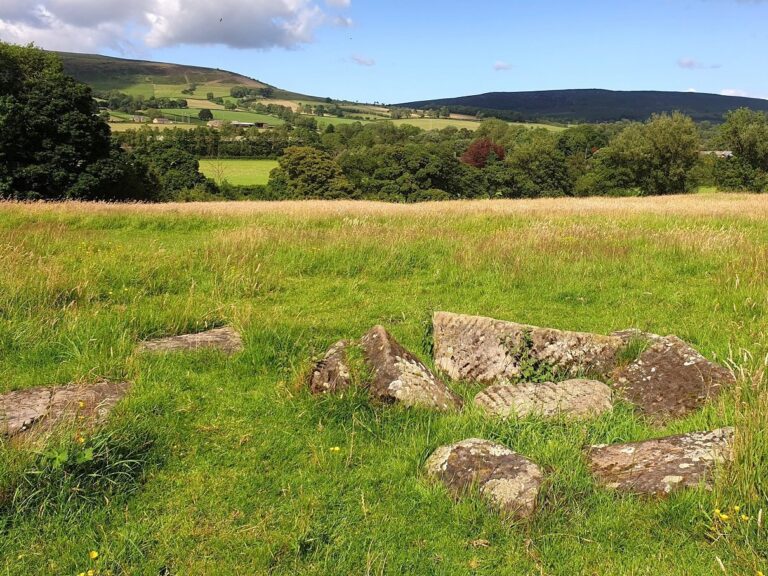
Stones in the churchyard mark a grave traditionally attributed to Little John, a legendary figure in the Robin Hood tradition. In 1780, James Shuttleworth claimed to have found a thigh bone at the grave. The bone measured 72.39 cm (28.50 inches); if it belonged to Little John, it would suggest a height of about 2.46 m (8.08 ft).