Kloster Engelthal: A Dominican Nunnery in Bavaria
Site at a Glance
- Popularity
- Medium
- Country
- Germany
- Primary era
- Medieval
- Eras represented
- Medieval
- Civilizations
- Holy Roman Empire
- Site type
- Religious
- Remains
- Monastery
On this page7 sections
History
Foundation and growth
Kloster Engelthal was a monastery of Dominican nuns in Engelthal, Bavaria, Germany, formally founded in 1244 and incorporated into the Dominican Order in 1248. Its beginnings followed a dispute between imperial and papal authority. In 1240, Eichstätt Bishop Friedrich II of Parsberg imposed excommunication, which excluded a person or community from full participation in the Church, and an interdict, which restricted religious rites, on imperial-loyal Nuremberg. Beguines, women who formed religious communities but generally did not take monastic vows, were forced to leave the city and seek refuge nearby.
The imperial ministerial Ulrich II of Königstein, a member of a medieval service elite, sheltered the women in Engelschalkesdorf. In 1243 he transferred properties in Swina, also called Schweinach, to them, giving the community an economic foundation. The name Engethal was used for the place where this grant was made. Under chaplain Ulschalk of Vilseck, work began on a church dedicated to the Virgin Mary and John the Baptist. In June 1244, Bishop Friedrich II formally established the monastery and confirmed its observance of the Rule of Saint Augustine, guidelines for religious communities, alongside the statutes of the Dominican nuns of Saint Sixtus in Rome. Dietmund of Gaylenhausen became its first elected prioress, the woman who led the house.
Further gifts from Ulrich’s family and other local elite families expanded the monastery’s holdings. By about 1300 it owned 175 farms and estates across 54 settlements, and roughly fifty years later it held another 70. This made Engelthal the region’s most important manorial lordship, a form of authority over estates and dependent holdings, and accompanied a period of spiritual growth.
Christine Ebner and the literary community
Christine Ebner lived at Engelthal from 1289 to 1356 and became a notable writer of fourteenth-century Christian mysticism, writing about religious experience and perceived encounters with God. At the Dominican Konrad of Füssen’s urging, the sisters began recording her experiences of divine grace in 1317. In Von der genaden uberlast, Christine also described spiritual experiences of other nuns. Engelthal developed a wide-ranging German-language body of writing about revelations and divine grace, with works drawing on shared material and influencing one another.
Other works associated with the community include a spiritual biography of chaplain Friedrich Sunder, a life of Sister Gerdrut of Engelthal preserved only in part, and writings by Adelheid Langmann. After 1330, Langmann recorded revelations that were later shaped into a spiritual biography, a life narrative focused on religious experience. Der Minnespiegel may also have been composed at Engelthal. Dominican mystical sermons were present at the monastery around 1325, and the community may have known Lamprecht of Regensburg’s Tochter Syon, Cistercian devotional writing, and works from Helfta. Heinrich of Nördlingen later brought Mechthild of Magdeburg’s The Flowing Light of the Godhead to Engelthal. A library catalogue from 1447 provides evidence of the community’s intellectual interests.
Territorial changes and reform
Emperor Charles IV visited Engelthal around 1350. In 1353 the monastery’s territory became part of New Bohemia, a designation associated with Charles’s Bohemian possessions. After the territory was sold, Engelthal came under Wittelsbach rule in 1373. Following the War of the Landshut Succession, a Bavarian dynastic conflict, the monastery was assigned to Nuremberg in 1504 as compensation for the city’s wartime losses.
In the early sixteenth century, Engelthal faced demands for reform amid accusations of declining discipline, including claims that nuns had borne children. A 1512 visitation by Schmid, a Dominican prior from Augsburg, proposed moderate changes, but they did not take hold and the enclosed quarters were soon reopened. With papal backing, Dominican Master General Thomas Cajetan ordered a stricter reform. Prioress Margarethe Kürmreuther and subprioress Martha Kürmreuther were removed and replaced by Barbara Tucher and Brigitte Haller, women of Nuremberg’s patrician elite. In 1515, Nuremberg appointed an administrator to supervise the monastery’s finances.
Dissolution
After Nuremberg adopted Protestantism in the 1520s, its council resolved to dissolve the monasteries in its territory. Existing nuns could remain for life, but the community could admit no new novices, people beginning religious training. During the Second Margrave War, a mid-sixteenth-century conflict in the Holy Roman Empire, troops burned Engelthal in 1552. The convent was dissolved in July 1565, and its 327 farms and estates passed fully to Nuremberg. The city organized them into the Engelthal administrative district, or bailiwick, under an appointed official. The monastery church became a Protestant parish church dedicated to Saint John the Baptist.
Remains
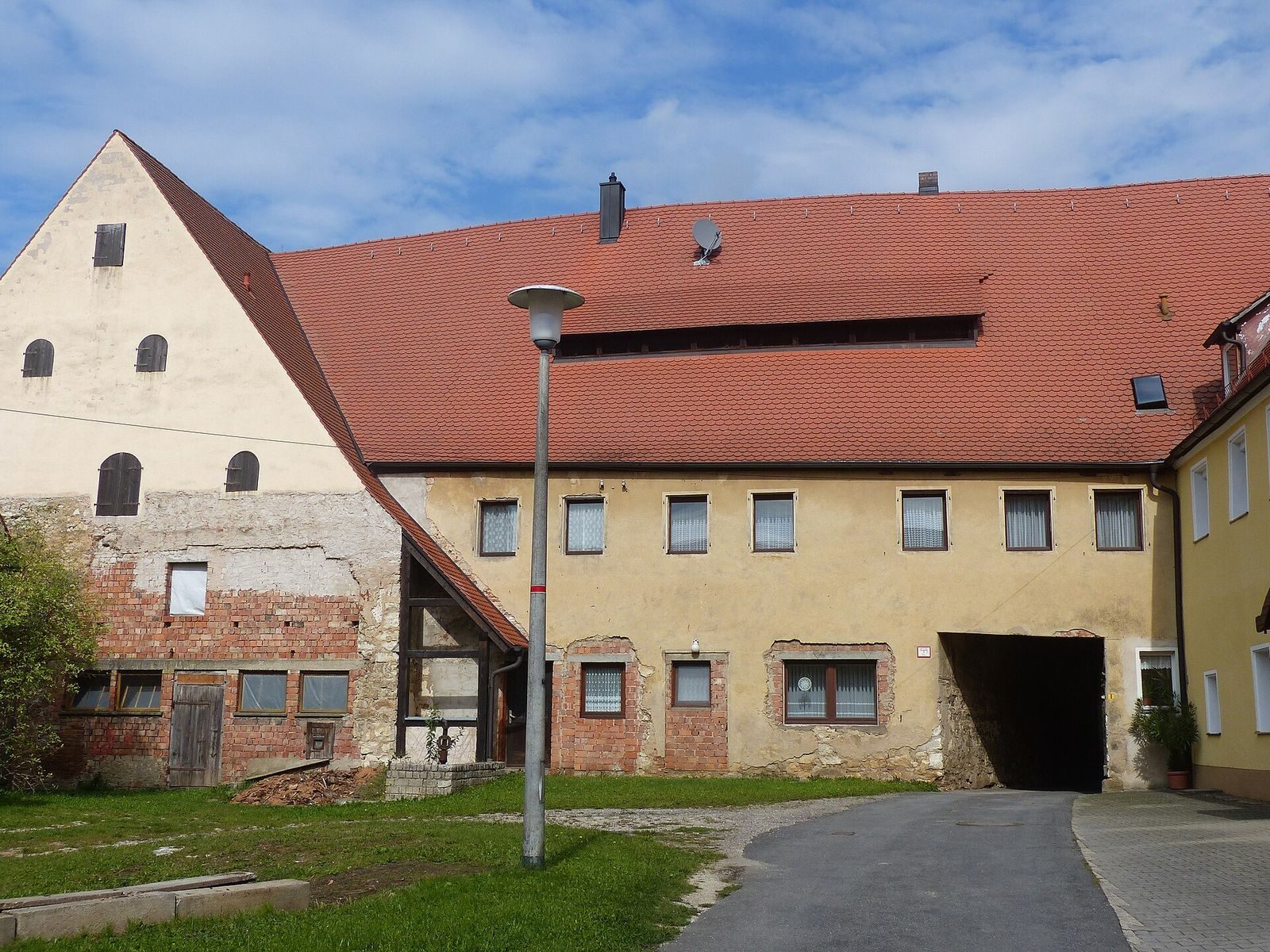
Monastery buildings and boundary
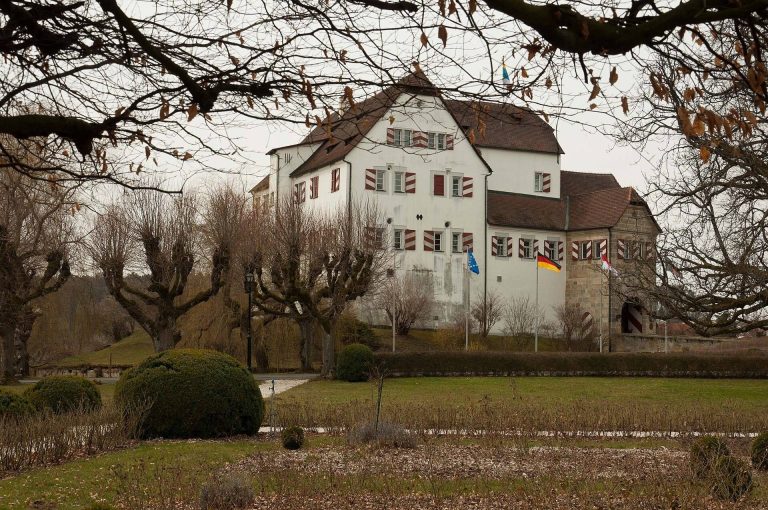
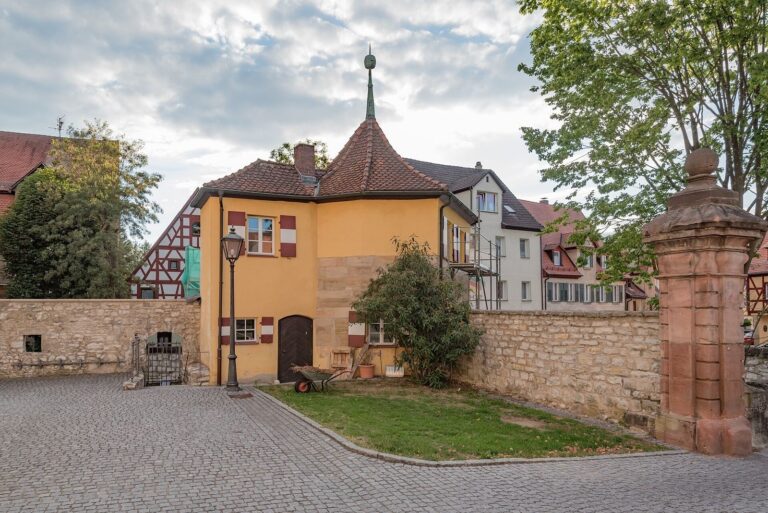
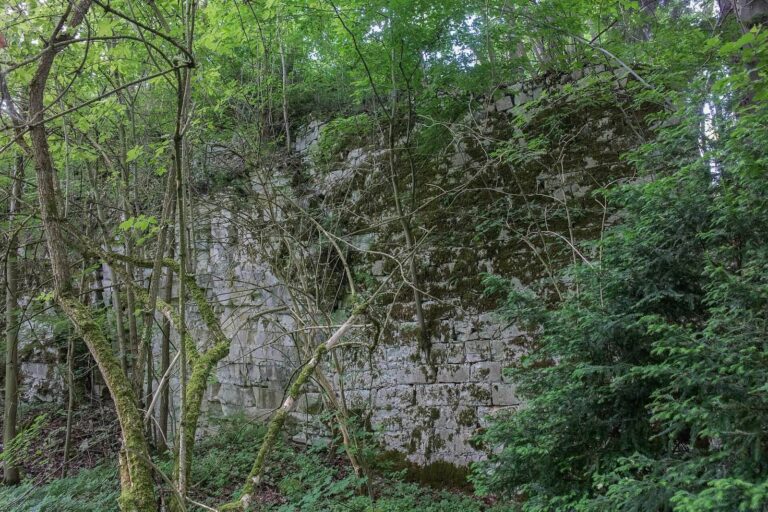
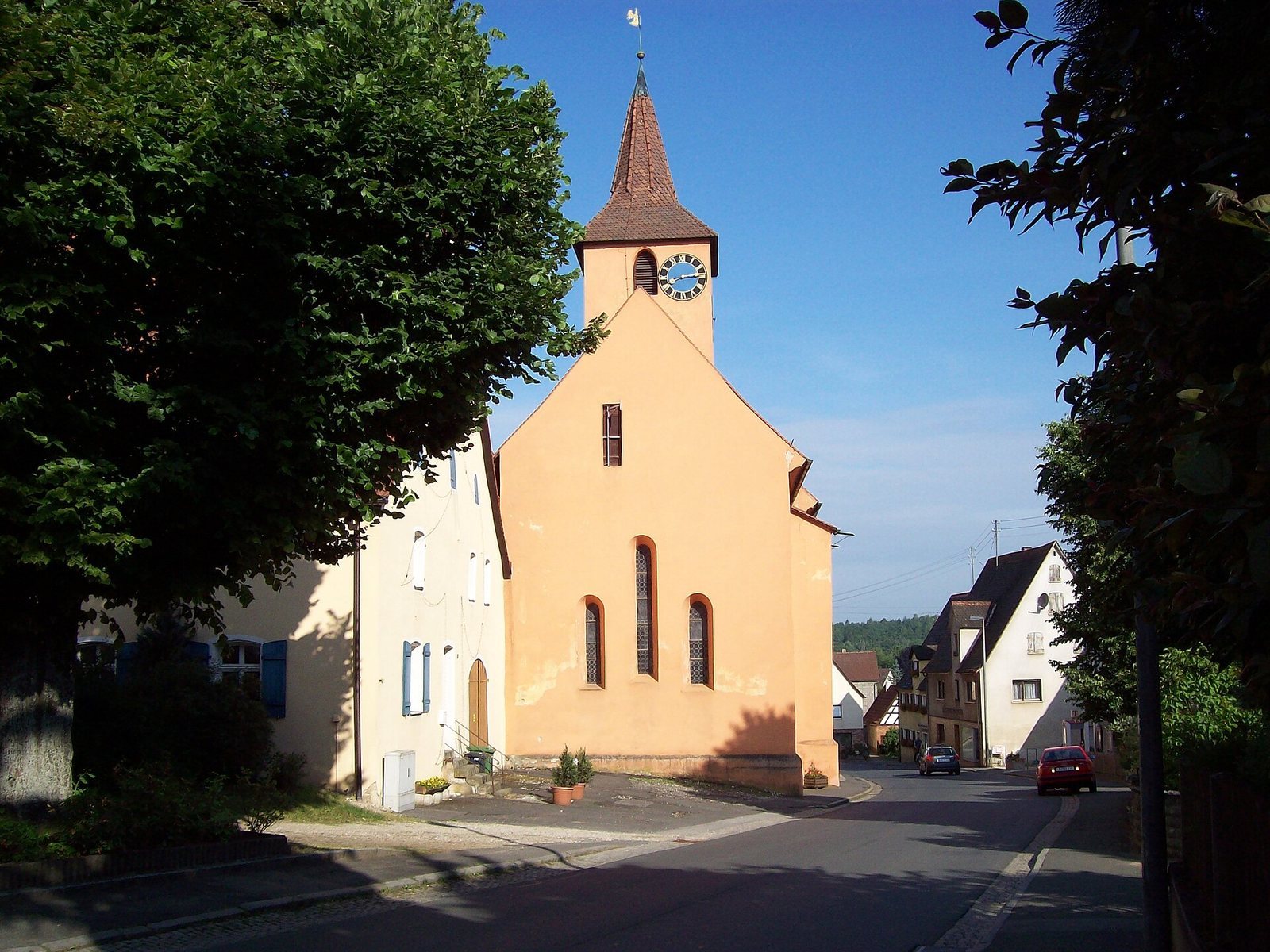
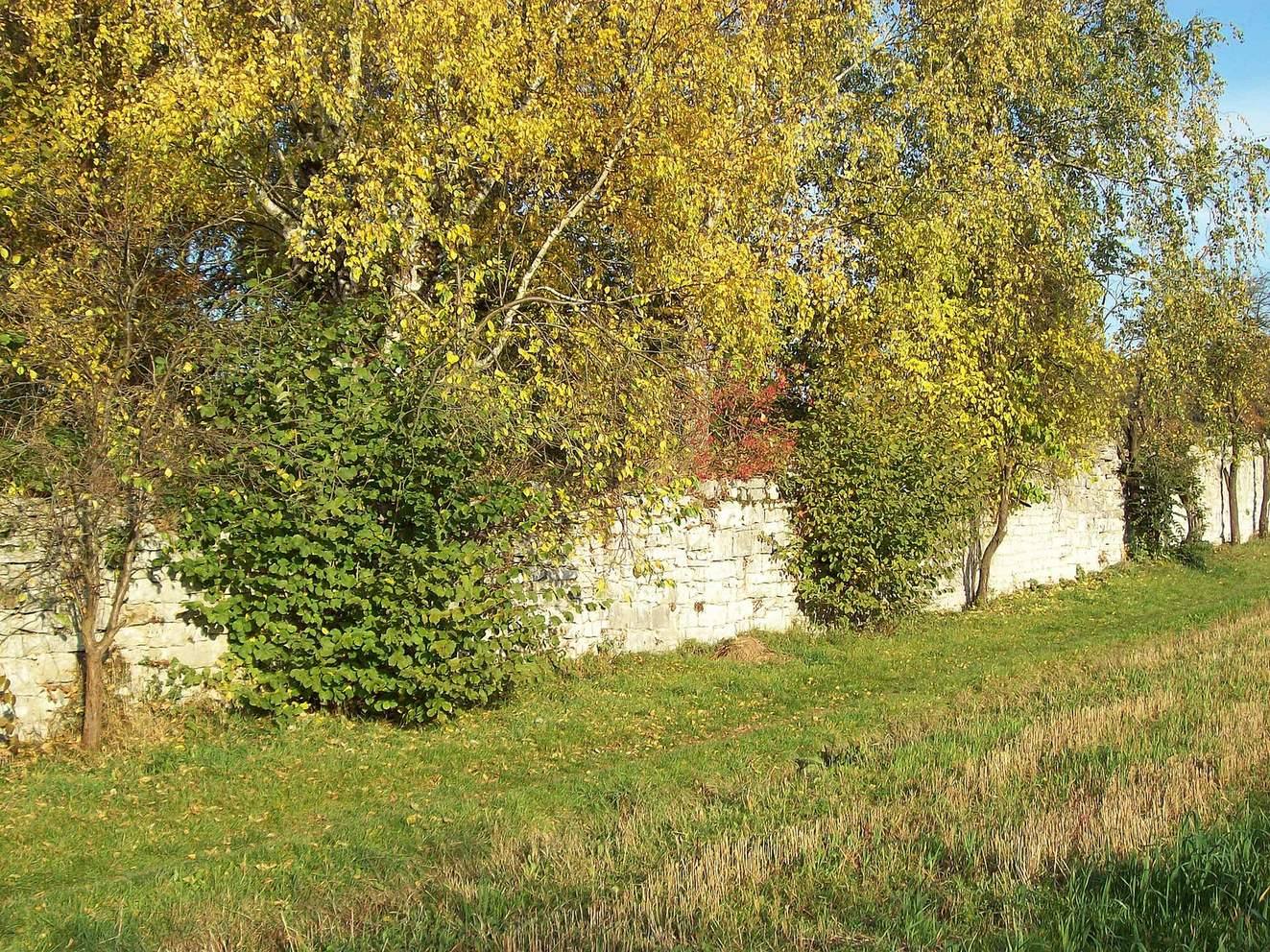
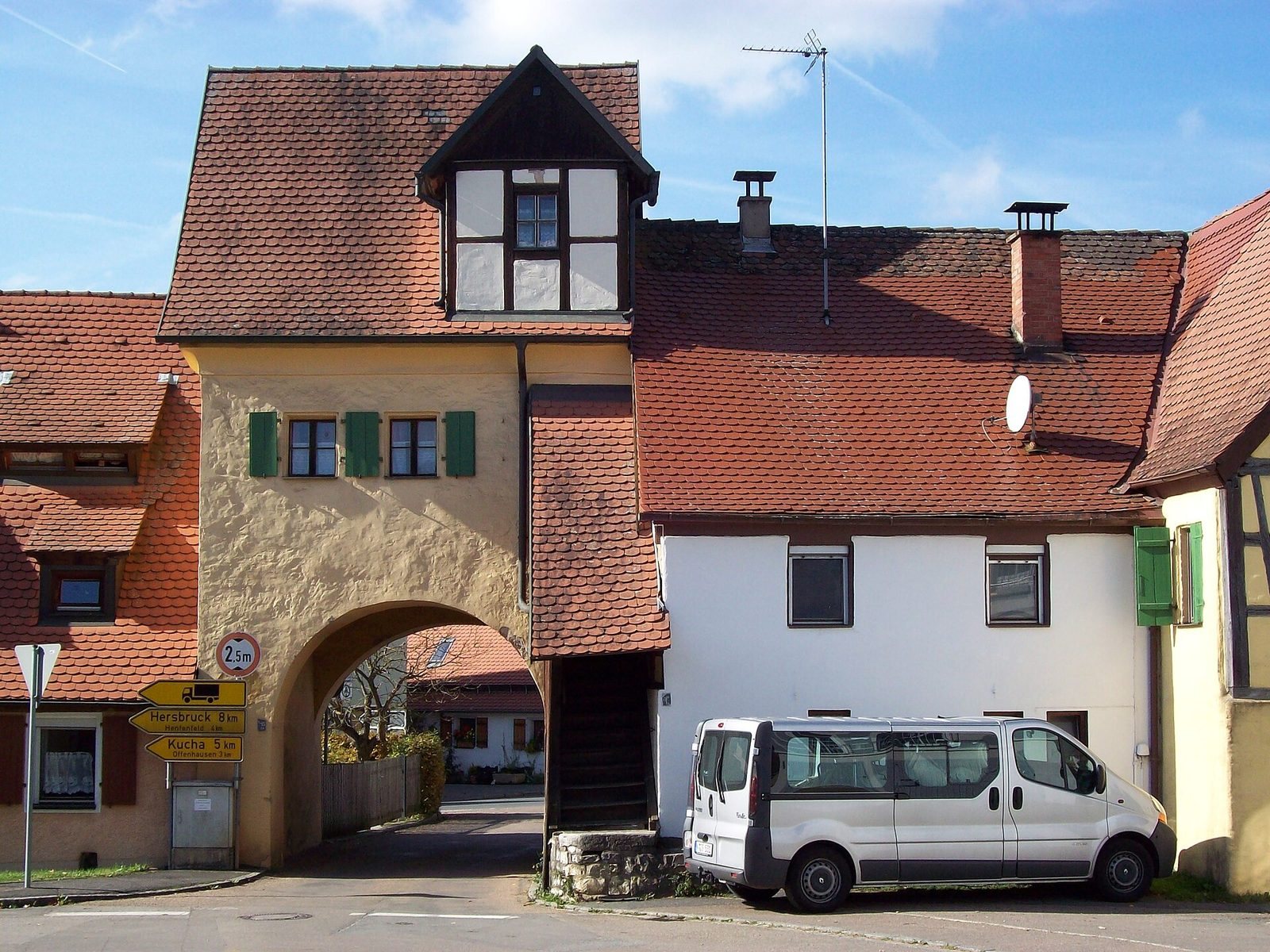
The surviving architectural features include a remnant of the former monastery wall, which had a north gate and an east gate. The site also includes a former chapel dedicated to Saint Willibald and a tower from the former monastery church.