Kasedai Kofun Cluster: Japanese Burial Mounds in Kawasaki
Site at a Glance
- Rating
- 3.6
- Popularity
- Low
- Country
- Japan
- Primary era
- Medieval
- Eras represented
- Classical, Medieval
- Civilizations
- Yamato
- Site type
- Burial
- Remains
- Necropolis
On this page13 sections
History
The Kasedai Kofun Cluster is a group of kofun (Japanese burial mounds) in Kawasaki, Japan. Its tombs were built in successive phases from the second half of the fourth century through the second half of the seventh century.
The Hakusan Kofun dates to around the second half of the fourth century. Kofun No. 4 dates to the first half of the fifth century, and No. 8 to its middle. No. 9 dates to the second half of the sixth century, while No. 3 belongs to the second half of the seventh century. The date of the Dairokuten Kofun is uncertain: it may be from the end of the sixth or beginning of the seventh century, or from the second half of the seventh century.
Mound No. 6, although circular, is interpreted as a medieval mound for burying or enshrining Buddhist scriptures rather than as a kofun. Some of the original mounds were destroyed through development. Finds from No. 4 came to light in 1910; Hakusan and Dairokuten were excavated in 1937, No. 3 in 1951, and No. 8 between 1991 and 1994.
Across the Yagami River to the west, other tombs of similar dates are spread across the Yagami and Hiyoshi plateaus in Yokohama. Because of their proximity and chronology, the Kasedai and neighboring groups are sometimes considered together as the Hiyoshi-Kase Kofun Group.
Remains
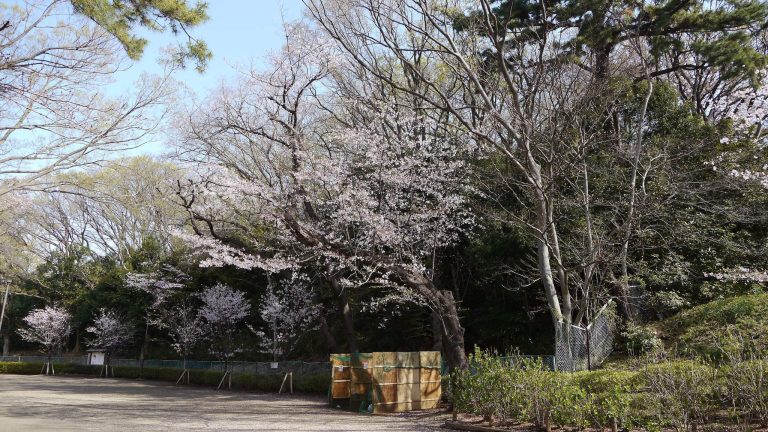
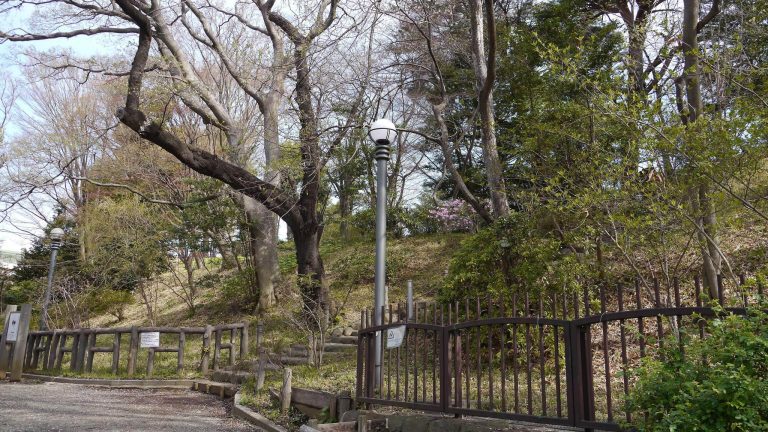
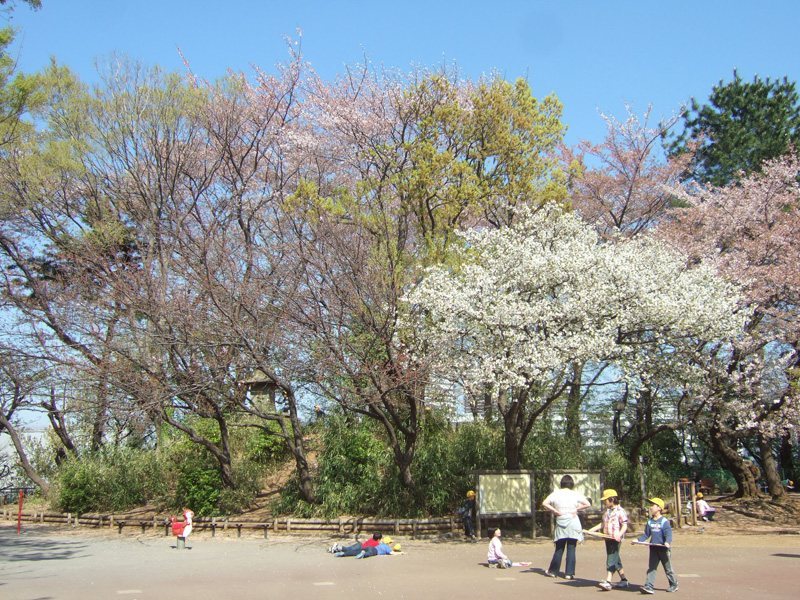
The cluster occupies an isolated, elongated plateau about 30 metres high on a plain, in the South Kase and North Kase areas of Kawasaki. A zoological park now covers the plateau, where seven tombs remain. The original group comprised 11 mounds or possible burial mounds: one keyhole-shaped, five circular, one square, one horizontal stone-chamber burial without a mound, and three of undetermined form. A shell midden, a deposit of discarded shells, was also found on the plateau.
Surviving tombs
Kofun No. 2
No. 2 may have been a circular mound.
Kofun No. 3
On the southern slope, No. 3 has a multi-chambered, barrel-shaped stone burial chamber entered horizontally. Finds from the chamber included coffin nails, fragments of hemp textile, and pieces of male human bone.
Kofun No. 4
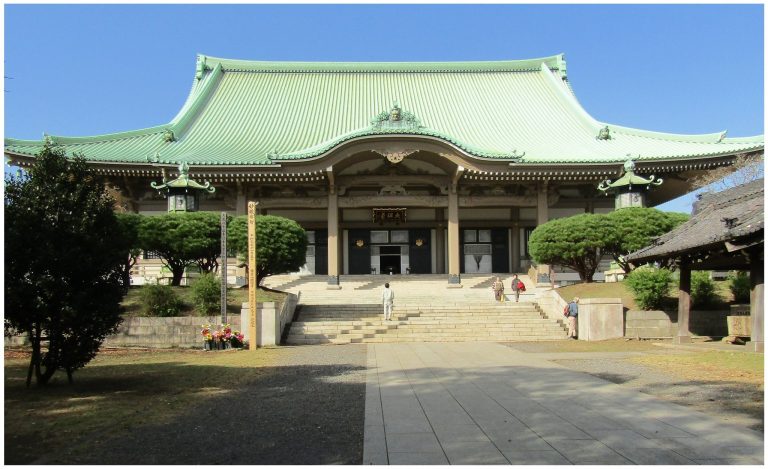
This circular mound lies within temple grounds. Finds from it include two mirrors decorated with animal motifs and an iron axe.
Mound No. 6
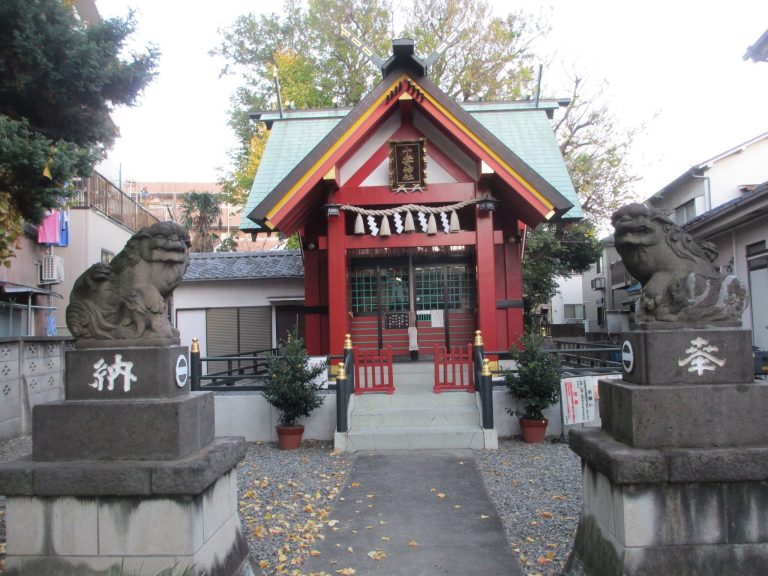
The mound is circular, and a shrine stands on it. Jars made in the Tokoname pottery tradition, a Japanese ceramic ware, and other objects were recovered there.
Kofun No. 7
This circular mound has Amaterasu Ōmikami, a major Shinto sun deity, enshrined on it.
Kofun No. 8
No. 8 is square, measuring 24 metres on each side.
Kofun No. 9
This circular mound contains a stone chamber. A monument to Ōta Dōkan, a fifteenth-century samurai and military commander, stands on the mound.
Excavated mounds
Hakusan Kofun
Hakusan was a large keyhole-shaped mound, 87 metres long and among the largest kofun in Kawasaki. Excavation recovered a mirror with a triangular rim and designs of deities and sacred beasts, along with beads, iron objects, and other finds.
Dairokuten Kofun
Dairokuten was circular. Its stone chamber yielded comma-shaped beads, gilt-bronze bells, and human remains representing 11 individuals.