Fregellae: An Ancient City and Roman Colony in Italy
Site at a Glance
- Rating
- 4.2
- Popularity
- Medium
- Country
- Italy
- Primary era
- Classical
- Eras represented
- Classical
- Civilizations
- Roman
- Site type
- Settlement
- Remains
- City
On this page5 sections
History
Fregellae was an ancient city in Italy associated with the Liris River, though its precise location is disputed between the areas of modern Arce and Pontecorvo. It probably began as an Oscan settlement near Arce, before the Volsci occupied and populated it. The Samnites destroyed the city shortly before 330 BC.
Roman Colony and the Punic War
In 328 BC, Rome established a colony at Fregellae with Latin rights, a distinct legal status that was not the same as Roman citizenship. This followed an appeal for Roman help from nearby Fabrateria Vetus, which faced Samnite expansion. The new colony breached an agreement that lands east of the Liris would remain free of Roman colonization. The Samnites seized Fregellae in 320 BC, but Rome re-established the colony in 313 BC.
During the colonial period, Fregellae received 4,000 Oscan-Umbrian families, including Paelignians and Samnites. The Roman historian Livy gives this figure, which archaeological evidence supports. The city prospered through its control of a crossing of the Liris and its position among fertile, well-watered valleys.
Fregellae remained largely loyal to Rome during the Second Punic War, the conflict between Rome and Carthage from 218 to 201 BC. In 212 BC, as the Carthaginian general Hannibal advanced toward Rome, the people of Fregellae burned bridges over the river to hinder his passage. The surrounding area was devastated. News from Fregellae initially caused alarm in Rome, until a messenger reported that a Roman army was coming from Capua. In 209 BC, a representative of the city led a delegation of 18 colonies that had stayed loyal, while 12 other colonies had rebelled.
Revolt and Destruction
In 125 BC, the Senate rejected Marcus Fulvius Flaccus’s proposal to extend Roman citizenship to Rome’s Italian allies. Fregellae led a revolt, which Roman forces soon suppressed. A local man named Numitorius opened the city gates to the army commanded by Lucius Opimius, a senior Roman magistrate with military responsibilities.
Rome razed Fregellae and deported its citizens to Rome, where they faced trials and persecution. Romans later credited the destruction’s severity with preventing a wider uprising among their Italian allies. The following year, survivors who had remained loyal were settled at Fabrateria Nova, about 4.8 kilometres southeast of Fregellae on the opposite bank of the Liris. Other survivors may have settled near modern Ceprano, at a modest roadside settlement associated with the name Fregellanum.
Imperial Period and Disputed Location
Under the Roman Empire, Fregellae had dwindled to little more than a village. Strabo, a Greek geographer and historian, wrote that its inhabitants still held a market and sacred ceremonies there during the reigns of Augustus and Tiberius. Route lists for the Via Latina also name a post station called Fregellanum at modern Ceprano.
The ancient city’s location remains contested. Pontecorvo’s traditional claim draws on its civic arms, which have borne the initials SPQF, meaning “Senate and People of Fregellae,” since before 1400. Papal documents also identified Pontecorvo with ancient Fregellae or with a settlement that grew from its ruins. Finds in the Arce area have led to a competing identification, though some interpretations assign them to a smaller roadside settlement instead. Excavations in the Arce area began in 1978, with archaeologist Filippo Coarelli associated with the work.
Remains
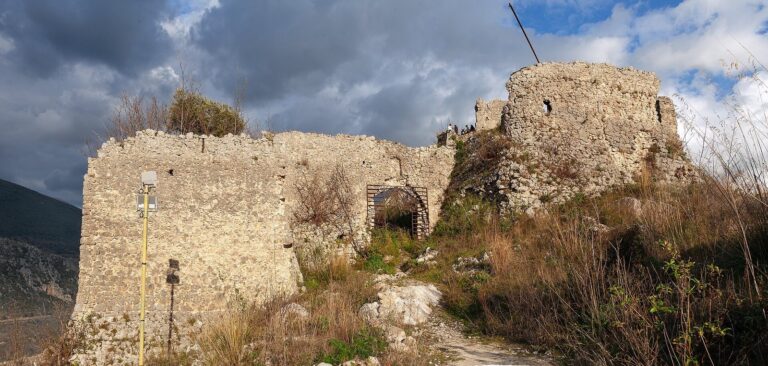
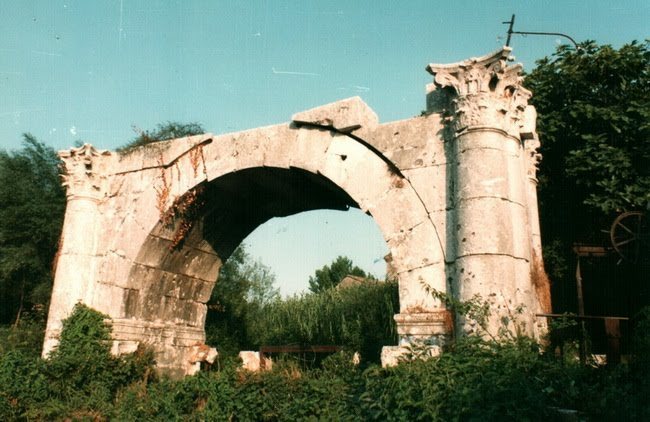
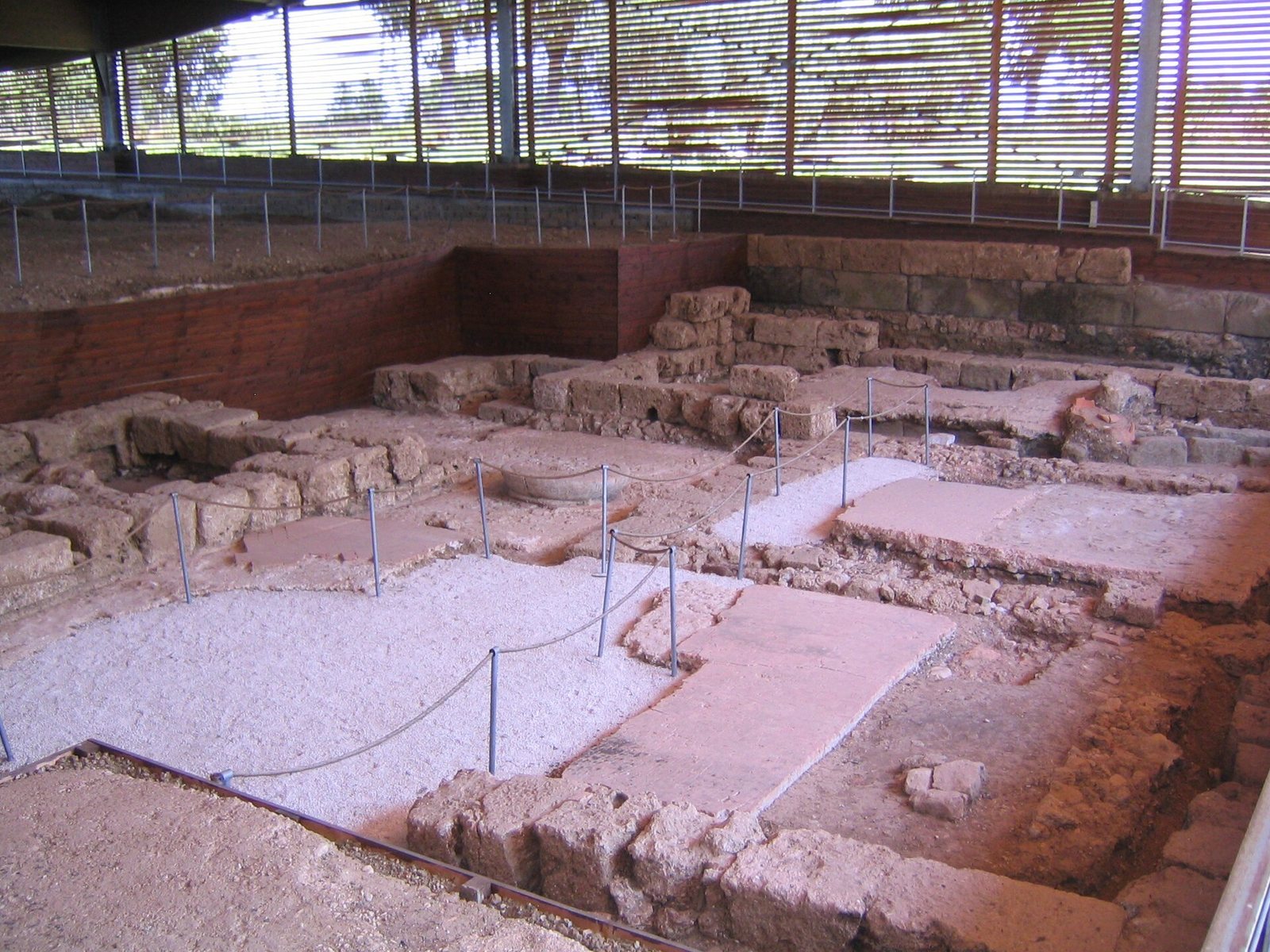
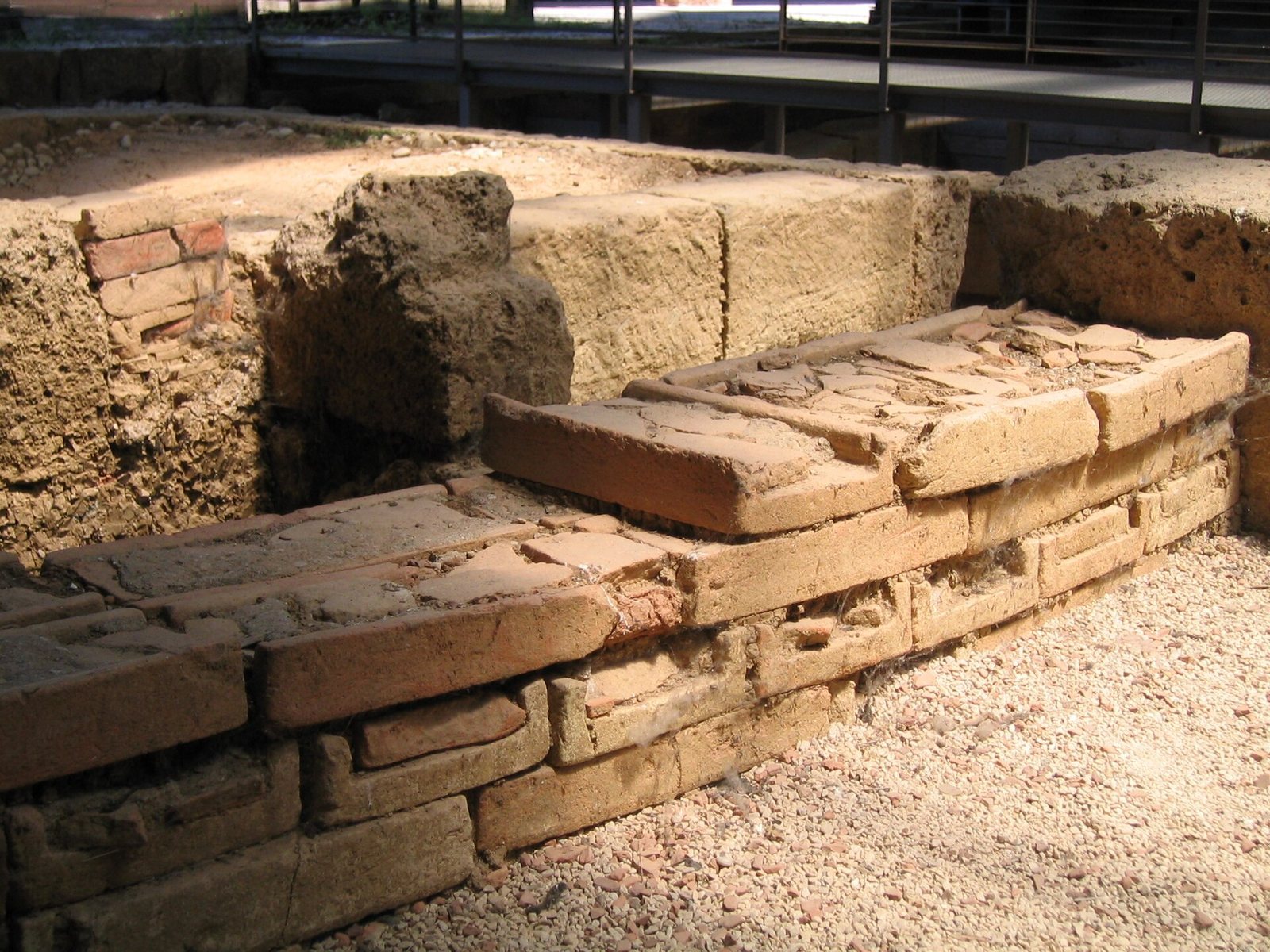
The excavated area in the territory of Arce, around Isoletta, covers only a few hundred square metres. The ancient city is traditionally estimated to have covered about 90 hectares. The excavated remains include Republican-period finds and a large temple of Aesculapius, the Roman name for the Greek god of healing. Some recovered objects are held in the museum at Ceprano.
Fregellae lay near the left bank of the Liris, now called the Liri, on the Via Latina, a Roman road through Latium and toward southern Italy. It stood between Aquinum, now Aquino, and Frusino, now Frosinone. The scale of the excavated area compared with the traditional estimate of the city’s extent forms part of the debate over whether the remains belong to Fregellae itself or to a smaller settlement nearby.