Faversham Parish Church: The Parish Church of St Mary of Charity
Site at a Glance
- Rating
- 4.8
- Popularity
- Medium
- Country
- United Kingdom
- Primary era
- Medieval
- Eras represented
- Medieval, Early Modern, Modern
- Civilizations
- British, English
- Site type
- Religious
- Remains
- Church
On this page9 sections
History
Abbey and Parish Foundation
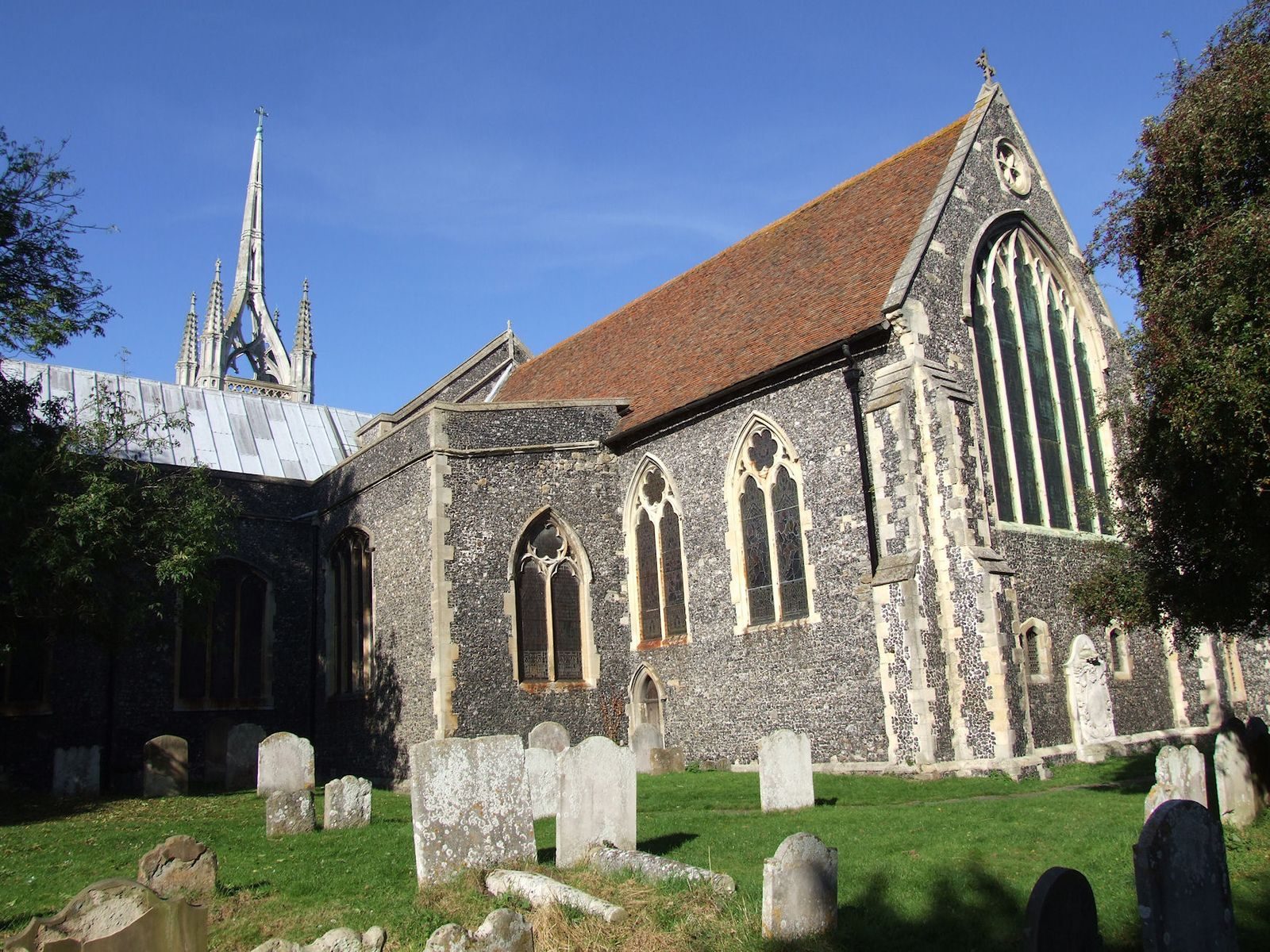
Faversham Parish Church, also known as St Mary of Charity, is the Church of England parish church in Faversham, Kent, United Kingdom. Its foundation is dated to 1350. The church survives from a larger religious community associated with Faversham Abbey, which King Stephen established in 1147. The abbey was later dissolved during the reign of Henry VIII, who ruled England from 1509 to 1547 and oversaw the dissolution of the monasteries.
Later Changes and Continuing Use
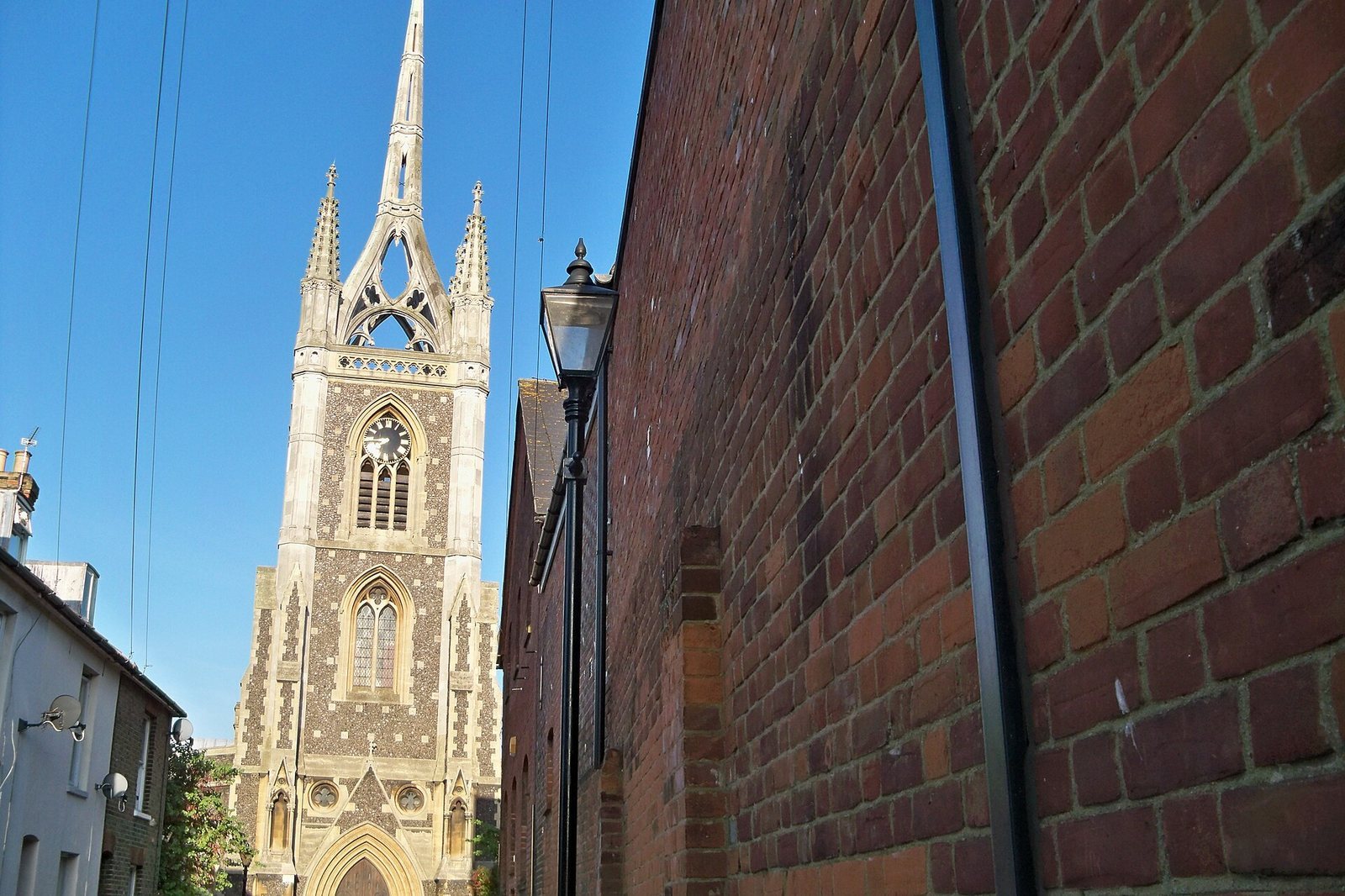
Faversham’s eighteenth-century prosperity coincided with the construction of the church’s spire. In 1874, the architect Sir George Gilbert Scott restored the church and transformed its interior. The building was listed Grade I in 1950.
The church maintains a choral tradition through adult and children’s choirs. They sing Matins and Evensong, Anglican services of morning and evening prayer, as well as Communion, the church’s Eucharistic service. The choir is affiliated with the Royal School of Church Music, an organization that supports church music and musicians.
Remains
Building and Interior Features
The church is unusually large for a parish church and is reputed to be the second largest in Kent, after All Saints Church in Maidstone. Its size gives it distinctive acoustics and allows it to accommodate a symphony orchestra for concerts. The surviving features include an eighteenth-century spire, medieval interior details, a tomb, an altar and a church clock.
Spire
The church’s flying spire is an eighteenth-century crown-shaped design. It dominates Faversham’s skyline and can be seen from some distance.
Tomb
A tomb in the church is reputed to be that of King Stephen, who ruled England from 1135 to 1154.
Quire and Medieval Features
The Quire, the part of the church set aside for clergy and choir, contains misericords, carved supports beneath folding choir seats, that are described as nationally important. The church also has a rare medieval painted pillar.
Altar and Clock
An altar is dedicated to Saints Crispin and Crispinian, early Christian martyrs traditionally associated with shoemaking. The church clock was made by English clockmaker James William Benson.