Greyfriars Burial Ground: A Historic Cemetery in Perth
Site at a Glance
- Rating
- 4.9
- Popularity
- Low
- Country
- United Kingdom
- Primary era
- Modern
- Eras represented
- Medieval, Early Modern, Modern
- Civilizations
- British, Kingdom of Scotland
- Site type
- Burial
- Remains
- Necropolis
On this page10 sections
History
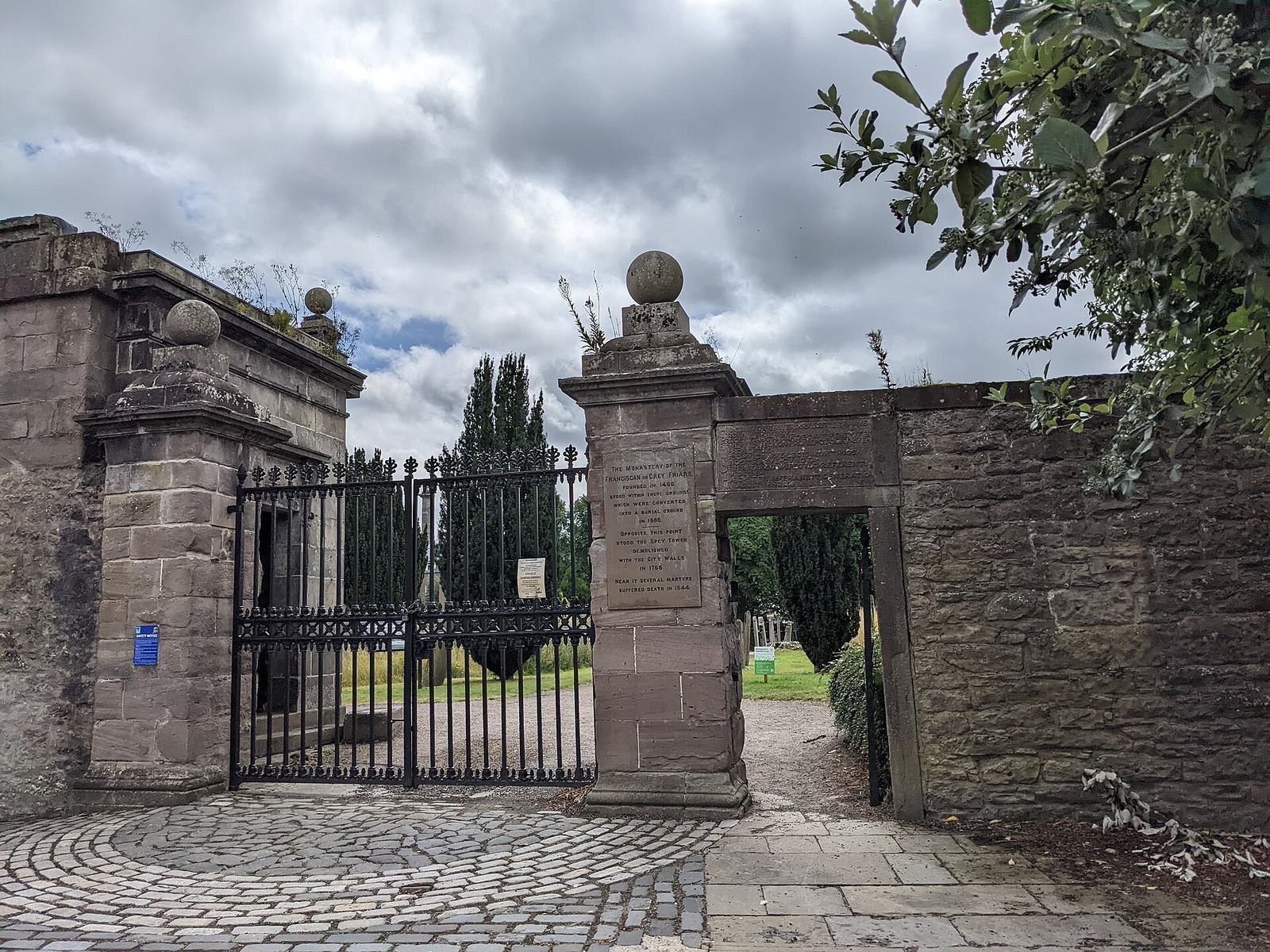
Greyfriars Burial Ground is a historic cemetery in Perth, Scotland, United Kingdom. It occupies the site of a Franciscan monastery founded in the fifteenth century. “Greyfriars” is a traditional name for Franciscan friars, members of a Christian order supported by alms and devoted to preaching.
The monastery and the Reformation
The monastery was destroyed in 1559, at the start of the Scottish Reformation. This sixteenth-century movement established Protestantism in Scotland and brought about the dissolution of the country’s monasteries.
From monastery grounds to cemetery
The former monastic grounds became a burial ground in 1580. In the 1650s, stone from the monastery and early gravestones was taken to build Oliver Cromwell’s Citadel, a fortified stronghold south of the cemetery. The reuse is estimated to have resulted in the loss of about 300 monuments. The burial ground was later extended south twice, including an extension in 1795. Around 1835, it was enclosed and reorganized.
Burial, closure and preservation
A rule recorded in 1911 restricted burial to people who had lived within the old parish when they died, with exceptions for widowed people and for sons or daughters who had never married. The last burial took place in 1978, when the cemetery closed to burials. It was restored between 1999 and 2001, and headstones judged hazardous to passersby were removed and restored in 2019. The burial ground was listed in Category B in 1965 and raised to Category A, Scotland’s highest listed-building category, in 2009.
Remains
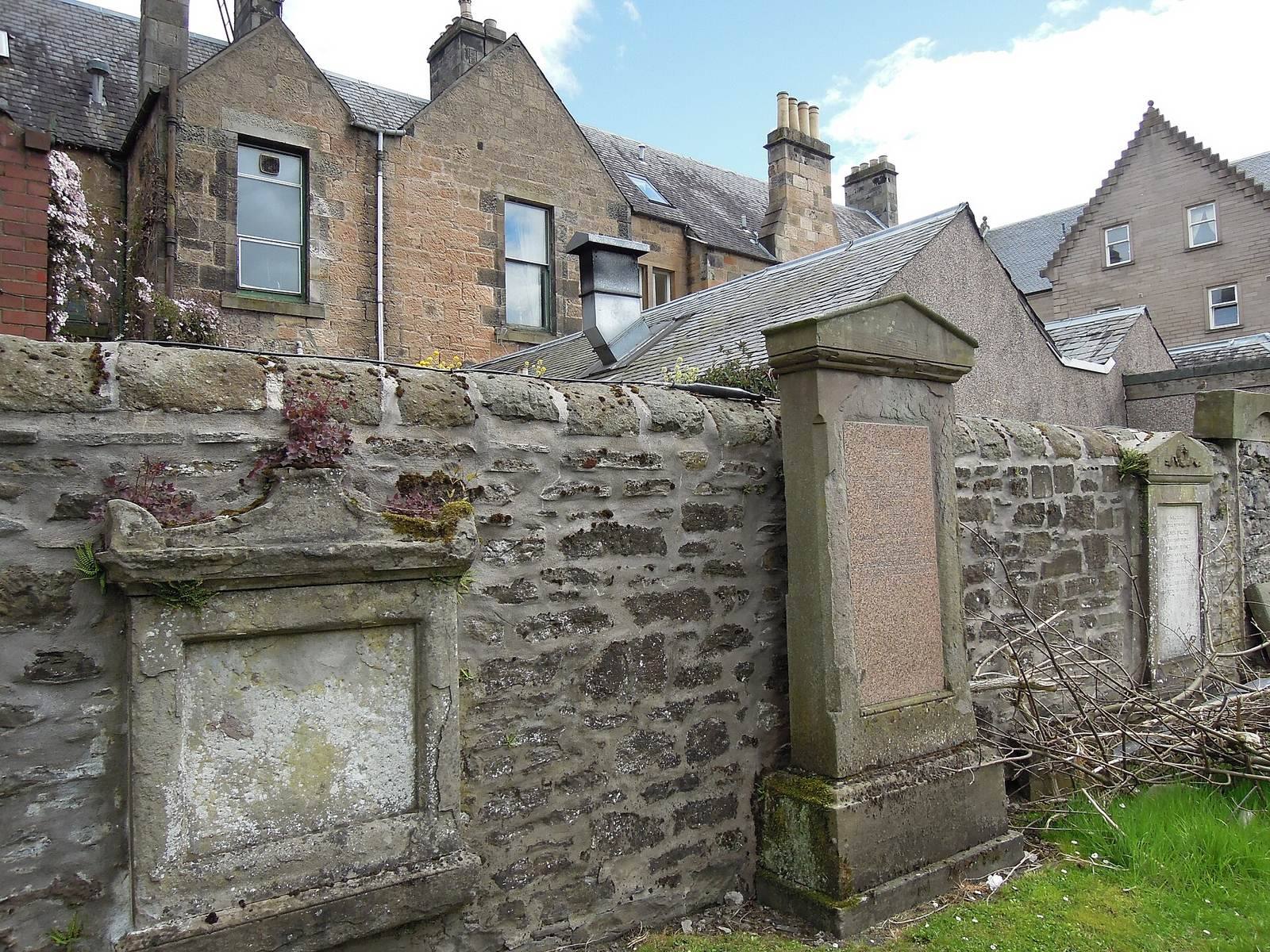
The burial ground lies at the eastern edge of Perth’s historic centre, near the right bank of the River Tay and beside the bridge carrying the Perth-to-Dundee railway. Its surviving features include a rubble-stone perimeter wall, paths, rows of monuments and a roofed shelter for early gravestones.
Burial ground and monuments
Enclosure and grounds
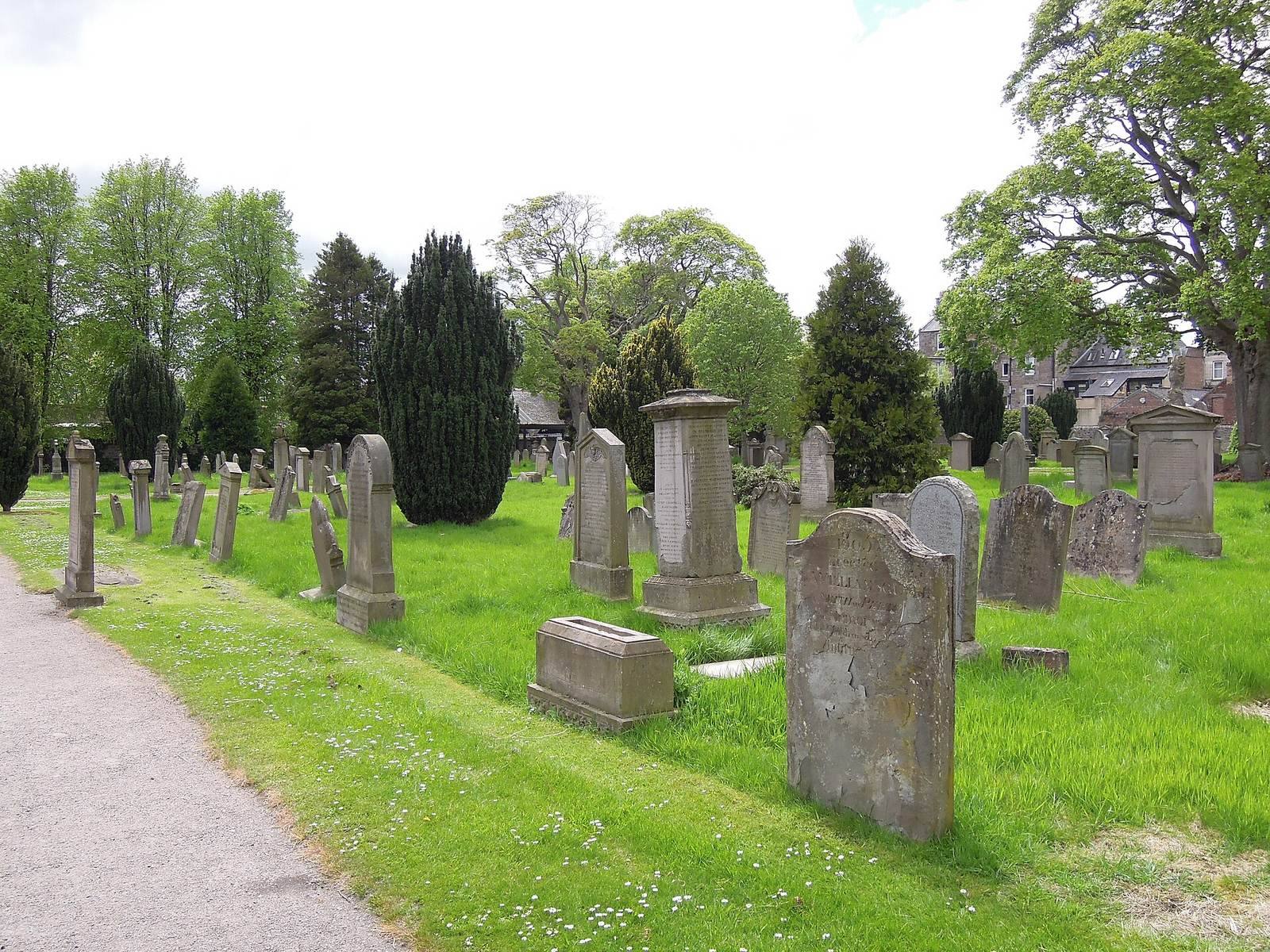
A rubble-stone wall surrounds the cemetery. Grass between and beyond the paths is allowed to grow under a biodiversity plan, while the monuments are arranged in rows within the enclosure.
Gravestones and memorial tablet
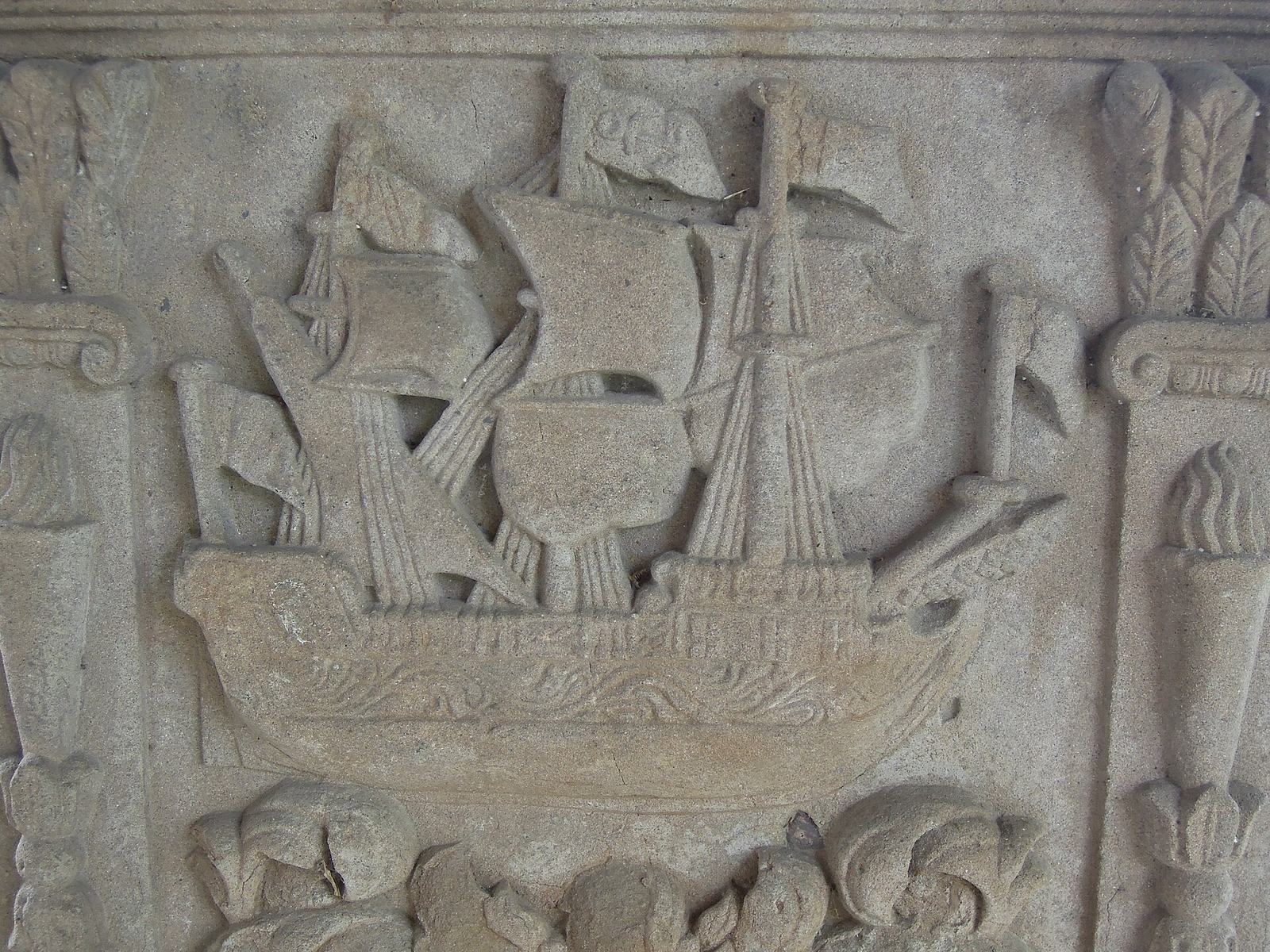
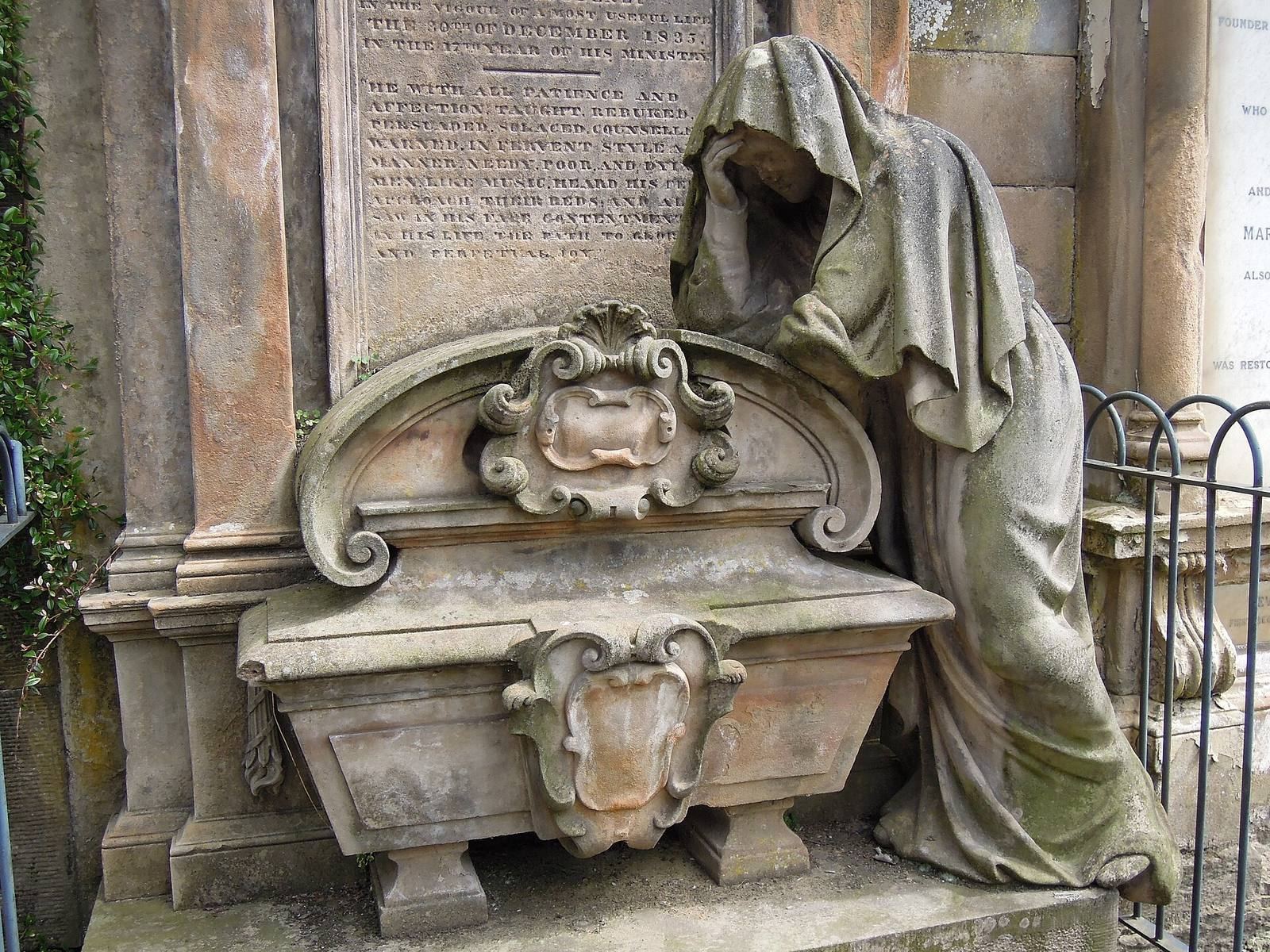
The cemetery holds an extensive collection of gravestones, including elaborately ornamented monuments dating from the sixteenth to the nineteenth centuries. The collection is considered among Scotland’s best. A roofed shelter on the southern side protects thirteen early gravestones moved there for conservation. They include the Buchan Stone, dated 1580 and identified as the cemetery’s oldest gravestone. A tablet erected in 1784 by Scottish architect and engineer Robert Mylne commemorates John Mylne, a mason who rebuilt the ancient bridge over the River Tay.
Mausoleum and sundial
A mausoleum dating to about 1830 has Doric pilasters, shallow, column-like wall projections in a classical architectural order, and an entablature, the horizontal structure above them. A seventeenth-century sundial was moved to the cemetery from another location.
Archaeological evidence
Two test pits excavated in 1997 examined the ground before proposals to dismantle and rebuild the eastern wall. One exposed foundations believed to belong to the original monastery wall. Successive foundation lines suggest repeated replacement and repair, with each phase raising the ground level. Medieval pottery from this pit was probably brought in with soil from the lower garden beside the wall. The other pit showed no sequence of wall foundations, indicating that this area lay within the later cemetery extension but outside the original monastery grounds. Layers there may reflect infilling or levelling where a burn along the southern wall was covered with soil.